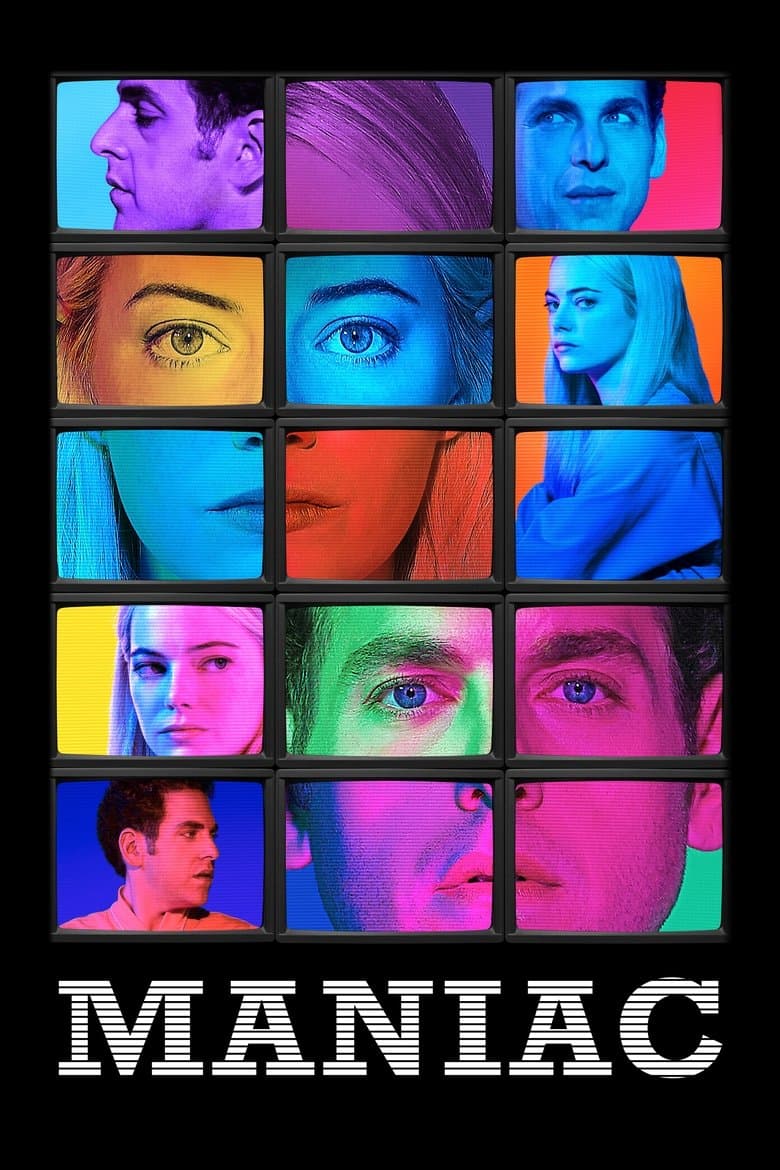
Started September 21, 2018 · Ended · Based on 1 season, 10 episodes through September 21, 2018 · TV-MA
Maniac is a one-season Netflix limited series with ten episodes. It follows two damaged people who join a strange drug trial run by a bold pharmaceutical company. The trial promises to fix deep mental problems with pills. Their minds slip into wild shared fantasies drawn from crime stories, noir scenes, fantasy quests, and other genre pastiches. The real story is about trauma, loneliness, disputed mental illness, and whether a quick medical fix can replace human connection.
There is only a light progressive touch in how the show is built. The Norwegian original centered on a male patient, but the U.S. version makes Annie an equal co-lead with Owen so she is not a helper or manic pixie figure. Casting includes Asian scientists, a black trial subject, and Latina staff in a modern New York pharma setting, without feeling like a forced checklist. The show lightly mocks ads, paid-friend gigs, and a rich family that protects a son facing sexual misconduct claims. Those notes stay secondary to mental health, delusion, and connection, and race, gender ideology, or queer politics do not drive the plot.
Community feedback
Was our 27% Woke rating accurate?
Breakdown
These are the editorial factors and ratings behind our score for Maniac.
Woke representation / casting
The two leads are white, and the supporting Asian, Black, and Latina roles fit a modern New York pharma setting. They do not feel like a forced one-of-each hero group. The clearest shift is rebuilding the Norwegian male-centered premise so Annie is an equal female co-lead. Press treated her as a full agent rather than a side character.
12%
Woke political dialogue
There is little activist speech in the series. Named talk includes the Milgrim family trying to protect Jed from sexual-misconduct fallout. Characters also touch stigma, being normal, and whether a pill can fix people. Ad and gig-economy satire mostly builds the world instead of pushing identity politics.
8%
Identity-driven story themes
The main engine is mental illness, trauma, loneliness, and human connection through a failed drug trial. Race, gender ideology, and queer identity politics are not the core. Mild progressive notes include destigmatizing mental illness and giving Annie equal agency. It is not a representation-first story.
10%
Western institutional / cultural critique
The show lightly mocks late-capitalist and pharma culture. Examples include paid-friend services, AdBuddy ads, and a company that claims it can cure everything. A wealthy family also shields an accused son. That reads as generic elite and pharma hypocrisy, not a long attack on whiteness, patriarchy, Christianity, or the West as systems.
25%
Woke character or canon changes
This is a loose remake of the Norwegian Maniac. The source focused on a male institutional patient, and the U.S. version expands it into dual leads so Emma Stone can co-lead. Fukunaga has said she refused a therapist-fixing-a-man or manic-pixie role. That is a real gender-conscious rewrite, not a race or history swap.
22%
Anti-woke backlash and complaints
Not present. No substantive backlash framed the show as woke propaganda.
0%
Creator track record context
Cached scores place Somerville low for grief and connection drama and Fukunaga higher for social-issue work and #MeToo support. Danielle Henderson has a feminist background on one fantasy episode. Casting director Avy Kaufman has some LGBTQ-forward credits. Overall this is mild context, not an activist-led package.
25%
Production
TV Show · 2022
Gary is an emotional wreck and struggles to provide for his daughter since the death of his wife. Mary has a secret she can't bring herself to share with anyone.
TV Show · 2022
Irene and Franklin York, a retired couple, have a secret: a Chamber buried in their backyard that miraculously leads to a strange, deserted planet.

TV Show · 2023
At the brink of going to hell, Yee-jae must cycle through twelve separate lives and twelve separate deaths in this reincarnation drama.

TV Show · 2022
The intricate and magical love story of Clare and Henry, and a marriage with a problem… time travel.

TV Show · 2016
In his quest for a bride to break his immortal curse, a 939-year-old guardian of souls meets a grim reaper and a sprightly student with a tragic past.
TV Show · 2016
In the near future a family must make difficult decisions as they balance staying together with trying to survive.
TV Show · 2016
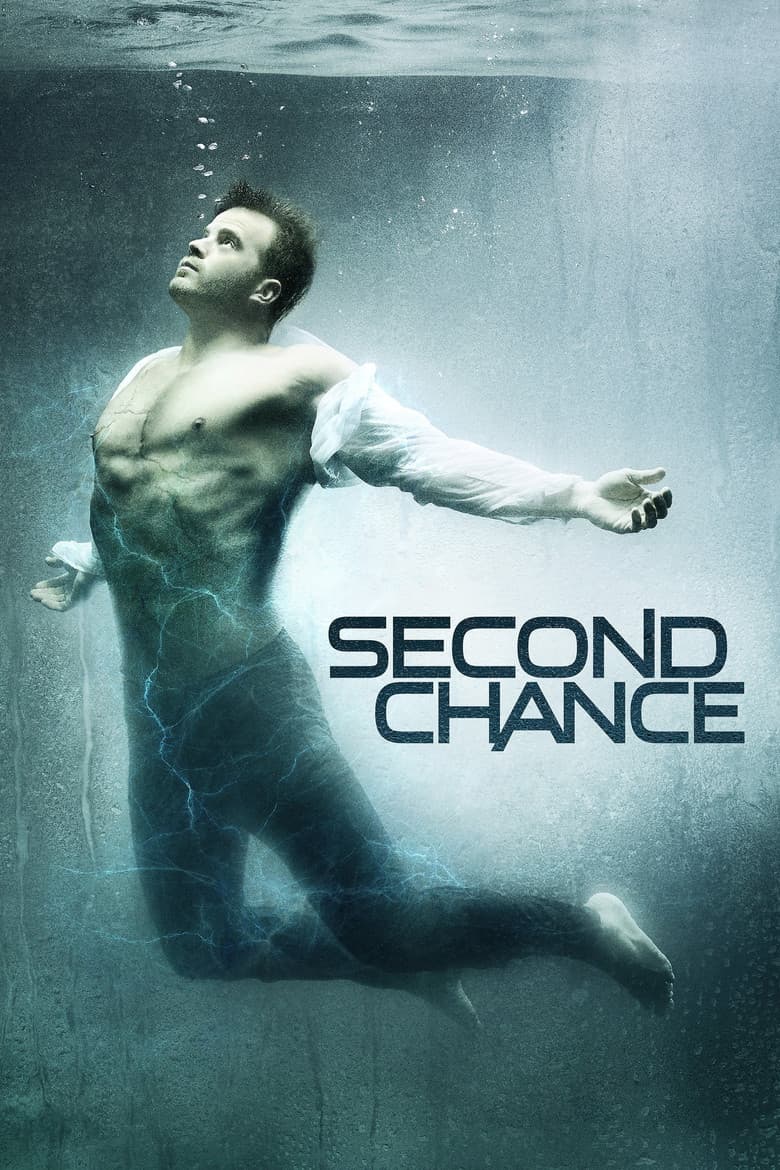
A disgraced, 75-year-old ex-sheriff, whose life ends at the hands of corrupt cops, is brought back to life and given a second chance by a pair of young tech scientists, as a…
TV Show · 2021
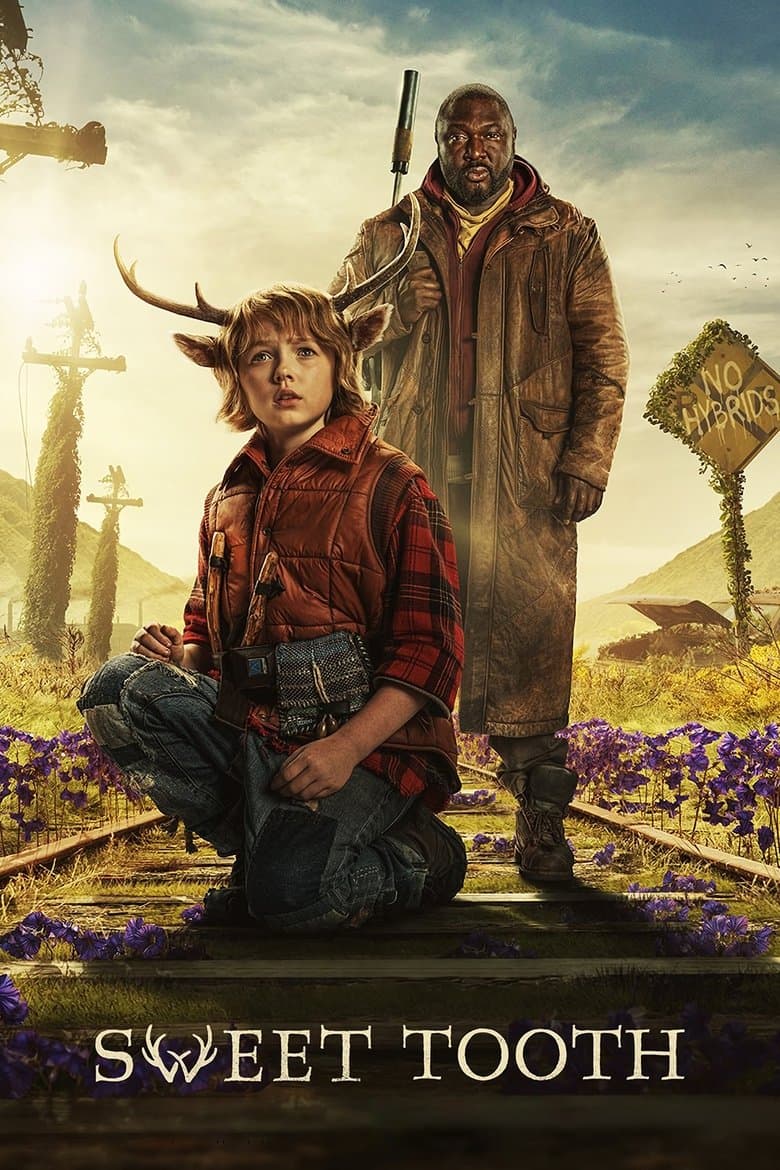
On a perilous adventure across a post-apocalyptic world, a lovable boy who's half-human and half-deer searches for a new beginning with a gruff protector.
