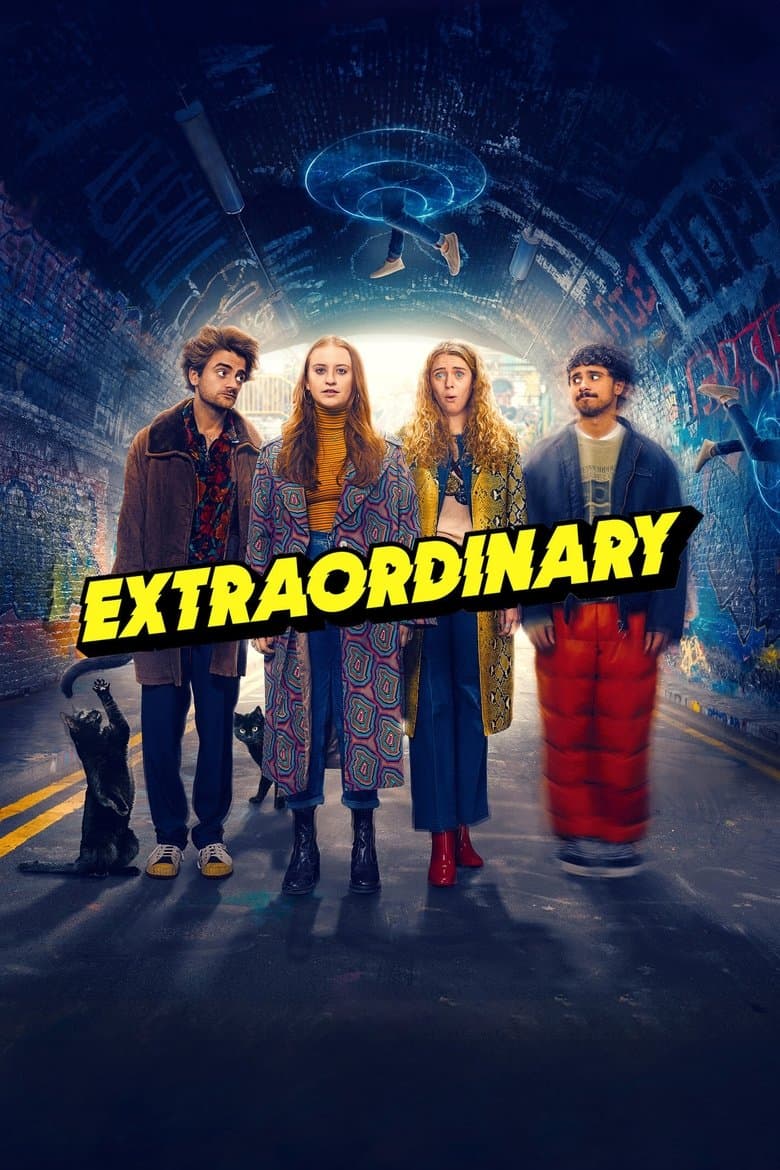
Started January 25, 2023 · Canceled · Based on 2 seasons, 16 episodes through March 6, 2024 · TV-MA
Extraordinary is set in modern London, where almost everyone gets a superpower at 18. Jen is 25, has no power, and fears that her life is going nowhere. She lives with her best friend Carrie, Carrie's ex Kash, and Jizzlord, a man who spent years as a cat. Jen hunts for a power while the group handles jobs, sex, family trouble, breakups, and damaged friendships. The tone is rude, strange, and warm, with superhero jokes built around ordinary problems.
Jen's search slowly becomes a lesson about self-worth and the danger of waiting for one special thing to fix life. Season 2 adds a clear queer subplot when Kash leaves his relationship with Carrie and starts dating Clark, a male coworker, while facing his own sexual identity. Carrie also learns to put her needs first after years of carrying Kash through adult life. The show often makes men look childish or selfish while women point out their failures and do the emotional work. These themes recur across the two seasons, but the story remains a friendship comedy rather than a series built around political speeches or activist campaigns.
Community feedback
Was our 34% Woke rating accurate?
Breakdown
These are the editorial factors and ratings behind our score for Extraordinary.
Woke representation / casting
Not present. The mixed cast fits the modern London setting, and the show does not frame its casting as a diversity goal or build a repeated representation-first pattern.
0%
Woke political dialogue
Not present. The characters do not deliver recurring activist, DEI, anti-conservative, or left-wing political speeches. Their talks about powers, sex, work, and relationships stay personal and comic.
0%
Identity-driven story themes
Season 2 gives Kash a continuing identity subplot when he moves from his relationship with Carrie to a romance with Clark, a male coworker. Kash tells his friends about his orientation and struggles with the change. Carrie learns to put her own needs first after years of managing Kash. Jen’s clinic work turns her missing power into a story about fear, intimacy, and self-worth. These themes recur across season 2, but queer identity remains one subplot inside a friendship comedy.
45%
Western institutional / cultural critique
Carrie says Kash acts more like a child she must manage than a partner, and she often does the work he avoids. Kash’s failed vigilante plans and job struggles make male ambition look silly rather than heroic. Jizzlord also resists adult duties and depends on women to handle problems. The show uses these jokes to question immature male behavior, but it does not build a broad attack on Western institutions or traditional culture.
15%
Woke character or canon changes
Not relevant. The series is an original story about a world where powers appear at 18. It does not change an established character, canon, or real historical figure.
0%
Anti-woke backlash and complaints
A few small social posts called the show part of an LGBT agenda or objected to Kash moving into a same-sex relationship after dating Carrie. The complaints came from low-reach or anonymous accounts. The supplied X pass found no large campaign, review-bombing effort, or major news fight. The backlash is fringe.
12%
Creator track record context
Emma Moran has no high-confidence public record of activist, DEI, or identity-politics advocacy. Most listed directors and producers also have little such public history, though Toby MacDonald has discussed toxic masculinity and Nadira Amrani has directed work for UK Black Pride. Charles Dawson runs writing schemes for women and ethnic minority writers, and Johanna Devereaux has a stronger DEI role at Disney+ in EMEA. This context adds a mild signal, but it is not the main force of the show’s story.
28%
Production
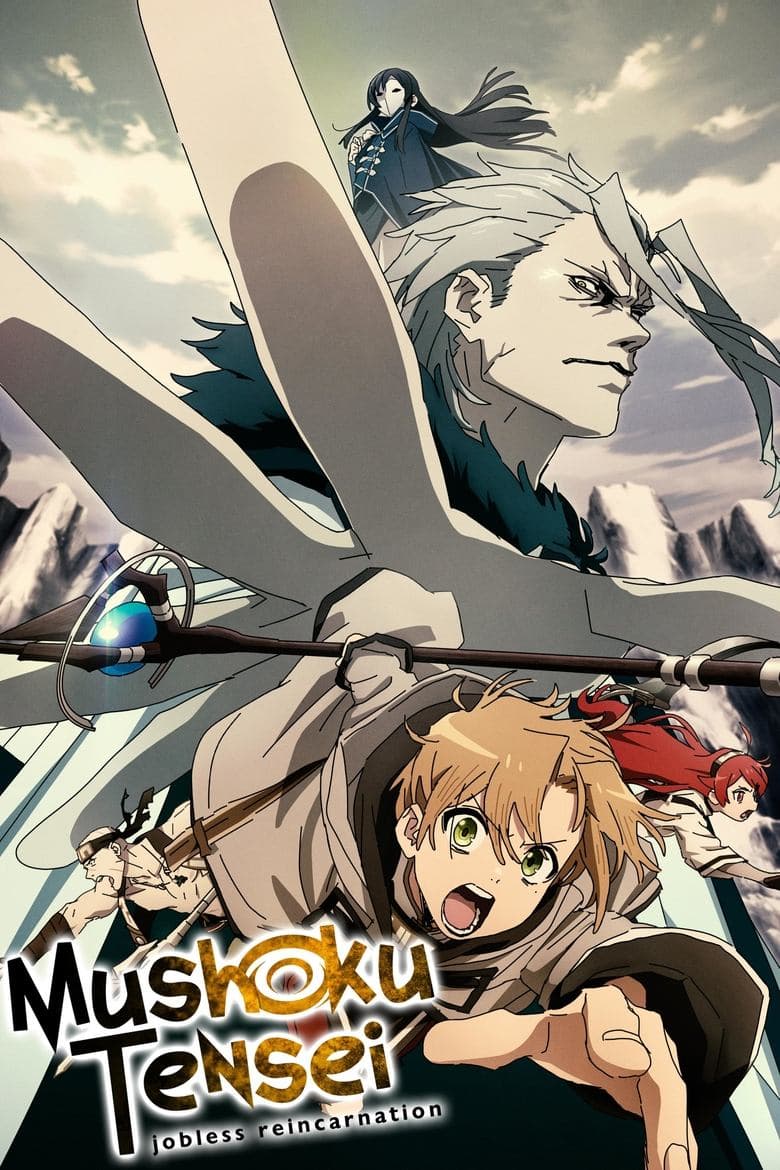
TV Show · 2021
When a 34-year-old underachiever gets run over by a truck, his story doesn't end there. Reincarnated in a new world as an infant, Rudy will seize every opportunity to live the…
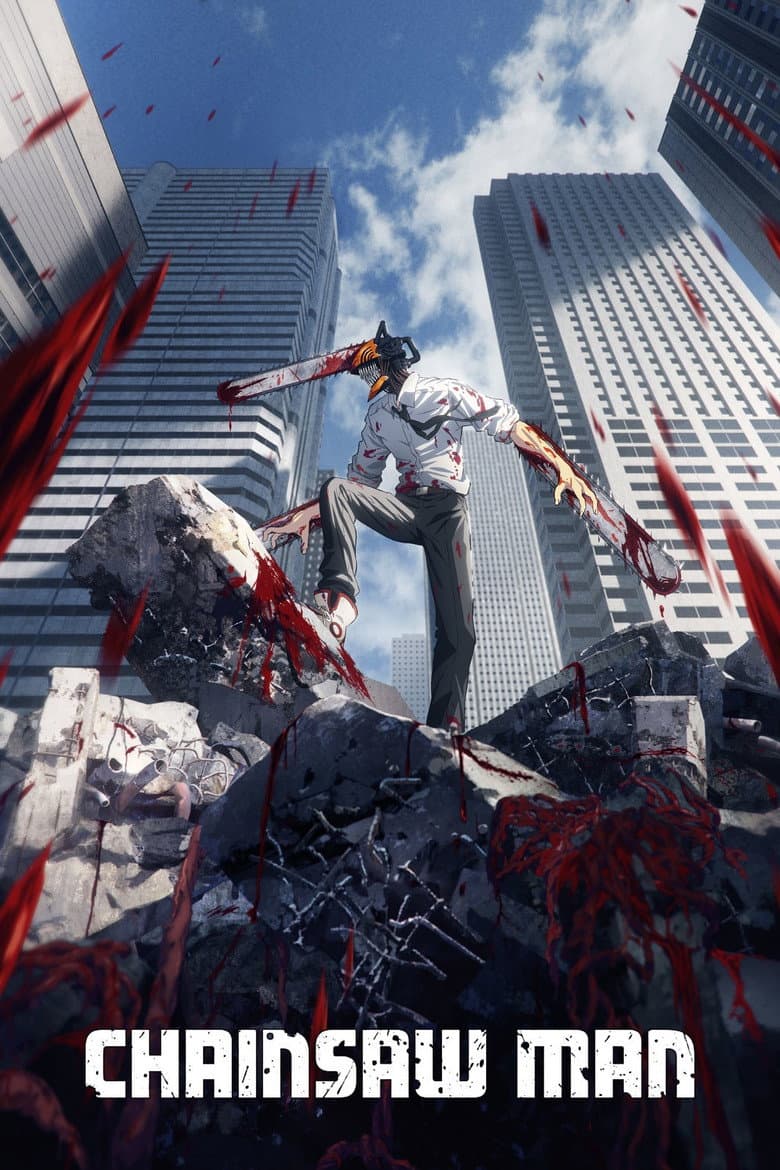
TV Show · 2022
Denji has a simple dream—to live a happy and peaceful life, spending time with a girl he likes. This is a far cry from reality, however, as Denji is forced by the yakuza into…
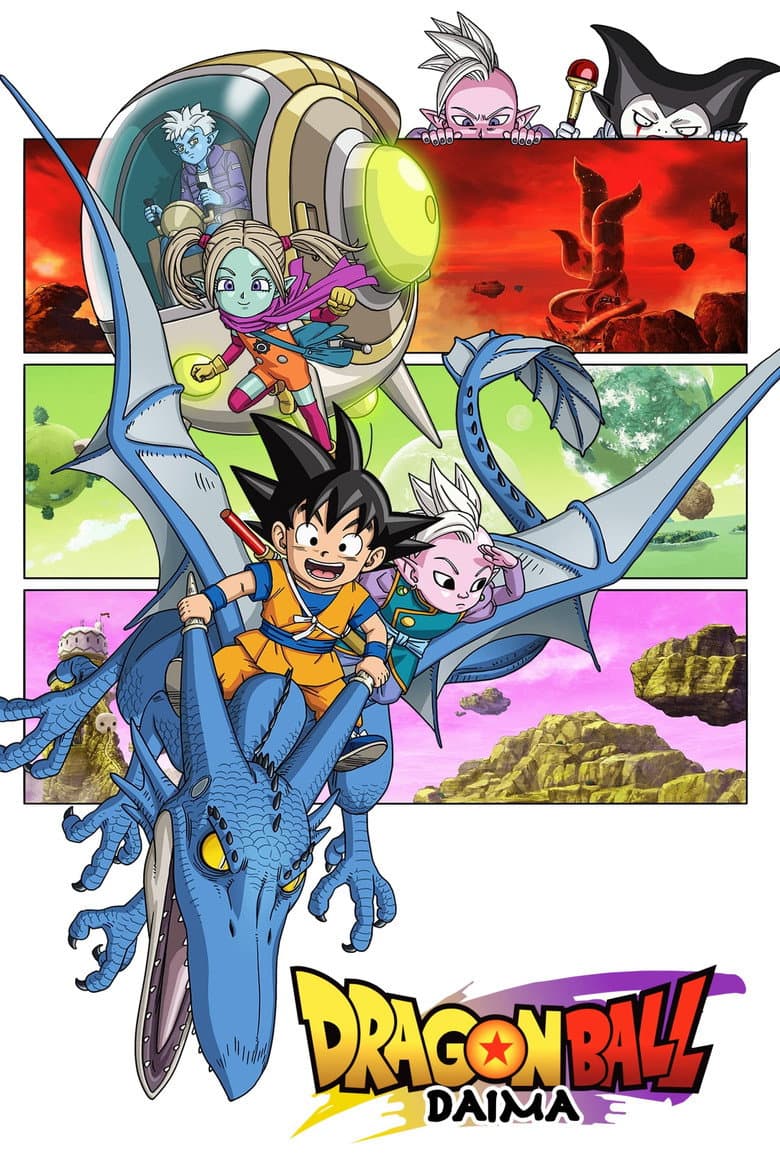
TV Show · 2024
Mysteriously transformed into mini versions of themselves, Goku and his friends travel to the Demon Realm to uncover the truth and find a cure.
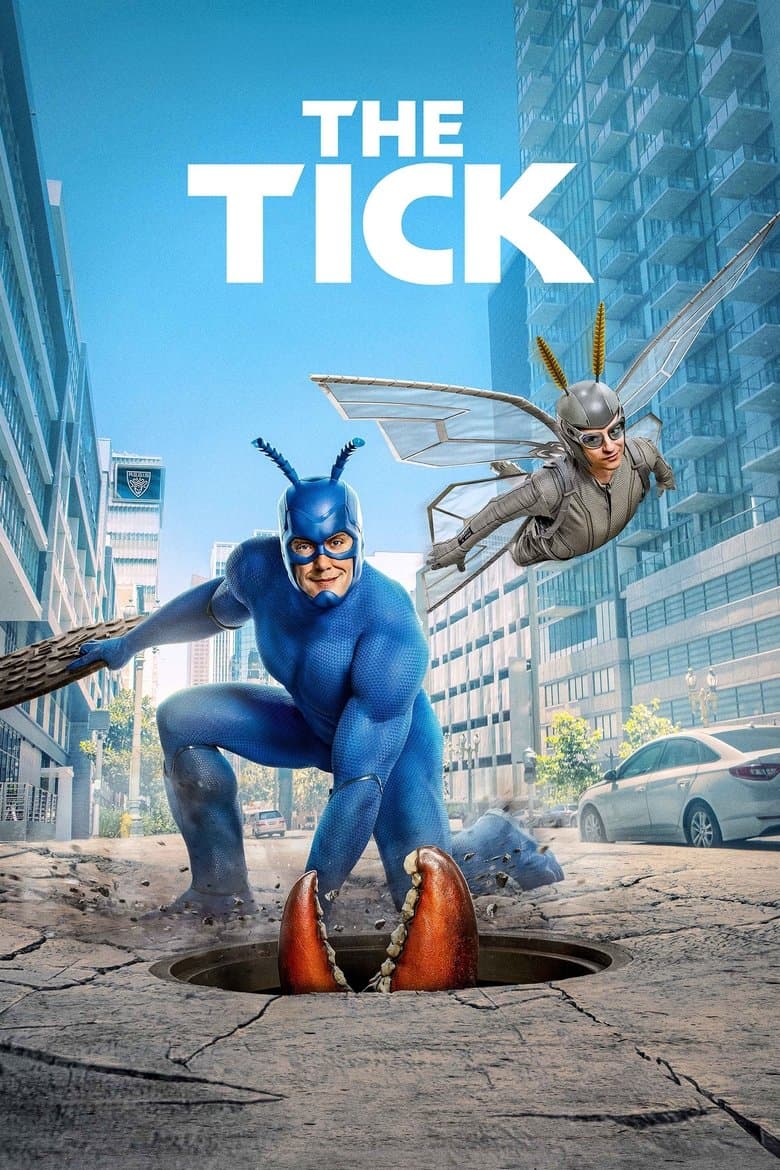
TV Show · 2016
In a world where superheroes have been real for decades, an accountant with zero powers comes to realize his city is owned by a super villain.
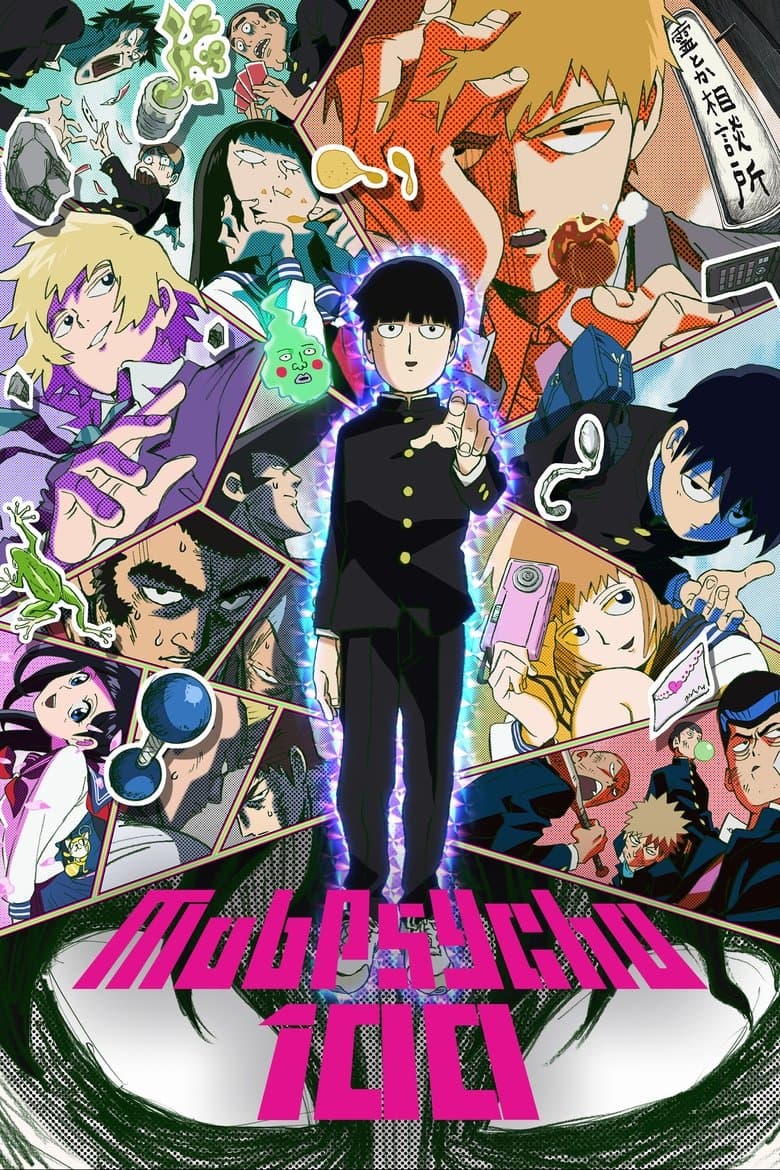
TV Show · 2016
Shigeo Kageyama, a.k.a. "Mob," is a boy who has trouble expressing himself, but who happens to be a powerful esper.
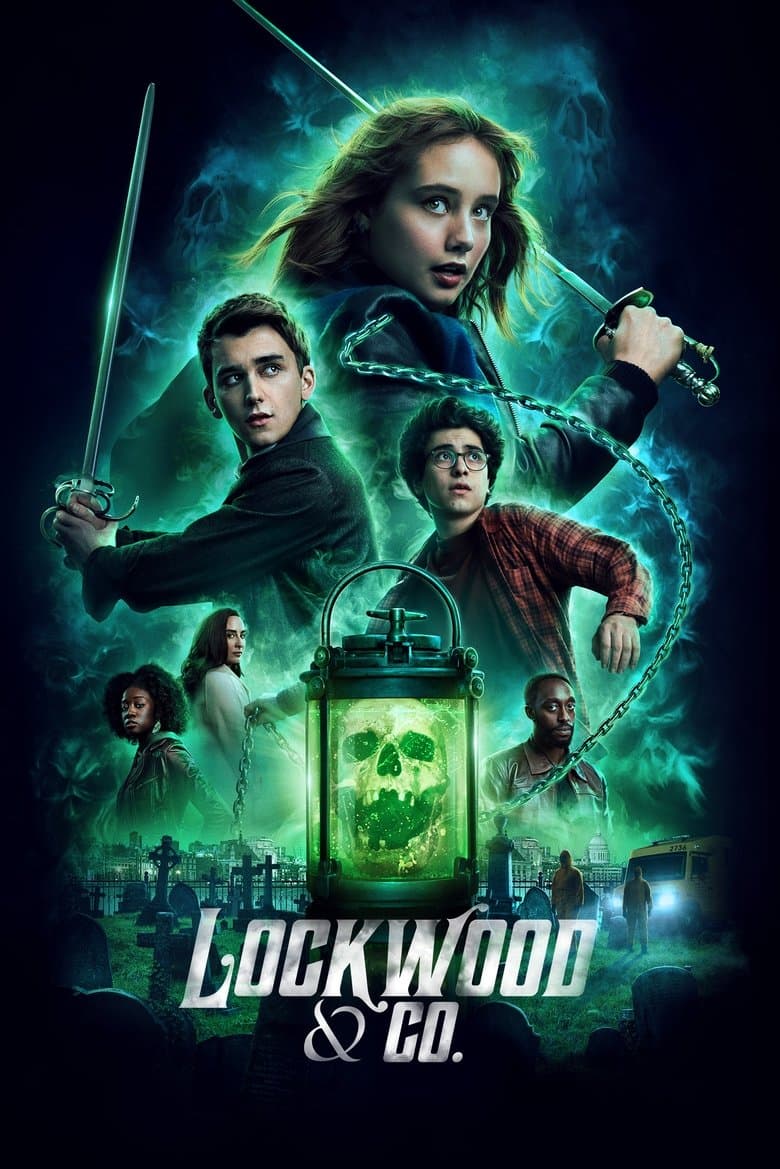
TV Show · 2023
A girl with extraordinary psychic abilities joins two gifted teen boys at a small ghost-hunting agency to fight the many deadly spirits haunting London.
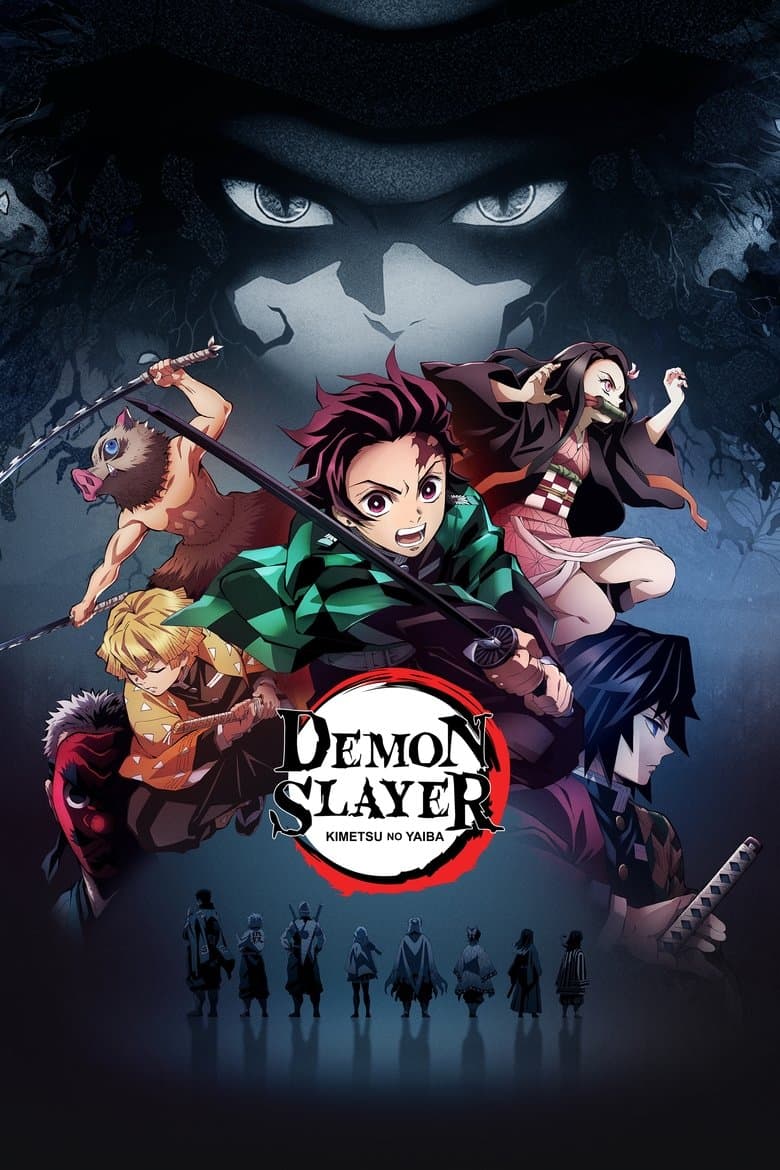
TV Show · 2019
After a demon attack leaves his family slain and his sister cursed, Tanjiro embarks upon a perilous journey to find a cure and avenge those he's lost.
TV Show · 2017
Asta and Yuno are two orphans who want the same thing: to become the Wizard King. Locked in a friendly rivalry, they work hard towards their goal.
