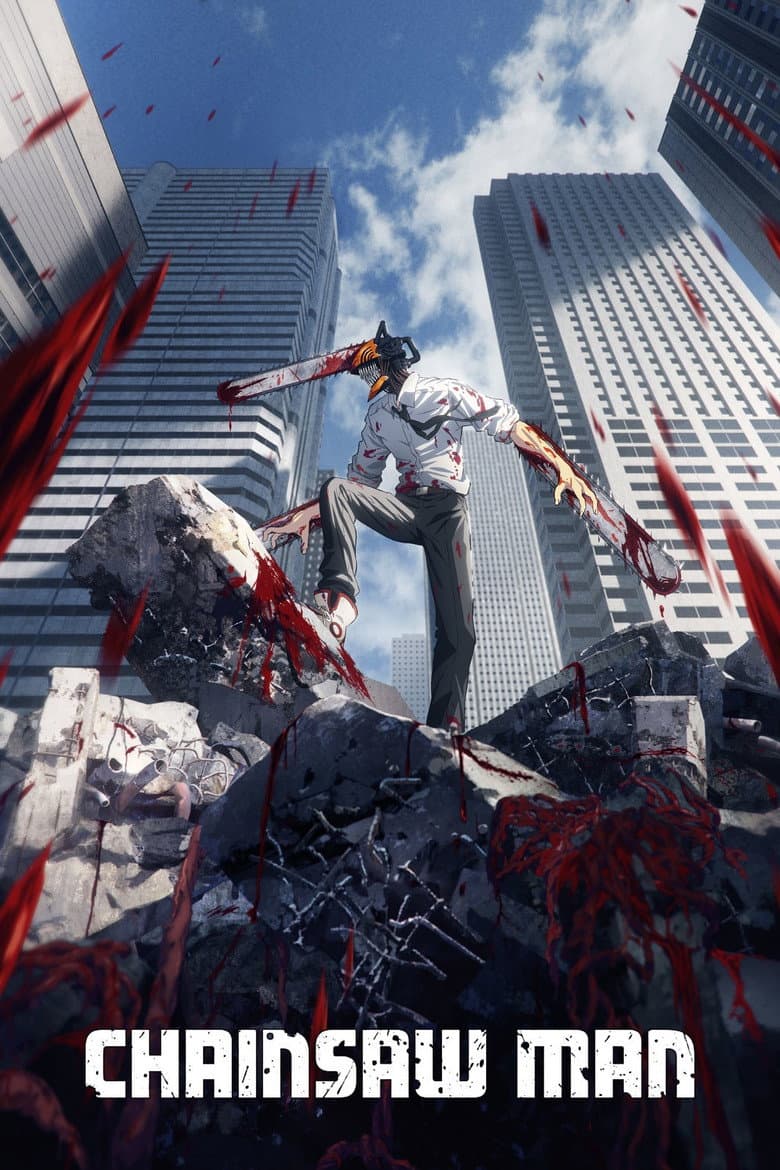
Started October 12, 2022 · Ended · Based on 1 season, 12 episodes through December 28, 2022 · TV-14 · 24 min · Japanese
Chainsaw Man follows Denji, a poor teenage devil hunter who lives in an alternate 1990s Japan. The yakuza force him to kill devils to repay his dead father’s debt, until his small chainsaw devil dog, Pochita, saves him by becoming his heart. Denji joins Japan’s Public Safety Devil Hunters and fights monsters while chasing food, comfort, friendship, and the attention of Makima, his boss. The season mixes bloody horror, crude jokes, sadness, and quiet scenes about grief, fear, and the wish for an ordinary life.
The season gives several women strong control over Denji’s life, but it does not build a message about female leadership or identity politics. Makima uses food, safety, work, and romantic hope to guide a teenage boy, while Power and Himeno also connect help or affection with sexual deals. The story treats these moments as manipulation and confusion, not as a lesson that one sex or group is better than another. Most of the season instead follows Denji, Aki, Power, and their coworkers as they face death, grief, loyalty, and the cost of using people as tools.
Community feedback
Was our 14% Woke rating accurate?
Breakdown
These are the editorial factors and ratings behind our score for Chainsaw Man.
Woke representation / casting
Not present. The season uses a mostly Japanese cast that fits its setting. It does not present its female characters as a diversity campaign.
0%
Woke political dialogue
Not present. The dialogue centers on devils, food, sex, work, grief, and survival. It has no repeated modern lines about DEI, identity politics, or activism.
0%
Identity-driven story themes
The season repeatedly places Denji under the control of powerful women. Makima uses his need for food, safety, work, and affection, while Power and Himeno also use sexual promises or pressure. The story presents these relationships as dangerous and empty, not as a call for gender politics. This is a mild gender and power thread inside a darker story about control and loneliness.
25%
Western institutional / cultural critique
Not present. The season shows the yakuza and Public Safety using people as tools. It treats this as personal abuse and monster-hunting conflict, not as a modern attack on capitalism, patriarchy, Christianity, or Western institutions.
0%
Woke character or canon changes
Not relevant. The anime keeps the manga’s main identities and hero roles. Its changes involve pacing, added scenes, and presentation rather than race, gender, sexuality, or identity.
0%
Anti-woke backlash and complaints
Not present. The main reported backlash targeted pacing, CGI, voice direction, and faithfulness to the manga. Those complaints were not about woke, DEI, identity politics, or left-wing messaging.
0%
Creator track record context
The only specific creator-context signals are the cached low scores of 11 for Hiroshi Seko and 15 for Takeru Sato. Those scores are weak and do not show an activist or DEI record. The other cached creators are scored 0, so creator history adds very little.
6%
Production
TV Show · 2016
Shigeo Kageyama, a.k.a. "Mob," is a boy who has trouble expressing himself, but who happens to be a powerful esper.
TV Show · 2024
In a world plagued by creatures known as Kaiju, Kafka Hibino aspired to enlist in The Defense Force. He makes a promise to enlist with his childhood friend, Mina Ashiro.
TV Show · 2024
They say whatever doesn’t kill you makes you stronger, but that’s not the case for the world’s weakest hunter Sung Jinwoo.
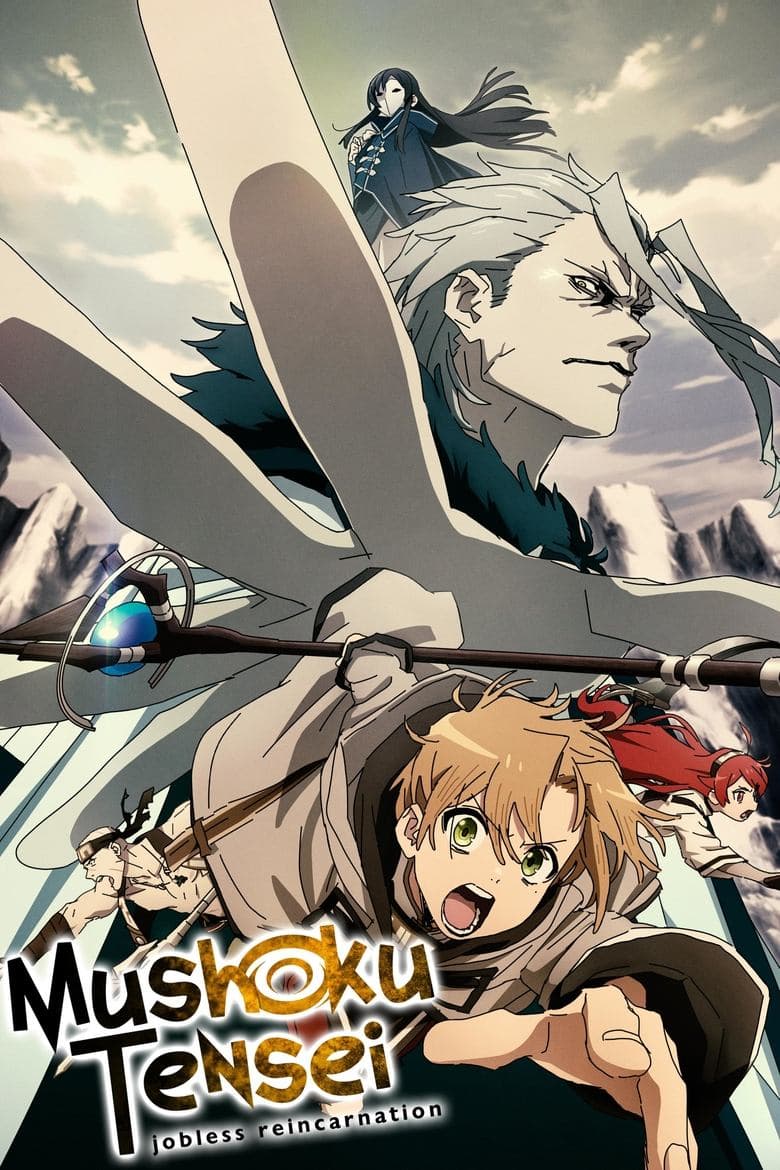
TV Show · 2021
When a 34-year-old underachiever gets run over by a truck, his story doesn't end there. Reincarnated in a new world as an infant, Rudy will seize every opportunity to live the…
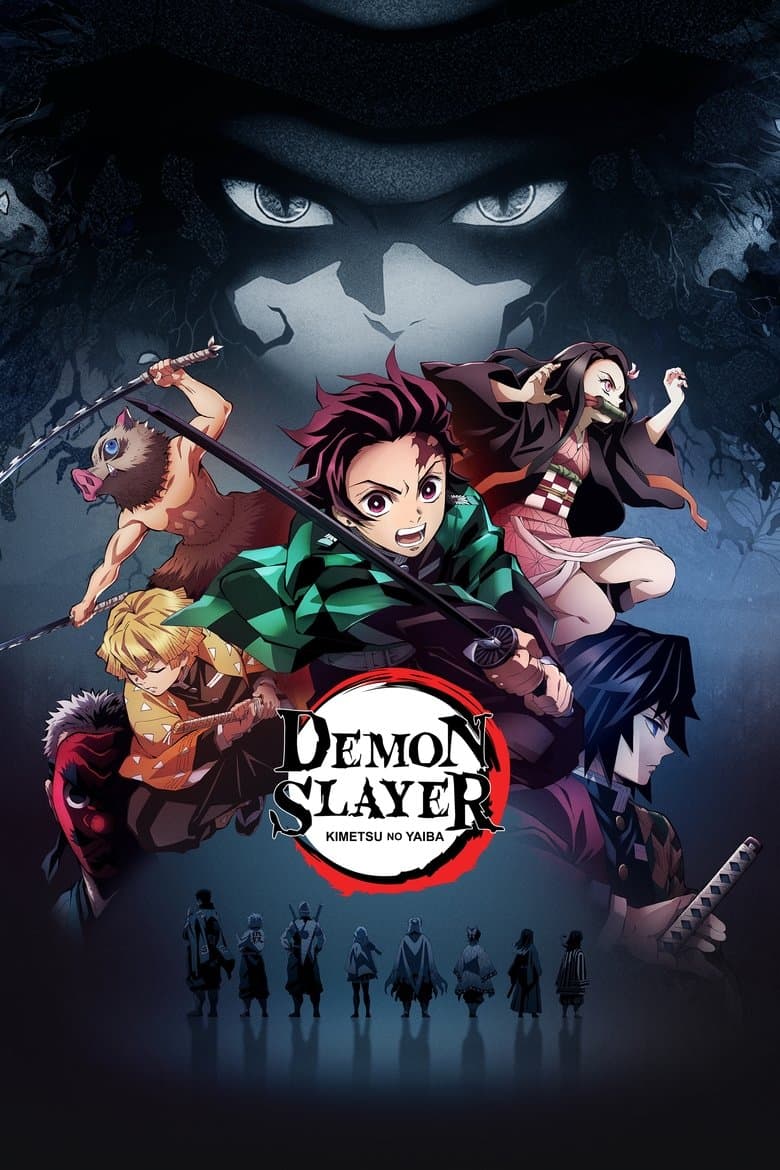
TV Show · 2019
After a demon attack leaves his family slain and his sister cursed, Tanjiro embarks upon a perilous journey to find a cure and avenge those he's lost.
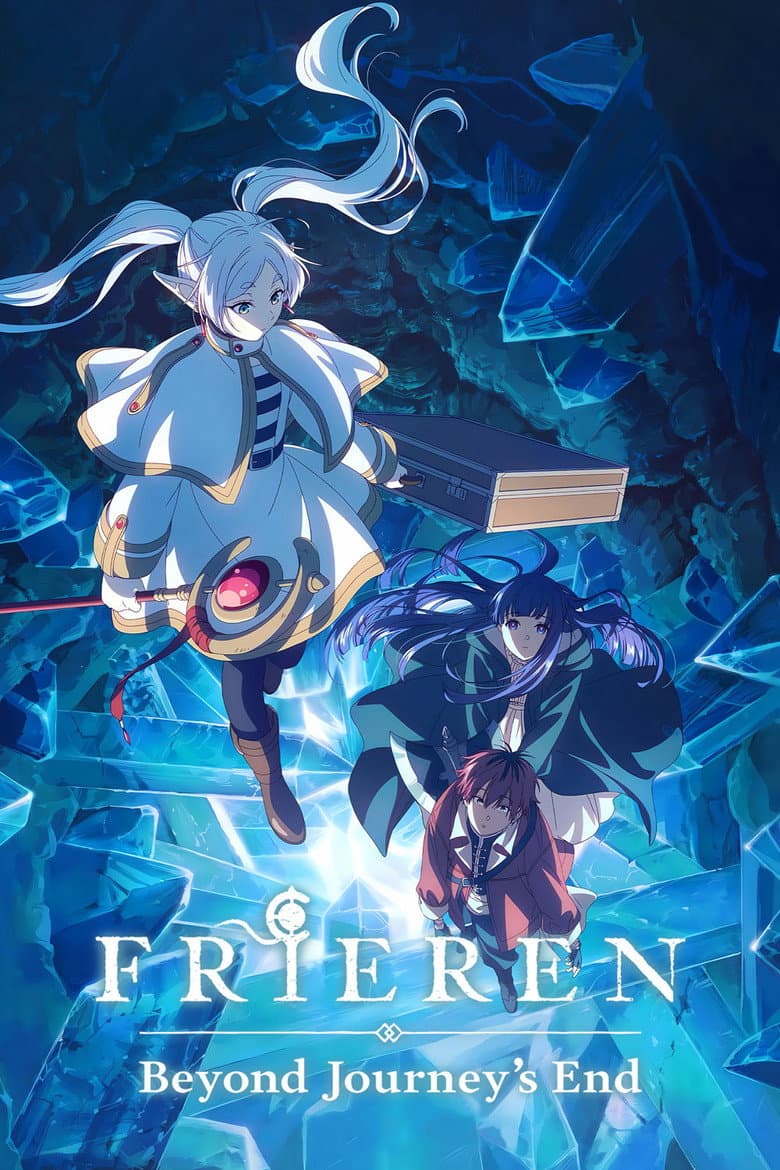
TV Show · 2023
After the party of heroes defeated the Demon King, they restored peace to the land and returned to lives of solitude.
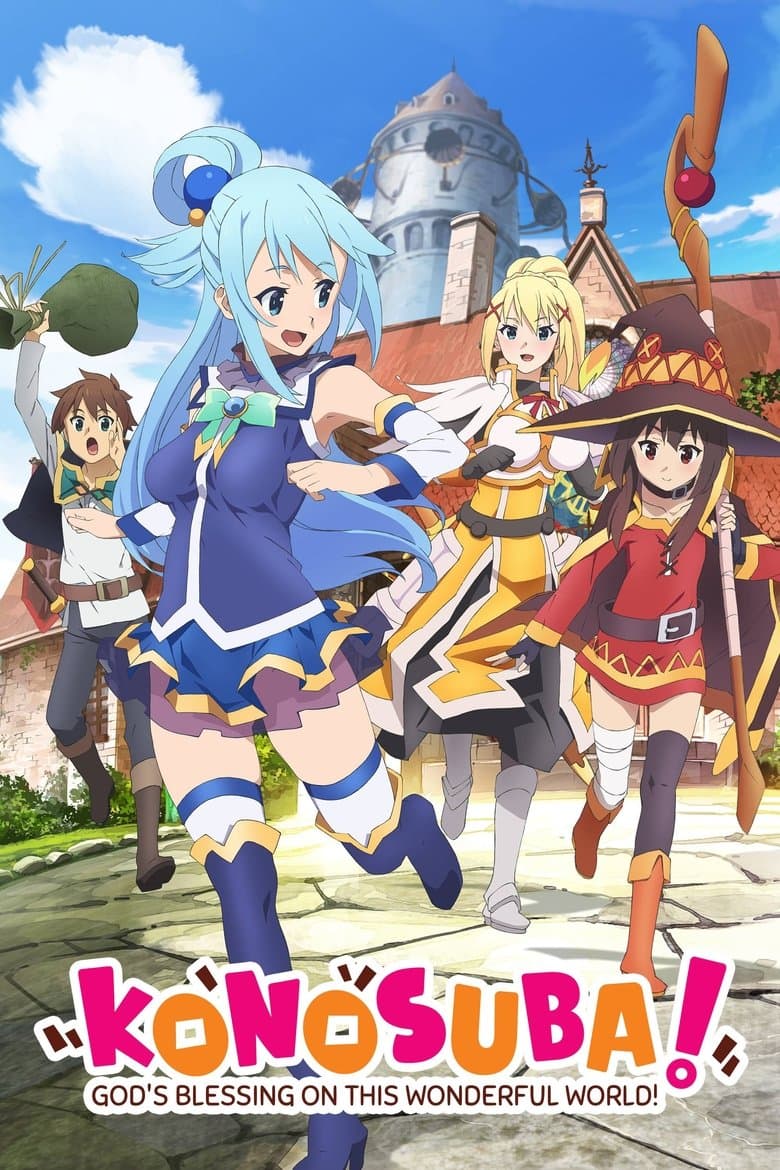
TV Show · 2016
After a traffic accident, Kazuma Sato’s disappointingly brief life was supposed to be over, but he wakes up to see a beautiful girl before him.
TV Show · 2022
After losing his home to a powerful enemy, a hot-tempered fighter trains under his zealous grandfather while awaiting his chance for revenge.
