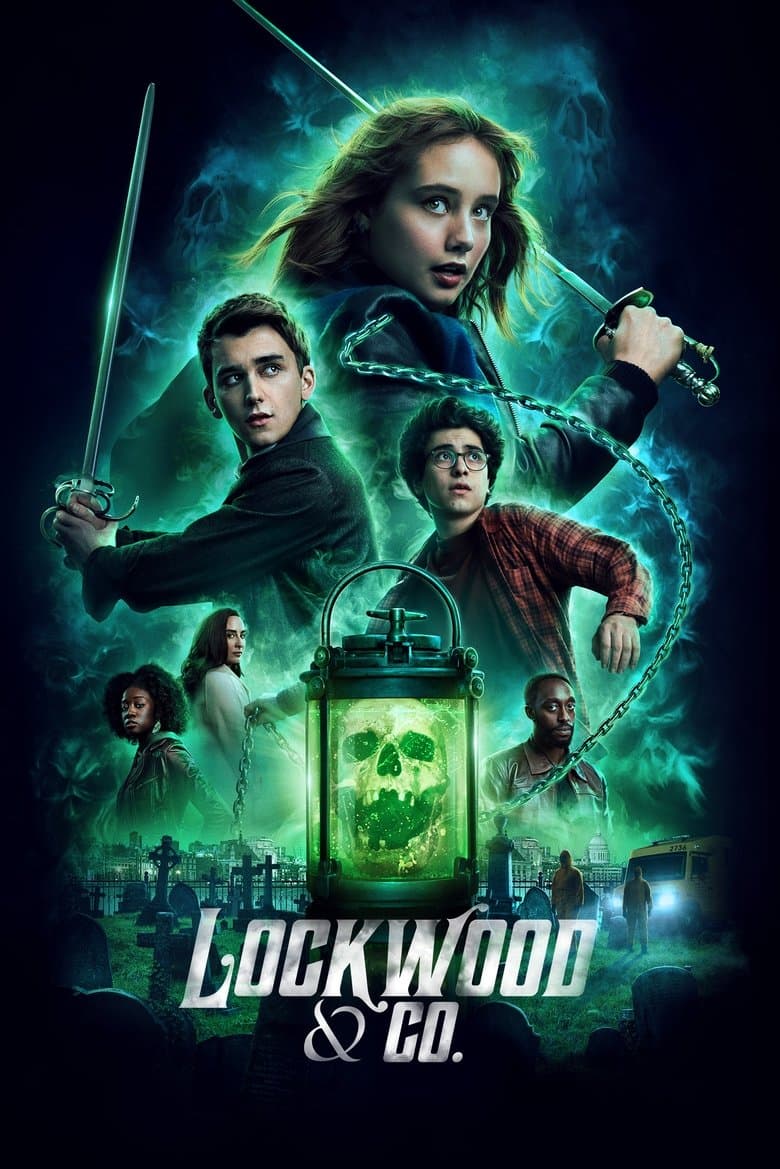
Started January 27, 2023 · Canceled · Based on 1 season, 8 episodes through January 27, 2023 · TV-14 · 43 min
Lockwood & Co. follows Lucy Carlyle, a teenager who can hear ghosts and escapes a harsh home in northern England. She joins Anthony Lockwood and George Karim, two gifted boys who run a small ghost-hunting agency in an alternate London. Only children can see the deadly spirits, so the three teens face dangerous jobs, adult-run companies, and a mystery tied to the ghost outbreak. The show mixes scary hauntings, sword fights, jokes, friendship, trauma, and a hint of romance.
Lucy is the clearest hero, and the show gives her unusual psychic skill, courage, and control of key fights. The main group includes people from different backgrounds, with a highly gifted girl at its center. The teens reject adult agencies because those companies use children for dangerous work and hide the truth about the ghosts. This creates a mild young people versus establishment message, but the story stays focused on ghosts, secrets, loyalty, and survival.
Community feedback
Was our 26% Woke rating accurate?
Breakdown
These are the editorial factors and ratings behind our score for Lockwood & Co..
Woke representation / casting
The show changes the book character George Cubbins to George Karim and places him in the main trio. The series also centers Lucy as a highly gifted and brave girl, while black actors play important agency and government roles. Modern London can plausibly support this cast, and no diversity-first campaign was found. The visible source-character change gives this a low score rather than zero.
20%
Woke political dialogue
Several scenes present adult agencies as using gifted children for dangerous work. The teens act as if older leaders ignore their views and hide the truth. The rebellion against adult control is a mild political idea, but the dialogue does not discuss race, sexuality, party politics, or modern activist causes.
15%
Identity-driven story themes
Not present. The season does not make race, sexuality, or group identity a central story theme. Lucy’s talent and independence are character traits within a ghost adventure.
0%
Western institutional / cultural critique
The show repeatedly treats adult-run ghost agencies as systems that use children and protect their own power. Lockwood & Co. presents its teen-run business as freer because it has no adult boss. The conflict gives the season a mild anti-establishment message. The story does not attack Christianity, family life, traditional gender roles, or real-world capitalism.
24%
Woke character or canon changes
Not relevant. George’s surname changes from Cubbins in the books to Karim on screen, but coverage treats this as an adaptation choice linked to casting. No identity-based message or public DEI reason is attached to the change.
0%
Anti-woke backlash and complaints
A tiny right-leaning account praised the show for having no gay content and blamed Netflix for canceling it in favor of a gayer replacement. Another tiny account called it not woke without naming a political complaint. Wider discussion centered on fans trying to save the show, with no repeated complaints about race swaps, DEI casting, girlboss writing, or anti-male themes.
10%
Creator track record context
Joe Cornish has mild context from work that gave more humanity to marginalized working-class teenagers. Joy Wilkinson, Ed Hime, and Kara Smith have past work involving women-centered, queer, or diverse characters. Nira Park has supported underrepresented talent. Jonathan Stroud, Catherine Morshead, and Rachael Prior add little direct identity activism, while William McGregor’s known political work is mainly class focused.
25%
Production
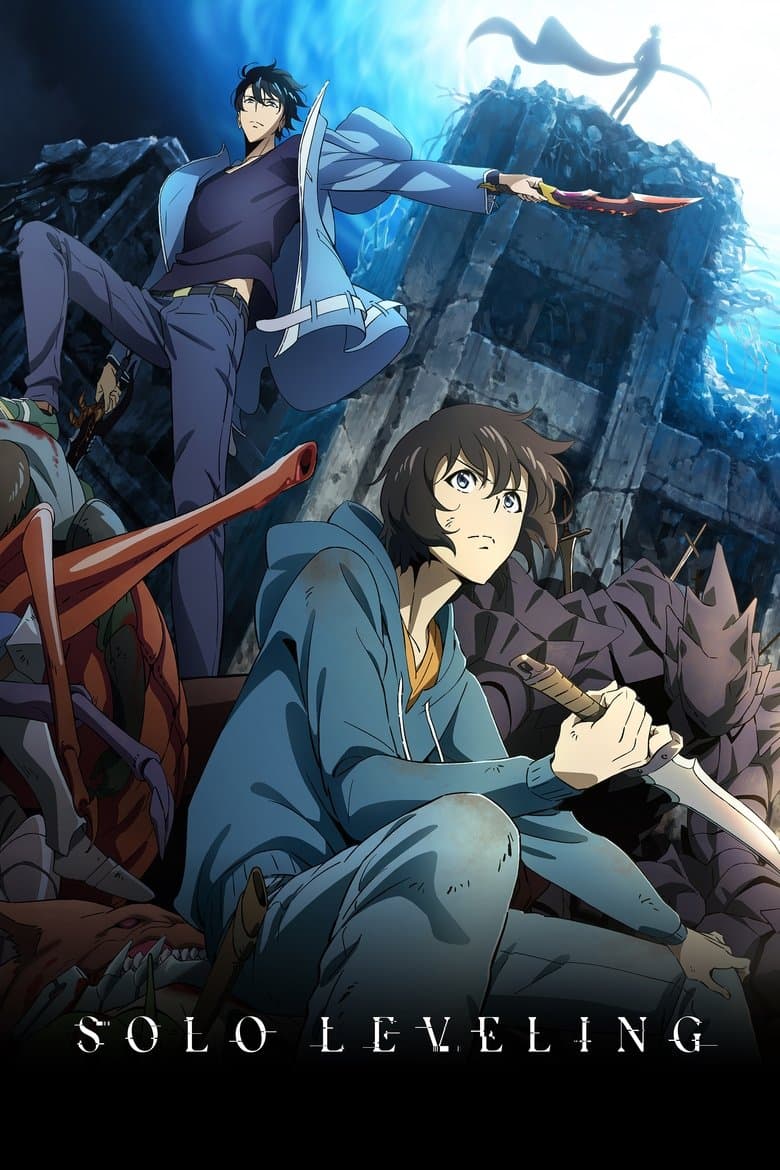
TV Show · 2024
They say whatever doesn’t kill you makes you stronger, but that’s not the case for the world’s weakest hunter Sung Jinwoo.
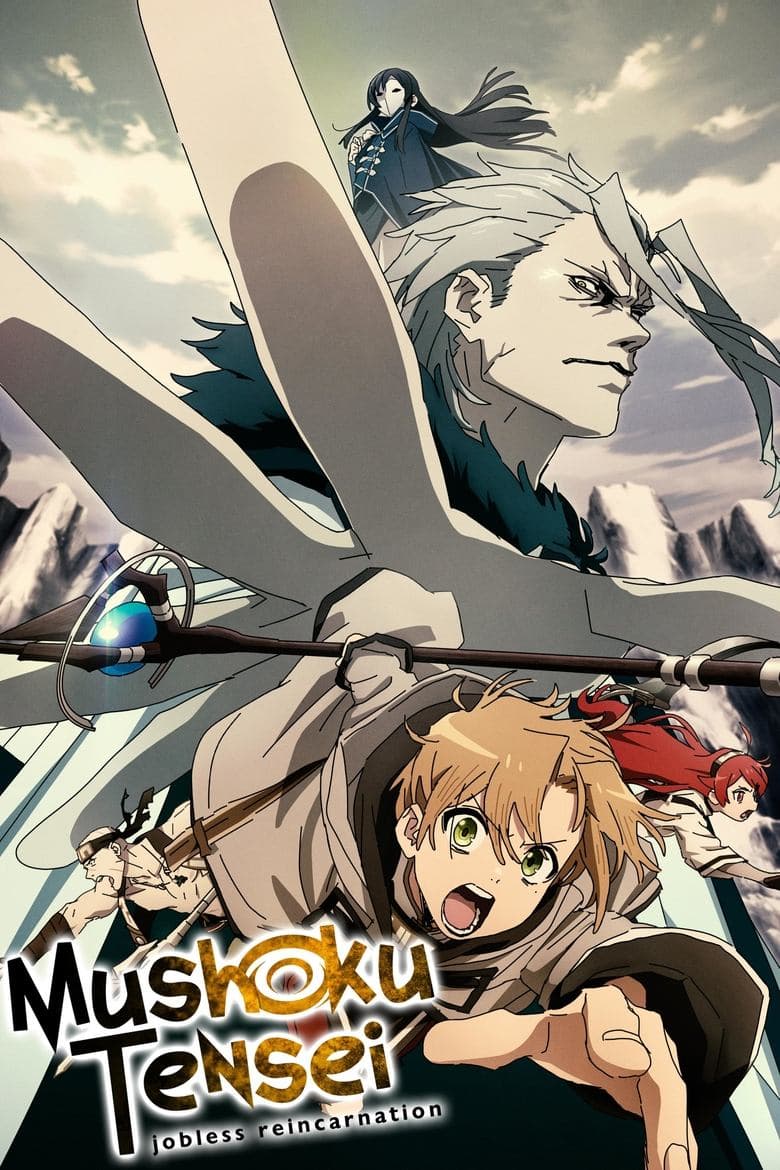
TV Show · 2021
When a 34-year-old underachiever gets run over by a truck, his story doesn't end there. Reincarnated in a new world as an infant, Rudy will seize every opportunity to live the…
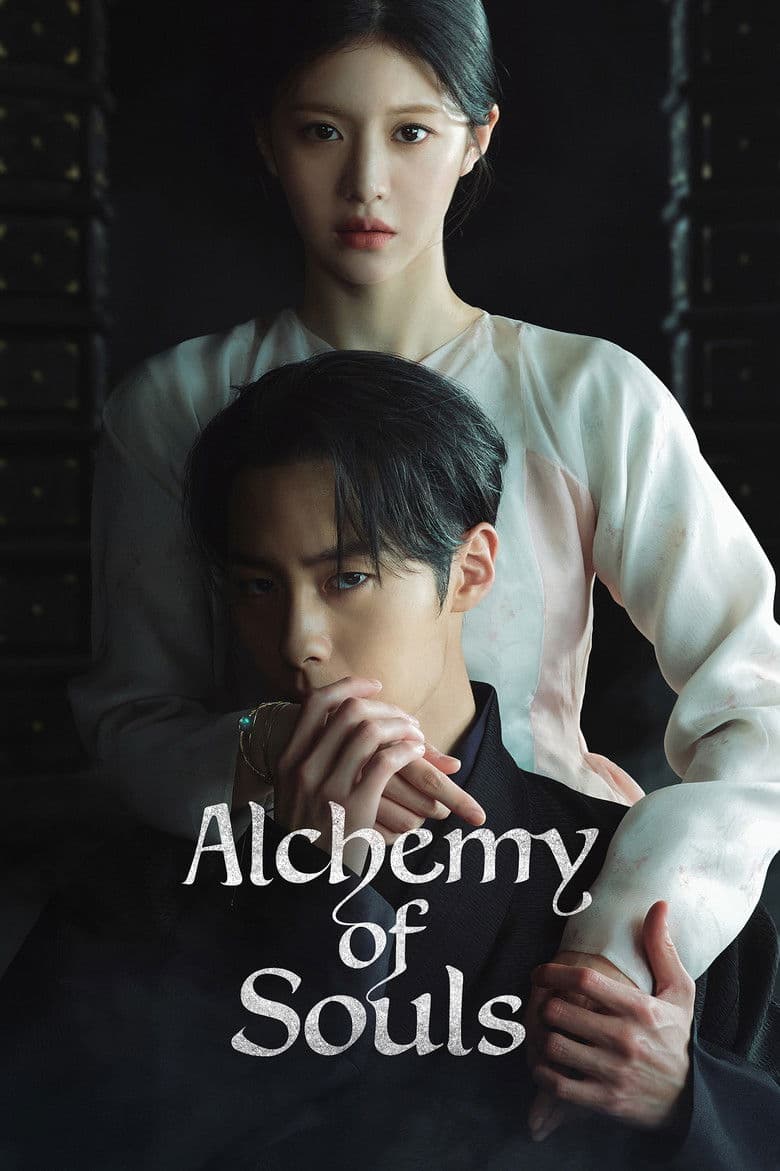
TV Show · 2022
A powerful sorceress in a blind woman's body encounters a man from a prestigious family, who wants her help to change his destiny.
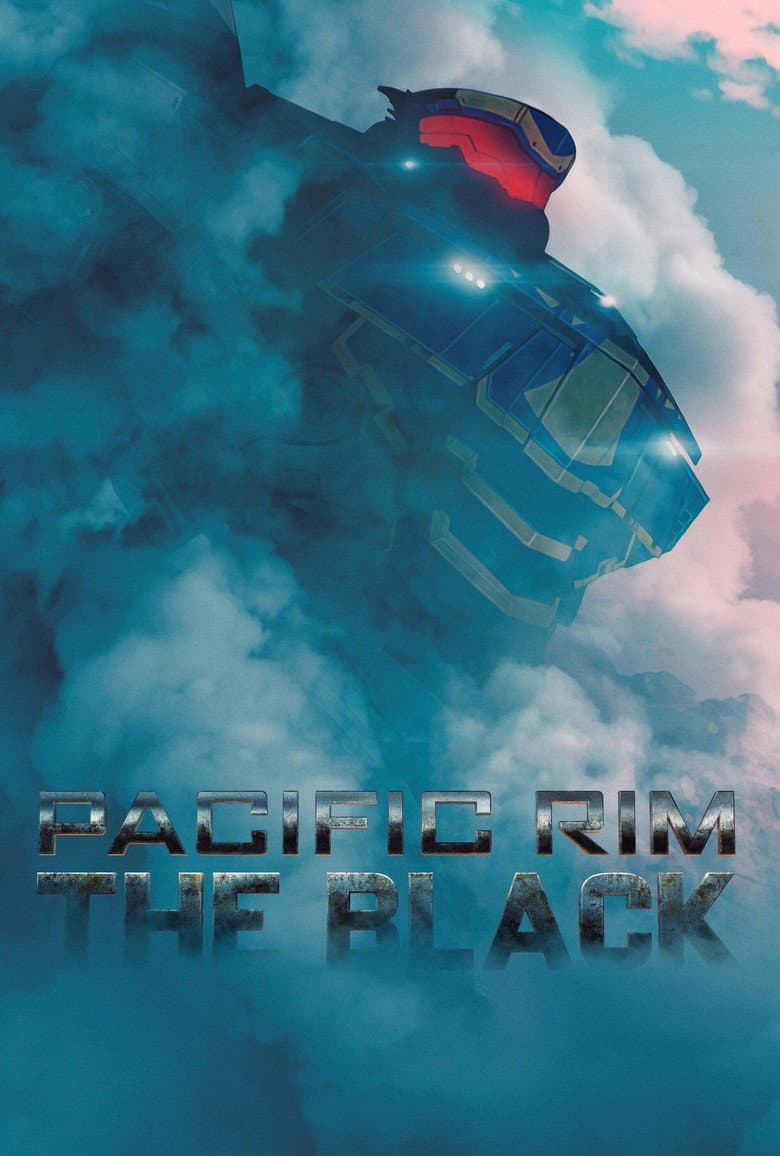
TV Show · 2021
Two siblings - an idealistic teenage boy and his naive younger sister - are forced to pilot an abandoned Jaeger across a hostile landscape in a desperate attempt to find their…
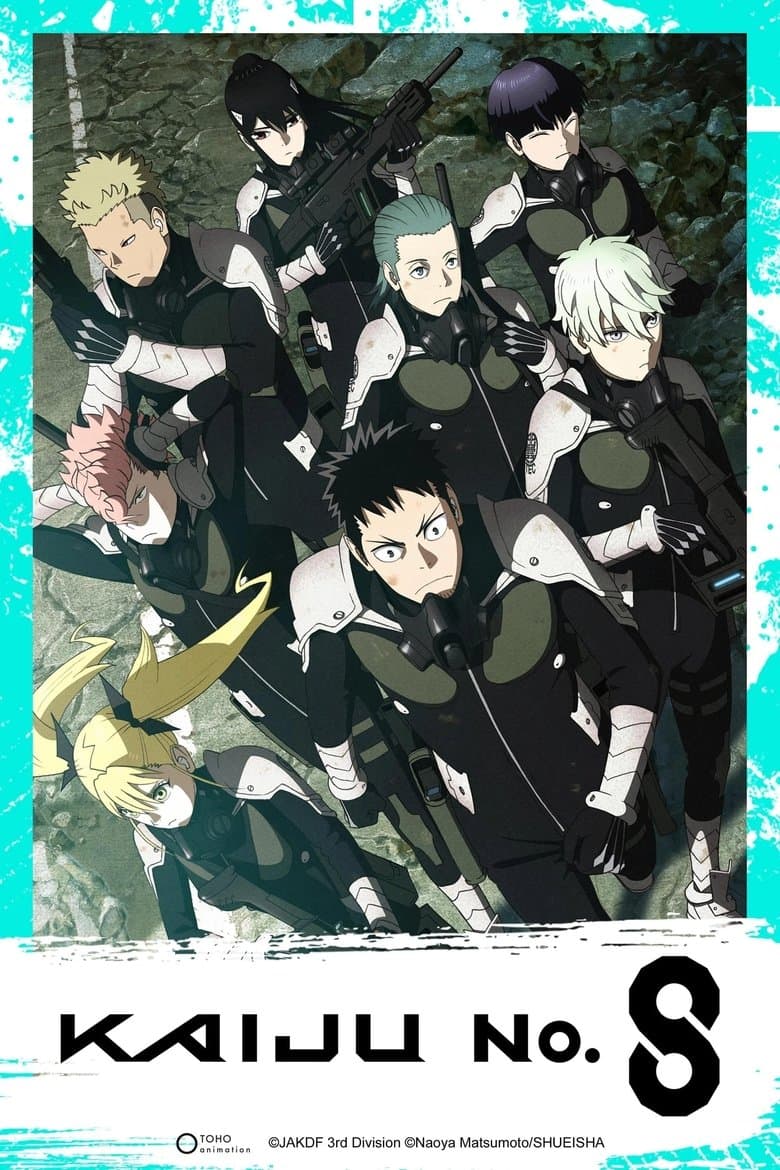
TV Show · 2024
In a world plagued by creatures known as Kaiju, Kafka Hibino aspired to enlist in The Defense Force. He makes a promise to enlist with his childhood friend, Mina Ashiro.
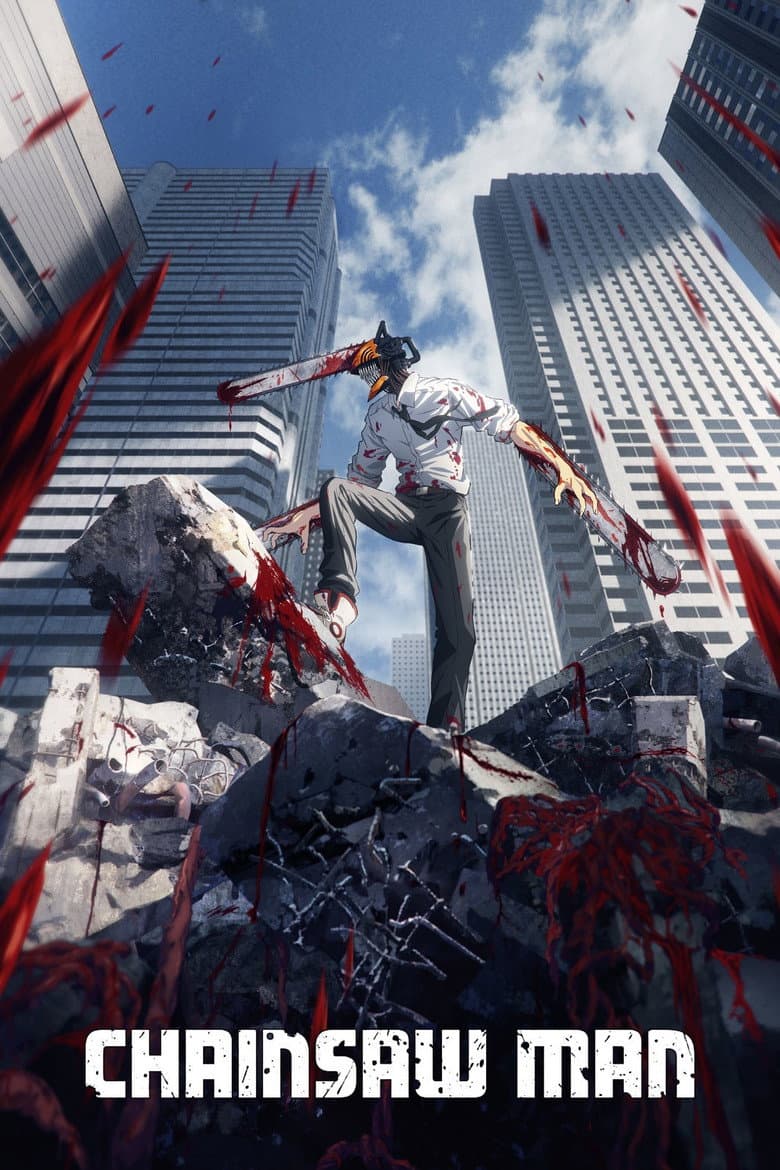
TV Show · 2022
Denji has a simple dream—to live a happy and peaceful life, spending time with a girl he likes. This is a far cry from reality, however, as Denji is forced by the yakuza into…
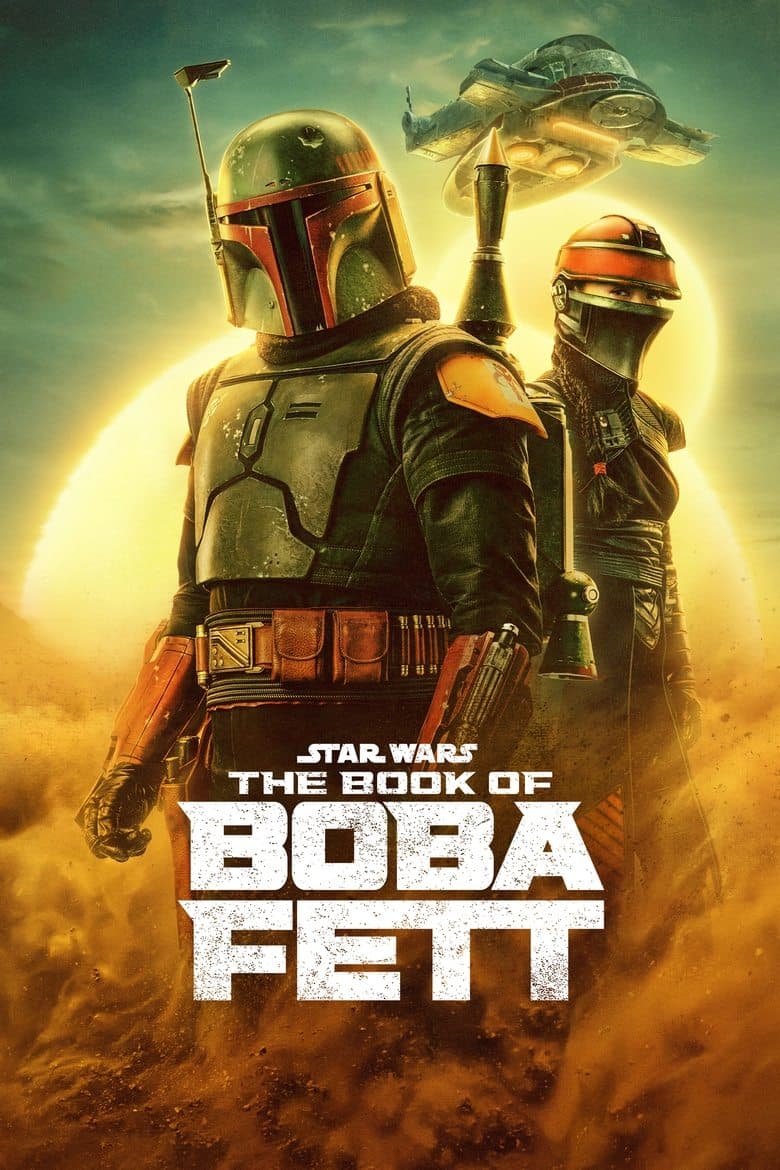
TV Show · 2021
Legendary bounty hunter Boba Fett and mercenary Fennec Shand must navigate the galaxy’s underworld when they return to the sands of Tatooine to stake their claim on the territory…
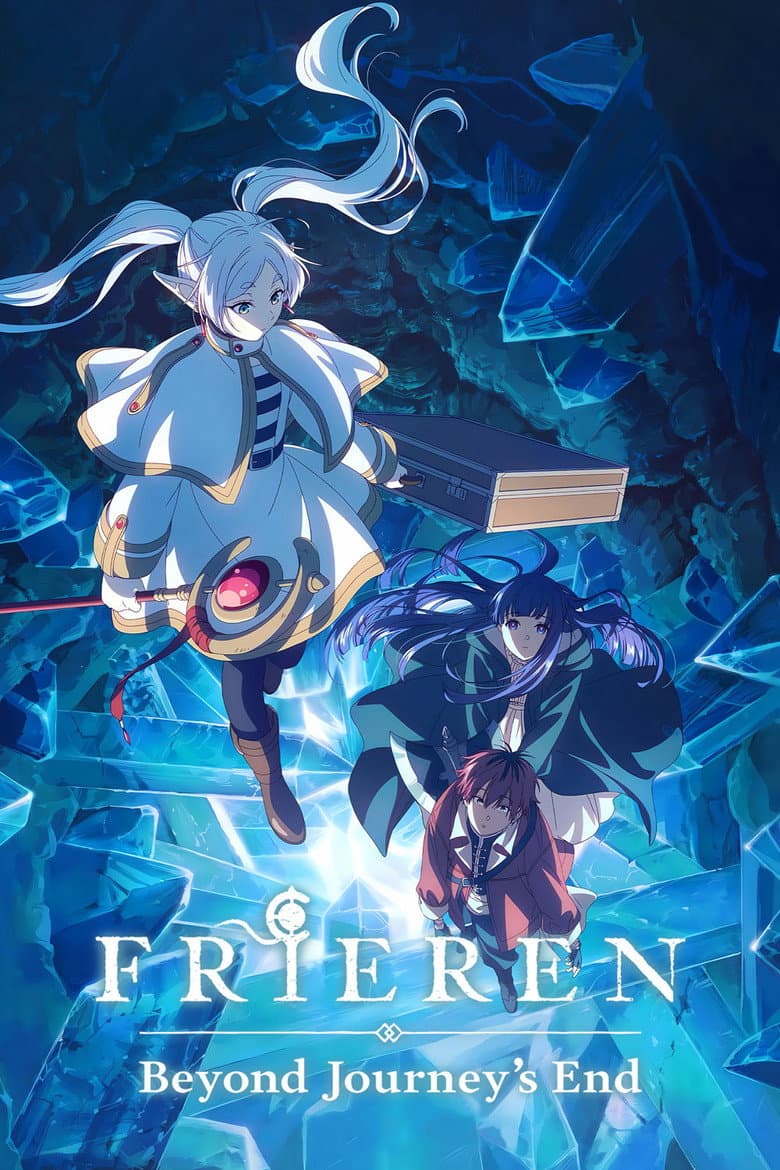
TV Show · 2023
After the party of heroes defeated the Demon King, they restored peace to the land and returned to lives of solitude.
