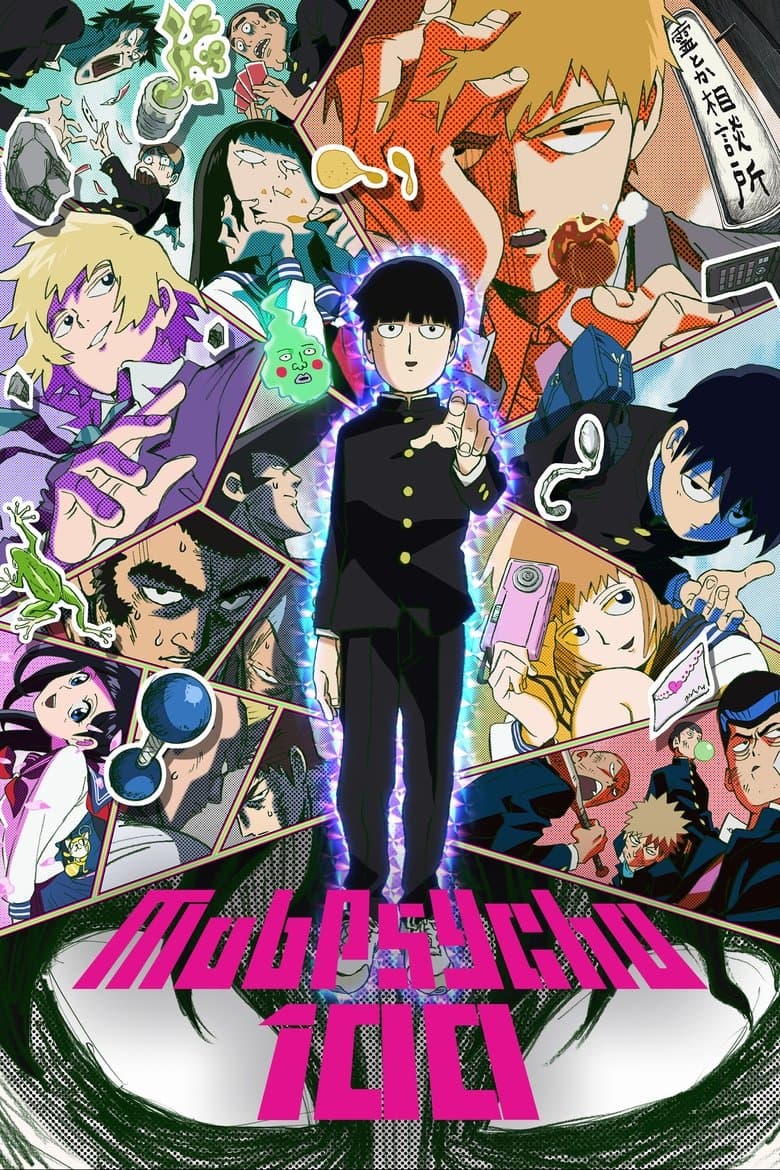
Started July 12, 2016 · Ended · Based on 3 seasons, 37 episodes through December 22, 2022 · TV-14 · 24 min · Japanese
Shigeo Kageyama, called Mob, is a quiet middle school boy with huge psychic power. He works after school for Reigen Arataka, a fake spirit expert who sends him to deal with ghosts and dangerous psychics. Mob wants an ordinary life, better social skills, and the courage to tell Tsubomi how he feels. Across three seasons, school problems, family tension, rival psychics, criminal groups, spirits, and a false cult push his emotions toward a dangerous breaking point. The show mixes wild fights, strange comedy, fear, and warm friendship.
Mob Psycho 100 mainly follows Mob as he learns that great power does not make him better than other people. The story treats kindness, honest friendship, self-control, exercise, work, and emotional honesty as stronger answers than pride or domination. The later seasons make his fear of adulthood, his wish to choose his own future, his friendship with Reigen and Dimple, and his rejection by Tsubomi more important. The final season turns his bottled-up feelings into a battle with a hidden part of himself, then resolves the conflict through truth, apology, and acceptance.
Community feedback
Was our 1% Woke rating accurate?
Breakdown
These are the editorial factors and ratings behind our score for Mob Psycho 100.
Woke representation / casting
Not present. The show uses a Japanese school and town setting, and it does not build a diverse identity lineup. It does not frame casting as a representation message.
0%
Woke political dialogue
Not present. The dialogue focuses on school life and psychic powers. It also focuses on friendship, fear, and personal growth. It does not use modern identity, DEI, or activist speeches.
0%
Identity-driven story themes
Not present. Mob learns to accept his emotions and control his powers. The story presents this as personal growth, not as a current identity or activist message.
0%
Western institutional / cultural critique
Not present. The show attacks psychic cults, fake spiritual businesses, and people who abuse power. It does not turn those conflicts into modern Western criticism of gender roles, Christianity, capitalism, or family life.
0%
Woke character or canon changes
Not relevant. The anime keeps the established setting and main character identities from ONE's manga. The story does not change a known character's race, gender, sexuality, or hero role.
0%
Anti-woke backlash and complaints
A fringe online post called the show “woke” because Mob refuses to treat psychic talent as proof that some people are better than others. Reddit users discussed the post and mostly called it satire, bait, or a serious misunderstanding of the story. No sustained anti-woke campaign or major news report focused on the show's politics. The season three English-dub dispute concerned union talks, not woke content.
3%
Creator track record context
Not present. The listed creators are mainly craft-focused Japanese animation professionals. No sustained political, DEI, representation, or activist pattern is documented among the key creators.
0%
Production
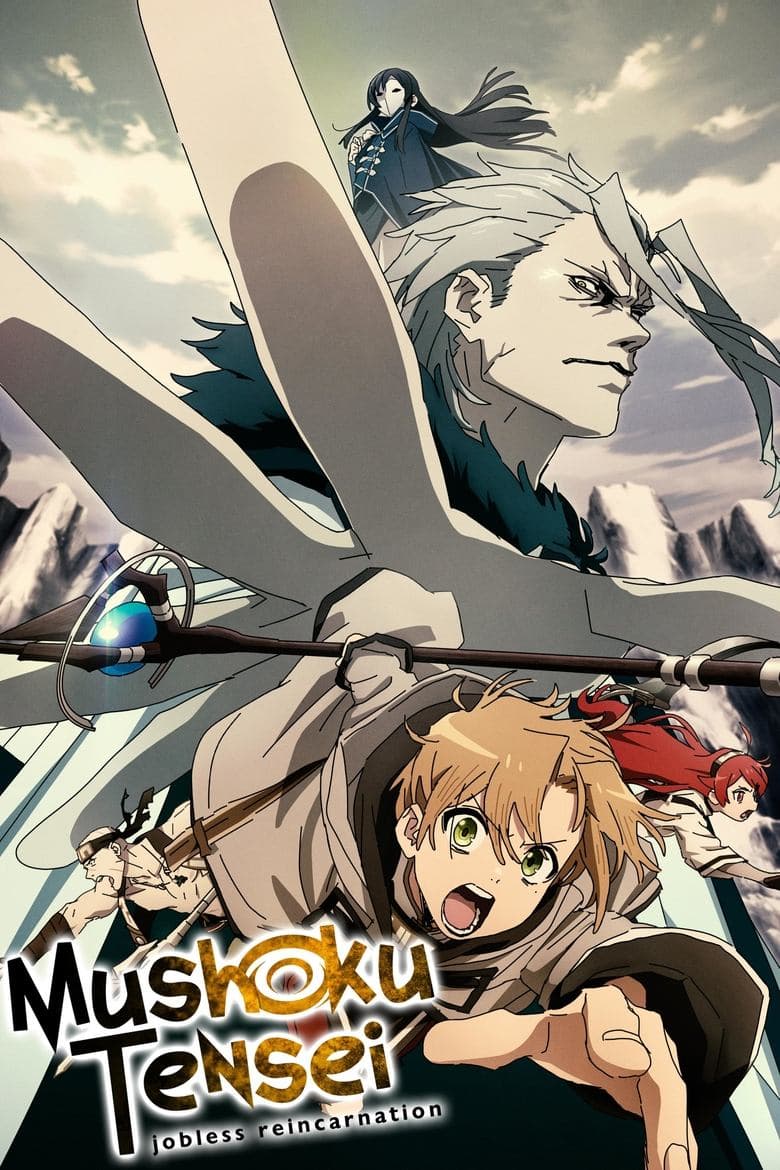
TV Show · 2021
When a 34-year-old underachiever gets run over by a truck, his story doesn't end there. Reincarnated in a new world as an infant, Rudy will seize every opportunity to live the…
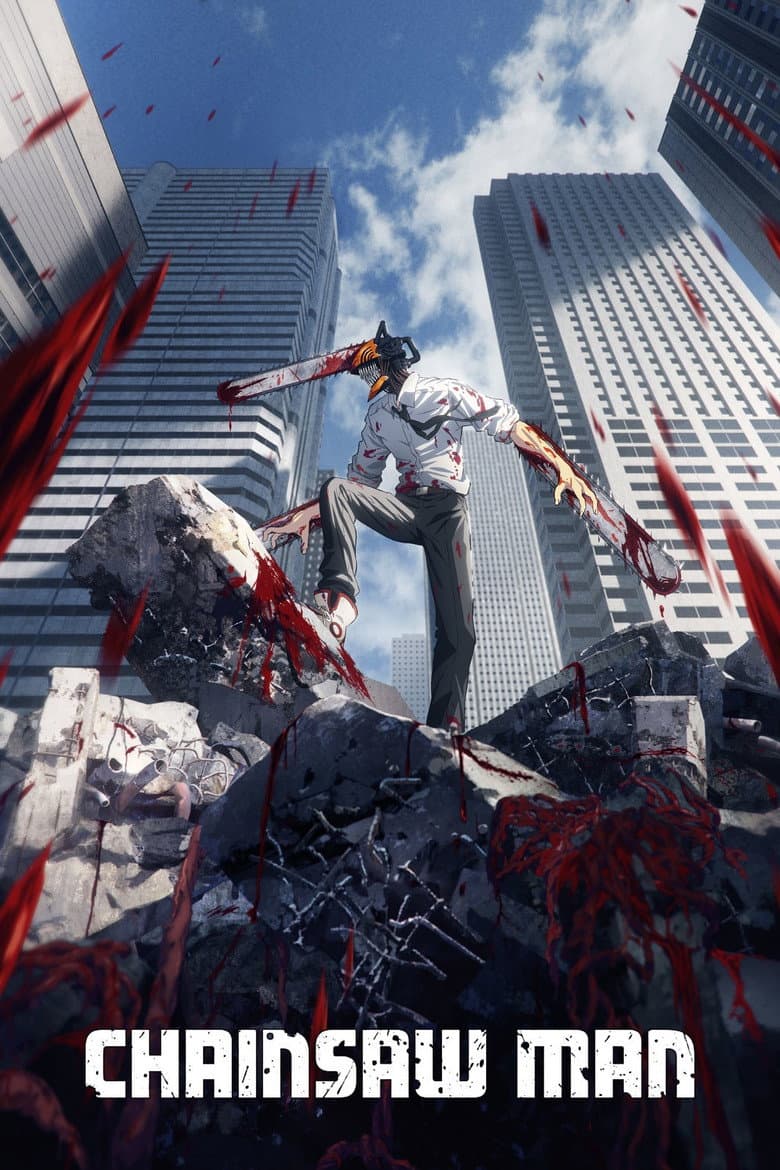
TV Show · 2022
Denji has a simple dream—to live a happy and peaceful life, spending time with a girl he likes. This is a far cry from reality, however, as Denji is forced by the yakuza into…
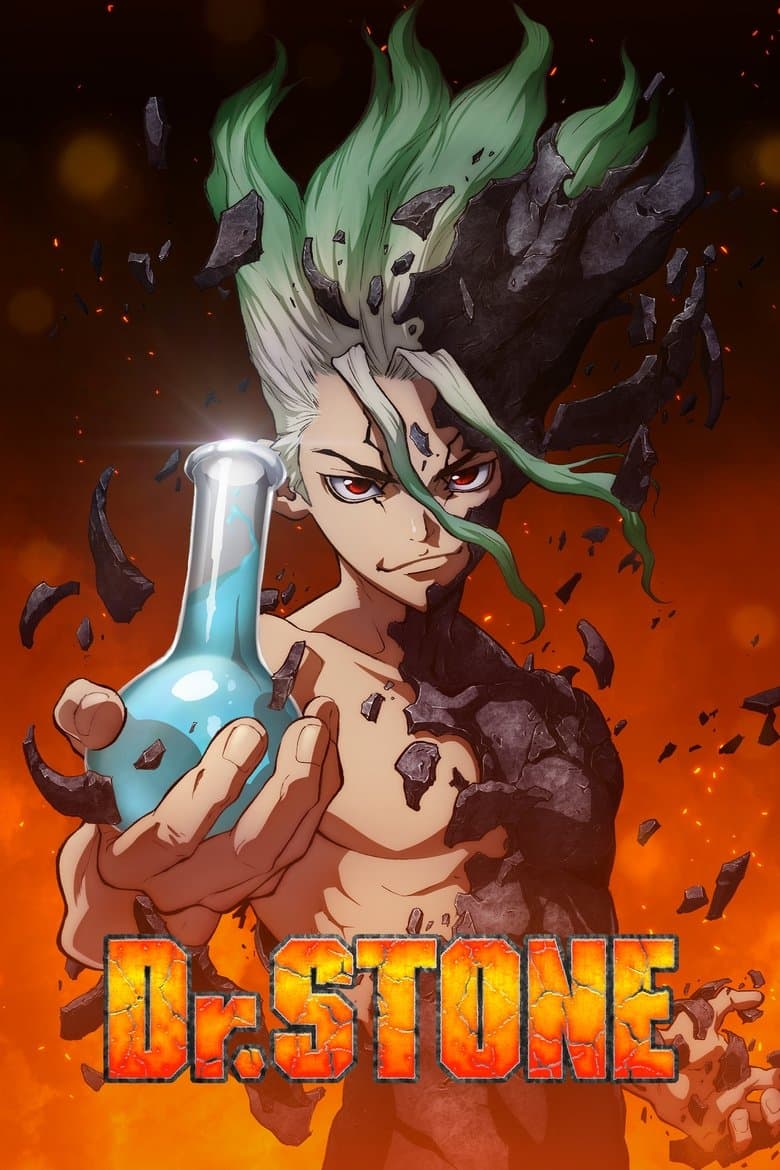
TV Show · 2019
One fateful day, all of humanity was petrified by a blinding flash of light. After several millennia, high schooler Taiju awakens and finds himself lost in a world of statues.
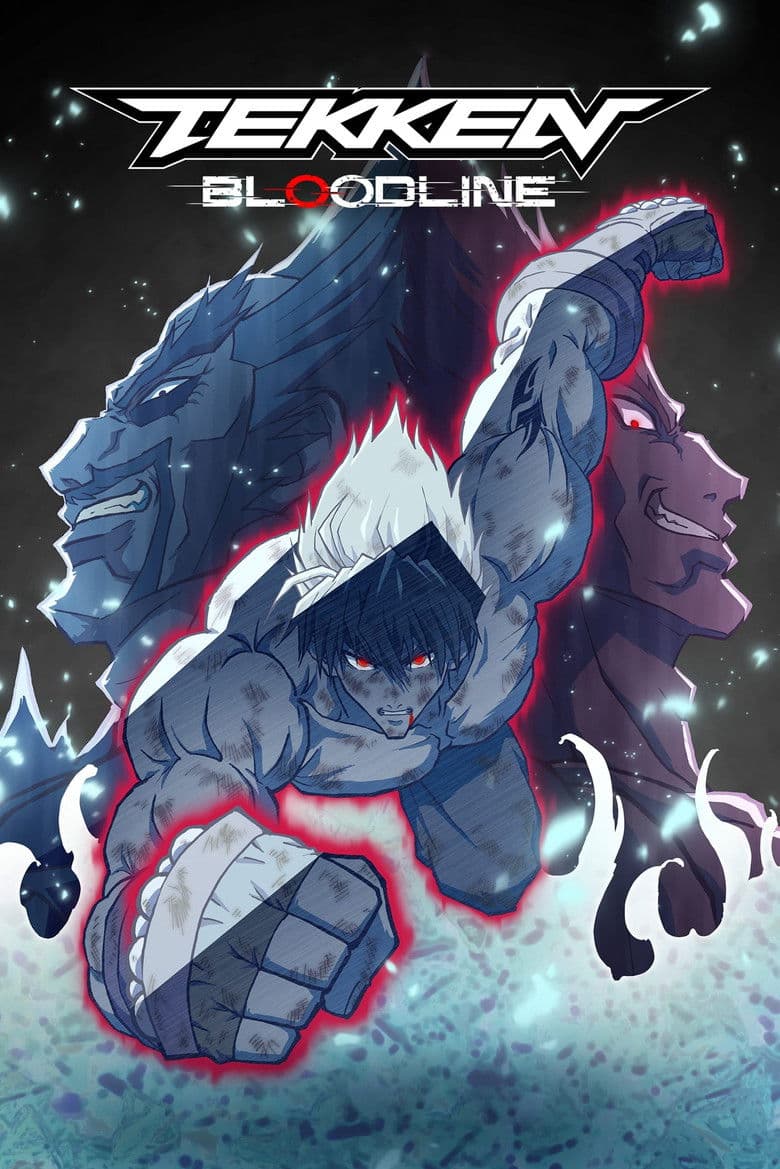
TV Show · 2022
After losing his home to a powerful enemy, a hot-tempered fighter trains under his zealous grandfather while awaiting his chance for revenge.
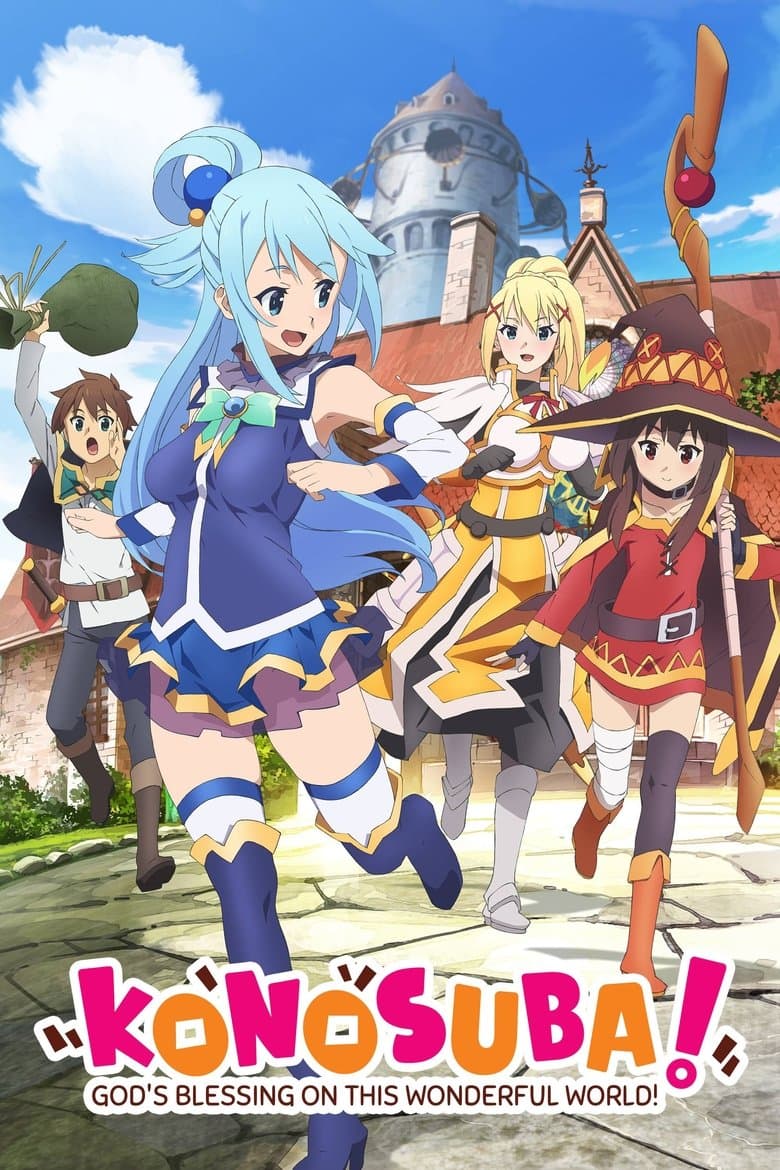
TV Show · 2016
After a traffic accident, Kazuma Sato’s disappointingly brief life was supposed to be over, but he wakes up to see a beautiful girl before him.
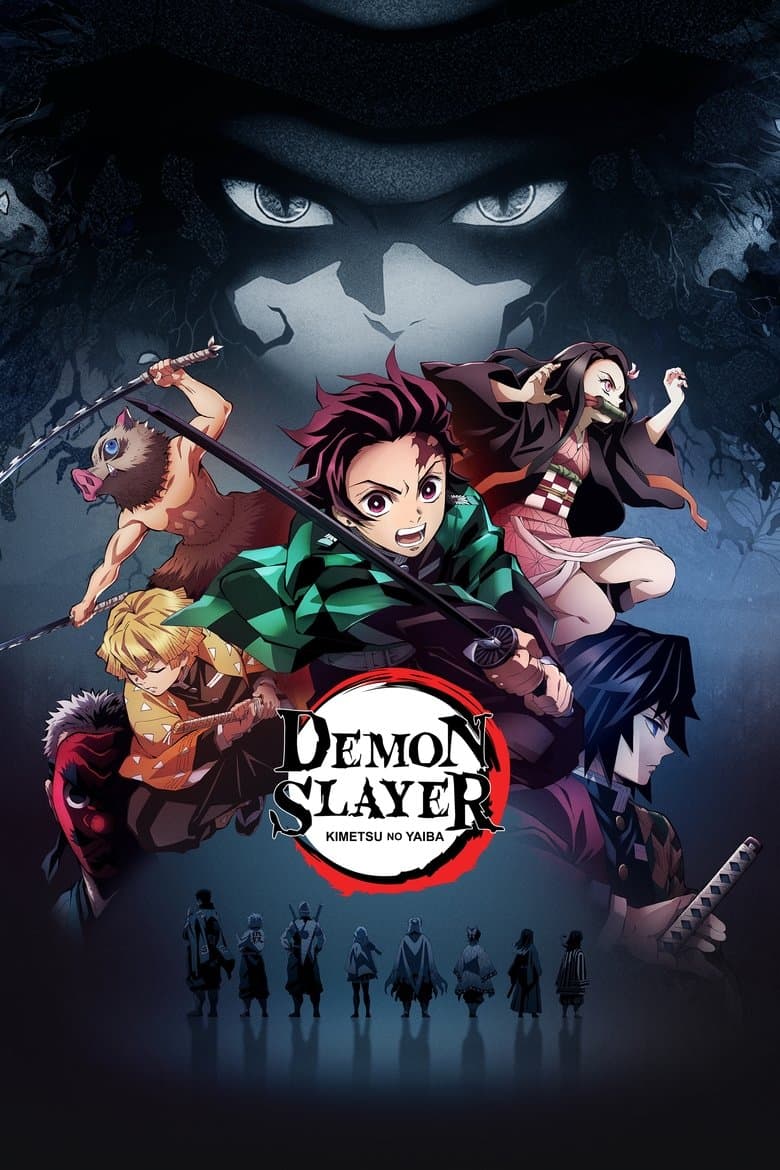
TV Show · 2019
After a demon attack leaves his family slain and his sister cursed, Tanjiro embarks upon a perilous journey to find a cure and avenge those he's lost.
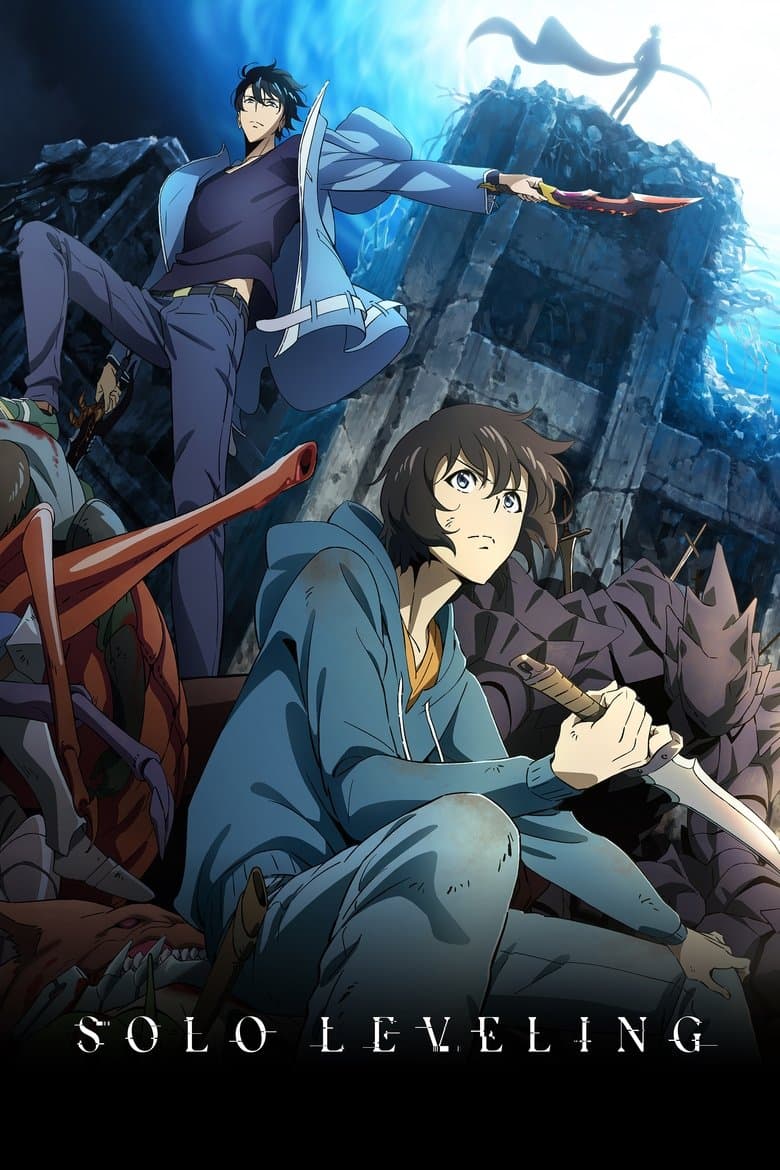
TV Show · 2024
They say whatever doesn’t kill you makes you stronger, but that’s not the case for the world’s weakest hunter Sung Jinwoo.
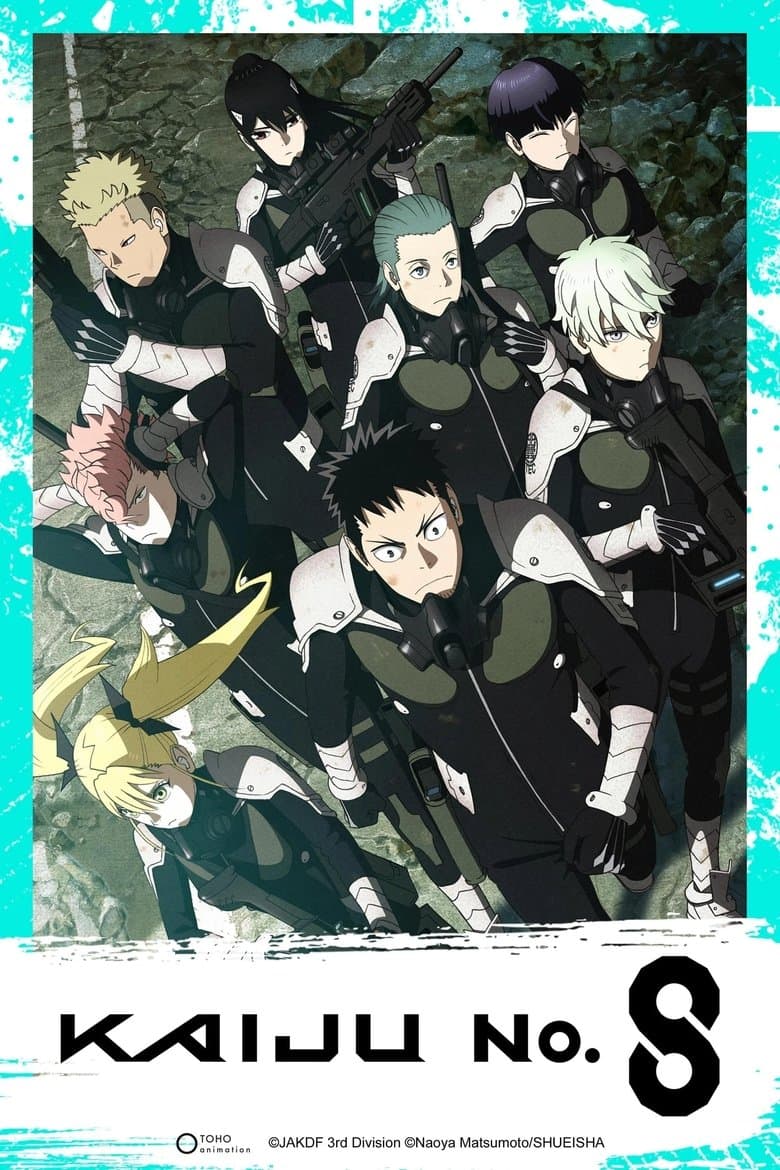
TV Show · 2024
In a world plagued by creatures known as Kaiju, Kafka Hibino aspired to enlist in The Defense Force. He makes a promise to enlist with his childhood friend, Mina Ashiro.
