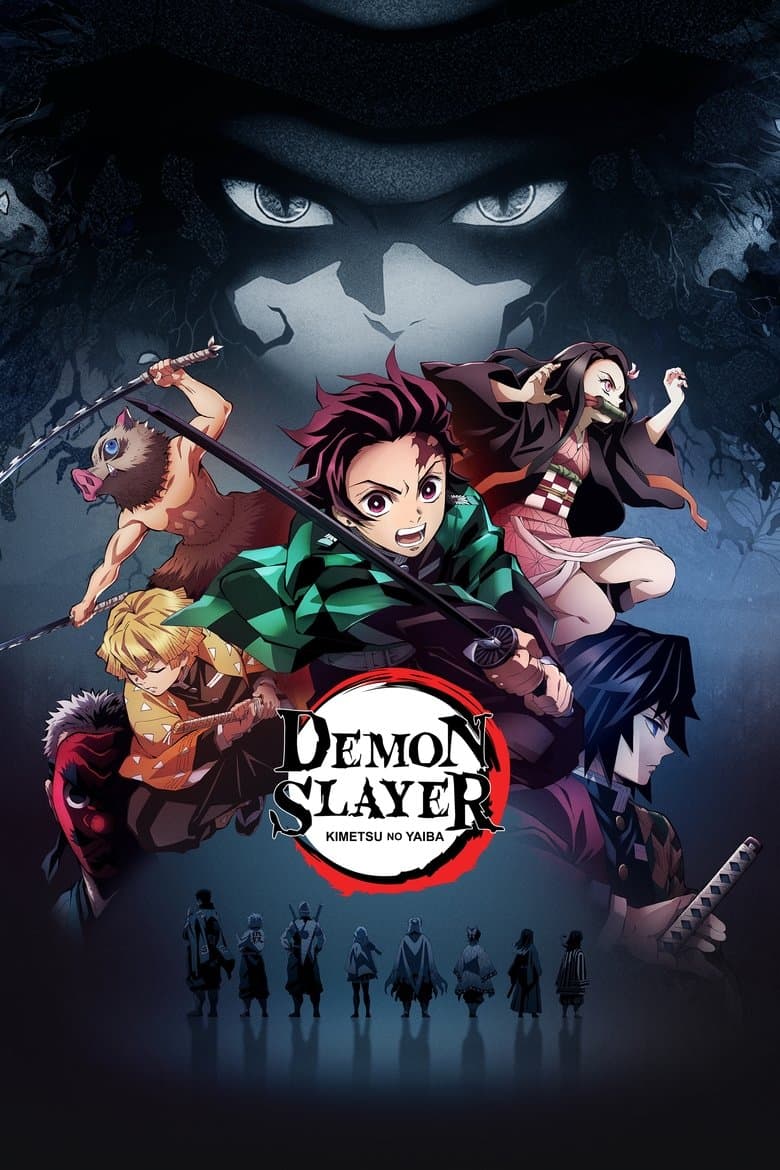
Started April 6, 2019 · Ended · Based on 5 seasons, 63 episodes through June 30, 2024 · TV-MA · Japanese
Tanjiro Kamado returns from a charcoal-selling trip to find his family killed by the demon Muzan Kibutsuji. His sister Nezuko survives, but she becomes a demon who still fights to protect people. Tanjiro joins the Demon Slayer Corps and travels through Taisho-era Japan with Nezuko, Zenitsu, and Inosuke. The story mixes bloody sword fights, grief, jokes, loyalty, and moments of kindness toward enemies.
Across all 63 released episodes, Tanjiro tries to cure Nezuko while the Corps prepares for a final battle with Muzan. The show often gives defeated demons painful human pasts, so compassion stands beside revenge and duty. Mitsuri’s backstory briefly questions the pressure on a woman to change her hair, appetite, and personality to find a husband, but the story treats this as personal self-acceptance rather than a political cause. The latest season focuses on training, trauma, teamwork, and the Hashira’s personal burdens, then ends with Muzan drawing the heroes into the next battle.
Community feedback
Was our 7% Woke rating accurate?
Breakdown
These are the editorial factors and ratings behind our score for Demon Slayer: Kimetsu no Yaiba.
Woke representation / casting
Not present. The show uses Japanese characters in a Taisho-era Japanese setting, and its female fighters fit the fantasy Demon Slayer Corps. The story and marketing do not present those choices as a diversity statement.
0%
Woke political dialogue
Not present. The dialogue centers on demons, family, training, grief, duty, and courage. The characters do not give modern identity, DEI, or activist speeches.
0%
Identity-driven story themes
Mitsuri’s backstory shows her changing her hair, diet, and behavior to fit local ideas about a suitable wife. The story lets her keep those traits and become a powerful Hashira. This gives a small self-acceptance and gender-role message, but it is one character arc inside a demon-hunting story. The show does not connect it to modern activist politics.
14%
Western institutional / cultural critique
Not present. The story shows demons, abusive families, harsh training, and a historical society. It does not turn those conflicts into modern attacks on Western institutions, Christianity, men, or family life.
0%
Woke character or canon changes
Not relevant. The anime follows the manga’s Japanese characters and core roles. Added training material changes pacing and detail, not race, gender, sexuality, or hero roles.
0%
Anti-woke backlash and complaints
Not present. Review-period discussion centers on pacing, animation, violence, characters, and an unwanted election alert during a broadcast. No clear anti-woke complaint says the show pushes DEI, identity politics, or activist content.
0%
Creator track record context
Not present. Cached summaries describe Gotouge, the directors, and the producers as focused on animation, adaptation, and production. They show no clear activist, DEI, or identity-first pattern tied to this title.
0%
Production
TV Show · 2021
When a 34-year-old underachiever gets run over by a truck, his story doesn't end there. Reincarnated in a new world as an infant, Rudy will seize every opportunity to live the…
TV Show · 2021
After encounters with a dragon and a princess on her own mission, a Dragon Knight becomes embroiled in events larger than he could have ever imagined.
TV Show · 2022
After losing his home to a powerful enemy, a hot-tempered fighter trains under his zealous grandfather while awaiting his chance for revenge.
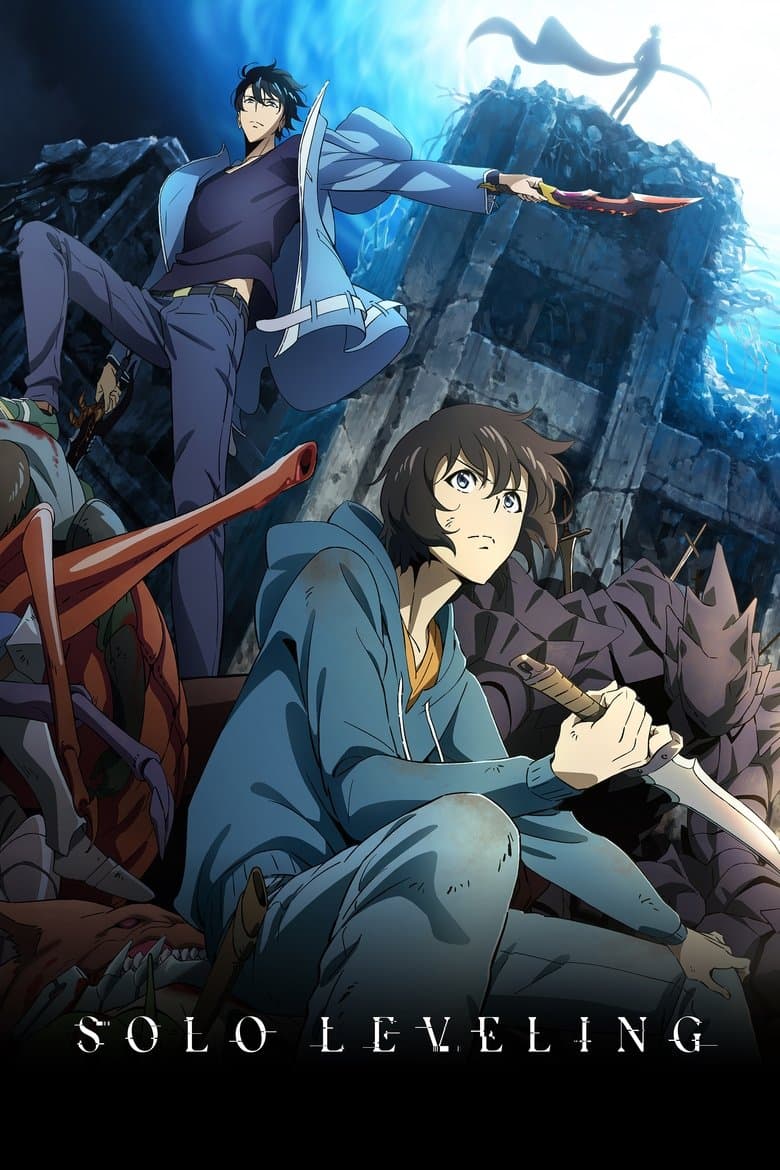
TV Show · 2024
They say whatever doesn’t kill you makes you stronger, but that’s not the case for the world’s weakest hunter Sung Jinwoo.
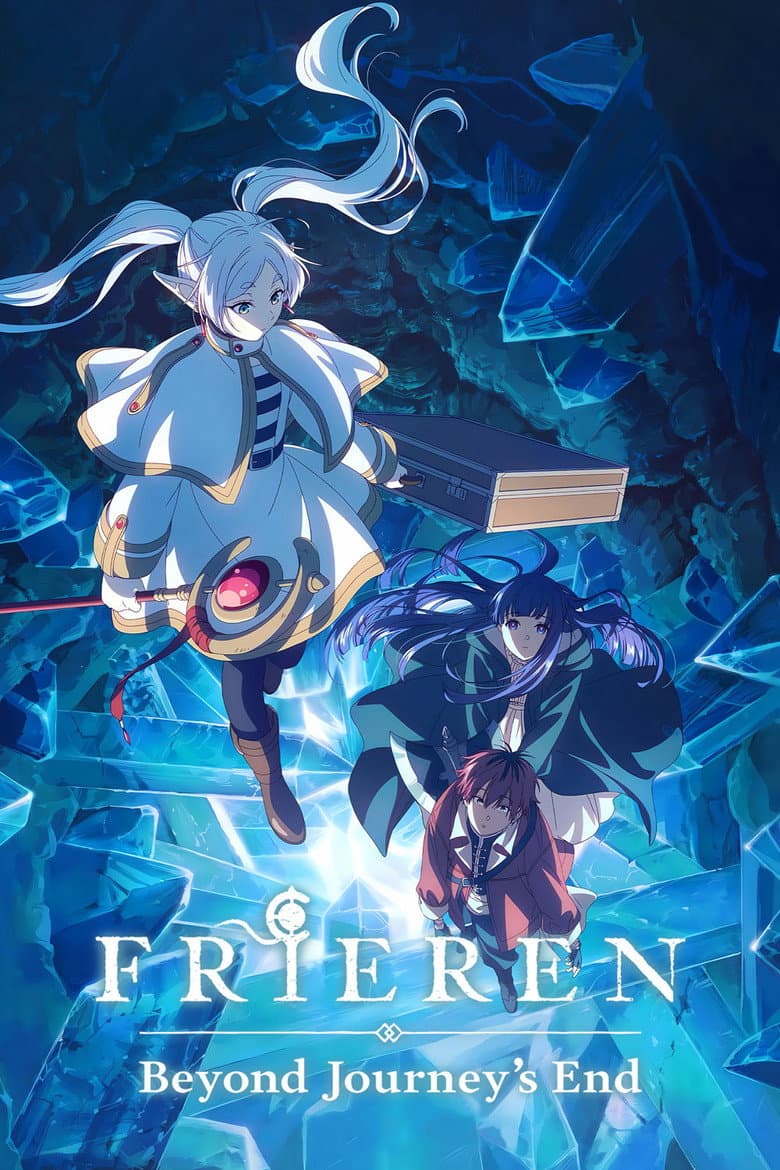
TV Show · 2023
After the party of heroes defeated the Demon King, they restored peace to the land and returned to lives of solitude.
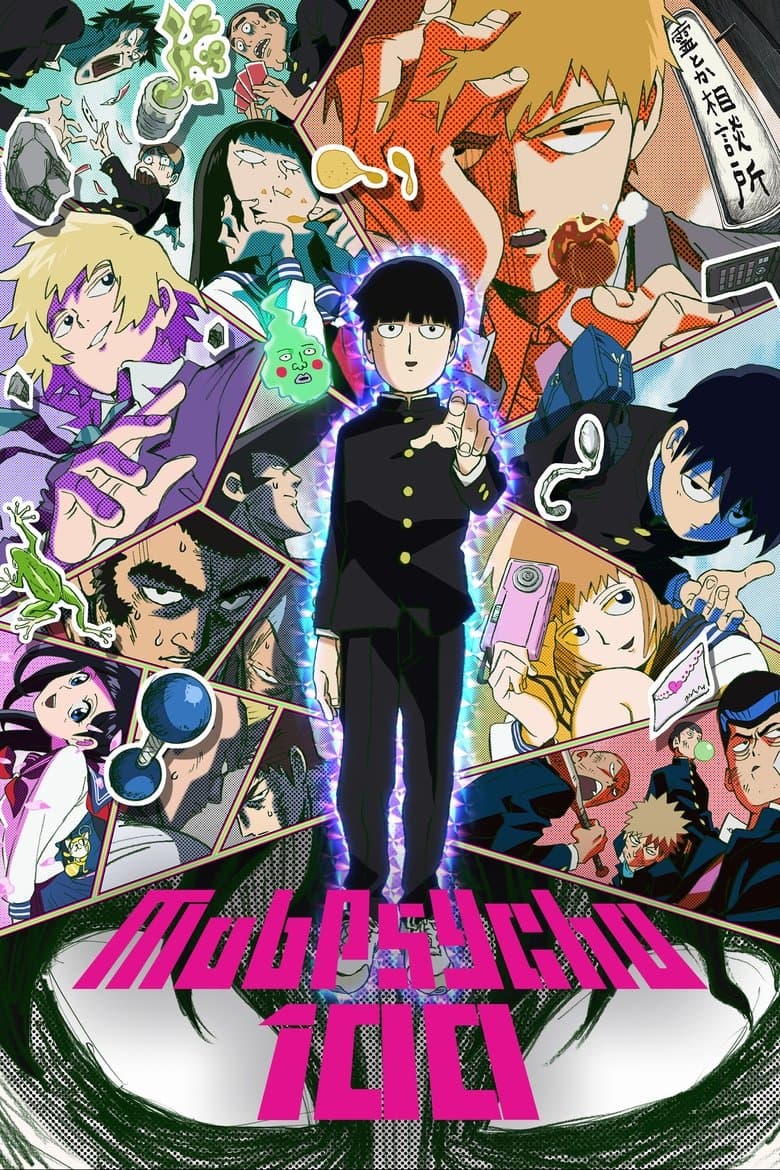
TV Show · 2016
Shigeo Kageyama, a.k.a. "Mob," is a boy who has trouble expressing himself, but who happens to be a powerful esper.
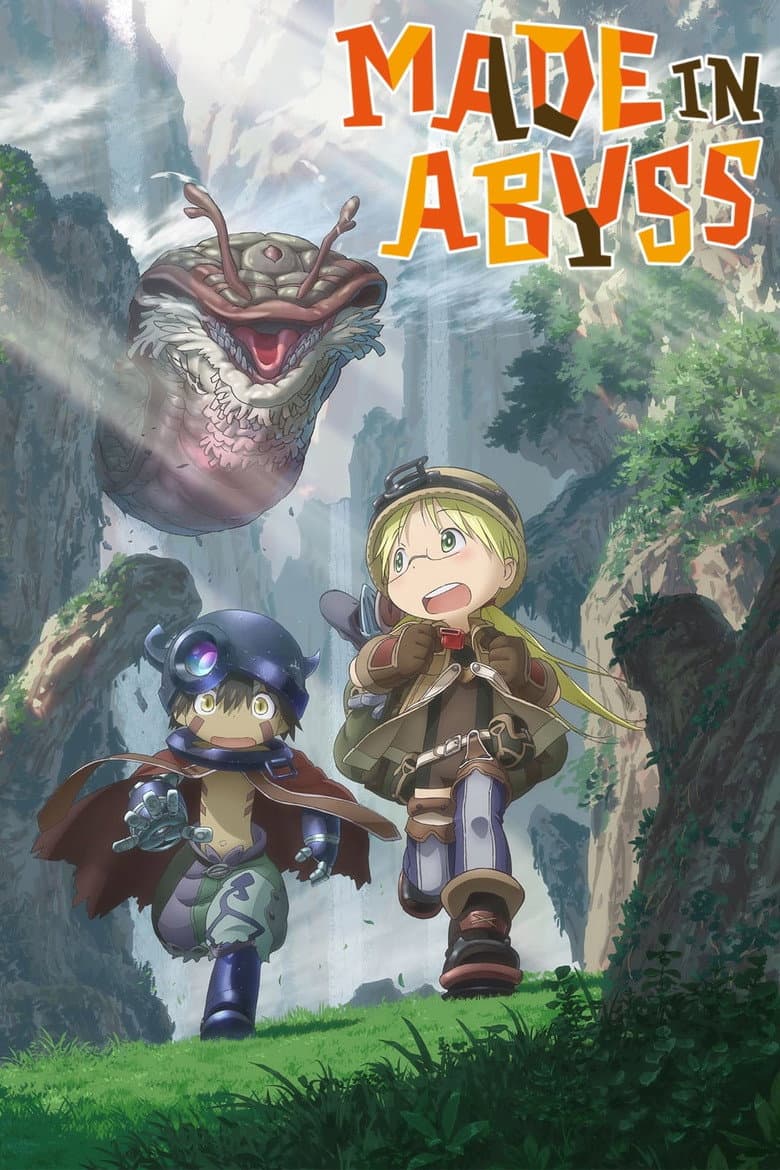
TV Show · 2017
Located in the center of a remote island, the Abyss is the last unexplored region, a huge and treacherous fathomless hole inhabited by strange creatures where only the bravest…
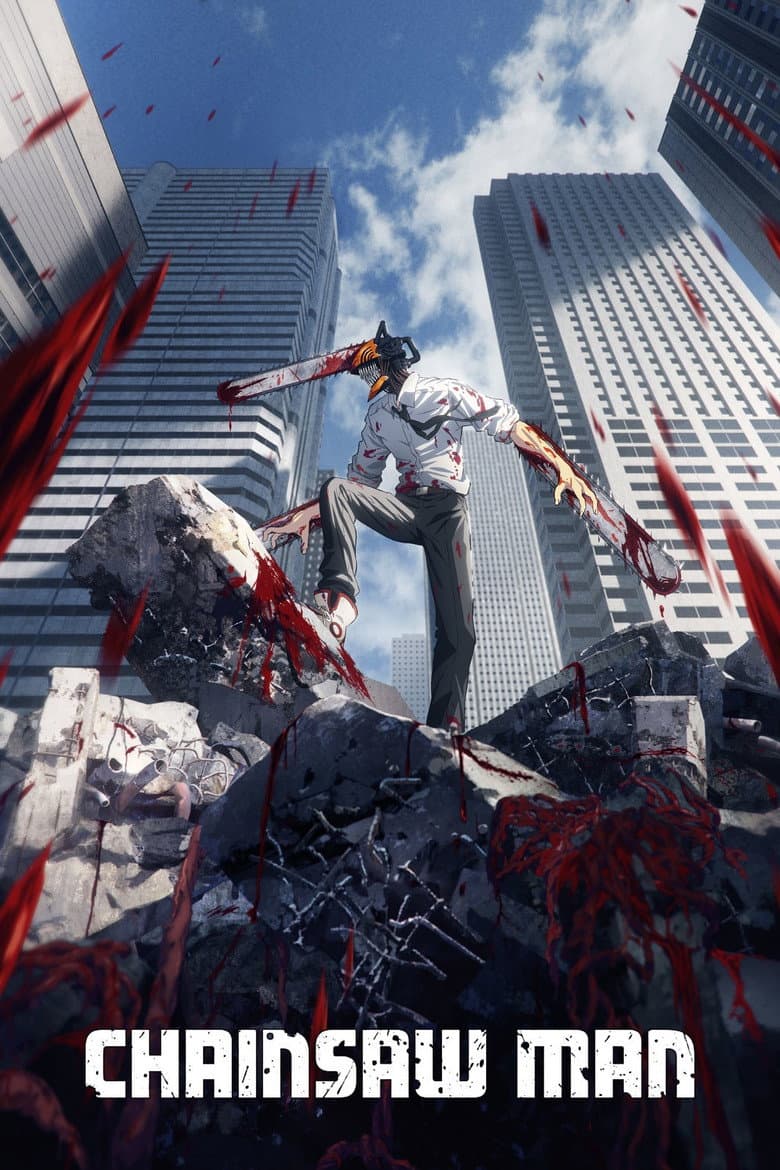
TV Show · 2022
Denji has a simple dream—to live a happy and peaceful life, spending time with a girl he likes. This is a far cry from reality, however, as Denji is forced by the yakuza into…
