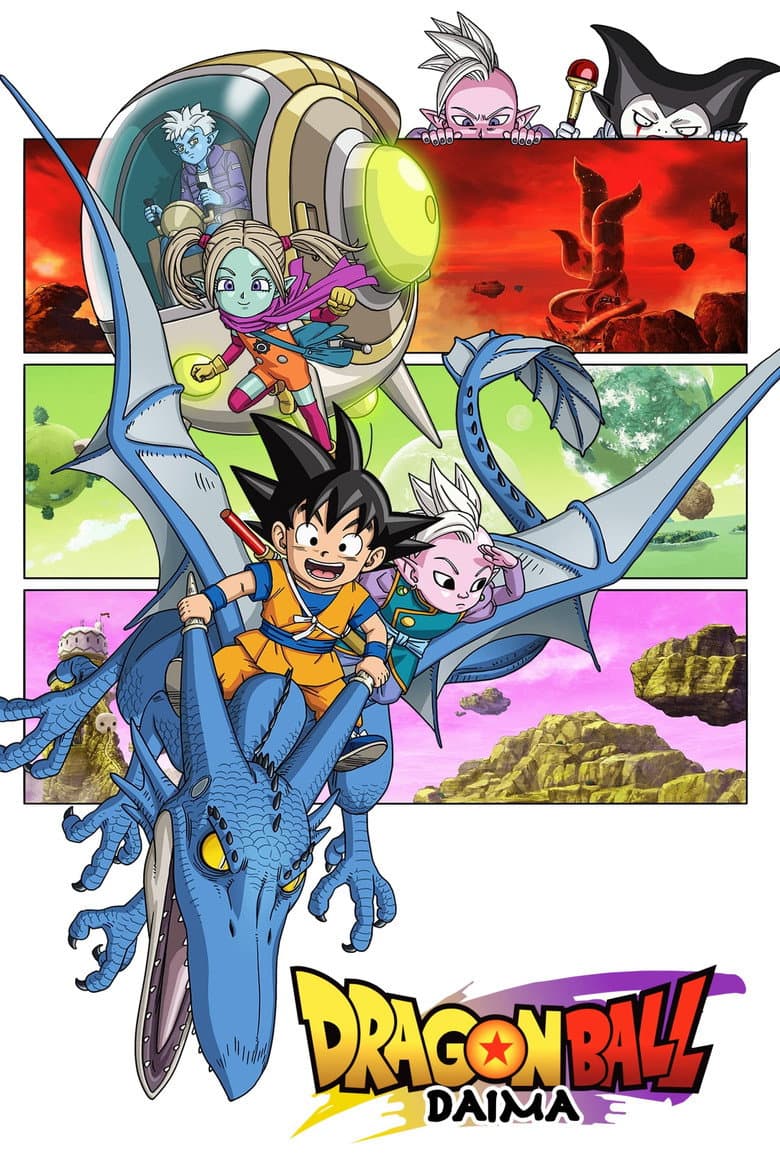
Started October 11, 2024 · Ended · Based on 1 season, 20 episodes through February 28, 2025 · TV-14 · 25 min · Japanese
Dragon Ball DAIMA follows Goku and his friends after the demon king Gomah uses Earth's Dragon Balls to turn them into children. Goku, the Supreme Kai, Glorio, and Panzy travel through three Demon Worlds to find new Dragon Balls and restore the group. Vegeta, Piccolo, and Bulma join the journey as the heroes face monsters, soldiers, Tamagami guardians, and rival demon rulers. The show combines fast fights, silly jokes, strange creatures, friendship, loyalty, and a long fantasy adventure about stopping a tyrant.
The clearest identity-related material appears in episode 6, when Shin explains that Glinds are born from trees and have no genders. The story uses brother, sister, and male or female forms for Glinds even though the species is described as neither men nor women. Arinsu is shown as a woman who works as a scientist while seeking the Demon King title, and Panzy and Bulma help guide the trip, repair vehicles, and solve problems. These ideas remain a small part of the story because the main plot focuses on Goku and Vegeta's fights, the Dragon Balls, friendship, loyalty, and the fight against Gomah.
Community feedback
Was our 22% Woke rating accurate?
Breakdown
These are the editorial factors and ratings behind our score for Dragon Ball DAIMA.
Woke representation / casting
Not present. The show uses animated characters in a fantasy Demon Realm. The show does not build its lineup around human ethnicity, diversity, or identity messaging.
0%
Woke political dialogue
Episode 6 includes a direct line that Glinds have no genders and are neither men nor women. Shin gives the line while explaining his species. The line supports fantasy worldbuilding rather than a modern political argument. The show does not repeat the idea as a modern political argument.
24%
Identity-driven story themes
The Glind lore gives the season a small identity theme. Shin says that Glinds are born from trees and have no genders, while the story still uses brother, sister, and male or female forms for them. Arinsu is shown as a woman who works as a scientist while seeking the Demon King title. The main plot still centers on Goku, Vegeta, fights, Dragon Balls, friendship, and stopping a tyrant.
27%
Western institutional / cultural critique
Not present. The demon king uses taxes, collars, soldiers, slavery, and blocked travel as fantasy oppression. The show does not connect these events to modern Western institutions. The show does not connect these events to capitalism, patriarchy, or current identity politics.
0%
Woke character or canon changes
Not relevant. The show adds Demon Realm lore and temporarily changes the heroes' ages for its plot. The show does not swap the race, gender, sexuality, or hero role of an established character.
0%
Anti-woke backlash and complaints
Not present. The main complaints target the child premise, slow pacing, canon links, and ending. One Reddit user called the show woke during a discussion of the Glind line. The user later said the comment was a joke, so it does not show a real anti-woke campaign.
0%
Creator track record context
Akira Toriyama and most listed directors and producers have little or no woke track record. Yuko Kakihara has a low score tied to female-led and youth stories without activist work. Producer Kei Naito has a higher cached score because of inclusive Precure themes. No title-linked statement connects that work to DAIMA.
10%
Production
TV Show · 2016
Shigeo Kageyama, a.k.a. "Mob," is a boy who has trouble expressing himself, but who happens to be a powerful esper.
TV Show · 2024
They say whatever doesn’t kill you makes you stronger, but that’s not the case for the world’s weakest hunter Sung Jinwoo.
TV Show · 2022
Denji has a simple dream—to live a happy and peaceful life, spending time with a girl he likes. This is a far cry from reality, however, as Denji is forced by the yakuza into…
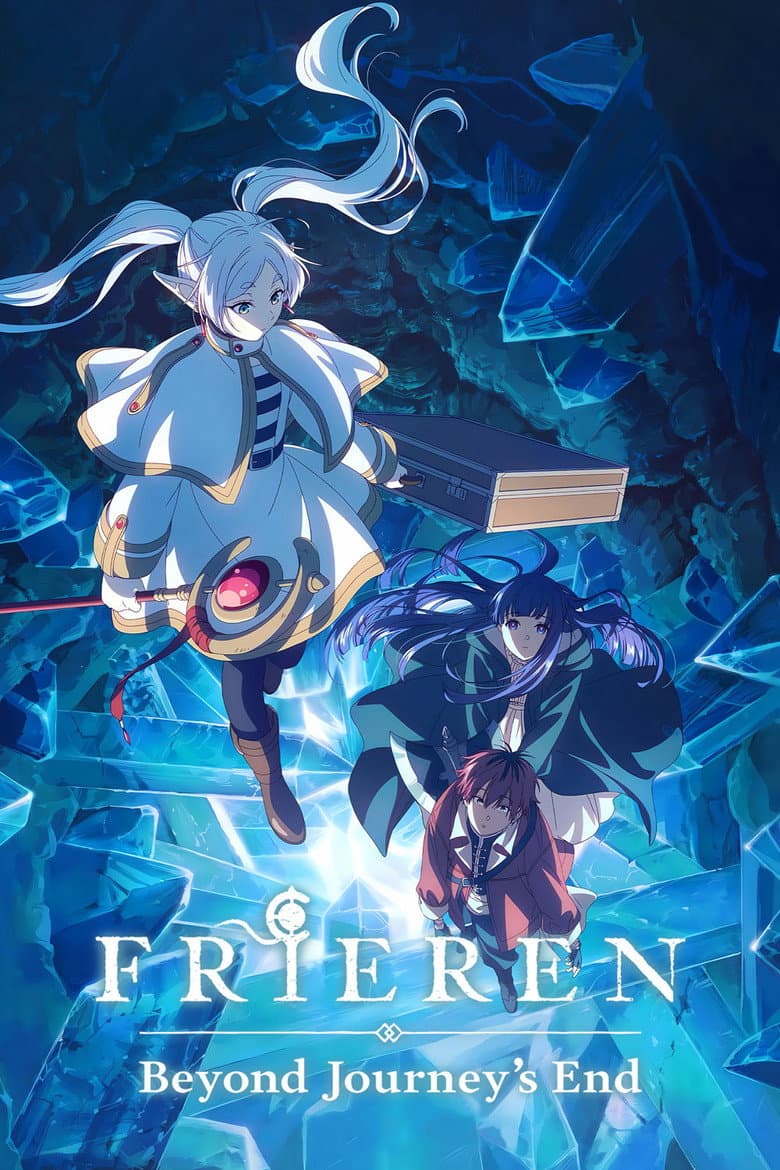
TV Show · 2023
After the party of heroes defeated the Demon King, they restored peace to the land and returned to lives of solitude.
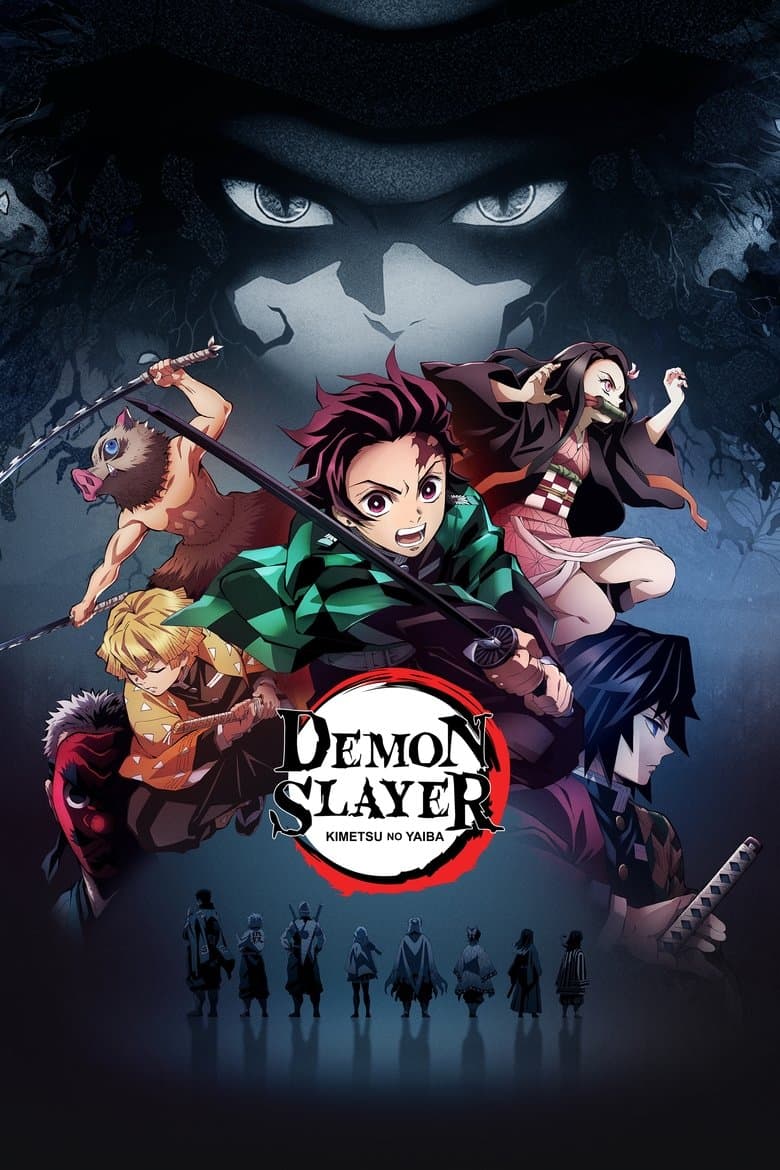
TV Show · 2019
After a demon attack leaves his family slain and his sister cursed, Tanjiro embarks upon a perilous journey to find a cure and avenge those he's lost.
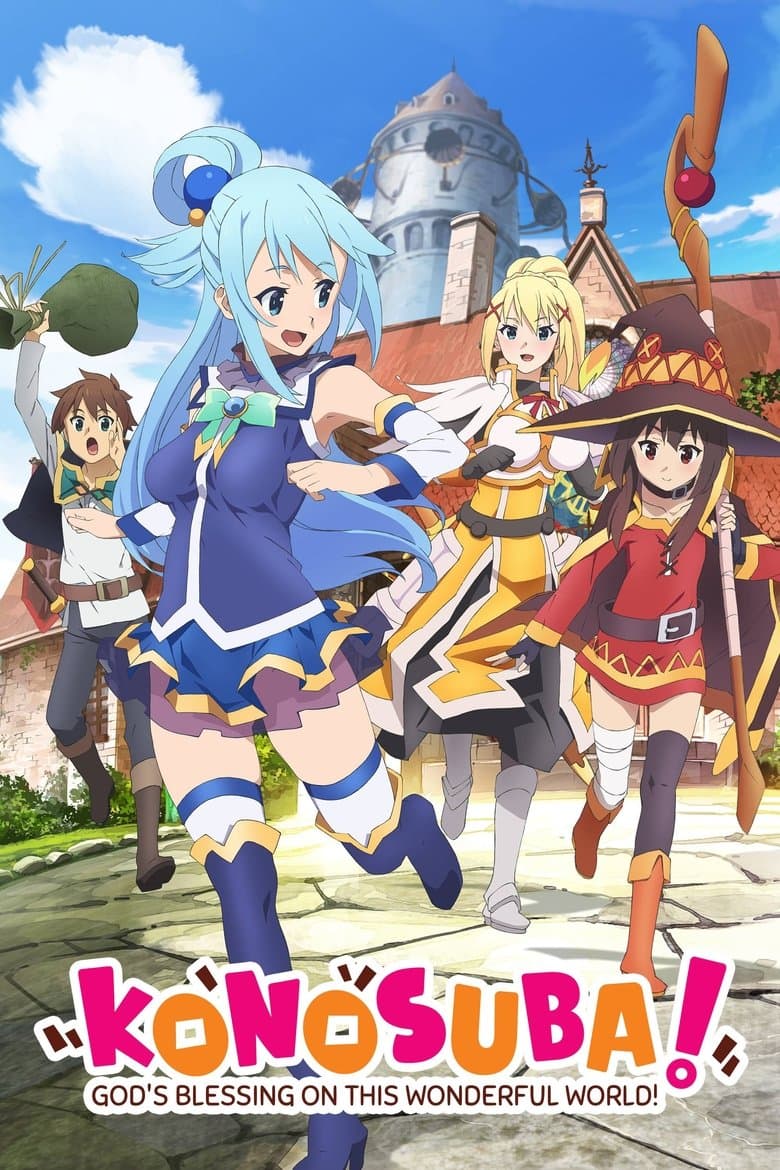
TV Show · 2016
After a traffic accident, Kazuma Sato’s disappointingly brief life was supposed to be over, but he wakes up to see a beautiful girl before him.
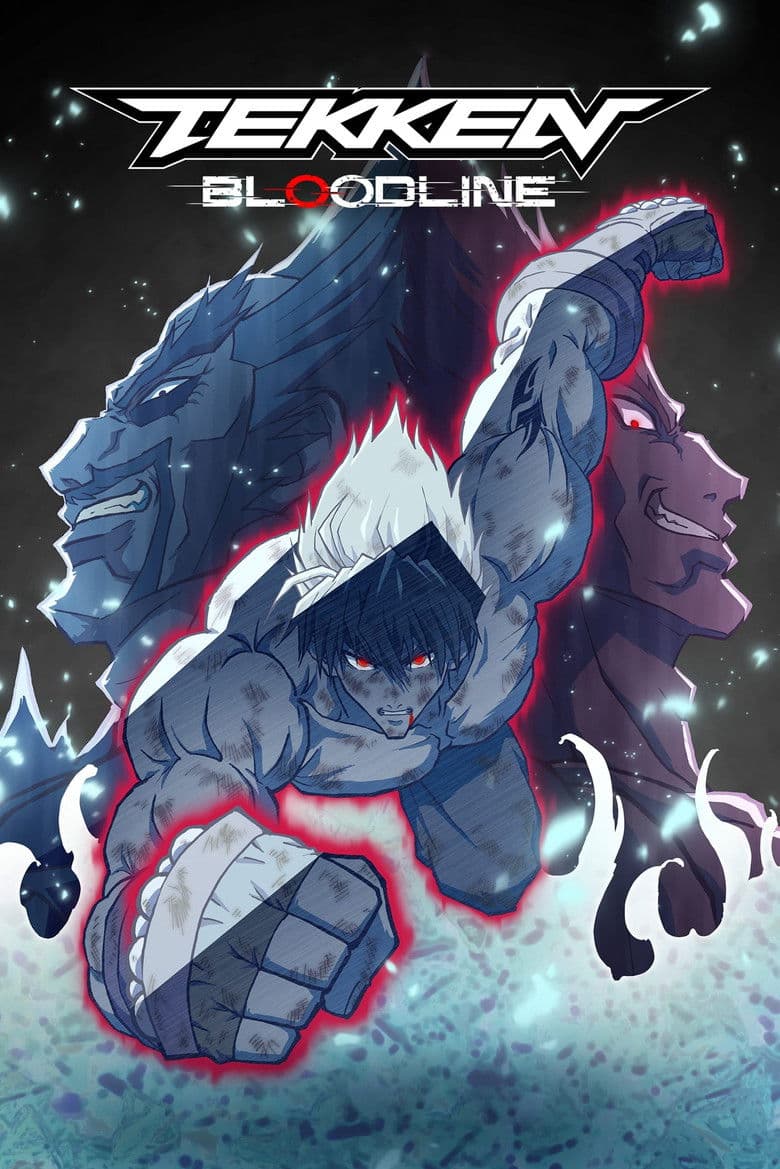
TV Show · 2022
After losing his home to a powerful enemy, a hot-tempered fighter trains under his zealous grandfather while awaiting his chance for revenge.
TV Show · 2021
Two siblings - an idealistic teenage boy and his naive younger sister - are forced to pilot an abandoned Jaeger across a hostile landscape in a desperate attempt to find their…
