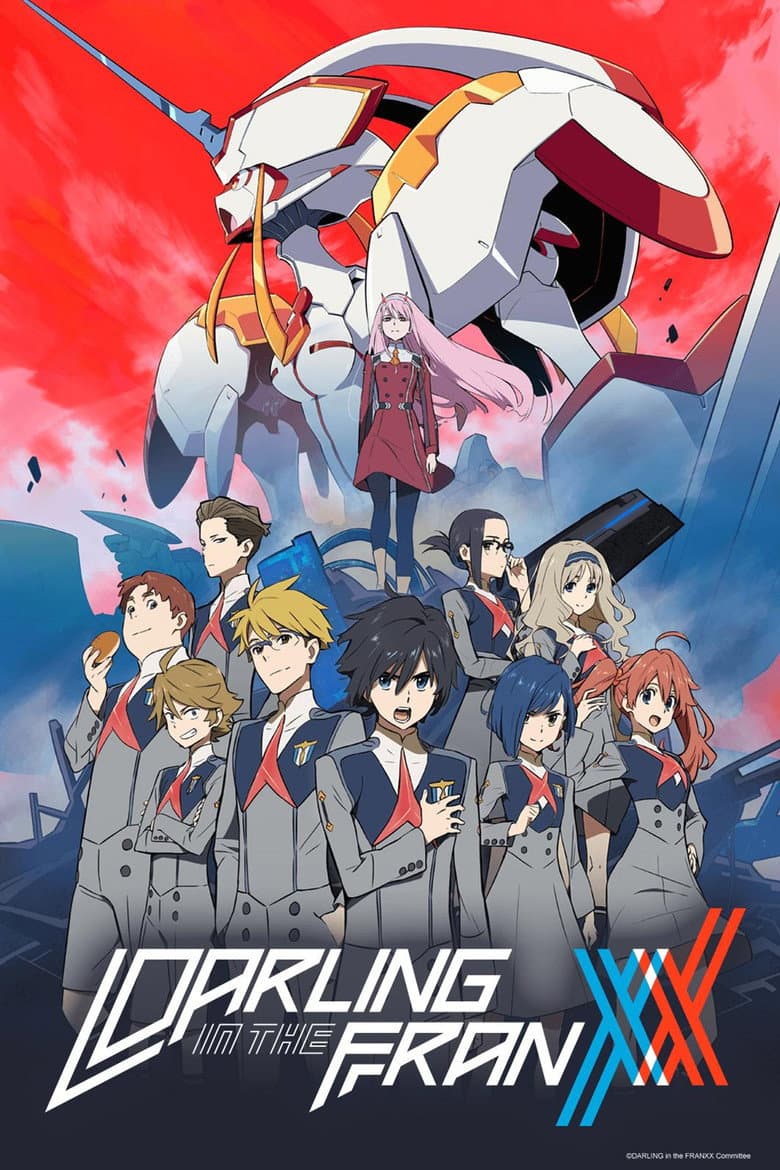
Started January 13, 2018 · Ended · Based on 1 season, 24 episodes through July 6, 2018 · TV-14 · 24 min · Japanese
In a ruined future, children live in moving cities called Plantations and are trained only to fight giant monsters. Hiro is a former star pilot who feels useless until he meets Zero Two, a horned girl who can control the powerful robot Strelizia. The two form a dangerous bond while Squad 13 faces battles, strict leaders, and secrets about how their world works. The show mixes loud robot fights with romance, comedy, body horror, and a sad story about growing up.
Sex and gender shape the story from the start because every robot needs a boy and a girl in a close, sexual-looking position. The children learn about puberty, kissing, marriage, pregnancy, and childbirth while adults try to control their bodies and memories. The show presents the male-female rule as both a tool of control and a source of human feeling, while Ikuno's love for Ichigo and the Nines' flexible roles challenge that rule. Later episodes favor love, family, birth, and choosing one's own path over a cold society that rejects emotion, so the identity themes remain central even when the plot shifts to aliens and space war.
Community feedback
Was our 60% Woke rating accurate?
Breakdown
These are the editorial factors and ratings behind our score for DARLING in the FRANXX.
Woke representation / casting
The show gives girls several major roles. Zero Two is an elite fighter, Ichigo leads Squad 13, and Ikuno later guides medical research. The main group has no clear race or diversity pattern, and the boy-girl split comes from the story's robot system.
20%
Woke political dialogue
APE repeatedly talks about boys and girls as tools and orders them into male-female pairs. Kokoro says men and women are different and that this makes children possible. The Nines argue that gender roles are pointless, while Ikuno questions the boy-girl system and says she loves Ichigo. The adults also discuss puberty, pregnancy, abortion, and forced memory changes in direct terms.
52%
Identity-driven story themes
The story makes sex, gender, and reproduction part of the main conflict. Children are assigned male-female pairs, pilot robots through a sex-coded body link, and slowly discover kissing, love, marriage, pregnancy, and childbirth. Kokoro and Mitsuru are punished for choosing marriage and a baby, while Ikuno's love for Ichigo and the Nines' flexible roles question the system. The ending praises personal choice and human feeling, but it also treats heterosexual family life and having children as a main path to a full human life.
74%
Western institutional / cultural critique
APE controls the children's bodies, memories, partners, and reproduction. The story treats that control as cruel and shows the children fighting back against forced roles. The Nines question gender itself, while Kokoro argues that male and female differences make families possible. The show also blames elite adults for infertility, wealth gaps, and damage from magma mining, but it frames these issues through science fiction rather than current Western party politics.
43%
Woke character or canon changes
Not relevant. The title is an original anime, so it does not change established characters or real historical figures.
0%
Anti-woke backlash and complaints
Not present. The loudest disputes centered on shipping, sexual themes, gender roles, and the ending. Political criticism that called the show right-wing or pro-family propaganda points in the opposite direction, and no strong complaint that it pushed woke or DEI content was found.
0%
Creator track record context
The cached team scores are low, ranging from 0 to 10. The listed directors, writers, and producer mainly have craft-focused careers with no clear activist or DEI pattern. A title-specific staff interview says the show wanted different pairings and room to choose orientation and sexuality, which adds a small identity signal.
8%
Production
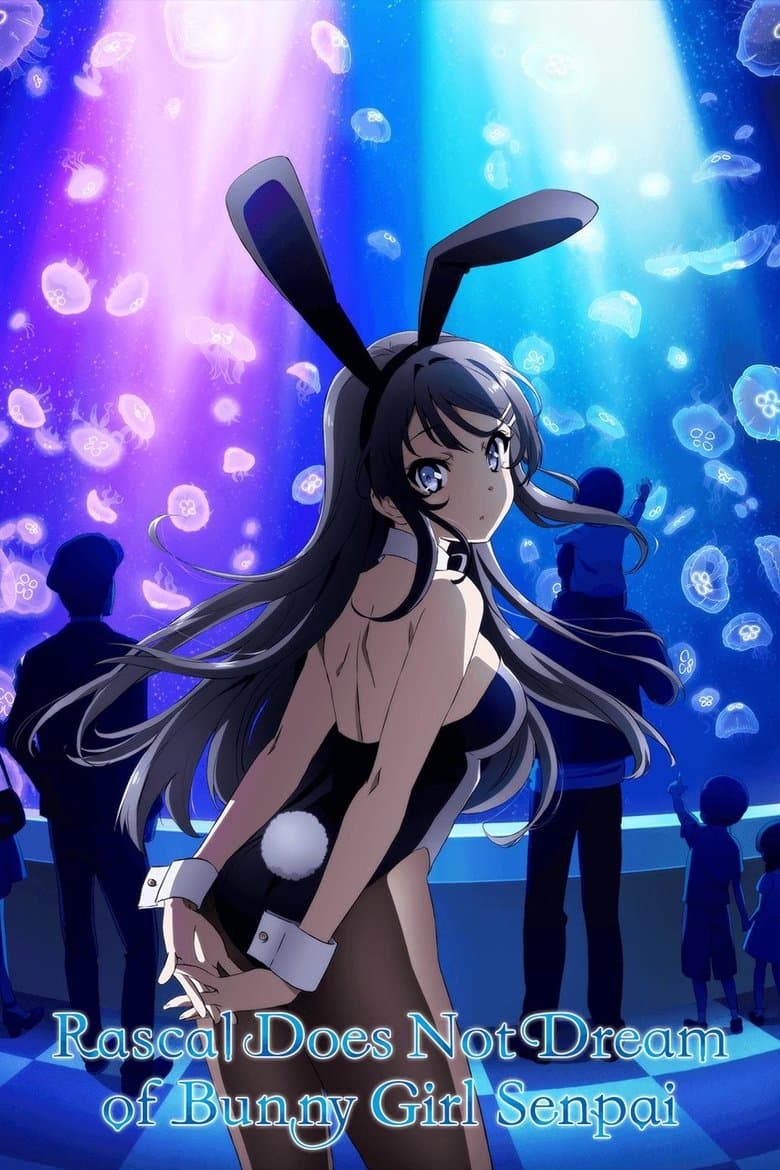
TV Show · 2018
Puberty Syndrome—a rumored, mysterious syndrome that only affects those in their puberty. For example, a bunny girl suddenly appeared in front of Sakuta Azusagawa.
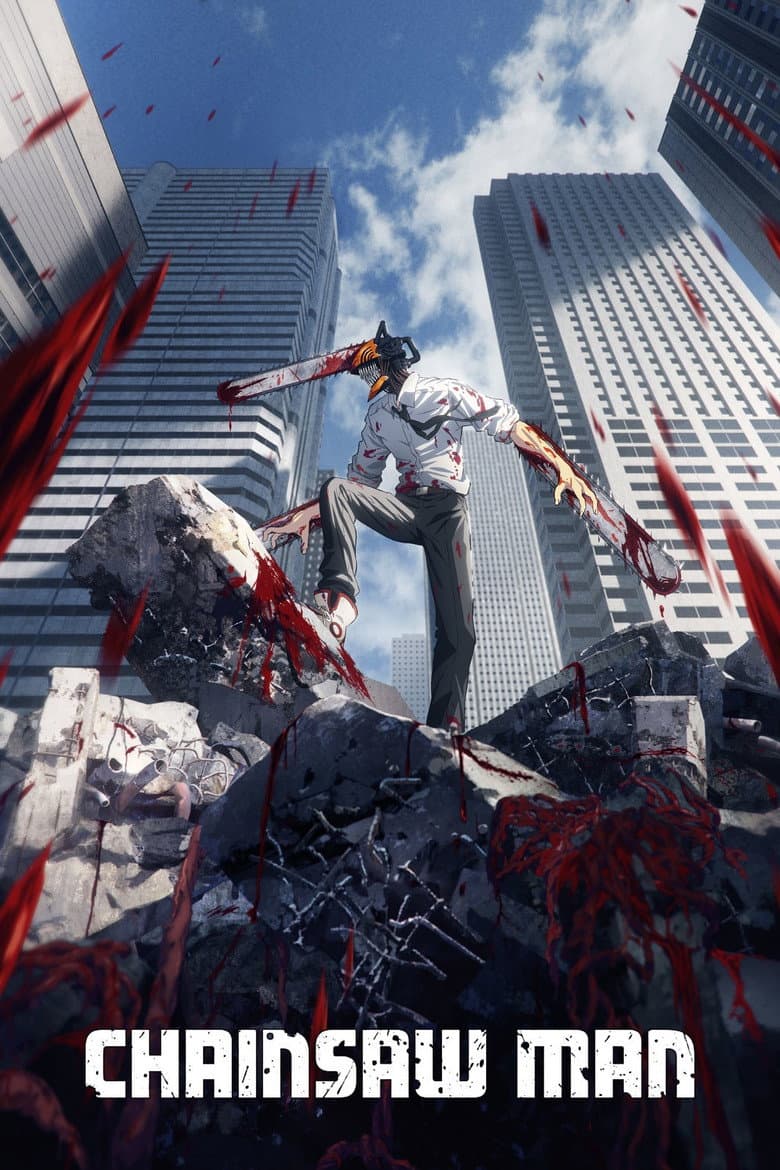
TV Show · 2022
Denji has a simple dream—to live a happy and peaceful life, spending time with a girl he likes. This is a far cry from reality, however, as Denji is forced by the yakuza into…
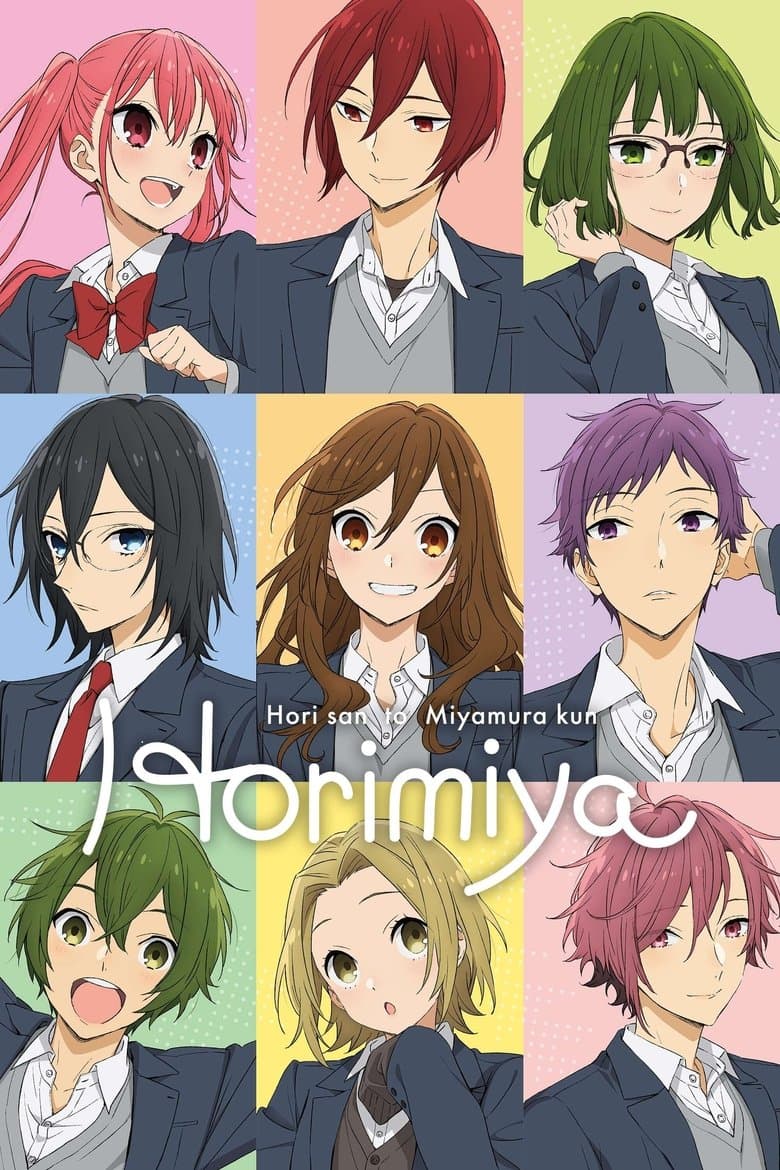
TV Show · 2021
A secret life is the one thing they have in common. At school, Hori is a prim and perfect social butterfly, but the truth is she's a brash homebody.
TV Show · 2019
After a demon attack leaves his family slain and his sister cursed, Tanjiro embarks upon a perilous journey to find a cure and avenge those he's lost.
TV Show · 2016
Shigeo Kageyama, a.k.a. "Mob," is a boy who has trouble expressing himself, but who happens to be a powerful esper.
TV Show · 2019
Emma, Norman and Ray are the brightest kids at the Grace Field House orphanage. And under the care of the woman they refer to as “Mom,” all the kids have enjoyed a comfortable…
TV Show · 2021
When a 34-year-old underachiever gets run over by a truck, his story doesn't end there. Reincarnated in a new world as an infant, Rudy will seize every opportunity to live the…
TV Show · 2019
One fateful day, all of humanity was petrified by a blinding flash of light. After several millennia, high schooler Taiju awakens and finds himself lost in a world of statues.
