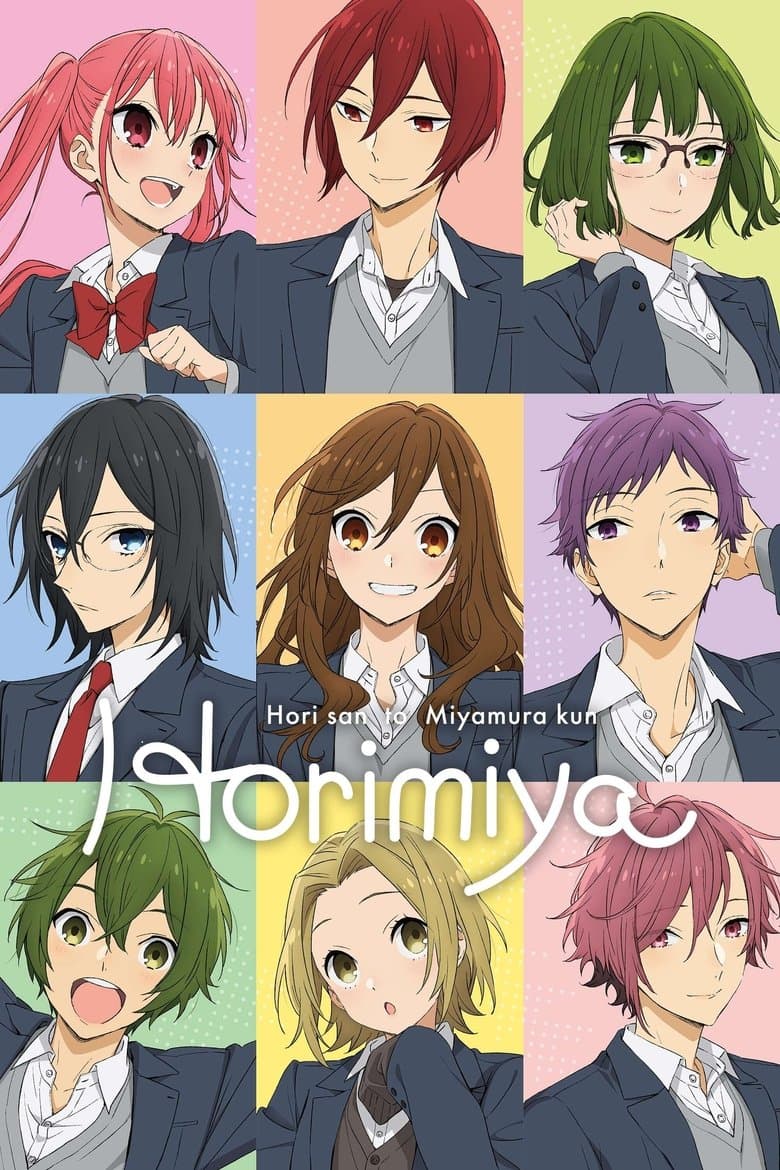
Started January 10, 2021 · Ended · Based on 1 season, 13 episodes through April 4, 2021 · TV-14 · 24 min · Japanese
Horimiya follows Kyoko Hori, a popular high school student who looks perfect at school but spends her free time doing housework and caring for her younger brother. Izumi Miyamura seems like a quiet loner, but he hides piercings, tattoos, and a much warmer side outside class. After they meet away from school, they keep each other’s secrets and slowly become close. The 13 episodes mix gentle comedy, romance, jealousy, family scenes, bullying memories, and the worry of leaving school behind.
The show’s main idea is that people are more than the labels placed on them by classmates. Hori and Miyamura learn to accept each other’s bad moods, fears, private habits, and past pain, while their friends work through crushes, rejection, grief, and changing friendships. Hori is strong-willed and sometimes rough with Miyamura, while Miyamura brings patience, kindness, and his own hard-won confidence to the relationship. The story moves from hidden selves to open trust as the students face dating, family life, graduation, and the fear that school friendships may fade.
Community feedback
Was our 8% Woke rating accurate?
Breakdown
These are the editorial factors and ratings behind our score for Horimiya.
Woke representation / casting
Not present. The characters are Japanese students in a Japanese school, and their character choices fit that setting. The show does not present casting as a diversity or identity statement.
0%
Woke political dialogue
Not present. The dialogue centers on school, romance, jealousy, family, and friendship. One jealousy joke mentions Miyamura choosing a girl rather than a boy, but it is a heterosexual joke and not a modern activist message.
0%
Identity-driven story themes
Hori is often the more forceful partner, and she asks Miyamura to yell at or hit her because she likes that kind of treatment. The show also lets her be academically strong, popular, and more physically aggressive than him. These role reversals stay inside a personal romance and comedy, so they do not become a wider activist message.
15%
Western institutional / cultural critique
Not present. Bullying, school pressure, and family worries appear as personal problems. The story does not attack Western institutions, Christianity, traditional family life, or capitalism.
0%
Woke character or canon changes
Not relevant. The anime adapts HERO and Daisuke Hagiwara’s Japanese manga. It cuts and rearranges some source chapters for pace, but no identity-related canon change is shown.
0%
Anti-woke backlash and complaints
Not present. X research found no anti-woke complaints. Wider coverage found no sustained claim that the anime pushes DEI, identity politics, or left-wing messaging.
0%
Creator track record context
Not present. The cached creator profiles describe a mainstream Japanese anime team focused on craft and genre stories. The profiles show no documented pattern of political activism, DEI advocacy, or identity-first public work.
0%
Production

TV Show · 2018
Puberty Syndrome—a rumored, mysterious syndrome that only affects those in their puberty. For example, a bunny girl suddenly appeared in front of Sakuta Azusagawa.
TV Show · 2016
Satoru Fujinuma is a struggling manga artist who has the ability to turn back time and prevent deaths. When his mother is killed he turns back time to solve the mystery, but ends…

TV Show · 2019
Considered a genius due to having the highest grades in the country, Miyuki Shirogane leads the prestigious Shuchiin Academy's student council as its president, working alongside…
TV Show · 2022
A spy, an assassin and a telepath come together to pose as a family, each for their own reasons, while hiding their true identities from each other.
TV Show · 2024
Kirie tries to escape from her town Kurouzu-cho, where the residents get obsessed with spirals due to an unexplained curse.
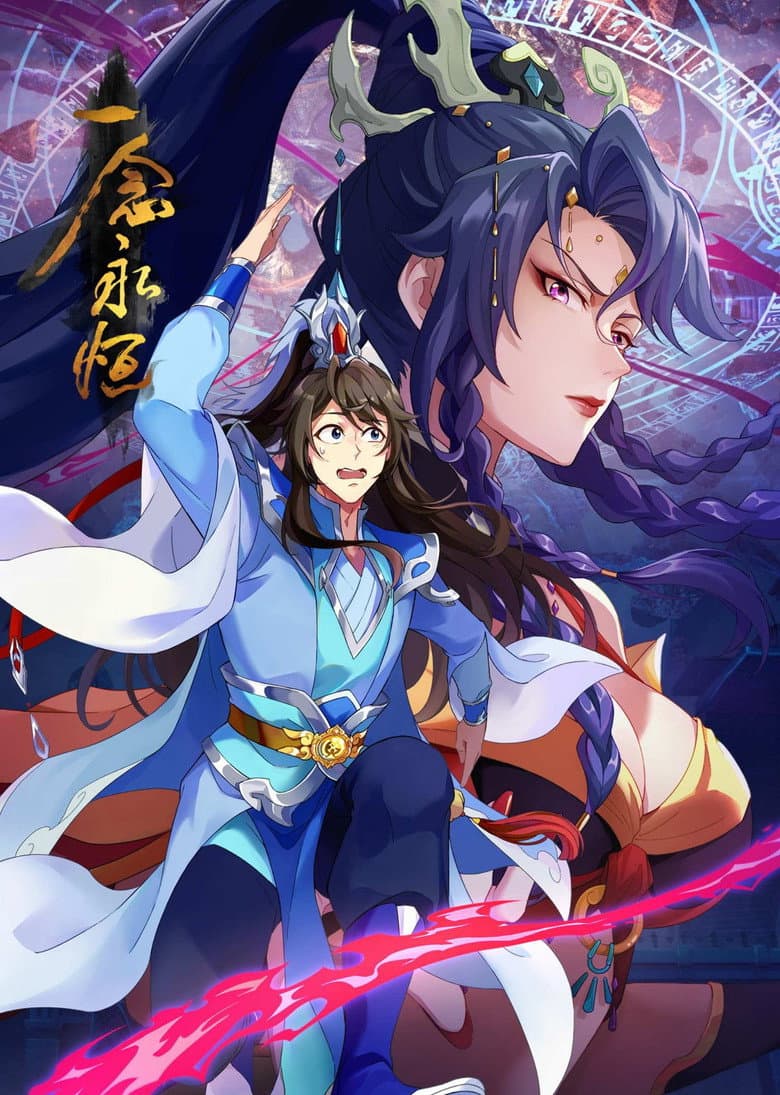
TV Show · 2020
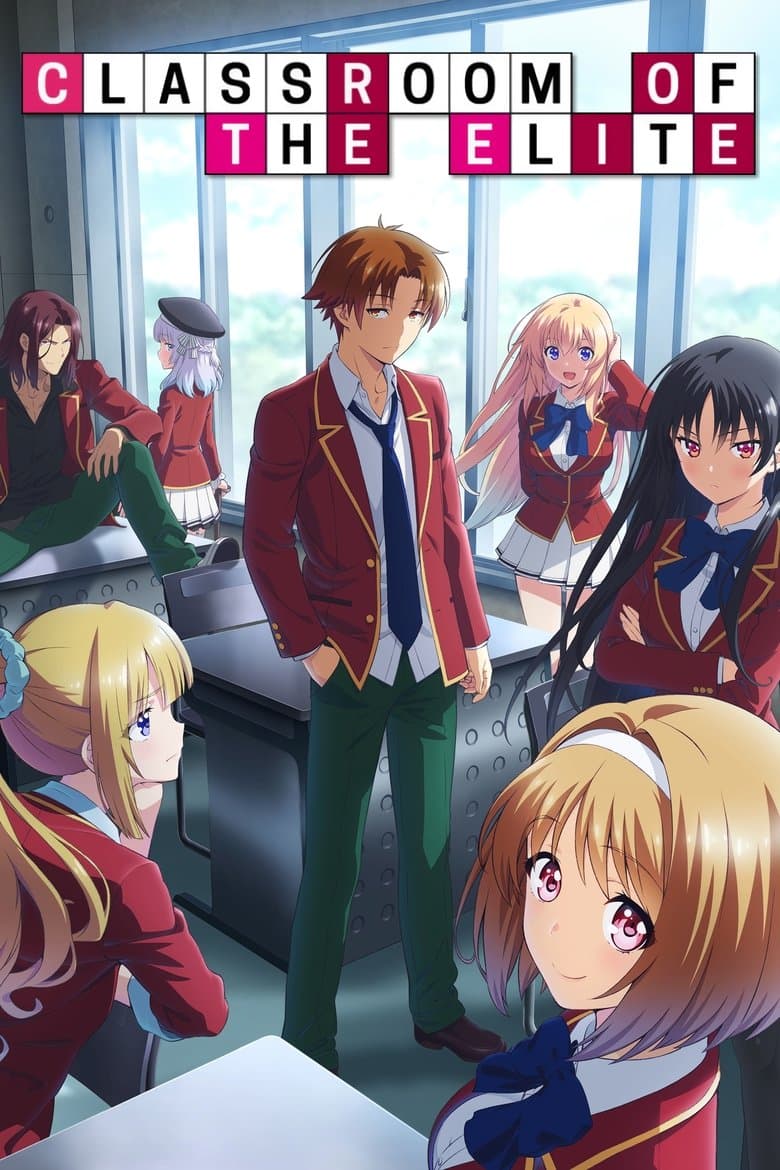
TV Show · 2017
Kiyotaka Ayanokouji enrolls at the prestigious Tokyo Koudo Ikusei Academy, but is assigned to Class 1-D, where students with behavioral problems are housed.
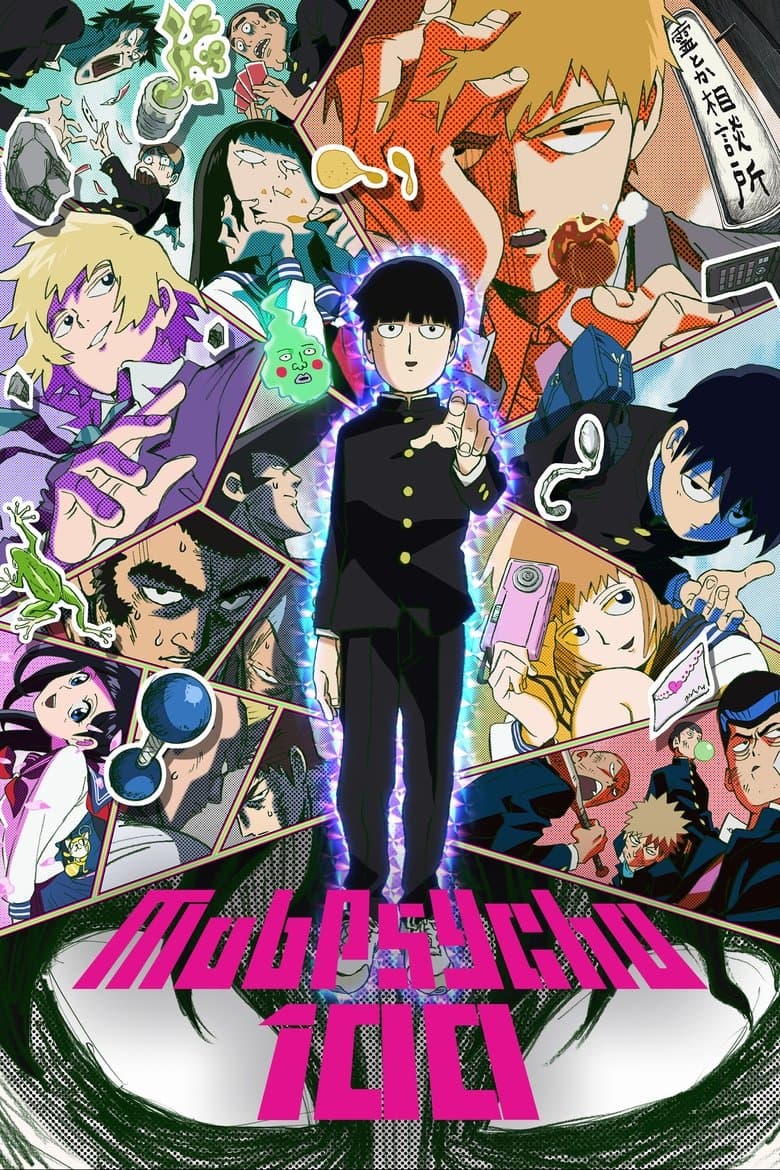
TV Show · 2016
Shigeo Kageyama, a.k.a. "Mob," is a boy who has trouble expressing himself, but who happens to be a powerful esper.
