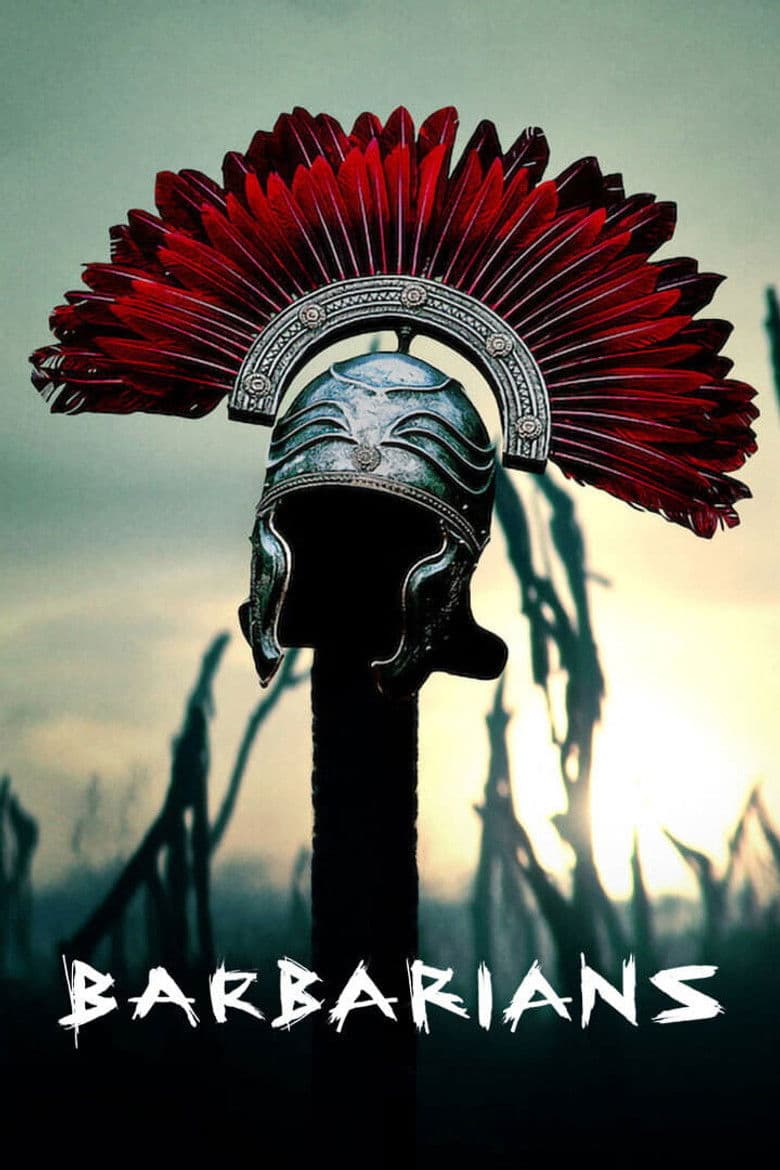
Started October 23, 2020 · Canceled · Based on 2 seasons, 12 episodes through October 21, 2022 · TV-MA · 45 min · German
Barbarians follows Arminius, a Germanic man raised in Rome who returns to his childhood home. He joins Thusnelda and Folkwin as Roman rule pushes the Germanic tribes toward war. Season 1 builds to the Battle of the Teutoburg Forest in 9 A.D., while season 2 shows Rome trying to strike back. The show is violent, grim, and full of battles, betrayal, love, and old Germanic beliefs.
Thusnelda is written as an unusually active fighter, leader, and mother in a world that limits women. She leads raids, helps unite the tribes, and keeps fighting in season 2 after having a baby. Season 2 adds Dido, a Black Carthaginian warrior in Germania, and a same-sex romance between the historical figures Flavus and Marbod. These choices are serious parts of the story and make the later season more identity-focused than the first.
Community feedback
Was our 65% Woke rating accurate?
Breakdown
These are the editorial factors and ratings behind our score for Barbarians.
Woke representation / casting
Most major roles fit a European ancient setting. The show gives Thusnelda a highly visible heroic role as a fighter and tribal leader, even though women are normally kept out of tribal councils. Season 2 adds Dido, a Black Carthaginian woman who fights with the Germanic heroes in Germania. Public framing also highlights Thusnelda as a modern strong woman.
52%
Woke political dialogue
Not present. The spoken lines focus on Rome, tribal loyalty, war, family, and the gods. The show does not use clear modern DEI or activist language.
0%
Identity-driven story themes
Thusnelda repeatedly rejects a male-led system. She leads raids, fights Roman soldiers, helps unite the tribes, and remains a main war leader while caring for a newborn. Season 2 also gives Marbod and Flavus a same-sex relationship that affects Marbod's alliances and choices. These themes shape major character arcs, especially in the latest season.
65%
Western institutional / cultural critique
The story shows daughters being traded, women barred from tribal councils, and men controlling marriage and power. Thusnelda pushes against those rules, so the show gives a mild critique of traditional gender roles. The Roman occupation is mainly a period war and power conflict, not a modern critique of Western institutions. The series does not attack Christianity, family life, or capitalism.
18%
Woke character or canon changes
The series turns historical Thusnelda into a major fighter and battlefield leader, although surviving records do not clearly show that role. Season 2 gives historical figures Flavus and Marbod a sexual relationship that is not recorded. The show also changes other historical events, but those changes are about plot rather than identity. These identity-related changes are easy to notice, and the Flavus-Marbod plot affects several episodes.
65%
Anti-woke backlash and complaints
Some right-leaning reviews called Thusnelda's warrior role anachronistic and rejected the creators' effort to reclaim the battle from the German right. A small amount of season-two viewer discussion called the new same-sex romance and Dido's casting modern or woke additions. The complaints stayed in niche reviews and fan forums rather than major news coverage. No broad anti-woke news campaign was found in the available coverage.
20%
Creator track record context
Not present. The cached record shows established German television writers with broad genre work. It does not show a sustained activist, partisan, DEI, or identity-politics record.
0%
Production
TV Show · 2025
In the early Meiji era, Shujiro, once known as an undefeated samurai, decides to participate in a deadly survival game to save his family and villagers.
TV Show · 2022
With the aid of unexpected friends, a gifted but introverted student confronts bullies and violent foes — unaware of how dangerous his world will become.
TV Show · 2022
Dan Chase absconded from the CIA decades ago and now lives off the grid. When an assassin arrives and tries to take Chase out, the old operative learns that to ensure his future…
TV Show · 2017
Action drama series inspired by the real missions of Navy SEAL Team Six.
TV Show · 2016
An anthology series which centers on different characters being targeted by crazed serial killer Mick Taylor in the Australian outback.
TV Show · 2021
A happily married man's life is turned upside down when his wife is killed in a mysterious hit-and-run accident in Tel Aviv.
TV Show · 2023
Faced with ruthless foes with a violent thirst, two young boxers band together — risking life and limb to bring justice and protect their loved ones.
TV Show · 2020
A tight-knit group of teens unearths a long-buried secret, setting off a chain of illicit events that takes them on an adventure they'll never forget.
