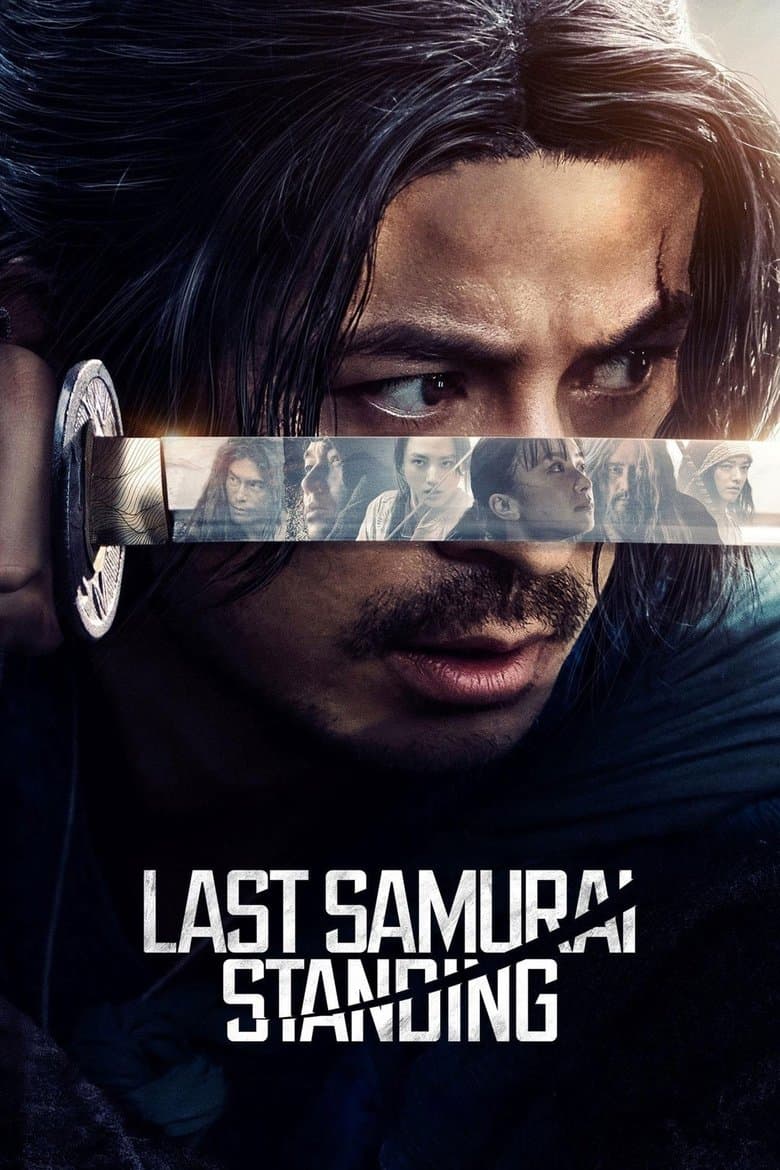
Started November 13, 2025 · Returning Series · Based on 1 season, 6 episodes through November 13, 2025 · TV-MA · Japanese
Last Samurai Standing follows Shujiro Saga, a former samurai who cannot support his family after Japan enters the Meiji era. He joins Kodoku, a deadly race from Kyoto to Tokyo where 292 warriors fight for wooden tags and a huge cash prize. Shujiro wants money for his sick wife and son, but he also tries to protect Futaba, a young girl trapped in the game. The six-episode season mixes bloody sword fights with grief, loyalty, war wounds, and the hard shift from swords to guns.
The main audience-visible identity element is Iroha Kinugasa, a highly trained female fighter who travels with Shujiro and the other contestants. Futaba is also a major young female character, but Shujiro first treats her as someone he must protect before she asks to become stronger. These roles give women more action and screen time than many older samurai stories, yet the show does not make women's rights, sexuality, or modern identity politics its main subject. Most of the season focuses on family duty, the loss of the samurai way of life, government plotting, wealthy men betting on death, and the search for a place in a changing country.
Community feedback
Was our 21% Woke rating accurate?
Breakdown
These are the editorial factors and ratings behind our score for Last Samurai Standing.
Woke representation / casting
Iroha Kinugasa is a major female warrior who trains with the male leads and fights on the main route. Futaba is a central young female contestant whose choices affect the group. Kocha Kamuy is a prominent Ainu archer whose skills come from his character background. Shujiro remains the main fighter and protector, so the identity pattern is noticeable but not dominant.
25%
Woke political dialogue
Not present. The dialogue discusses samurai decline, war, government plots, and wealthy men who fund the game. It does not center modern identity, gender-role, DEI, or activist ideas.
0%
Identity-driven story themes
Iroha repeatedly fights as one of the most capable members of the traveling group. Futaba remains central as a young girl who wants to stop being a burden and begins practicing with a weapon. Shujiro still leads the group and protects Futaba, while Iroha depends on her adopted brothers in the final episode. The season uses these roles for survival and family drama, not for a broad message about gender or identity.
22%
Western institutional / cultural critique
Not present. The show depicts wealthy businessmen betting on killings and a police chief using the game to destroy the samurai class. Those conflicts stay inside the Meiji-era plot and do not become a modern attack on capitalism, patriarchy, Christianity, or Western culture.
0%
Woke character or canon changes
Not relevant. The show keeps its Japanese setting, samurai cast, and central roles from the novel and manga. No confirmed race, gender, sexuality, or leadership swap shapes the season.
0%
Anti-woke backlash and complaints
Not present. Early audience posts argued about review bombing, dubbing, weak character choices, and the unfinished ending. No reliable report or major discussion accused the released show of pushing DEI, queer politics, or other woke messaging.
0%
Creator track record context
Michihito Fujii has a recurring record of stories about political pressure, excluded groups, poverty, and social harm. His public comments on this series connect former samurai losing their work with changes in Japan today. The other listed directors, writers, and producers have little documented activist, DEI, or identity-first work. The overall creator context is therefore mild rather than a strong signal.
15%
Production
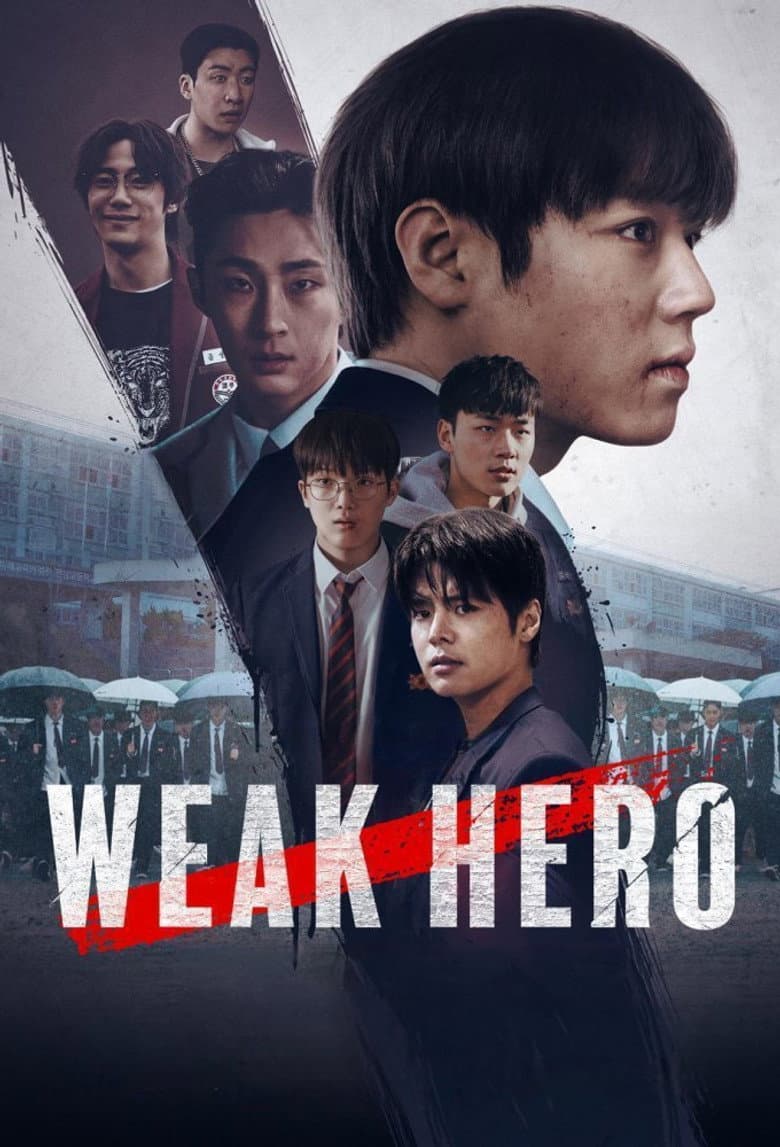
TV Show · 2022
With the aid of unexpected friends, a gifted but introverted student confronts bullies and violent foes — unaware of how dangerous his world will become.
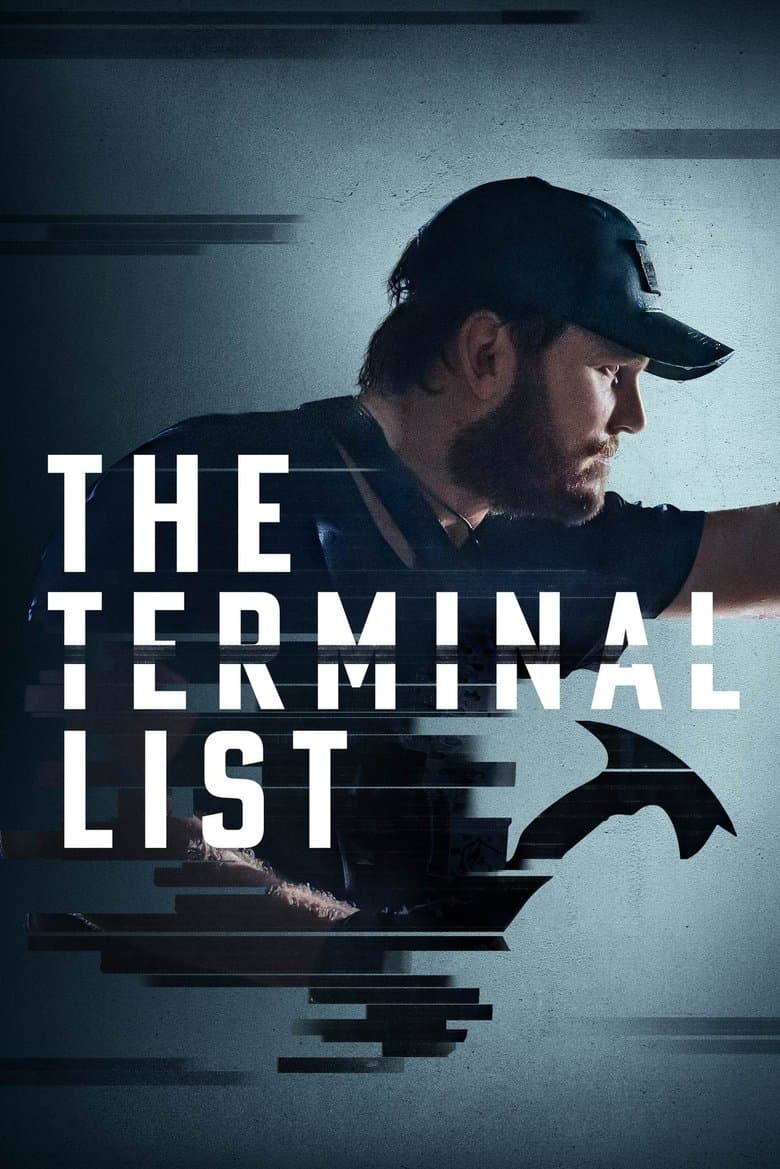
TV Show · 2022
Navy SEAL Commander James Reece turns to vengeance as he investigates the mysterious forces behind the murder of his entire platoon.
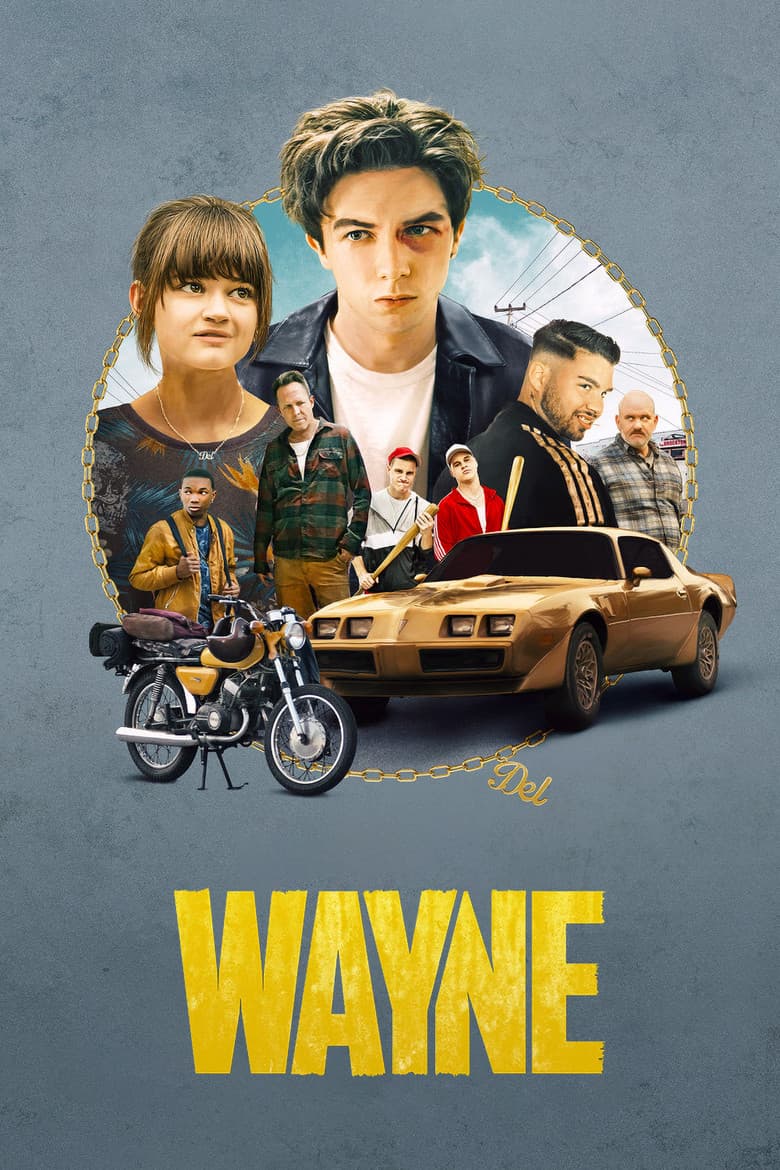
TV Show · 2019
In this gritty and sometimes bloody tale, sixteen year-old Wayne sets out on a dirt bike with his new crush Del to take back the 1978 Pontiac Trans Am that was stolen from his…
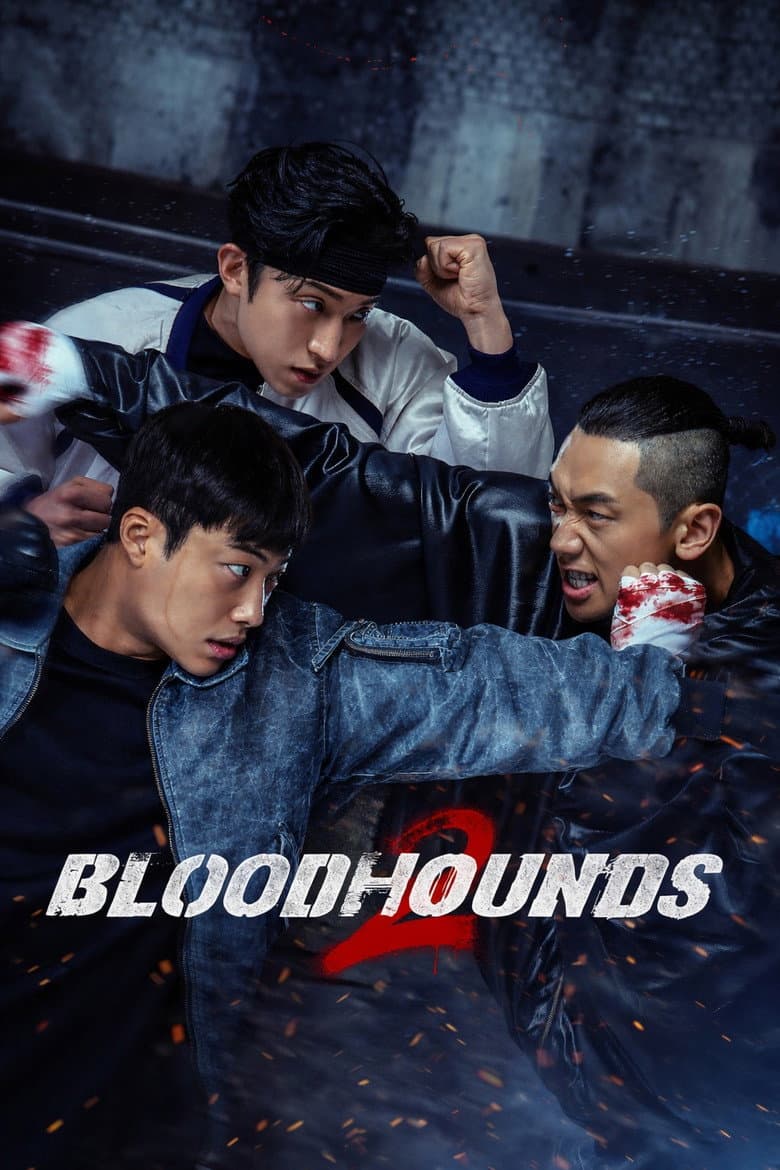
TV Show · 2023
Faced with ruthless foes with a violent thirst, two young boxers band together — risking life and limb to bring justice and protect their loved ones.

TV Show · 2020
Desperate to take care of his pregnant wife before a terminal illness can take his life, Dodge Maynard accepts an offer to participate in a deadly game where he soon discovers…
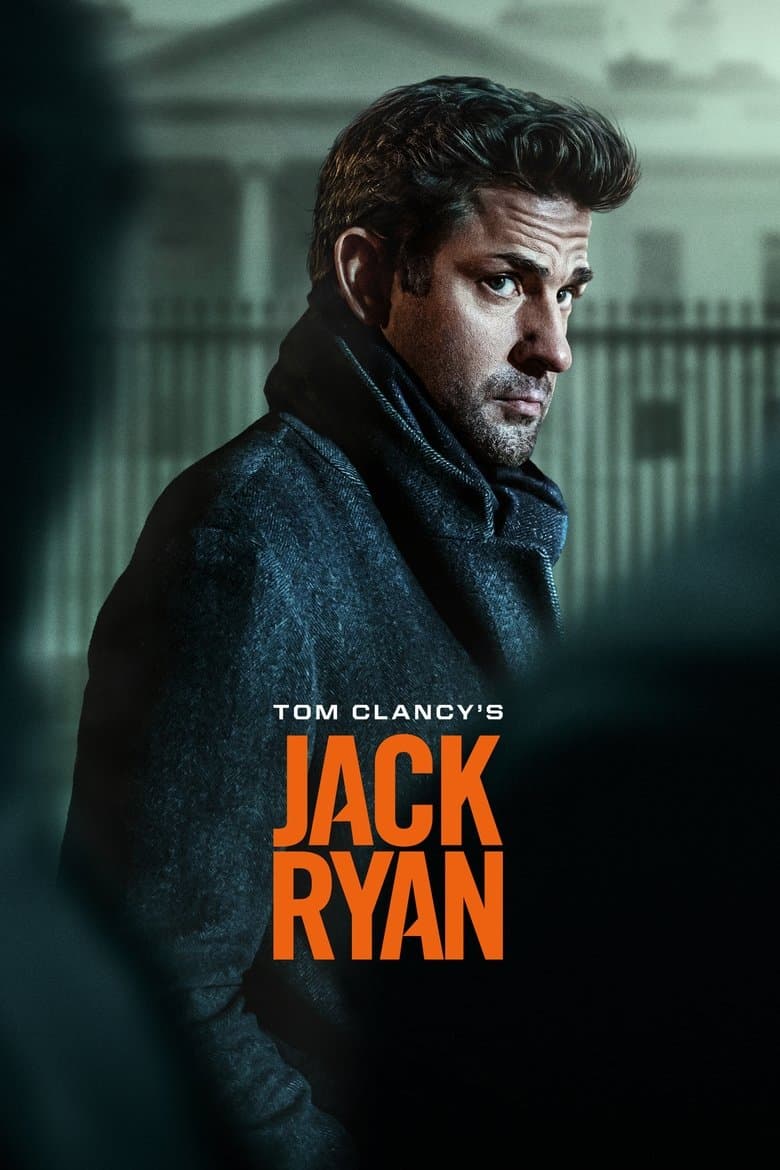
TV Show · 2018
When CIA analyst Jack Ryan stumbles upon a suspicious series of bank transfers his search for answers pulls him from the safety of his desk job and catapults him into a deadly…
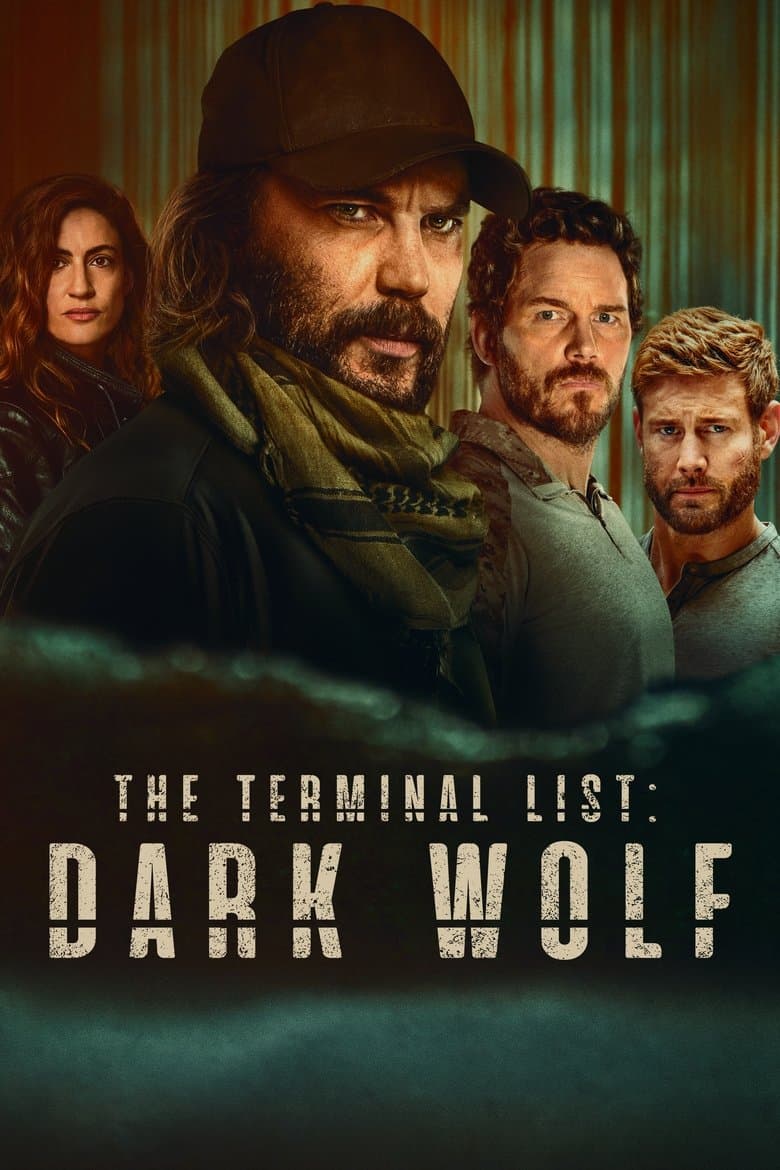
TV Show · 2025
Before The Terminal List, Navy SEAL Ben Edwards finds himself entangled in the black operations side of the CIA.
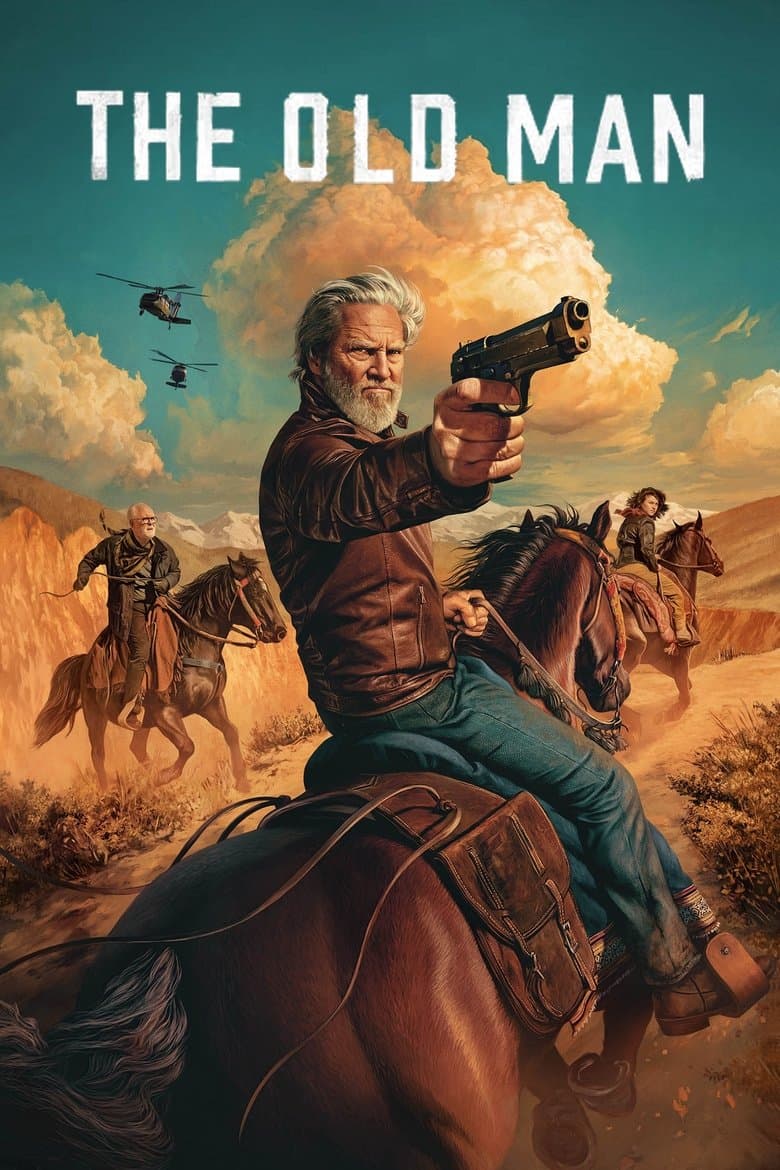
TV Show · 2022
Dan Chase absconded from the CIA decades ago and now lives off the grid. When an assassin arrives and tries to take Chase out, the old operative learns that to ensure his future…
