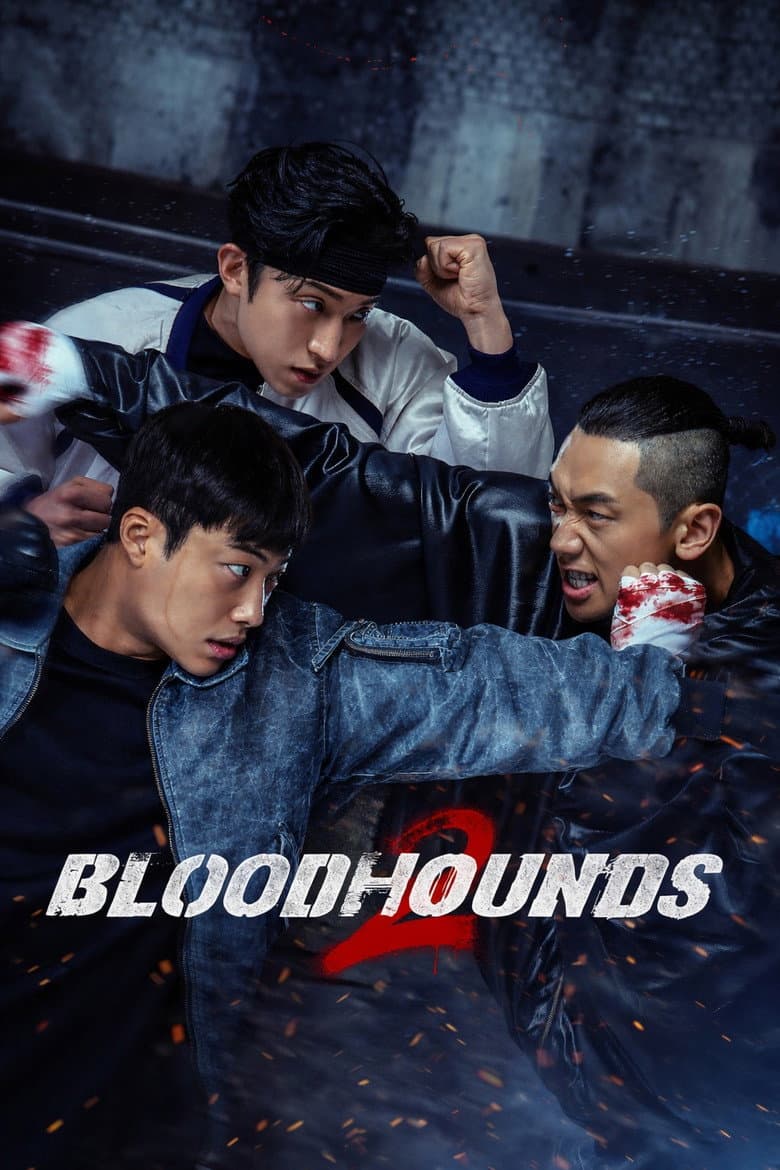
Started June 9, 2023 · Ended · Based on 2 seasons, 15 episodes through April 3, 2026 · TV-MA · 61 min · Korean
Bloodhounds follows Kim Geon-woo and Hong Woo-jin, two young South Korean boxers who become close friends after fighting each other in Seoul. In season 1, Geon-woo tries to save his mother's cafe after a cruel loan company traps her in debt, and the pair join a kind moneylender to fight back. In season 2, they face Im Baek-jeong, a violent boxer who runs an illegal international fight league and puts their families and friends in danger. The show is fast, bloody, and serious, with humor built around the men's friendship and long, hard fight scenes.
The show treats debt as a trap that hurts ordinary families and presents the boxers as protectors who use skill and loyalty to answer violence. Season 1 gives Cha Hyeon-ju a major fighting and investigation role, but the story still centers on the two male boxers. Season 2 puts even more weight on their brotherhood as Geon-woo grows harder and Woo-jin becomes his coach and support. The story keeps its main questions on how far friends should go for family, justice, and survival.
Community feedback
Was our 0% Woke rating accurate?
Breakdown
These are the editorial factors and ratings behind our score for Bloodhounds.
Woke representation / casting
Not present. The cast is mainly Korean because the story takes place in Seoul. Hyeon-ju and female police or intelligence workers have roles in the plot, but the show does not frame them as a diversity message.
0%
Woke political dialogue
Not present. The dialogue talks about debt, COVID, money, and violence. Some characters say rich people and large companies can hurt ordinary families, but the show does not turn that point into modern identity or DEI messaging.
0%
Identity-driven story themes
Not present. The plot follows friendship, family, boxing, revenge, and survival. The season arcs do not make race, sexuality, gender politics, or representation the reason for the conflict.
0%
Western institutional / cultural critique
Not present. The show condemns loan sharks, bribery, and violent crime. It presents those acts as crimes in Seoul, not as a modern activist attack on Western culture, family life, or social roles.
0%
Woke character or canon changes
Not relevant. The show adapts a webtoon, but no race, gender, sexuality, or identity-based swap is reported. Season 1's rewrite and reduction of Cha Hyeon-ju followed Kim Sae-ron's DUI case and was a production change, not an identity-based story change.
0%
Anti-woke backlash and complaints
Not present. Audience posts mainly praise the boxing, brotherhood, and cast, while some viewers criticize season 2's plot and pacing. The public dispute found around the title concerned an actor's DUI and the resulting edits, not woke or left-wing messaging.
0%
Creator track record context
Not present. Cached Jason Kim context centers on friendship, personal growth, crime, faith, family, and action. His title interviews discuss pandemic hardship, good people helping others, boxing, and bromance, not identity politics or DEI.
0%
Production
TV Show · 2021
A happily married man's life is turned upside down when his wife is killed in a mysterious hit-and-run accident in Tel Aviv.
TV Show · 2022
With the aid of unexpected friends, a gifted but introverted student confronts bullies and violent foes — unaware of how dangerous his world will become.
TV Show · 2022
Escaped convict Lin Ford flees to the teeming streets of 1980s Bombay, looking to disappear. Working as a medic for the city's poor and neglected, Lin finds unexpected love…
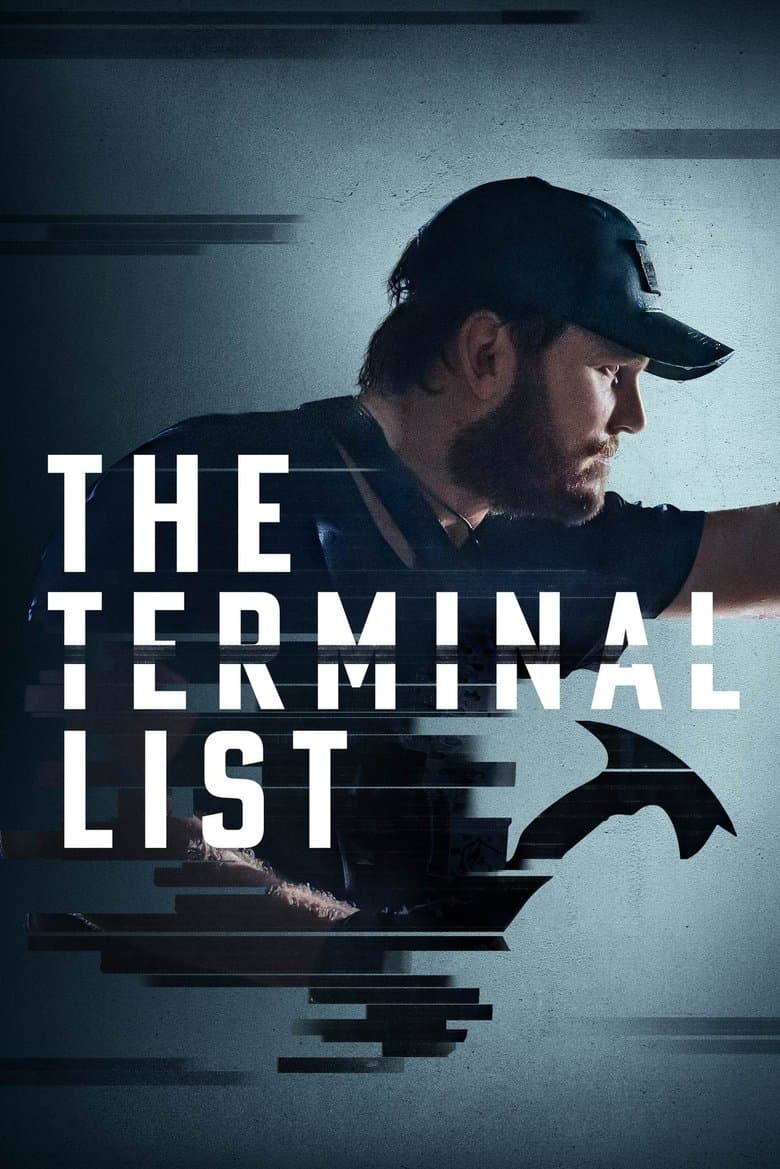
TV Show · 2022
Navy SEAL Commander James Reece turns to vengeance as he investigates the mysterious forces behind the murder of his entire platoon.
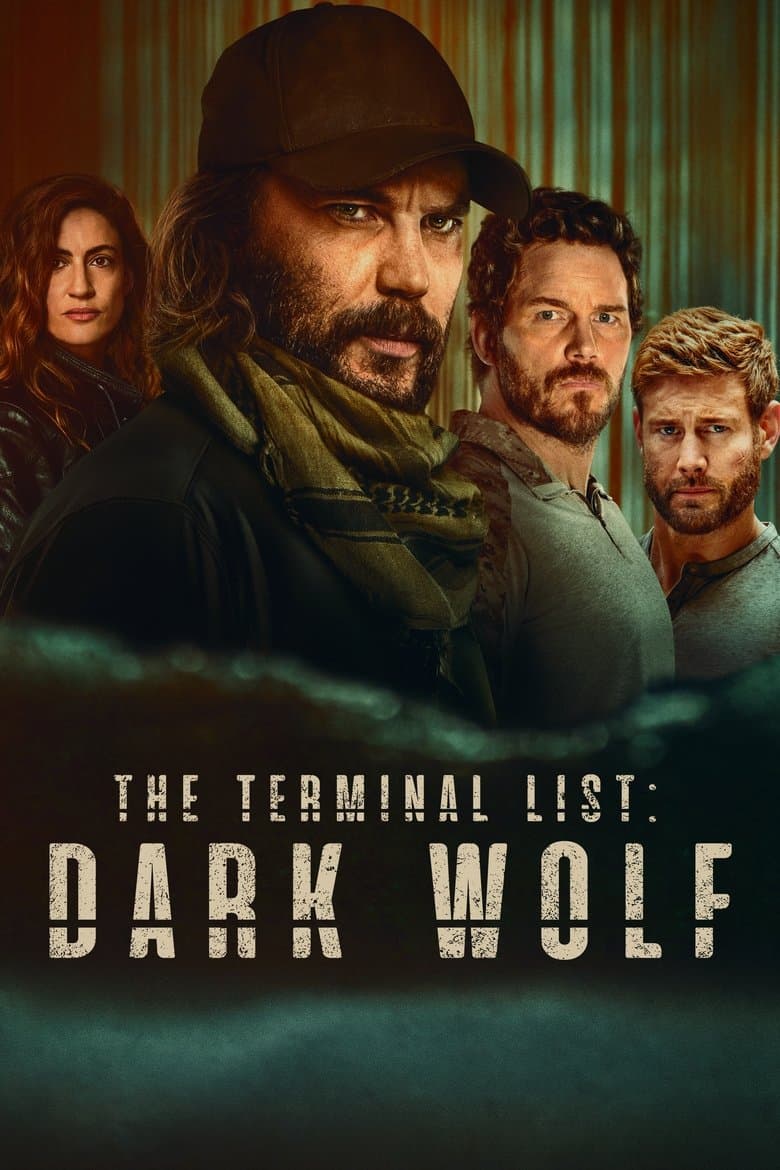
TV Show · 2025
Before The Terminal List, Navy SEAL Ben Edwards finds himself entangled in the black operations side of the CIA.
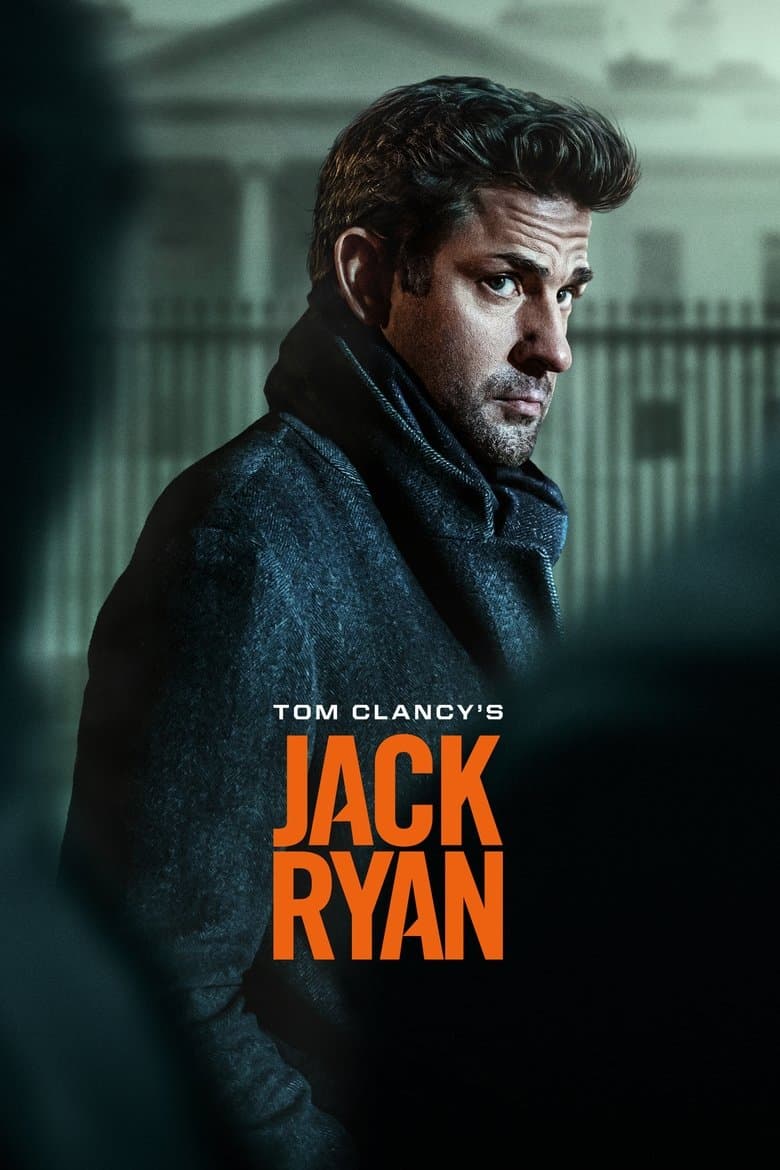
TV Show · 2018
When CIA analyst Jack Ryan stumbles upon a suspicious series of bank transfers his search for answers pulls him from the safety of his desk job and catapults him into a deadly…
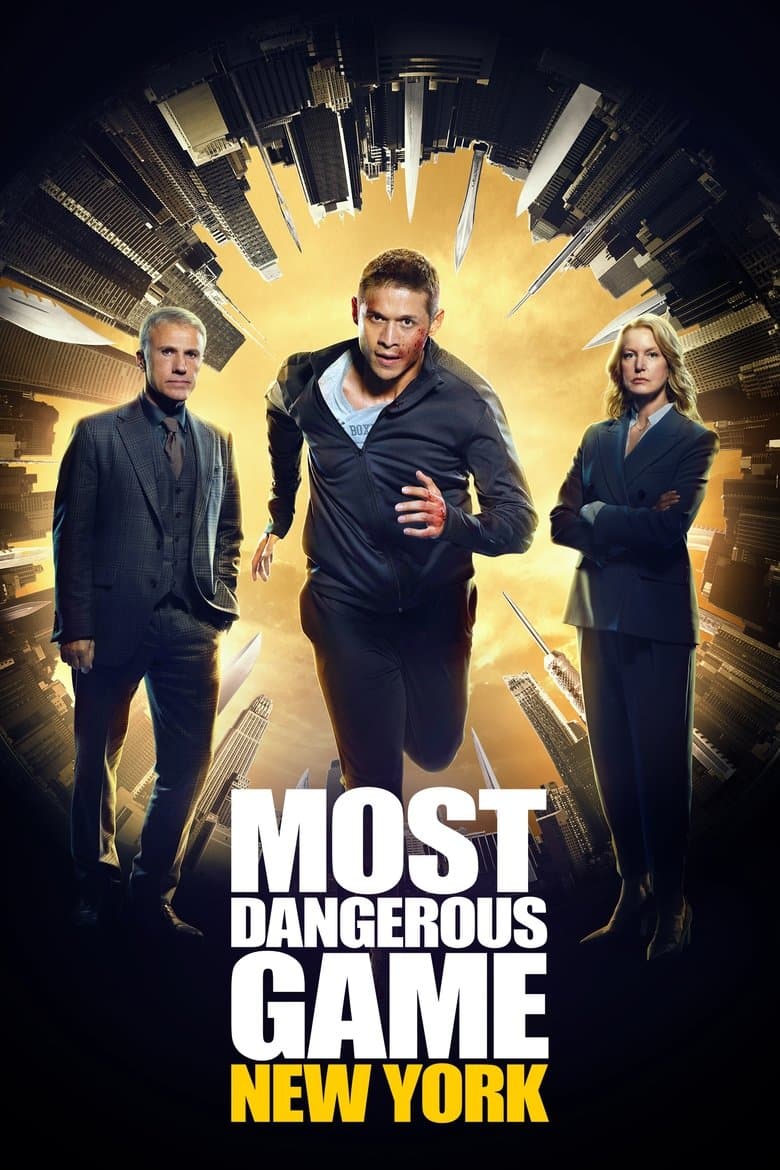
TV Show · 2020
Desperate to take care of his pregnant wife before a terminal illness can take his life, Dodge Maynard accepts an offer to participate in a deadly game where he soon discovers…
TV Show · 2021
Takemichi Hanagaki is a freelancer that’s reached the absolute pits of despair in his life. He finds out that the only girlfriend he ever had, in middle school, Hinata Tachibana…
