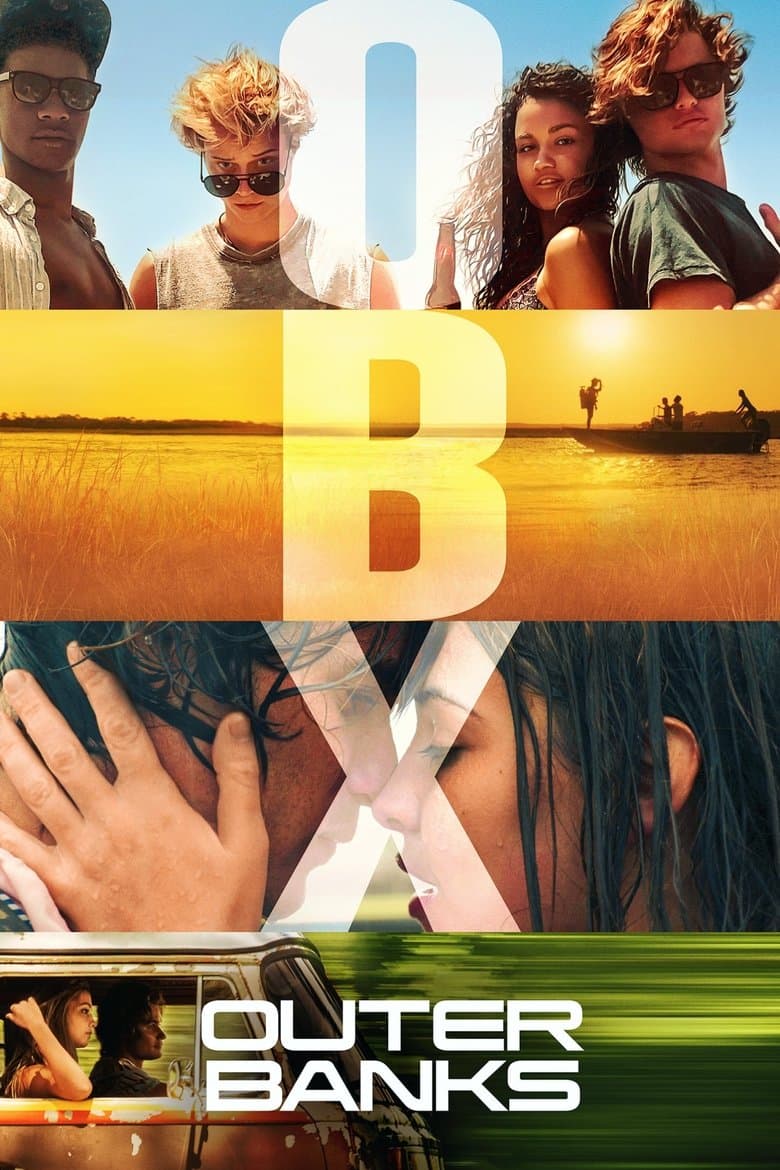
Started April 15, 2020 · Returning Series · Based on 4 seasons, 40 episodes through November 7, 2024 · TV-MA · 54 min
Outer Banks follows a tight-knit group of working-class teens called the Pogues as they search for lost treasure while clashing with wealthy rivals known as the Kooks on North Carolina's coast. Across five seasons the story expands into high-stakes international adventures, family secrets, romances, and survival challenges. Class tensions appear as a recurring backdrop through economic and lifestyle differences but stay rooted in classic adventure storytelling without modern activist framing. Casting features a naturally mixed friend group that fits the ensemble premise without narrative emphasis on identity.
Community feedback
Was our 17% Woke rating accurate?
Breakdown
These are the editorial factors and ratings behind our score for Outer Banks.
Woke representation / casting
Diverse lead cast (including black actors as Pope and biracial Kiara, plus later additions) integrates naturally into the friend group and coastal setting without visible signaling, swaps, or narrative focus on identity.
20%
Woke political dialogue
Dialogue centers on adventure, loyalty, family issues, and light class banter; no activist speeches, modern social-justice language, or ideological lectures appear.
10%
Identity-driven story themes
Class rivalry between Pogues and Kooks forms the main social thread but is handled as economic and cultural conflict in a traditional adventure format; no foregrounded race, gender, sexuality, or identity-politics arcs.
15%
Western institutional / cultural critique
Wealthy characters sometimes appear entitled or corrupt and some authority figures face criticism, but these remain standard villain tropes in a treasure-hunt story rather than modern activist critiques of patriarchy, capitalism, or Western institutions.
15%
Woke character or canon changes
Not relevant; fully original series with no existing canon or historical figures reinterpreted.
0%
Anti-woke backlash and complaints
No notable public complaints accuse the show of pushing woke, DEI, or identity politics messaging; available reaction centers on entertainment value and plot choices.
0%
Creator track record context
Key creators draw from regional coastal experiences for escapist storytelling; available public records show no pattern of political activism, social-justice projects, or identity-driven creative work.
0%
Production
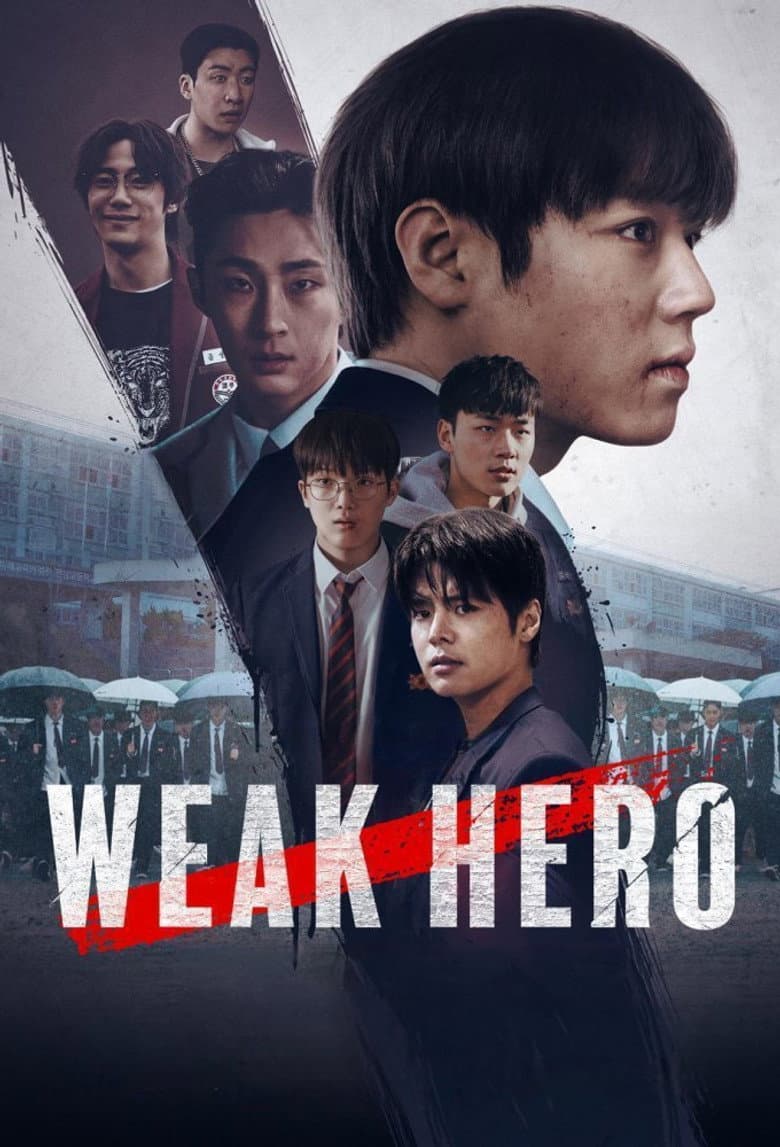
TV Show · 2022
With the aid of unexpected friends, a gifted but introverted student confronts bullies and violent foes — unaware of how dangerous his world will become.
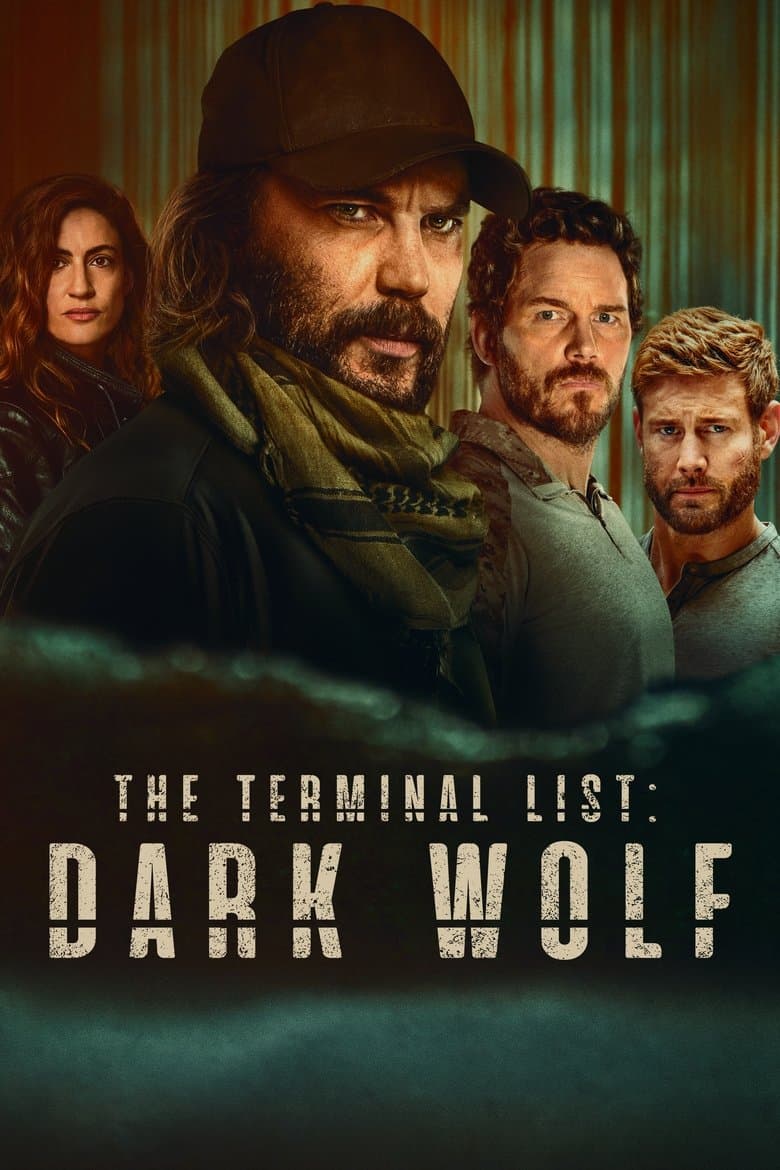
TV Show · 2025
Before The Terminal List, Navy SEAL Ben Edwards finds himself entangled in the black operations side of the CIA.
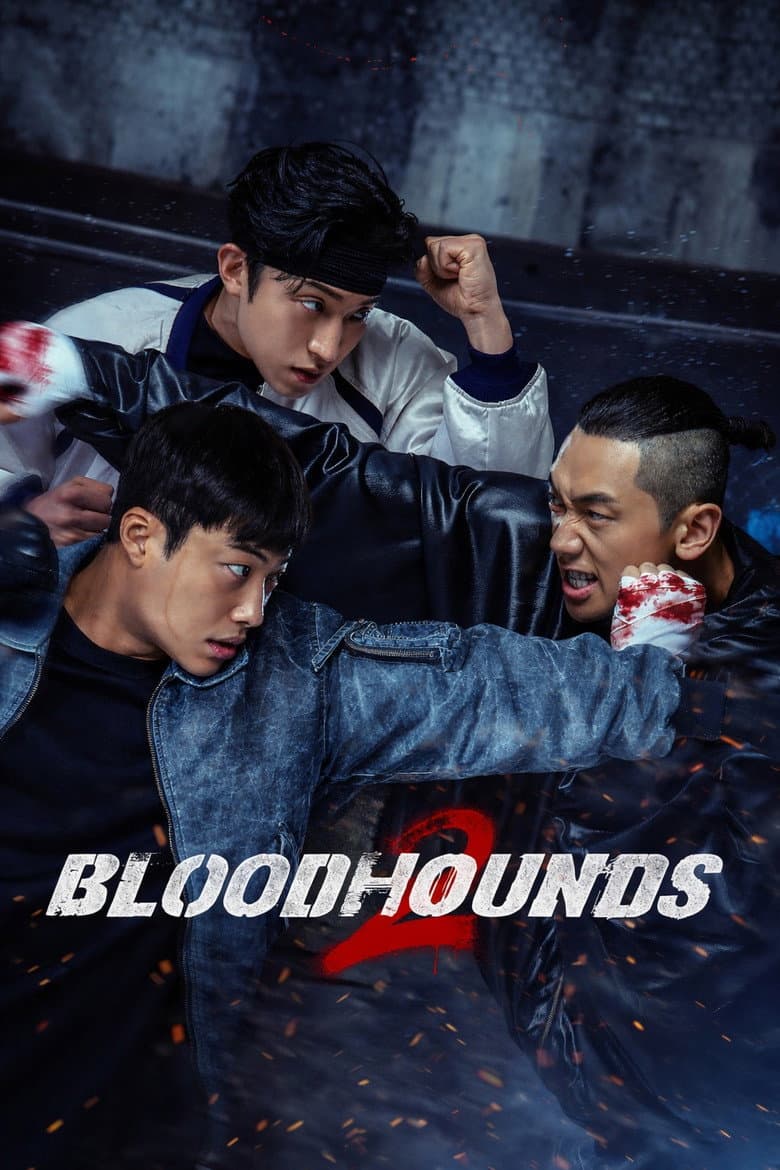
TV Show · 2023
Faced with ruthless foes with a violent thirst, two young boxers band together — risking life and limb to bring justice and protect their loved ones.
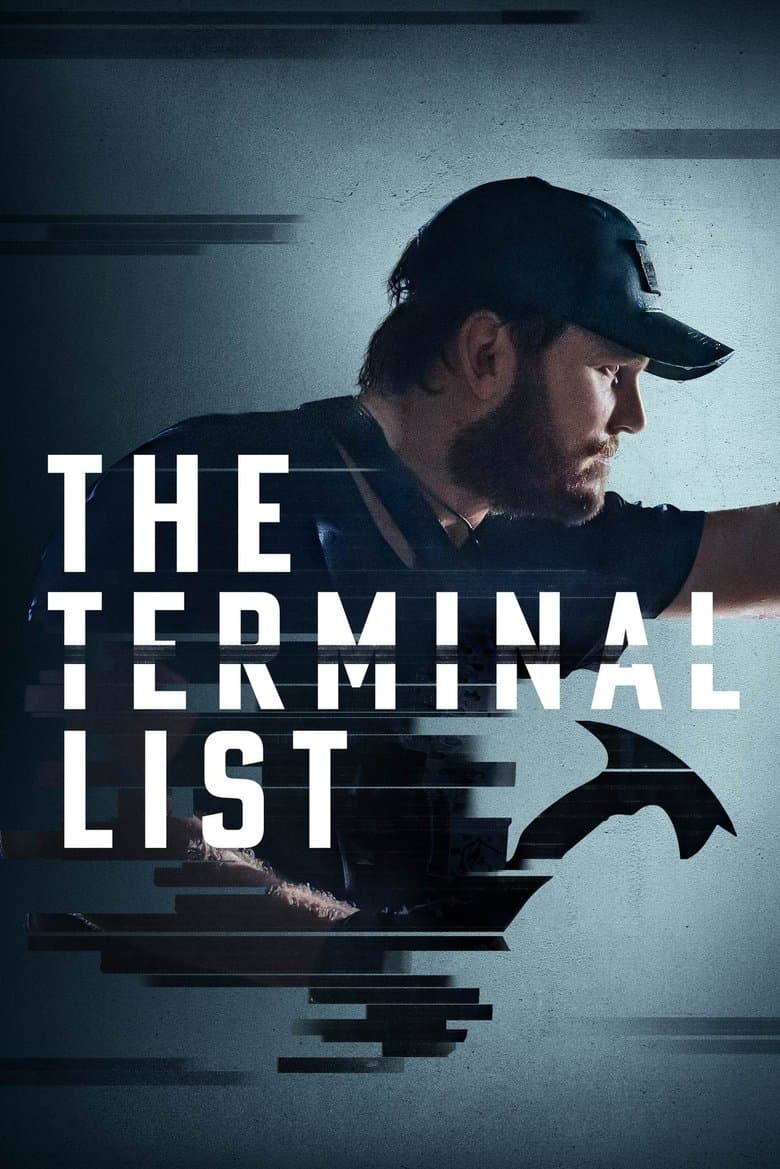
TV Show · 2022
Navy SEAL Commander James Reece turns to vengeance as he investigates the mysterious forces behind the murder of his entire platoon.
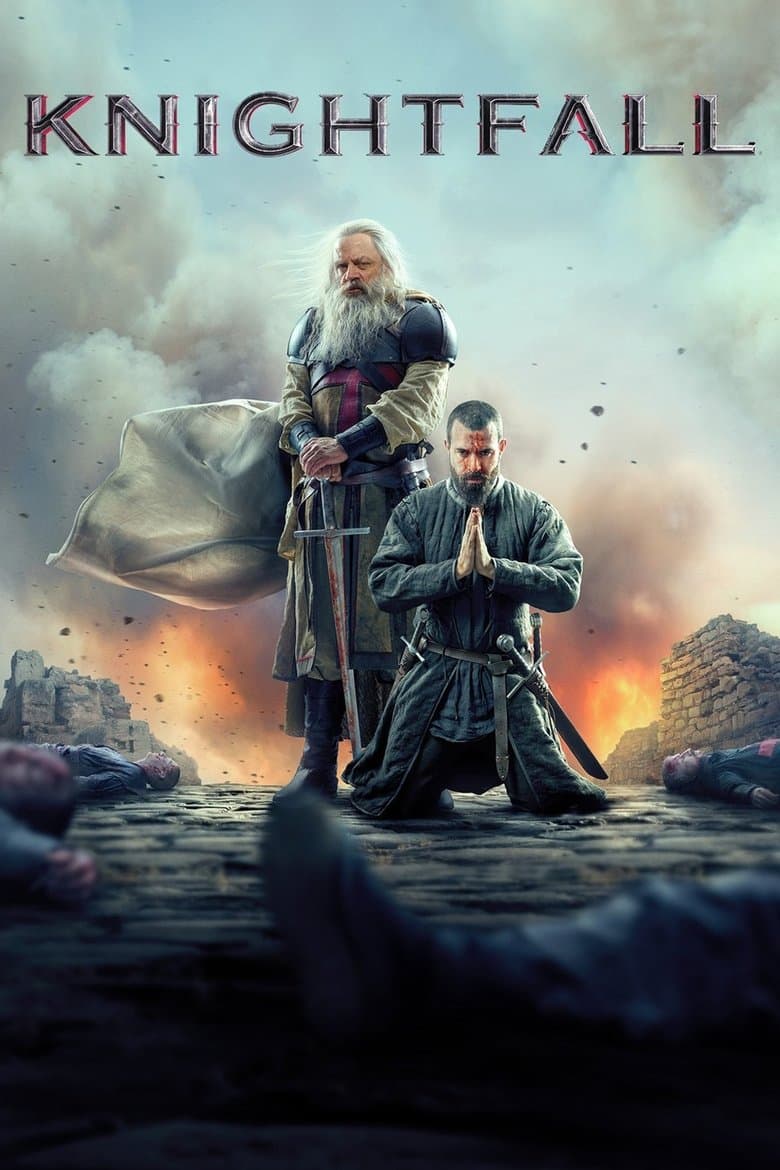
TV Show · 2017
Go deep into the clandestine world of the legendary brotherhood of warrior monks known as The Knights Templar.
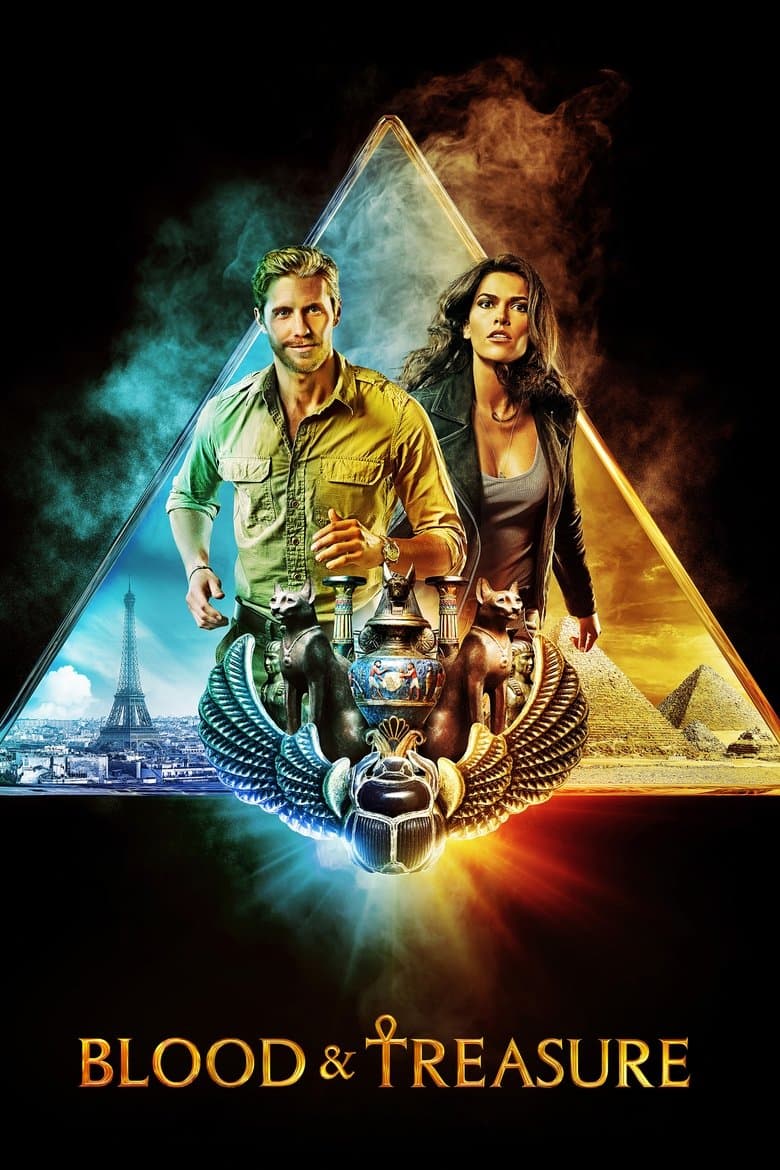
TV Show · 2019
An antiquities expert teams up with an art thief to catch a terrorist who funds his attacks using stolen artifacts.
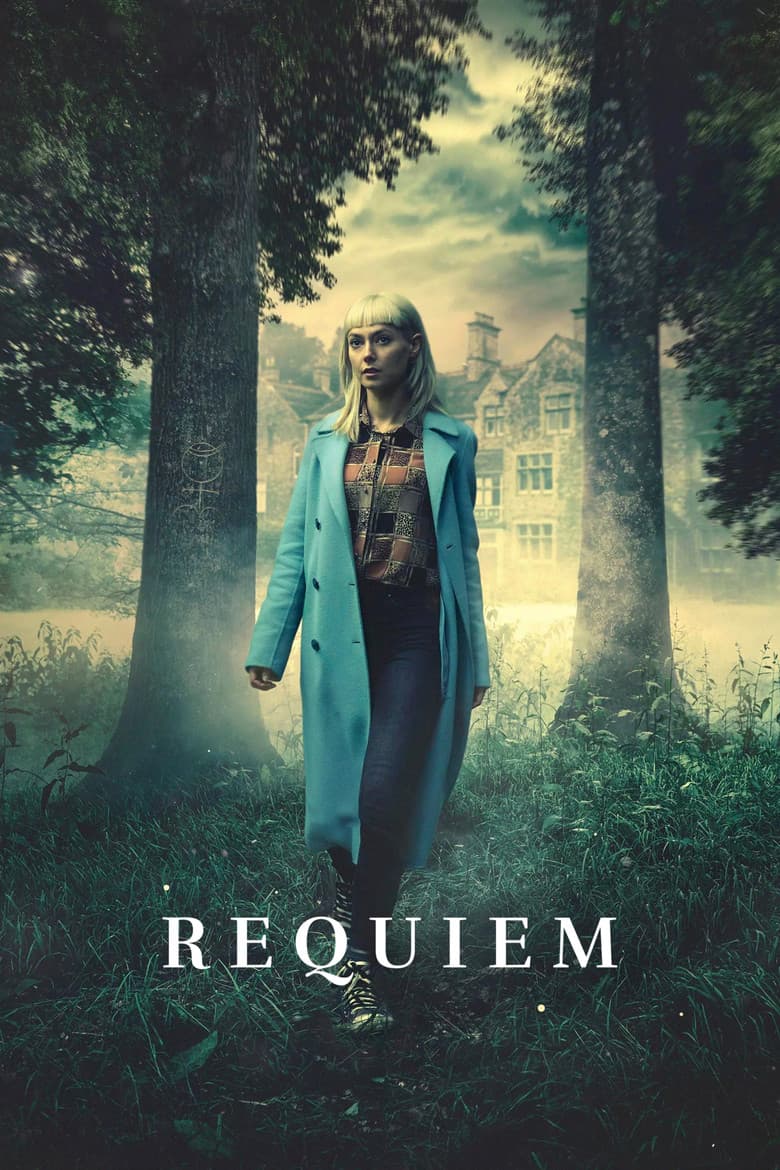
TV Show · 2018
In 1994, a toddler disappeared from a small Welsh village, never to be seen again. 23 years later, in London, the mother of rising cello star Matilda Gray commits suicide, without…
TV Show · 2018
When CIA analyst Jack Ryan stumbles upon a suspicious series of bank transfers his search for answers pulls him from the safety of his desk job and catapults him into a deadly…
