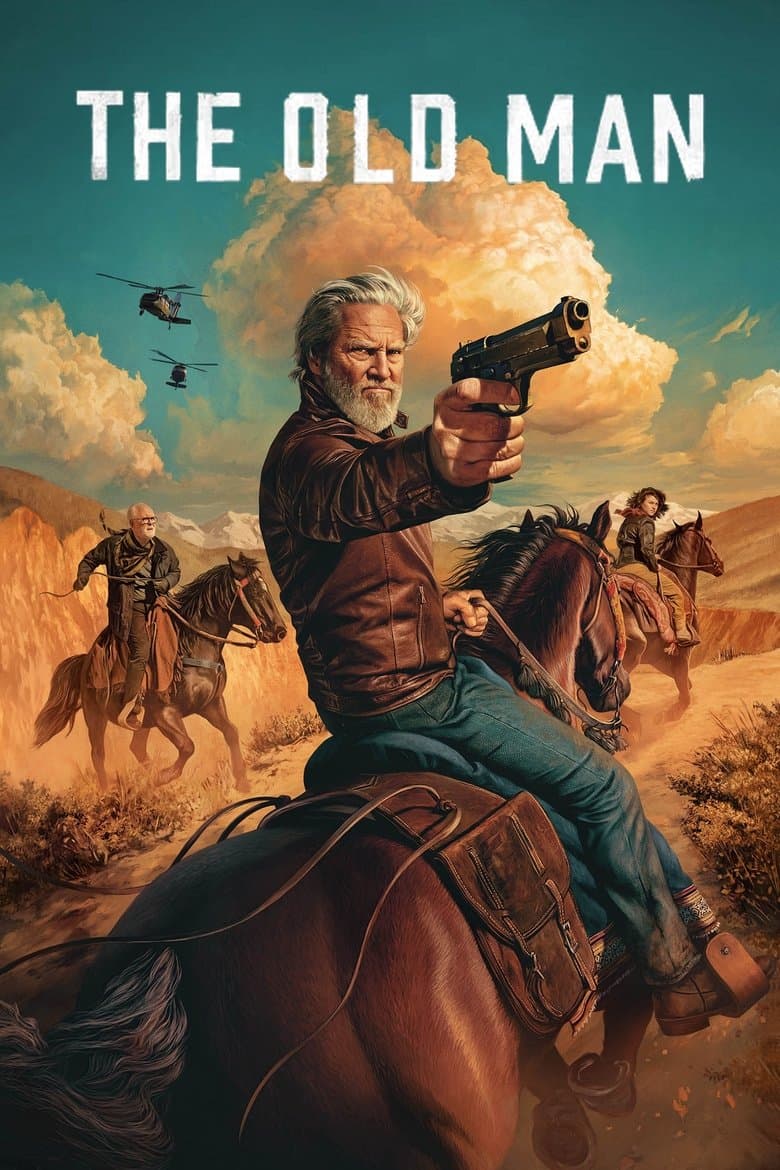
Started June 16, 2022 · Canceled · Based on 2 seasons, 15 episodes through October 24, 2024 · TV-MA
The Old Man is an FX spy thriller series based on Thomas Perry's 2017 novel. It follows ex-CIA operative Dan Chase (Jeff Bridges), a Vietnam and Afghanistan veteran living off the grid for decades, who must confront his past after an assassination attempt. The story spans two seasons and centers on his uneasy partnership with former colleague Harold Harper (John Lithgow), a complex history with Afghan warlord Faraz Hamzad, and the revelation that Chase's adopted daughter Emily (Alia Shawkat) is Hamzad's biological child, leading to a season-two rescue mission in Afghanistan focused on family loyalty and personal identity amid espionage.
Community feedback
Was our 13% Woke rating accurate?
Breakdown
These are the editorial factors and ratings behind our score for The Old Man.
Woke representation / casting
Casting features some diversity in key supporting roles that fit the story, including Alia Shawkat (Iraqi-American actress) as FBI agent and "daughter" Emily/Parwana with explicit plot justification via her biological Afghan father, Navid Negahban as Afghan warlord Hamzad, and Gbenga Akinnagbe as a hitman; these align with modern US agencies and the Afghanistan setting without clear quota-style emphasis or mismatch in prominent competent roles; main leads follow traditional spy thriller casting.
2%
Woke political dialogue
Dialogue and scenes focus on personal loyalties, spy tradecraft, betrayals, family bonds, and moral costs of past actions in standard thriller fashion; no activist, identity, DEI, or social-justice style speeches or framing appear in summaries or reviews.
0%
Identity-driven story themes
Central elements are father-daughter relationships, personal loyalty conflicts, and Emily's individual discovery of her biological Afghan family and heritage in season two; these play as emotional and character-driven arcs within the espionage plot rather than modern identity politics, representation messaging, or social-justice themes.
10%
Western institutional / cultural critique
Intelligence agencies appear bureaucratic and self-protecting, with pragmatic but costly alliances to warlords during the 1980s Soviet-Afghan conflict; this follows classic spy genre moral ambiguity about foreign policy and blowback rather than modern activist critiques of systemic issues, whiteness, patriarchy, or colonialism.
15%
Woke character or canon changes
Not relevant. The adaptation altered the source novel's Libya setting and details to Afghanistan and developed the daughter backstory for multi-season television storytelling; this supports dramatic expansion and historical context but shows no evidence of being driven by identity, DEI, or ideological reinterpretation of the book or real events.
0%
Anti-woke backlash and complaints
Limited to isolated viewer remarks, such as a single Reddit comment objecting to black casting in the assassin role as "woke politics"; no substantial social media, news, or organized right-leaning complaints frame the series as pushing woke, DEI, or left-wing content.
5%
Creator track record context
Primary developers Steinberg and Levine have low scores with no activist records; most writers and producers have low or mild profiles centered on genre work; episodic directors include one with guild diversity involvement (Zetna Fuentes) but others low; casting directors have non-activist professional histories; overall context remains mild.
12%
Production
TV Show · 2022
Navy SEAL Commander James Reece turns to vengeance as he investigates the mysterious forces behind the murder of his entire platoon.
TV Show · 2019
An antiquities expert teams up with an art thief to catch a terrorist who funds his attacks using stolen artifacts.
TV Show · 2025
Before The Terminal List, Navy SEAL Ben Edwards finds himself entangled in the black operations side of the CIA.
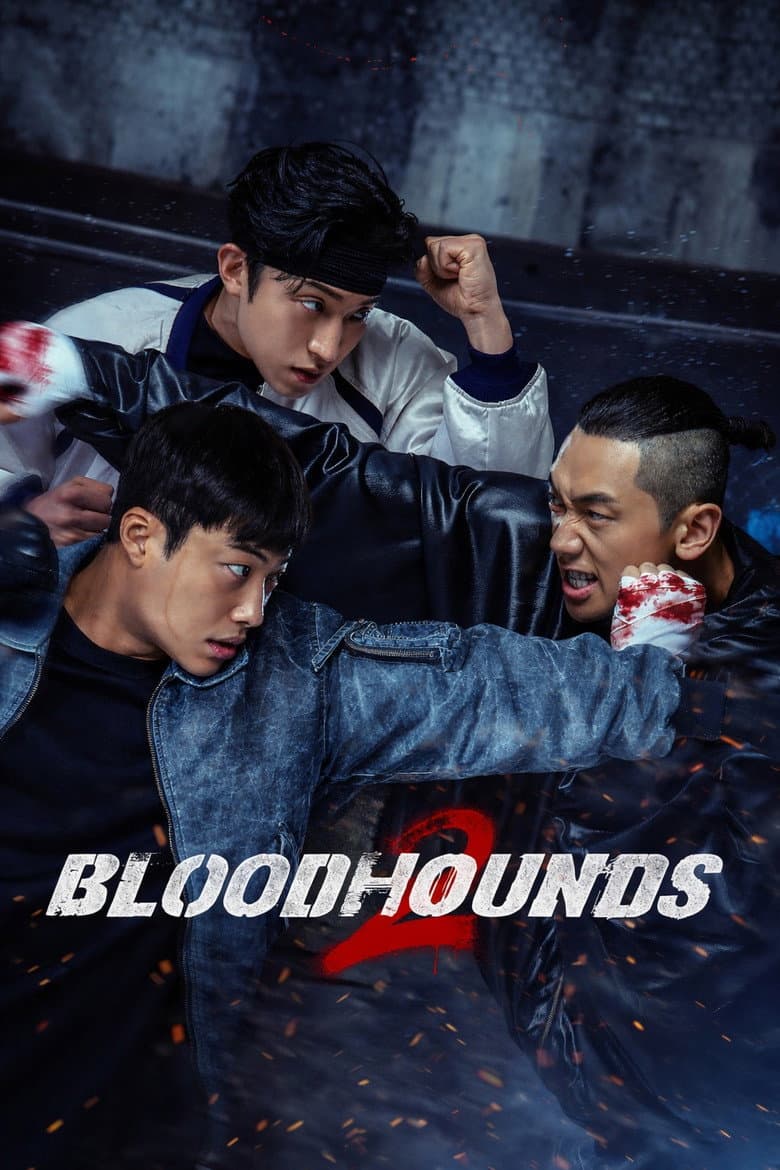
TV Show · 2023
Faced with ruthless foes with a violent thirst, two young boxers band together — risking life and limb to bring justice and protect their loved ones.
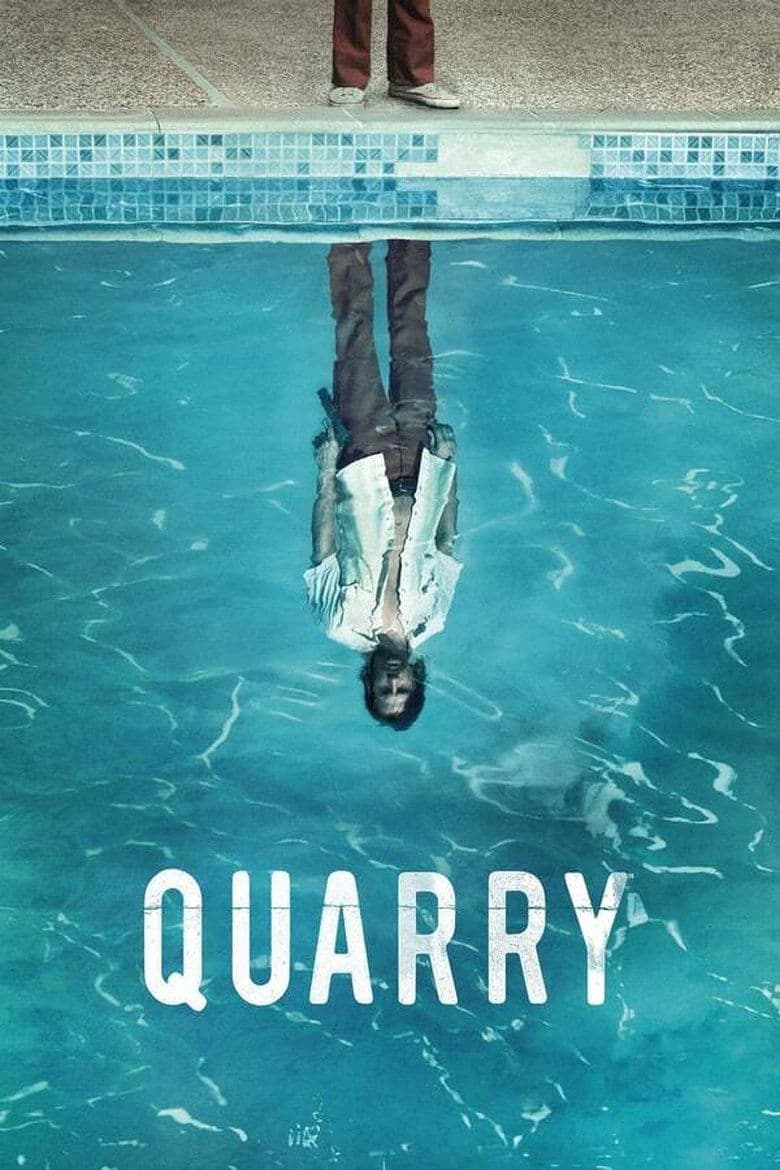
TV Show · 2016
The story of Mac Conway, a Marine who returns home to Memphis from Vietnam in 1972 and finds himself shunned by those he loves and demonized by the public.
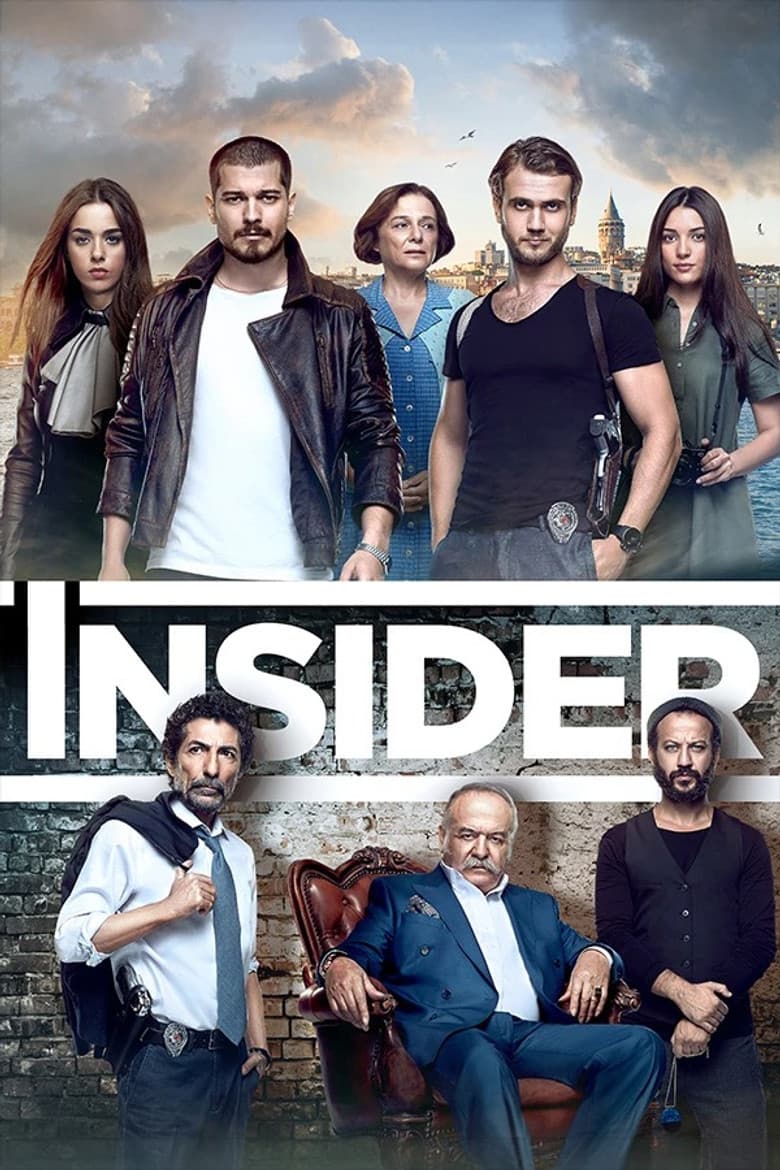
TV Show · 2016
Even though two brothers are completely separated from each other after the imprisoning of their father and the kidnapping of their twin brother, they meet by coincidence years…
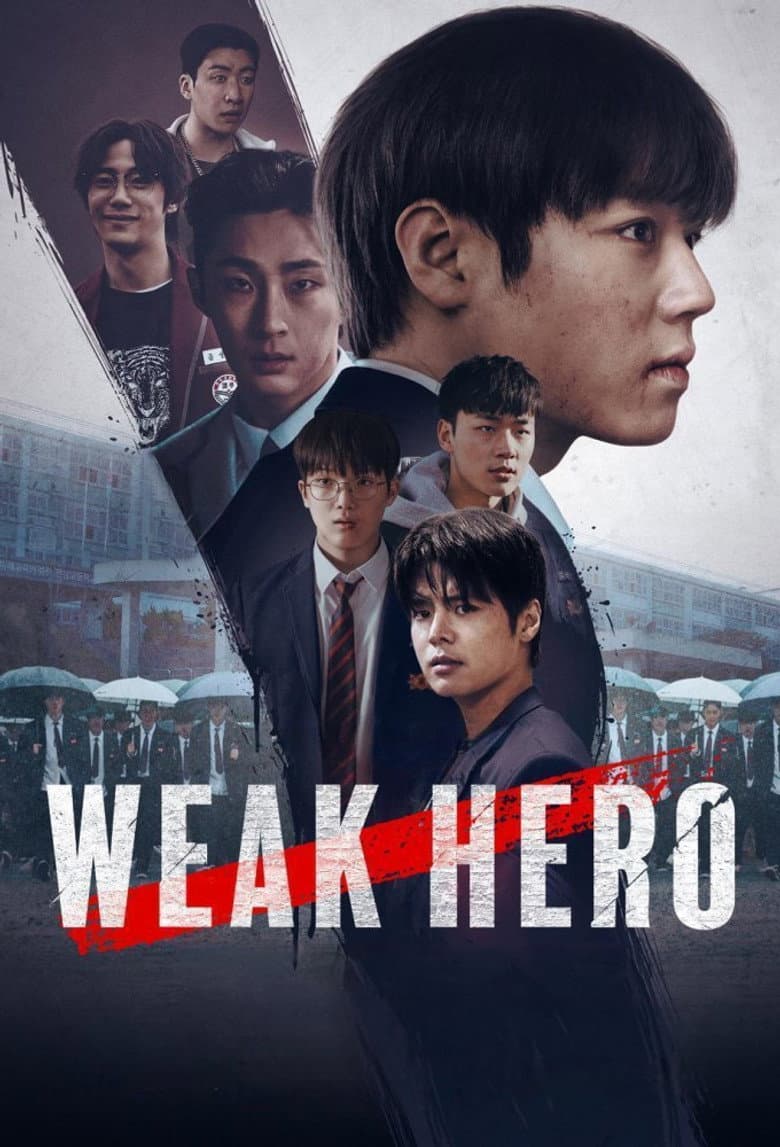
TV Show · 2022
With the aid of unexpected friends, a gifted but introverted student confronts bullies and violent foes — unaware of how dangerous his world will become.
TV Show · 2019
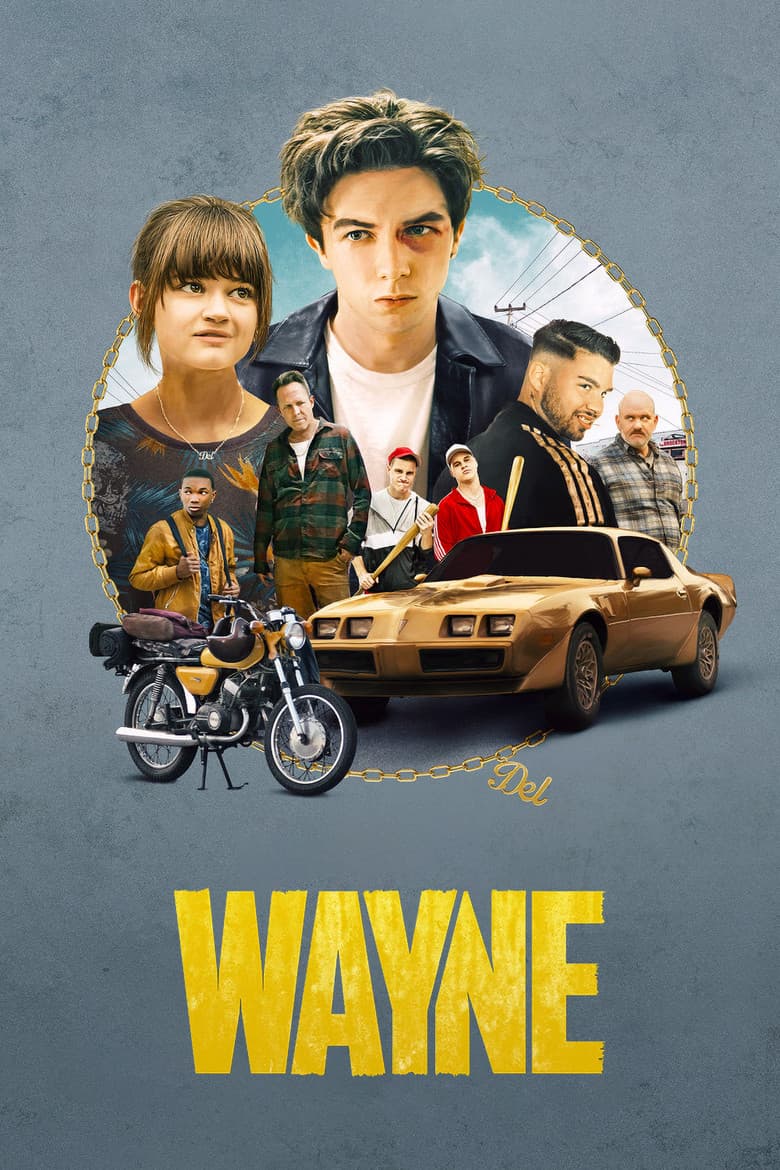
In this gritty and sometimes bloody tale, sixteen year-old Wayne sets out on a dirt bike with his new crush Del to take back the 1978 Pontiac Trans Am that was stolen from his…
