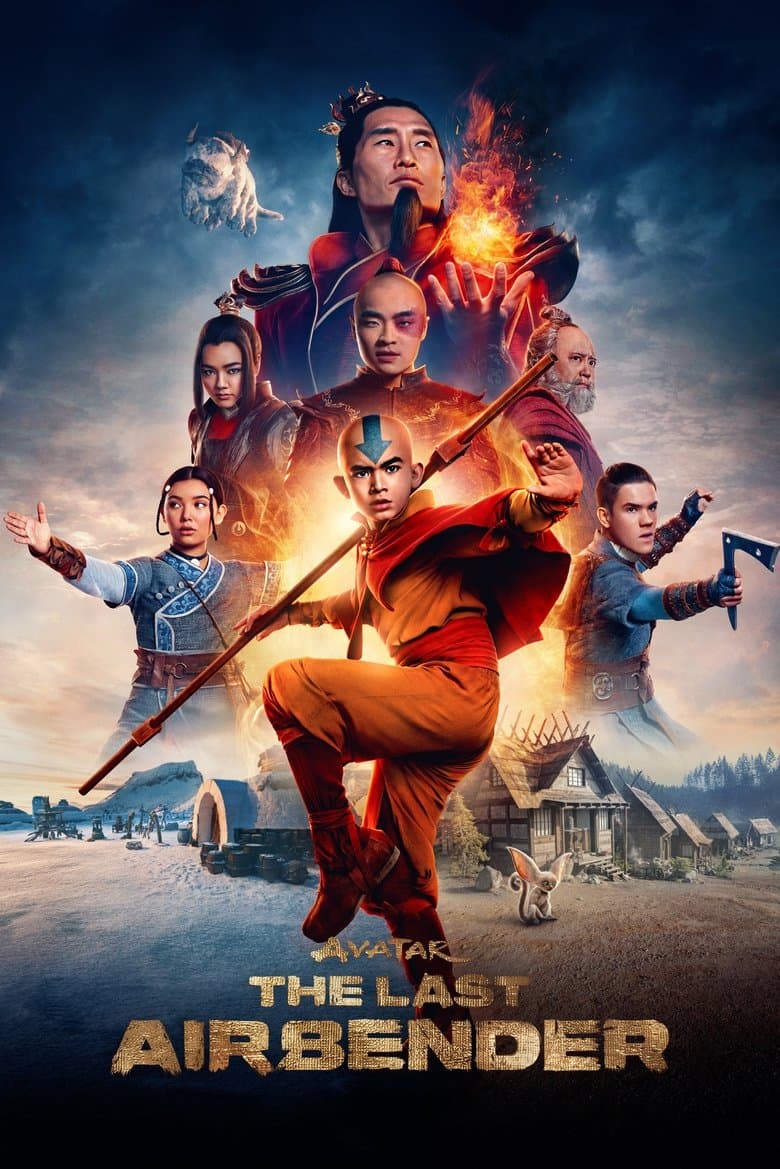
Started February 22, 2024 · Returning Series · Based on 1 season, 8 episodes through February 22, 2024 · TV-PG
Netflix’s live-action Avatar: The Last Airbender retells the Nickelodeon fantasy. After a century of Fire Nation conquest and the Air Nomad genocide, young Avatar Aang wakes up. He travels with Water Tribe siblings Katara and Sokka. They must master the elements while Fire Prince Zuko hunts him. Season 1 covers the path to the Northern Water Tribe siege. Season 2 follows the Earth Kingdom and Toph arc into Ba Sing Se with heavy timeline and character compression.
The adaptation is sold around ethnically authentic Asian and Indigenous casting that fits the source world. It also modernizes gender beats by softening Sokka’s early sexism and adjusting Katara. A clear identity-driven canon change makes earthbending origin figures Oma and Shu a same-sex couple. Those choices are visible to viewers but do not replace the main spine of the show. The core conflict remains fantasy imperialism, war, and destiny rather than modern identity politics as the main engine.
Community feedback
Was our 61% Woke rating accurate?
Breakdown
These are the editorial factors and ratings behind our score for Avatar the Last Airbender.
Woke representation / casting
The cast matches the Asian and Indigenous inspired nations of the source world rather than a modern mixed friend group. Production and press still treat casting as a representation mission. Showrunner Albert Kim said casting Asian and Indigenous actors was important for representation. Coverage framed the series as correcting whitewashing, which keeps the score in the lower range because the fit to the setting is strong.
30%
Woke political dialogue
There is no dominant modern activist speech. Dialogue still centers war, honor, and bending. The show de-emphasizes Sokka’s early sexist lines and his growth from those beats. Northern Tribe gender gatekeeping stays as story world conflict more than modern political jargon.
22%
Identity-driven story themes
The main spine is anti tyranny fantasy about genocide, imperialism, and balance. Noticeable modern signals include Oma and Shu rewritten as two women in the earthbending origin myth. The show also softens Sokka’s sexism and adjusts Katara for gender issues that did not translate well. Those identity themes are present and nameable but not the primary structure through Season 2.
48%
Western institutional / cultural critique
Fire Nation conquest and Ba Sing Se’s secret police are setting logical tyranny and corruption. They do not target modern Western institutions, Christianity, capitalism, or whiteness. Mild gender role sanitization around Sokka is the main light signal. The show is not a sustained essay against toxic masculinity or conservative culture.
18%
Woke character or canon changes
Clear identity driven changes include Oma and Shu becoming a same sex couple instead of the established hetero origin myth. Sokka’s foundational sexism arc is largely removed as modernization. Katara is adjusted for gender issues while ordinary plot compression is not counted here.
52%
Anti-woke backlash and complaints
Complaints about Oma and Shu, Sokka’s sexism removal, and Katara gender comments appear on culture war blogs and social media. Some Season 2 posts call gender and personality changes woke nonsense. Much broader dislike focuses on writing, tone, and pacing. There is no franchise defining anti woke firestorm.
28%
Creator track record context
Showrunner Albert Kim openly prioritizes Asian representation and diverse creative voices. Directors include Roseanne Liang and Michael Goi with equity and Asian American industry ties. Original co creators left early over creative control. The overall creative signal is moderate representation industry focus, not activist dominance.
40%
Production
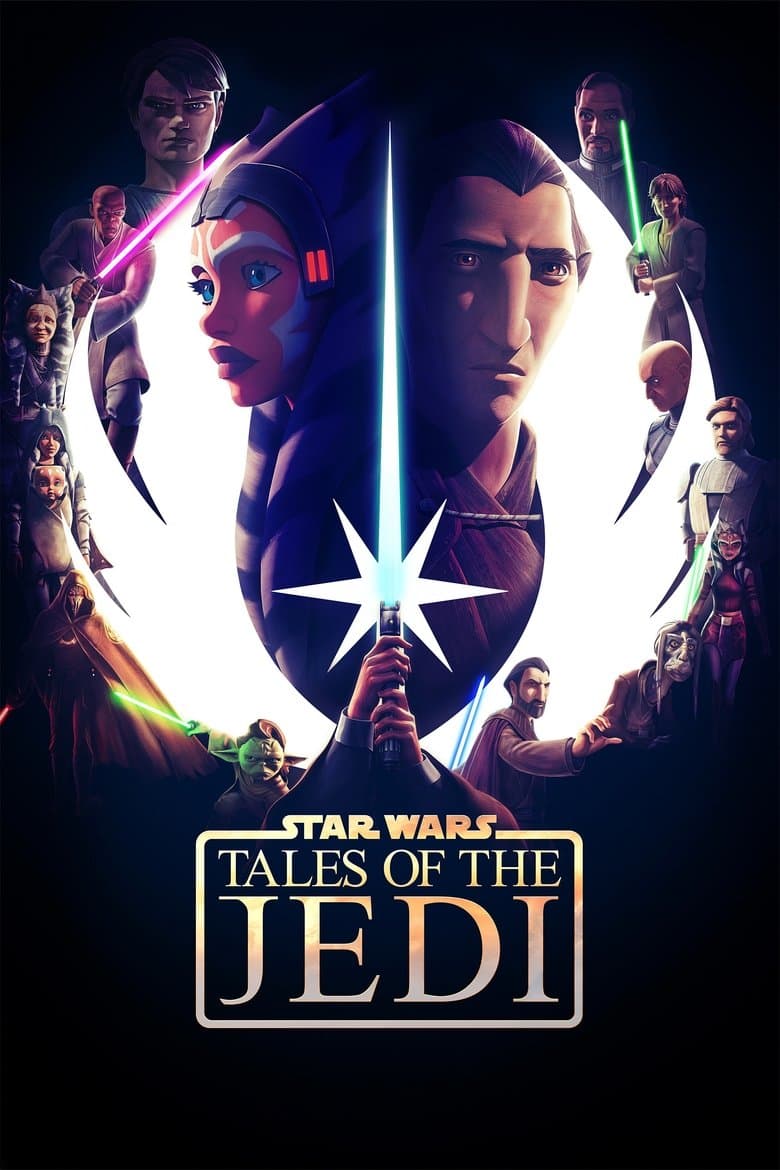
TV Show · 2022
Journey into the lives of two distinctly different Jedi from the prequel era – Ahsoka Tano and Count Dooku. Each will be put to the test as they make choices that will define…
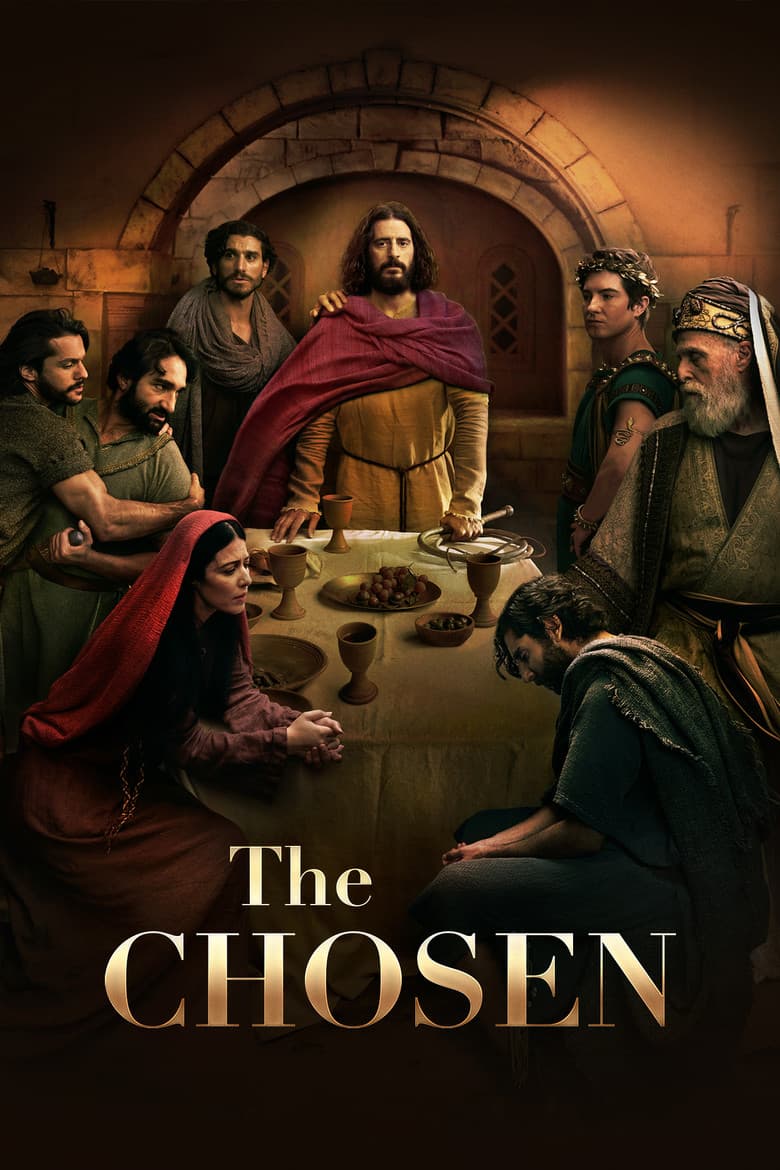
TV Show · 2019
The life of Christ through the eyes of those who encountered him.
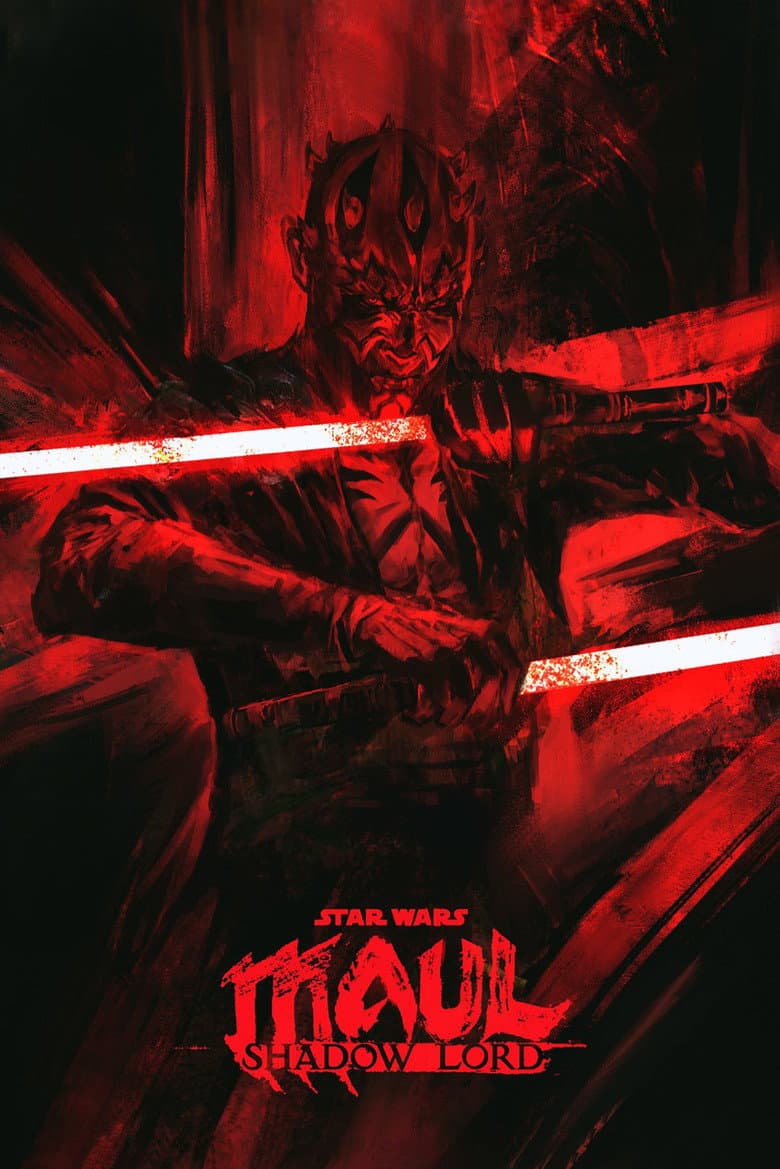
TV Show · 2026
After the Clone Wars, Maul plots to rebuild his criminal syndicate on a planet untouched by the Empire.
TV Show · 2025
Two outlaws must navigate the galaxy's dangerous underworld as they chart their destinies.
TV Show · 2021
The 'Bad Batch' of elite and experimental clones make their way through an ever-changing galaxy in the immediate aftermath of the Clone Wars.
TV Show · 2022
When an explosive battle with Dr. Eggman shatters the universe, Sonic races through parallel dimensions to reconnect with his friends and save the world.
TV Show · 2018
The Boss Baby brings his big brother Tim to the office to teach him the art of business in this animated series sprung from the hit film.
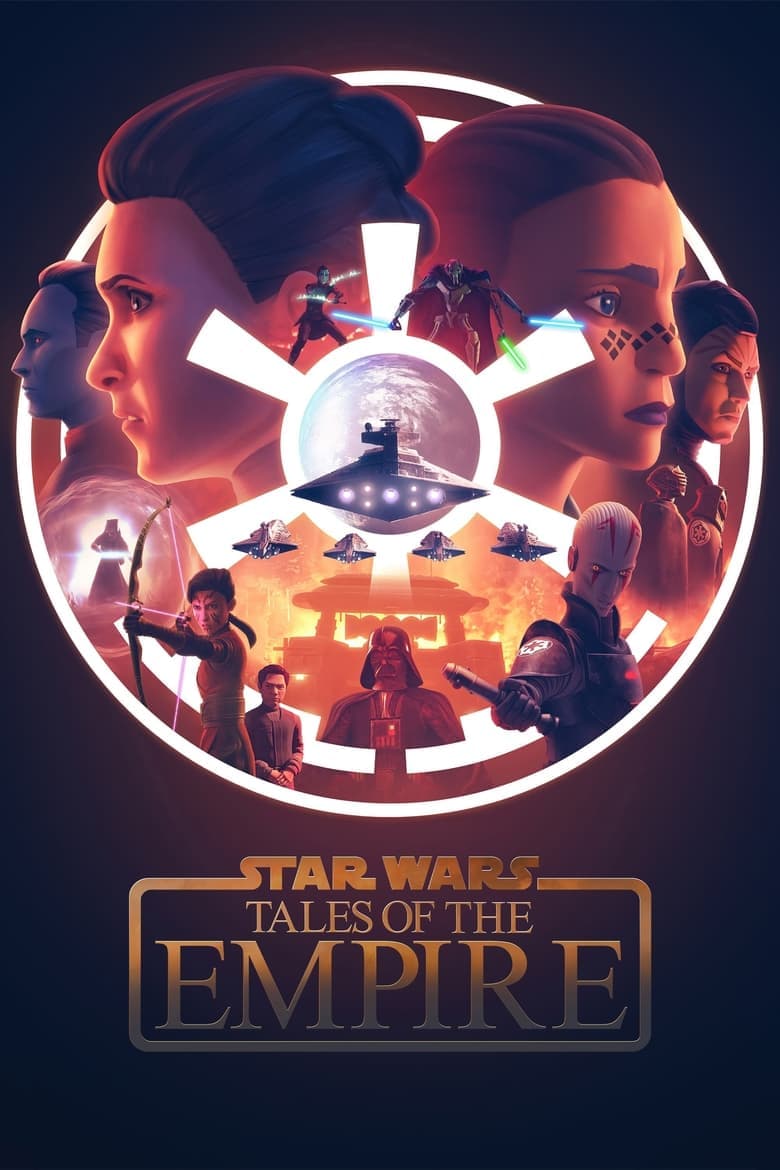
TV Show · 2024
A journey into the fearsome Galactic Empire through the eyes of two warriors on divergent paths.
