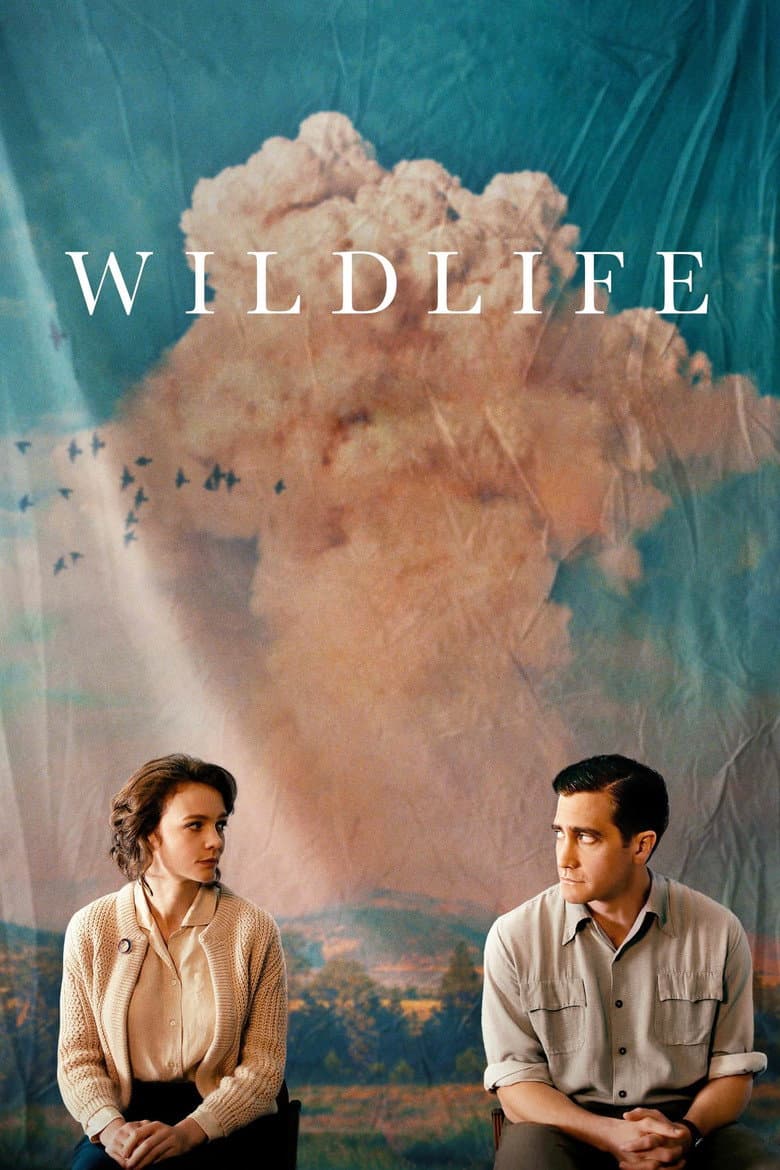
Wildlife follows Joe Brinson, a quiet 14-year-old boy living with his parents in 1960 Montana. His father, Jerry, loses his golf job and leaves to fight a large forest fire, while his mother, Jeanette, tries to keep the family alive. Joe becomes the watcher of a marriage that is falling apart and starts doing adult tasks before he is ready. The film has a slow, sad, and tense tone, with the fire acting as a picture of the family’s growing trouble.
The strongest woke element is Jeanette’s fight against the old idea that a wife should stay cheerful, stay home, and build her life around her husband. She takes work, speaks openly about the choices she gave up, and starts planning a life that does not depend on Jerry. The story treats her search for freedom with clear sympathy, even when she lies, drinks, has an affair, and hurts Joe. The film also shows Jerry’s pride and need to prove himself as part of the damage, so the gender-role message is central but stays inside a personal family drama.
Community feedback
Was our 45% Woke rating accurate?
Breakdown
These are the editorial factors and ratings behind our score for Wildlife.
Woke representation / casting
Not present. The main cast is white and fits the small Montana setting in the 1960s. The film does not frame its casting as a diversity or identity statement.
0%
Woke political dialogue
Jeanette says she is a grown woman and asks Jerry to act like a grown man. She says she left college to follow her husband and regrets where that choice led her. She talks about men leaving home when they go crazy or find another woman. These lines bring gender roles into several family scenes, but the film does not give a modern political speech.
25%
Identity-driven story themes
Jeanette spends much of the film fighting the life expected of a 1960s wife and mother. She gets work, chooses a separate apartment, and decides she cannot simply wait for Jerry. The story asks viewers to understand her need for a life of her own even while it shows her affair and the harm she causes Joe. Her struggle is central, but the film stays a sad family drama rather than an organized activist story.
48%
Western institutional / cultural critique
The film shows the 1960s breadwinner family as a hard trap for Jeanette when Jerry leaves and she has no steady work. Jeanette says she gave up college to follow Jerry and lost a chance at another life. Jerry’s pride and need to prove himself are shown as part of the family’s damage. The film keeps this criticism inside one troubled marriage and does not attack churches or other Western institutions.
38%
Woke character or canon changes
Not relevant. Wildlife adapts Richard Ford’s novel, but no race, gender, sexuality, or hero-role change to an established character or real person was reported. The film keeps the same family and period setting.
0%
Anti-woke backlash and complaints
Not present. News, audience pages, Reddit searches, and the supplied X pass show no specific complaint that the film pushes woke, DEI, or identity politics. Some reported viewers disliked Jeanette’s choices, but that is not a clear anti-woke complaint.
0%
Creator track record context
Zoe Kazan has a strong feminist and representation-focused public record, and she co-wrote this film. Paul Dano has little public activist or identity-politics history, and Richard Ford is mainly a literary writer with mild liberal themes. Several producers have progressive social or queer-related credits, but their links to this film are limited. The overall creator context is moderate and fits the film’s focus on a woman pushing against old family roles.
40%
Production
Movie · 2016
On 15 January 2009, the world witnessed the 'Miracle on the Hudson' when Captain 'Sully' Sullenberger glided his disabled plane onto the Hudson River, saving the lives of all 155…
Movie · 2017
In 1950, amidst the ravages of the Korean War, Sergeant Süleyman stumbles upon a a half-frozen little girl, with no parents and no help in sight and he risks his own life to save…
Movie · 2022
A quiet, neglected girl is sent away from her dysfunctional family to live with relatives for the summer. She blossoms in their care, but in this house where there are meant to be…
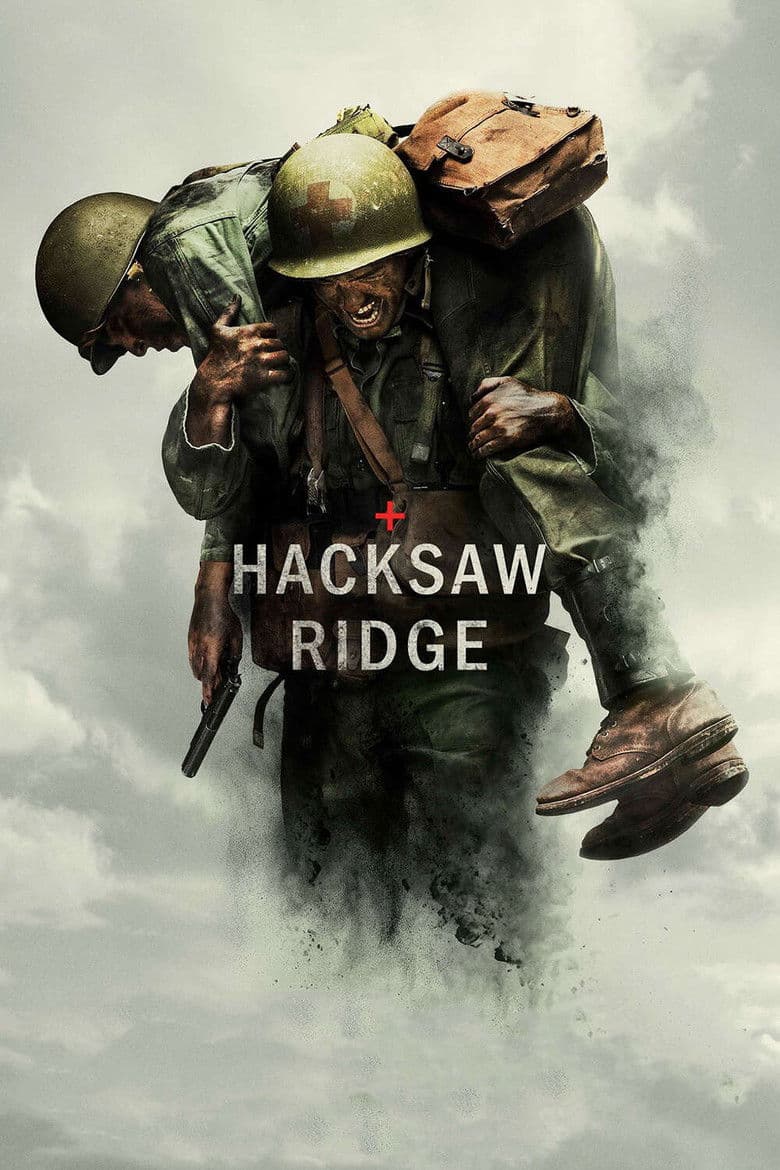
Movie · 2016
WWII American Army Medic Desmond T. Doss, who served during the Battle of Okinawa, refuses to kill people and becomes the first Conscientious Objector in American history to…
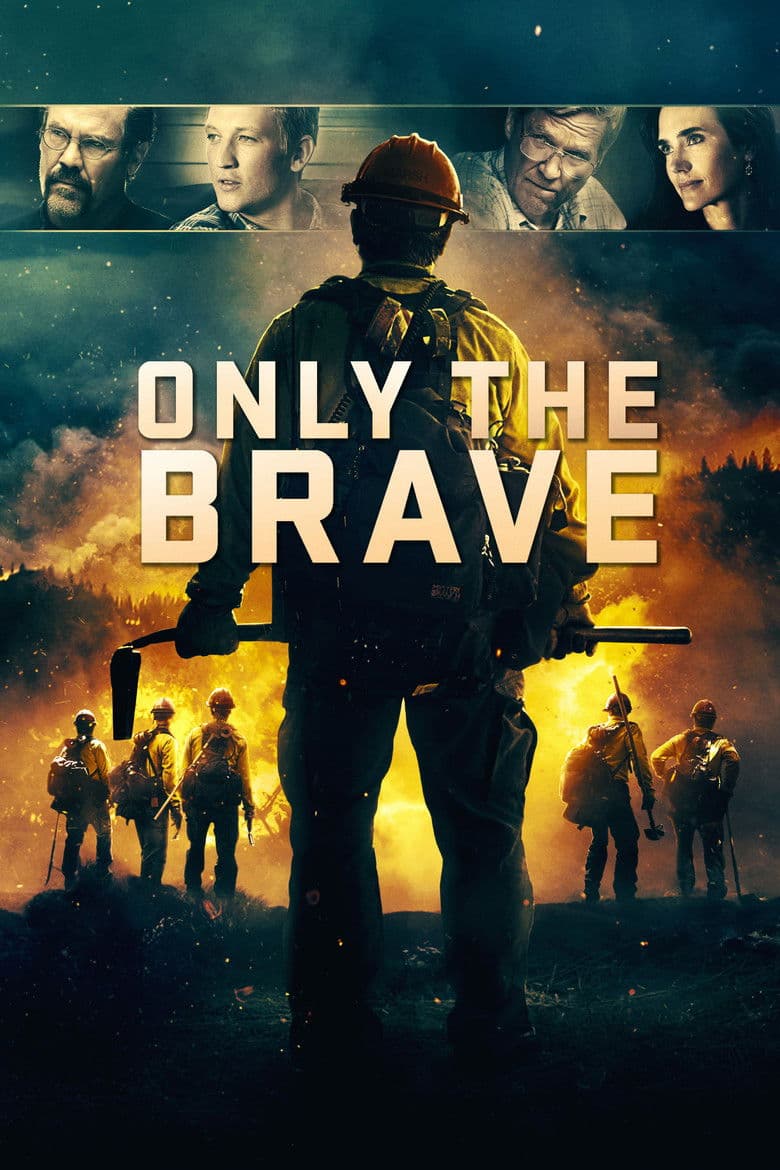
Movie · 2017
Members of the Granite Mountain Hotshots battle deadly wildfires to save an Arizona town.

Movie · 2026
While people across 1990s Iraq struggle to survive the war and food shortages, Saddam Hussein requires each school in the country to prepare a cake to celebrate his birthday.
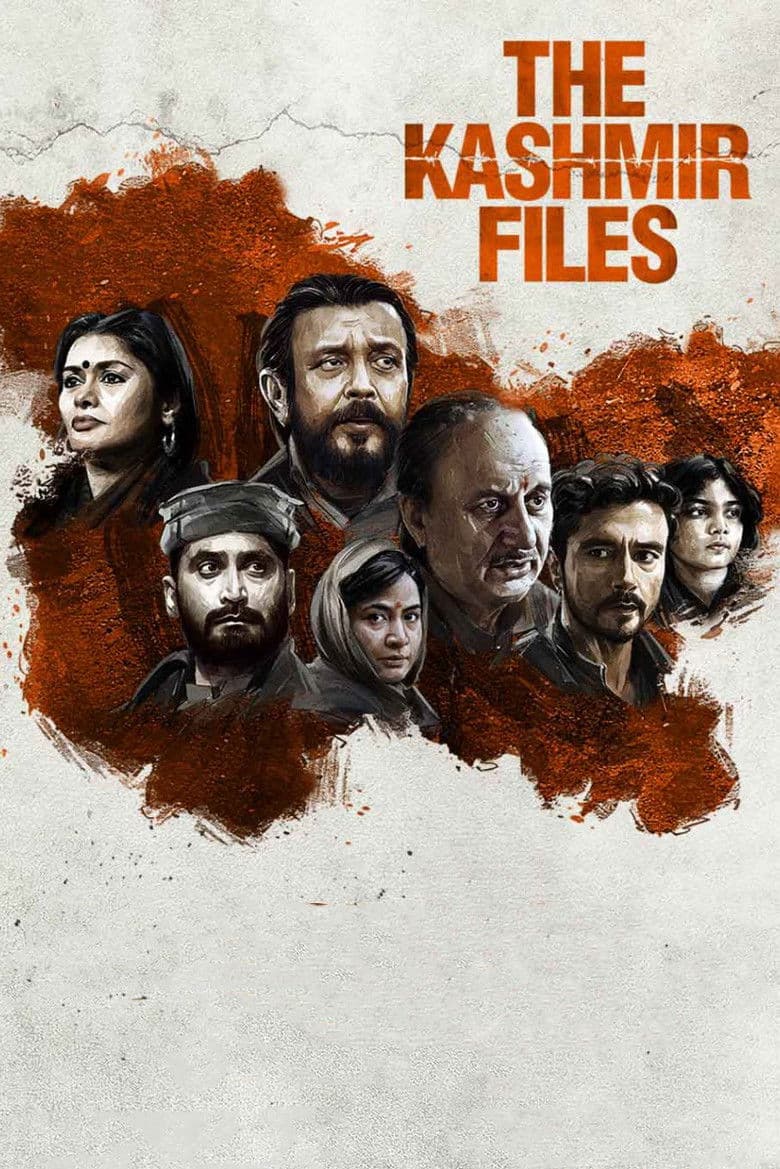
Movie · 2022
Based on a true tragedy, the emotionally triggering film sheds light on the plight of Kashmiri Pandits (Hindus), a religious minority in the 1990s Kashmir valley, who were…
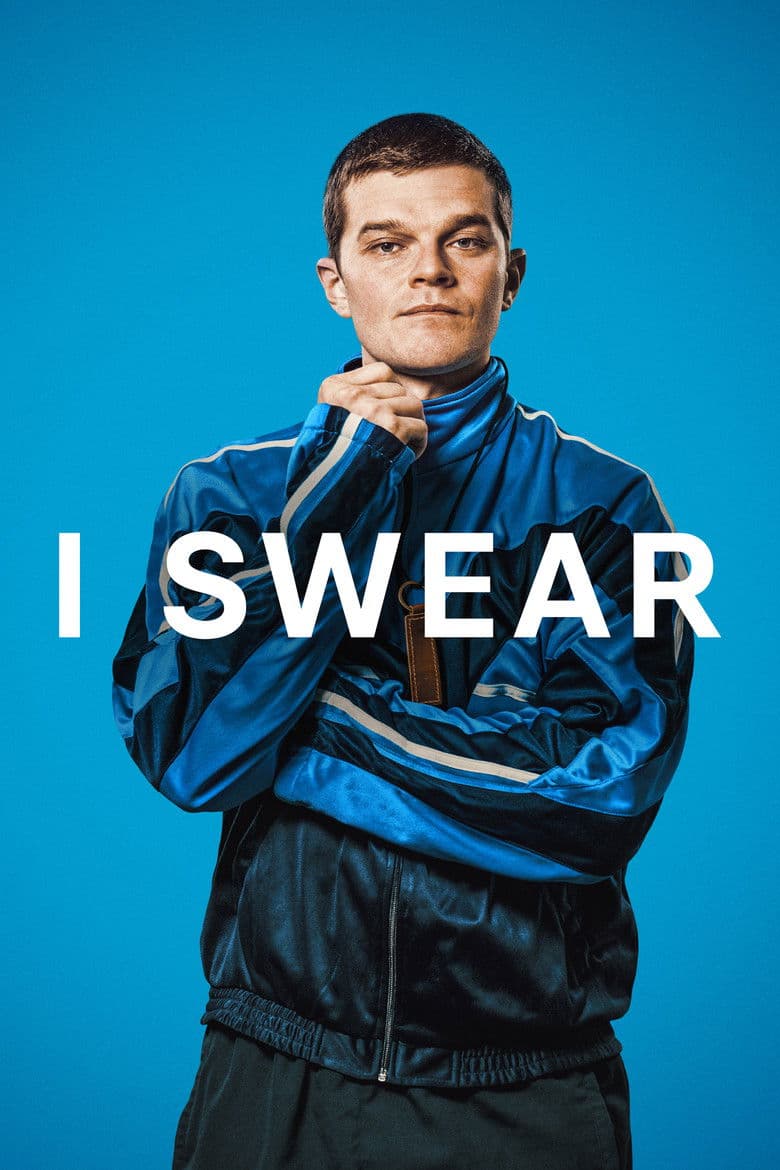
Movie · 2025
Diagnosed with Tourette Syndrome at 15, John Davidson navigates his way against the odds through troubled teenage years and into adulthood, finding inspiration in the kindness of…
