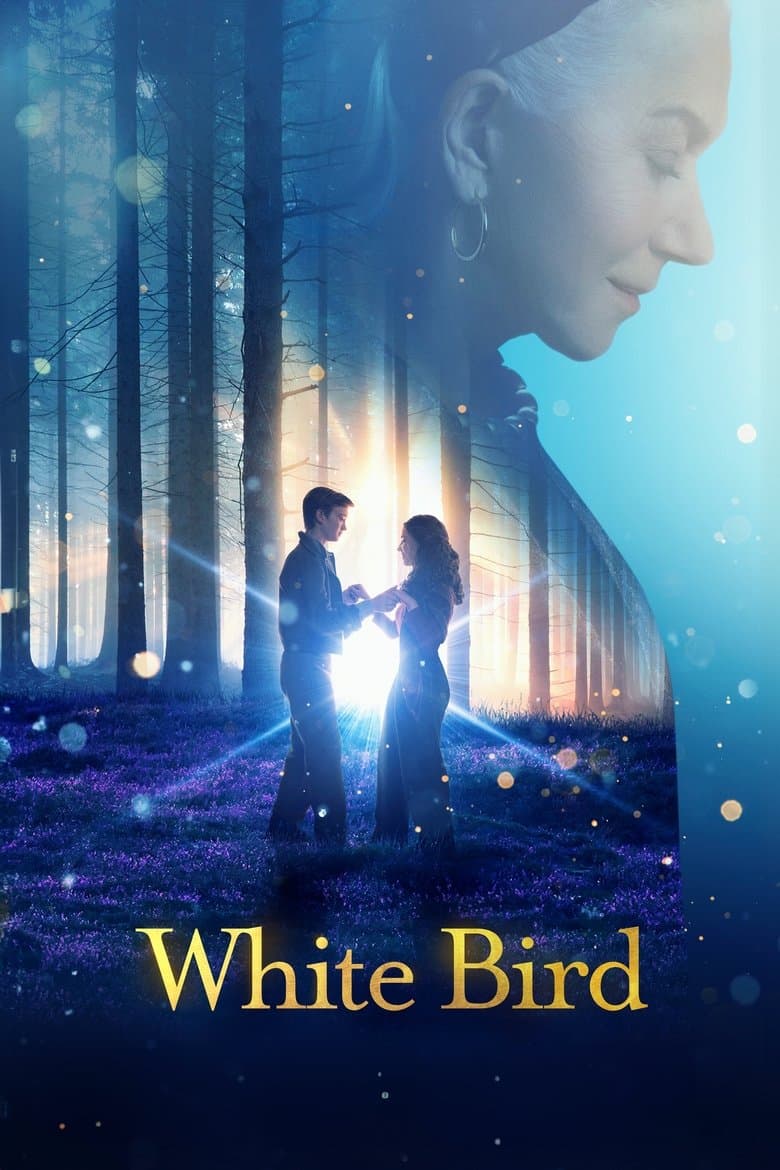
Julian is a teen who was kicked out of his old school for being cruel to a classmate. At his new school he feels alone and unsure how to act. His grandmother Sara visits and tells him what happened to her as a Jewish girl in Nazi-ruled France. A classmate with a bad leg from polio hides her in a barn, and they grow close while danger closes in. The tone is sad, warm, and meant for families.
The movie’s big push is kindness, courage, and standing up to hate, told through a Holocaust survival story and a modern frame about bullying. Viewers will notice clear moral lessons about empathy and helping people who are treated as different, including a Jewish girl and a disabled boy. Some reviews and the ending call people to fight injustice now, not only in the past. That soft “lesson for today” feel is easy to see, but it stays on universal kindness and history, not race-swap casting, queer storylines, or heavy modern identity politics. Participant Media, known for cause-driven films, helped make it, and author R.J. Palacio has linked the book’s themes to current politics, while the movie itself is mostly a classic hide-and-survive war drama with a teen romance.
Community feedback
Was our 33% Woke rating accurate?
Breakdown
These are the editorial factors and ratings behind our score for White Bird.
Woke representation / casting
Leads match 1940s France and a Jewish family story. Disability (polio) is built into the plot and setting, not a modern race or gender swap. No clear quota-style identity casting in the big roles. Only a light signal from making a disabled teen a main hero of kindness.
12%
Woke political dialogue
Characters and the grandmother’s frame push clear lines about kindness, courage, and not staying quiet when people are hurt. Some reviews note a closing push to fight injustice now. It is moral and easy to hear, but not packed with modern DEI or identity-politics slogans.
26%
Identity-driven story themes
Story turns on Jewish life under Nazis, a disabled boy as the helper and love interest, and a present-day lesson about treating “different” people well. That empathy-and-otherness structure is clear. Per rules, plain anti-Nazi history is not scored as woke by itself; the mild modern “apply this today” kindness frame is what lifts this into the light-to-noticeable range.
30%
Western institutional / cultural critique
Villains are Nazis and local collaborators—normal for a WWII story. A few critics hear a soft warning about new hard-right hate. It does not attack the church, capitalism, or traditional family as the real problem, and a faith-based company helped sell the film.
16%
Woke character or canon changes
Not relevant. Follows the graphic novel and Wonder link without identity-driven rewrites of known characters or real history for DEI ends.
0%
Anti-woke backlash and complaints
Almost no organized anti-woke attack on the film itself. Sparse book-era “political agenda” complaints do not show up as a major movie backlash.
5%
Creator track record context
Mix of low-scoring studio craftspeople with higher progressive signals from Palacio’s activism-tinged kindness brand and Participant’s social-issue mission. Supports a cause-minded family drama more than a hard identity-politics project.
34%
Production
Movie · 2016
On 15 January 2009, the world witnessed the 'Miracle on the Hudson' when Captain 'Sully' Sullenberger glided his disabled plane onto the Hudson River, saving the lives of all 155…
Movie · 2022
A quiet, neglected girl is sent away from her dysfunctional family to live with relatives for the summer. She blossoms in their care, but in this house where there are meant to be…
Movie · 2019
Richard Jewell thinks quick, works fast, and saves hundreds, perhaps thousands, of lives after a domestic terrorist plants several pipe bombs and they explode during a concert…
Movie · 2023
The true story of the inseparable Von Erich brothers, who made history in the intensely competitive world of professional wrestling in the early 1980s.
Movie · 2016
In a desolate war zone where screams of the innocent echo, on the very line between disaster and valor, 7 Maroon Berets will dance with death.
Movie · 2017
Members of the Granite Mountain Hotshots battle deadly wildfires to save an Arizona town.
Movie · 2024
On the brink of the Second World War, a young Norwegian man's drive to resist the Nazis sets a new course for his future – and the future of his country.
Movie · 2016
WWII American Army Medic Desmond T. Doss, who served during the Battle of Okinawa, refuses to kill people and becomes the first Conscientious Objector in American history to…
