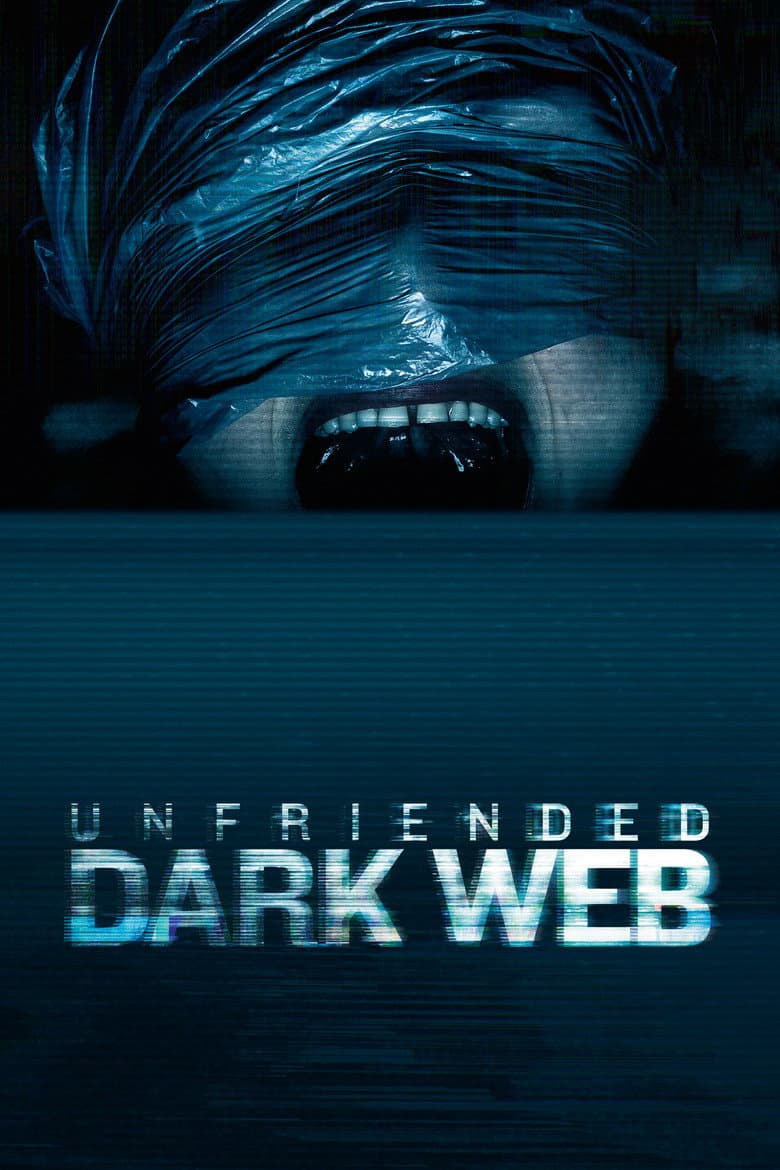
Matias is a young software maker who takes an unclaimed laptop from a cafe. He finds hidden videos tied to a secret online group that kidnaps and kills women for paying viewers. The group takes control of his computer and threatens his deaf girlfriend, Amaya, and the friends on his video call. The whole movie unfolds on computer and phone screens, which gives the story a tight and grim tone.
The friend group includes people from several races, a lesbian couple, and a deaf woman. Serena and Nari announce their engagement, face rejection from Nari's parents, and become part of a cruel choice near the climax. Matias also struggles to learn sign language for Amaya, so their communication problem guides many of his choices. AJ gives a short speech against big tech companies and says online users are treated as products. These parts matter to the characters, but the main plot stays focused on hackers, fear, and survival.
Community feedback
Was our 54% Woke rating accurate?
Breakdown
These are the editorial factors and ratings behind our score for Unfriended: Dark Web.
Woke representation / casting
The main friend group has a clear one-of-each pattern. Nari is black and engaged to the white Serena. Amaya is a deaf Puerto Rican woman, while Lexx is an Indonesian American DJ. These choices fill several major roles and make the group visibly built around representation.
45%
Woke political dialogue
AJ says Facebook and Twitter own what users post and treat people as products. His online clips also mention the Flint water protest, government corruption, and the Second Amendment. The killers reuse those clips to set up a police shooting. This dialogue returns later, but it remains side material.
31%
Identity-driven story themes
Serena and Nari are an interracial lesbian couple who announce their engagement. Nari's parents reject the relationship, and the couple talks about marrying without them. Their love and family trouble become part of a major death scene. Matias also has a central conflict with deaf Amaya because he avoids learning sign language, while the hidden torture victims are women.
54%
Western institutional / cultural critique
AJ attacks large tech companies for tracking users and selling their attention. The plot later proves his warning right when hackers use private data and connected devices against the group. The villains also sell women's suffering through an online market. A false emergency call leads police to kill AJ, so the story links online abuse with a deadly failure by an institution.
44%
Woke character or canon changes
Not relevant. The movie uses new characters and tells a story that does not continue the first film's plot.
0%
Anti-woke backlash and complaints
One major review called the group cynically politically correct and obviously diverse. Another review said the effort to make the characters diverse felt forced. Broader audience discussion focused on fear, hacking realism, and the different endings. The casting complaint existed, but it did not become broad backlash.
18%
Creator track record context
Writer and director Stephen Susco has a cached creator score of 1 and no activist pattern. Jason Blum has criticized Donald Trump and added gun control and class themes to some Purge films. The other listed producers have cached scores from 4 to 23 and mostly make commercial genre work. The team adds only mild creator context.
12%
Production
Movie · 2025
Paranormal investigators Ed and Lorraine Warren take on one last terrifying case involving mysterious entities they must confront.

Movie · 2024
A live broadcast of a late-night talk show in 1977 goes horribly wrong, unleashing evil into the nation's living rooms.
Movie · 2025
Following the death of their father, a brother and sister are sent to live with a foster mother, only to learn that she is hiding a terrifying secret.

Movie · 2022
Trapped on her family’s isolated farm, Pearl must tend to her ailing father under the bitter and overbearing watch of her devout mother.
Movie · 2023
Still reeling from the tragic death of their mother, a teenage girl and her younger sister find themselves plagued by a sadistic presence in their house and struggle to get their…
Movie · 2026
After breaking the mysterious "One Wish Willow" to win his crush's heart, a hopeless romantic finds himself getting exactly what he asked for but soon discovers that some desires…
Movie · 2017
Several years after the tragic death of their little girl, a doll maker and his wife welcome a nun and several girls from a shuttered orphanage into their home, soon becoming the…
Movie · 2016
Rebecca must unlock the terror behind her little brother's experiences that once tested her sanity, bringing her face to face with a supernatural spirit attached to their mother.
