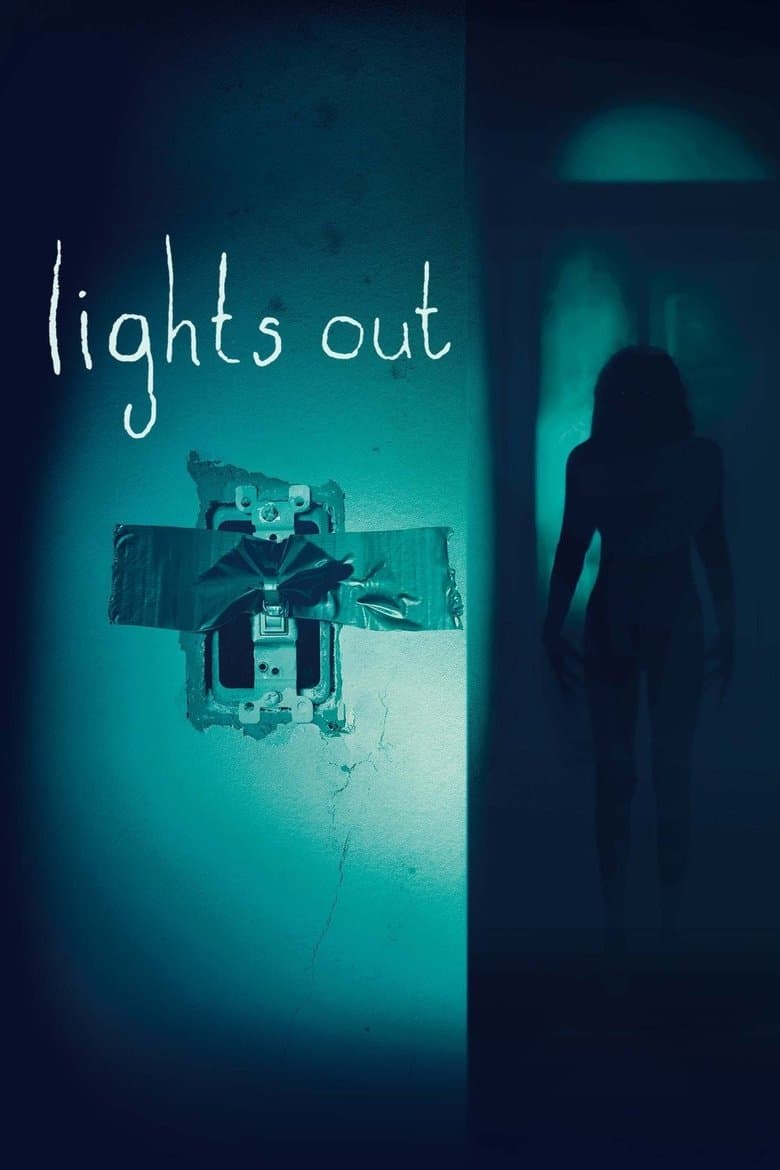
Rebecca tries to protect her younger half-brother after their mother’s long depression brings a dark spirit named Diana into their lives. Diana can only act when the lights are out. She kills their stepfather and then stalks the family. The film is a supernatural horror story about a household fighting a ghost linked to mental illness. Rebecca and her brother must survive as their mother’s bond with Diana grows more dangerous.
The movie treats depression and mental illness as a horror metaphor. Diana stands for the darkness that clings to the mother Sophie. Medicine weakens the threat, and the mother’s final choice ends the haunting. The plot centers on family conflict, fear of the dark, and staying alive. There is no clear woke agenda in the story, dialogue, or casting of the main family.
Community feedback
Was our 4% Woke rating accurate?
Breakdown
These are the editorial factors and ratings behind our score for Lights Out.
Woke representation / casting
Not present. Lead family and core cast are a conventional modern American household. Background minority roles match ordinary city casting, not a representation-first pattern in heroic leads. The female protagonist follows standard horror final-girl structure.
0%
Woke political dialogue
Not present. Dialogue centers on family conflict, antidepressants, child-protection logistics, and surviving the ghost. No activist, DEI, race, gender-politics, or identity-slogan talk is a meaningful part of the script.
0%
Identity-driven story themes
Not present. The film’s clear thematic spine is depression and mental illness as a horror metaphor. That is psychological and family horror, not modern identity politics or representation-first messaging.
0%
Western institutional / cultural critique
Not present. Brief CPS contact and a psychiatric-hospital backstory serve the plot, not an activist attack on Western institutions or traditional family norms. The boyfriend is capable and supportive rather than a punching bag.
0%
Woke character or canon changes
Not relevant. The feature expands Sandberg’s own short with original characters. There is no legacy IP race or gender swap or ideological rewrite of established figures.
0%
Anti-woke backlash and complaints
Not present. Coverage focused on scares, box office, and whether the ending mishandles depression. No meaningful anti-woke, anti-DEI, or agenda-propaganda backlash campaign turned up.
0%
Creator track record context
The creator mix is mostly low, with Sandberg, Wan, Grey, Hamada, and several producers scoring under the mid teens. Writer and producer Eric Heisserer sits higher at 40 for general public advocacy for more diverse casting. That mild signal does not dominate this title’s content or marketing.
18%
Production
Movie · 2017
Several years after the tragic death of their little girl, a doll maker and his wife welcome a nun and several girls from a shuttered orphanage into their home, soon becoming the…
Movie · 2024
A live broadcast of a late-night talk show in 1977 goes horribly wrong, unleashing evil into the nation's living rooms.
Movie · 2022
Inspired by the true story of a family who believed they were possessed by spirits. This film follows a woman who must protect her child from a curse.
Movie · 2016
Lorraine and Ed Warren travel to north London to help a single mother raising four children alone in a house plagued by malicious spirits.
Movie · 2024
Five years after surviving Art the Clown's Halloween massacre, Sienna and Jonathan are still struggling to rebuild their shattered lives.
Movie · 2023
Still reeling from the tragic death of their mother, a teenage girl and her younger sister find themselves plagued by a sadistic presence in their house and struggle to get their…
Movie · 2017
Though Kevin has evidenced 23 personalities to his trusted psychiatrist, Dr. Fletcher, there remains one still submerged who is set to materialize and dominate all the others.
Movie · 2024
A boy and his stepmother fear for their safety after an eerie creature resembling the boy's recently deceased father visits them.
