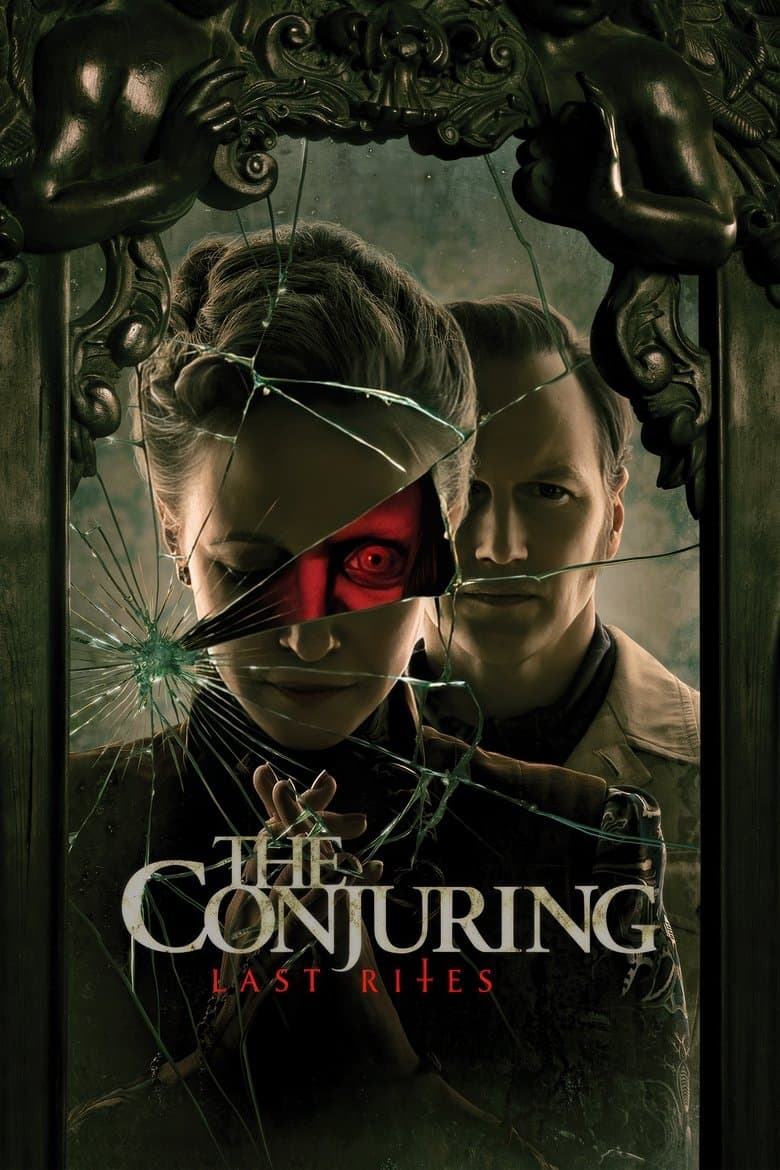
The movie is the last main story about Ed and Lorraine Warren. After a short opening in 1964 about a cursed mirror and Judy nearly dying at birth, the film jumps to 1986. It follows the alleged Smurl family haunting in West Pittston, Pennsylvania. Ed has a heart condition and the Warrens have mostly retired, but they return when adult Judy and her fiancé Tony get tangled with the same demon.
The danger ends through Judy’s psychic gift, Catholic prayer including the Prayer to Saint Michael, and the destruction of the mirror. The story closes on Judy’s wedding and a warm family goodbye. The main ideas are a demonic attack, parental love, handing the work to the next generation, and saying farewell to the Warrens. Faith, priesthood, marriage, and family are shown as protective and effective. There is no race, gender-identity, queer, or systemic-oppression storyline in the film.
Community feedback
Was our 1% Woke rating accurate?
Breakdown
These are the editorial factors and ratings behind our score for The Conjuring: Last Rites.
Woke representation / casting
Not present. Principal cast matches a 1980s Pennsylvania working-class Catholic setting, with white main characters and people of color mostly in the background, while women’s prominence follows long-running franchise logic rather than quota casting.
0%
Woke political dialogue
Not present. No modern activist, DEI, identity, or partisan speech appears, and dialogue stays on hauntings, family protection, faith, retirement, and the case.
0%
Identity-driven story themes
Not present. Themes center on demonic infestation, parental love, succession, and goodbye, with Judy’s gift treated as supernatural coming-of-age rather than identity politics.
0%
Western institutional / cultural critique
Not present. Christianity, priesthood, family, marriage, and prayer are shown as protective and effective, and the film affirms traditional family and faith instead of attacking Western institutions.
0%
Woke character or canon changes
Not relevant. Adult Judy is recast for age and the Smurl case is combined with a mirror case for drama as ordinary franchise adaptation, not identity-driven rewrites of established figures.
0%
Anti-woke backlash and complaints
Not present. No meaningful anti-woke or agenda-driven backlash was found, and public talk focused on scares, franchise fatigue, box office, and quality rather than identity politics.
0%
Creator track record context
Cached profiles for Chaves and the other named creators and producers show very low activist signals. Their interviews stress scares, legacy, Judy’s emotional goodbye, Catholic upbringing, and Smurl authenticity. They do not frame the film around representation or social-justice goals.
5%
Production
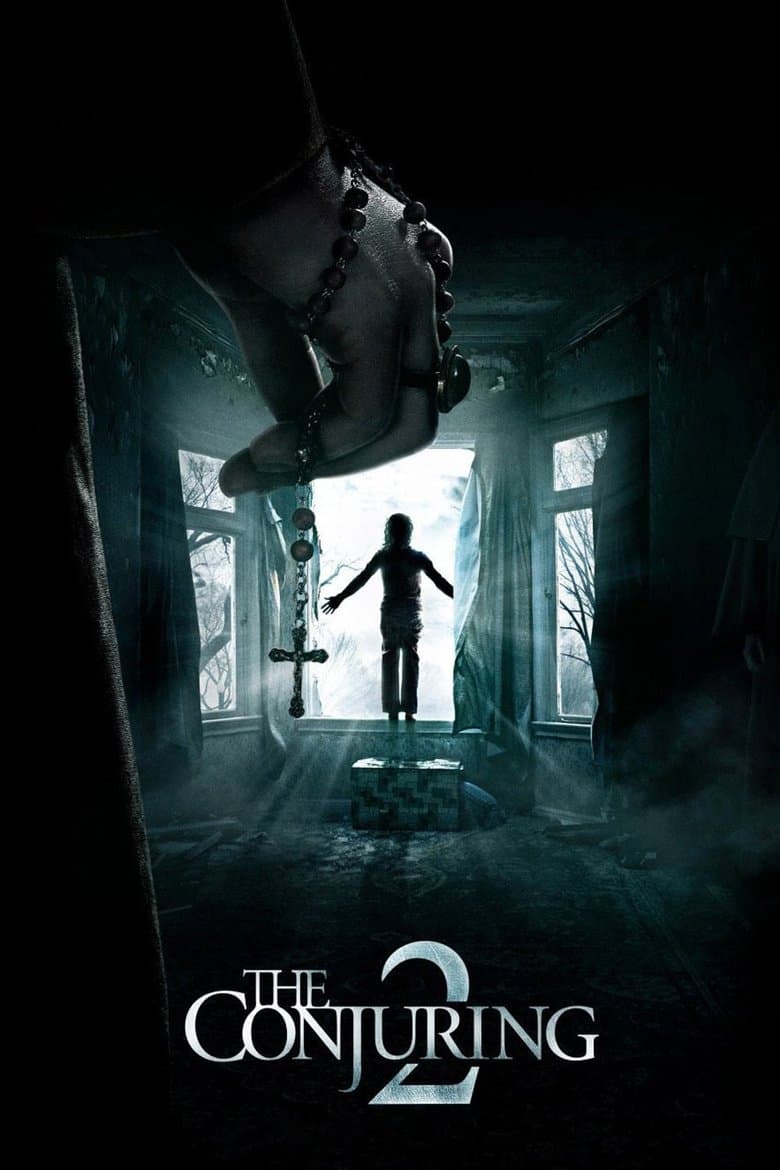
Movie · 2016
Lorraine and Ed Warren travel to north London to help a single mother raising four children alone in a house plagued by malicious spirits.
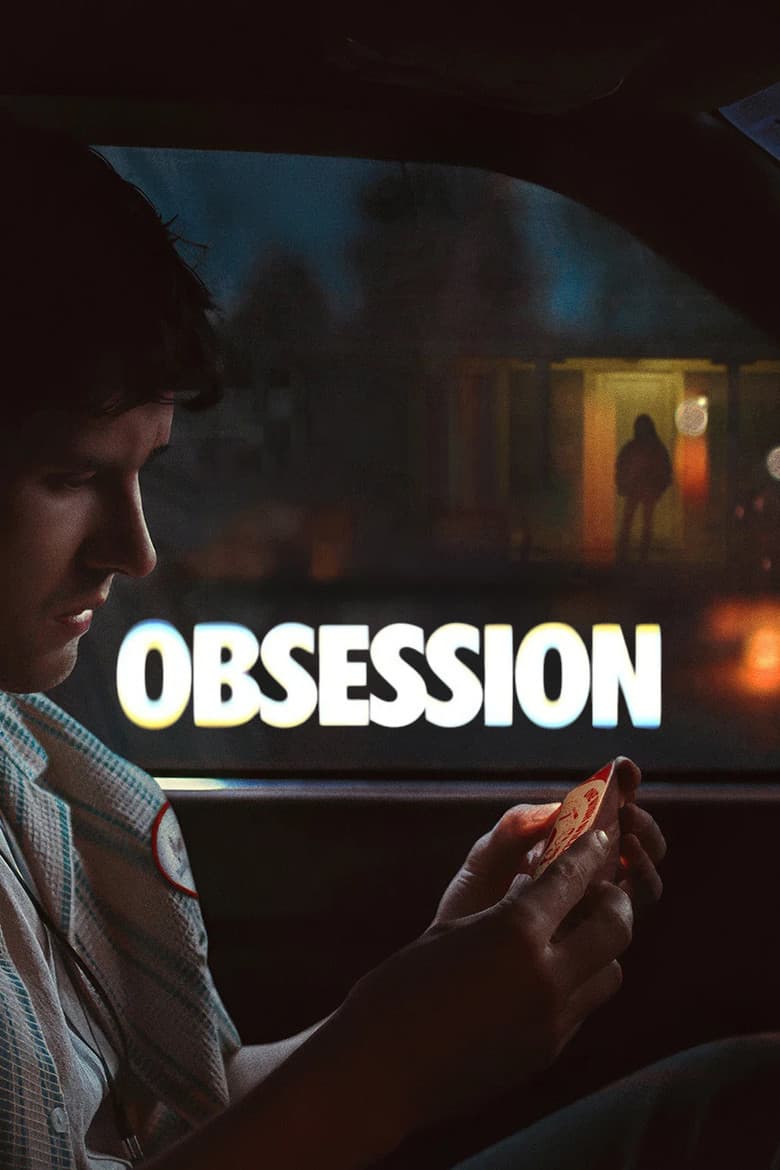
Movie · 2026
After breaking the mysterious "One Wish Willow" to win his crush's heart, a hopeless romantic finds himself getting exactly what he asked for but soon discovers that some desires…
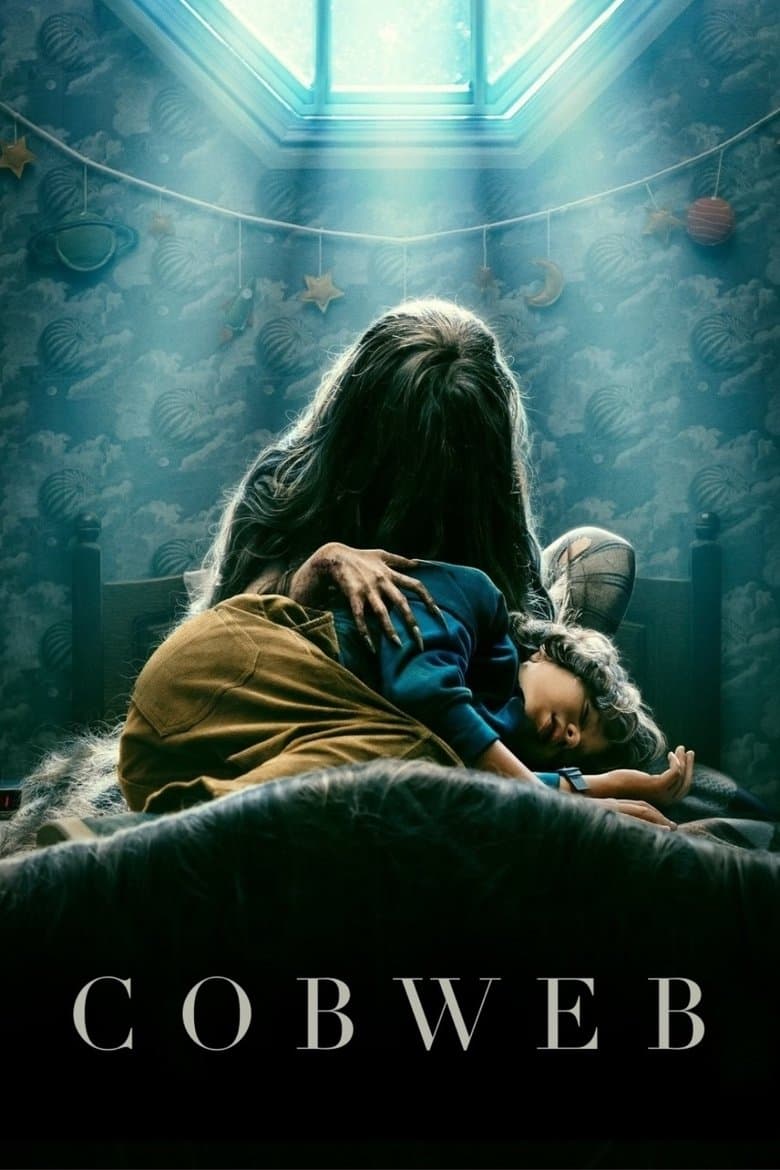
Movie · 2023
Eight year old Peter is plagued by a mysterious, constant tapping from inside his bedroom wall—one that his parents insist is all in his imagination.

Movie · 2024
A live broadcast of a late-night talk show in 1977 goes horribly wrong, unleashing evil into the nation's living rooms.

Movie · 2022
A year after the Miles County massacre, Art the Clown is resurrected by a sinister entity. Art returns home, where he must hunt down and destroy teenage Sienna and her younger…
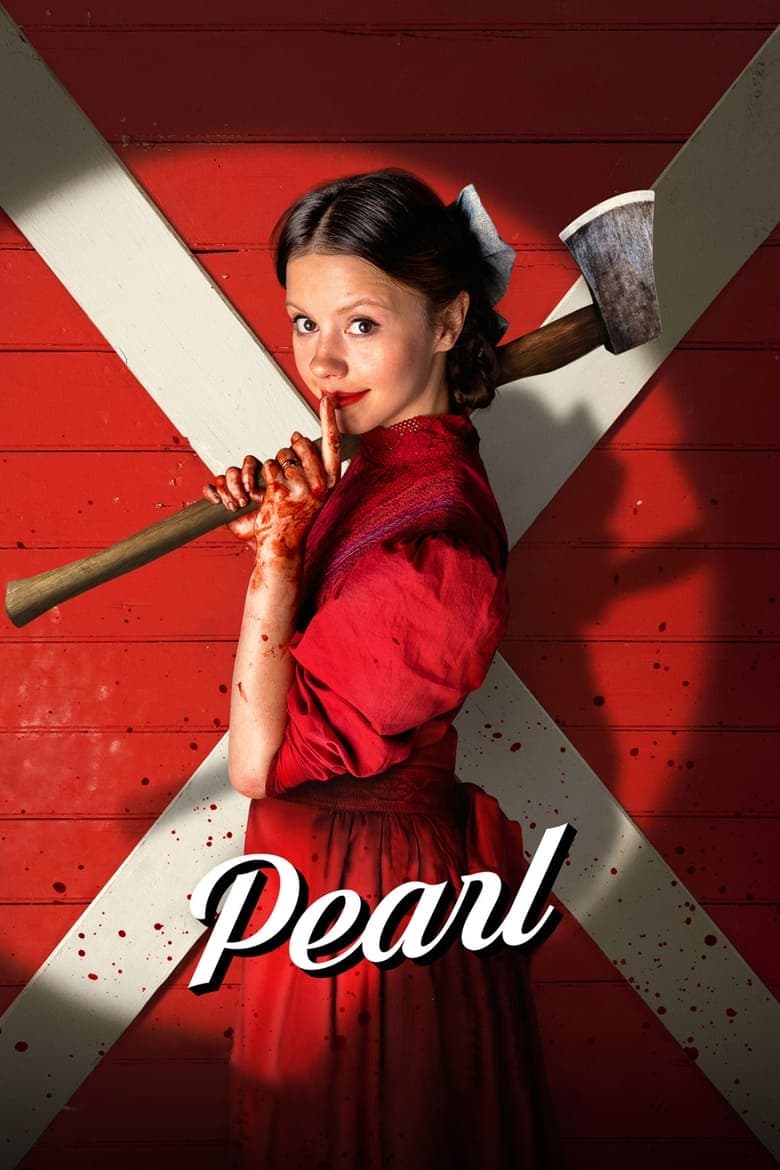
Movie · 2022
Trapped on her family’s isolated farm, Pearl must tend to her ailing father under the bitter and overbearing watch of her devout mother.
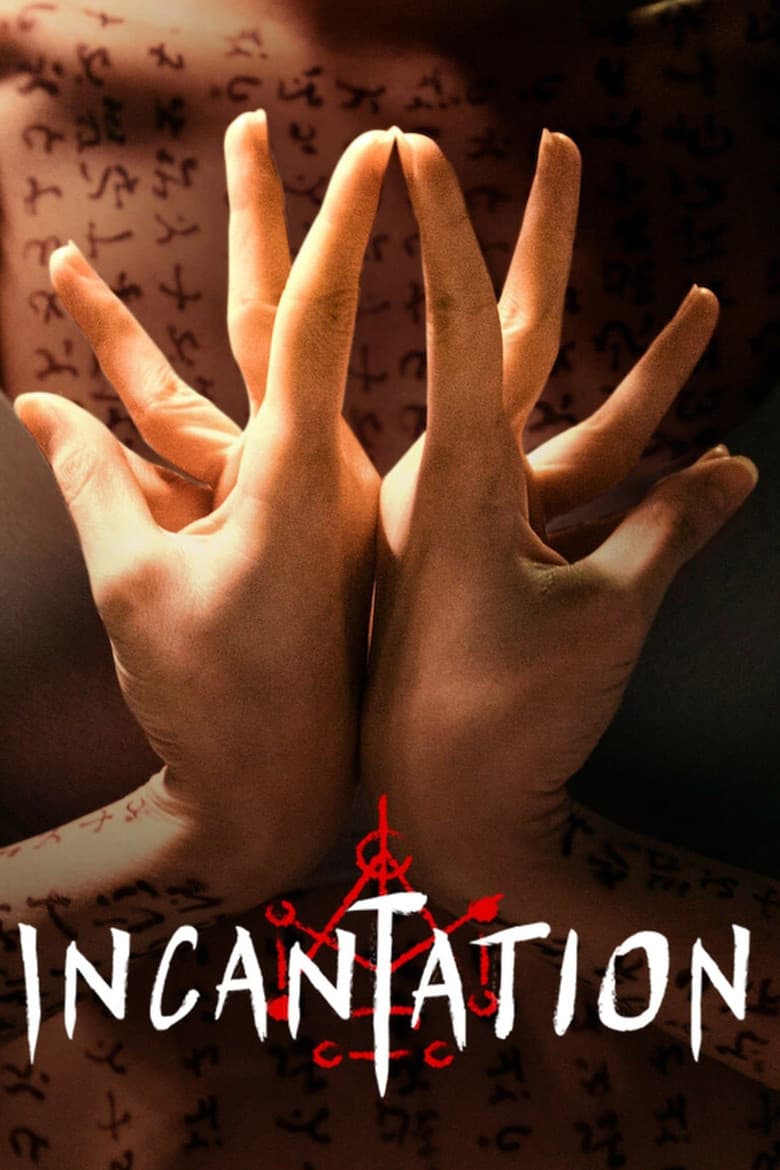
Movie · 2022
Inspired by the true story of a family who believed they were possessed by spirits. This film follows a woman who must protect her child from a curse.
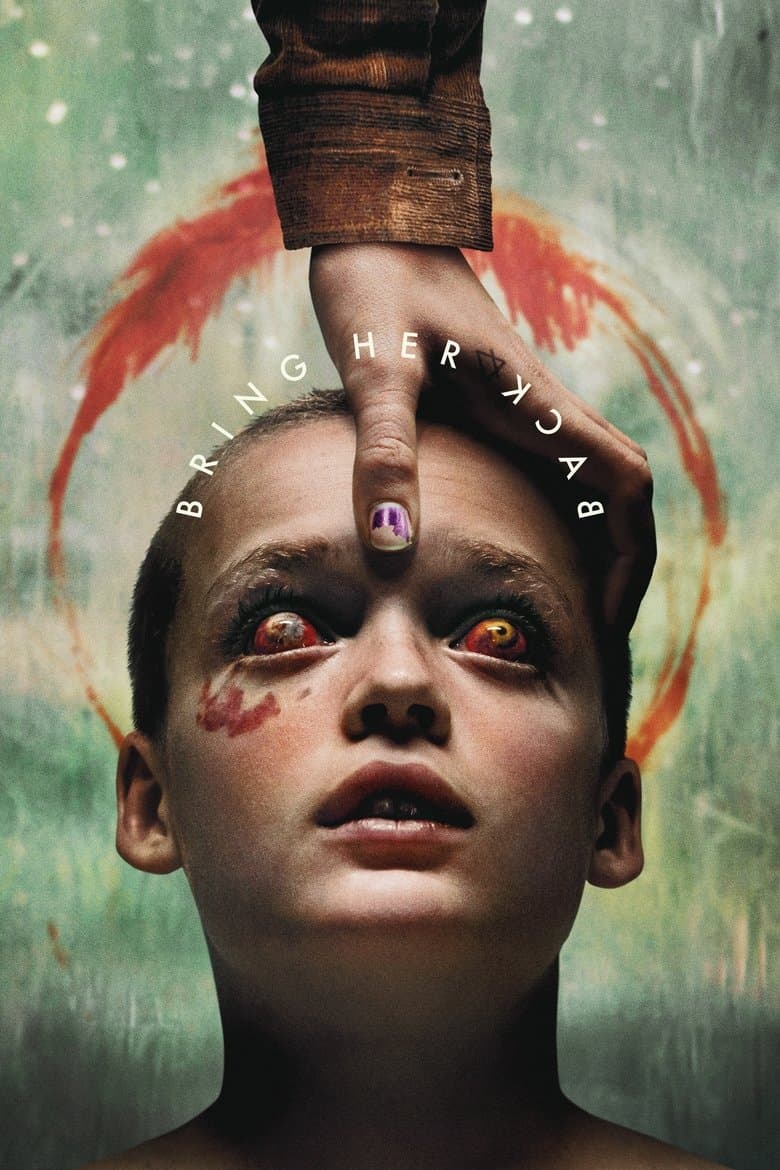
Movie · 2025
Following the death of their father, a brother and sister are sent to live with a foster mother, only to learn that she is hiding a terrifying secret.
