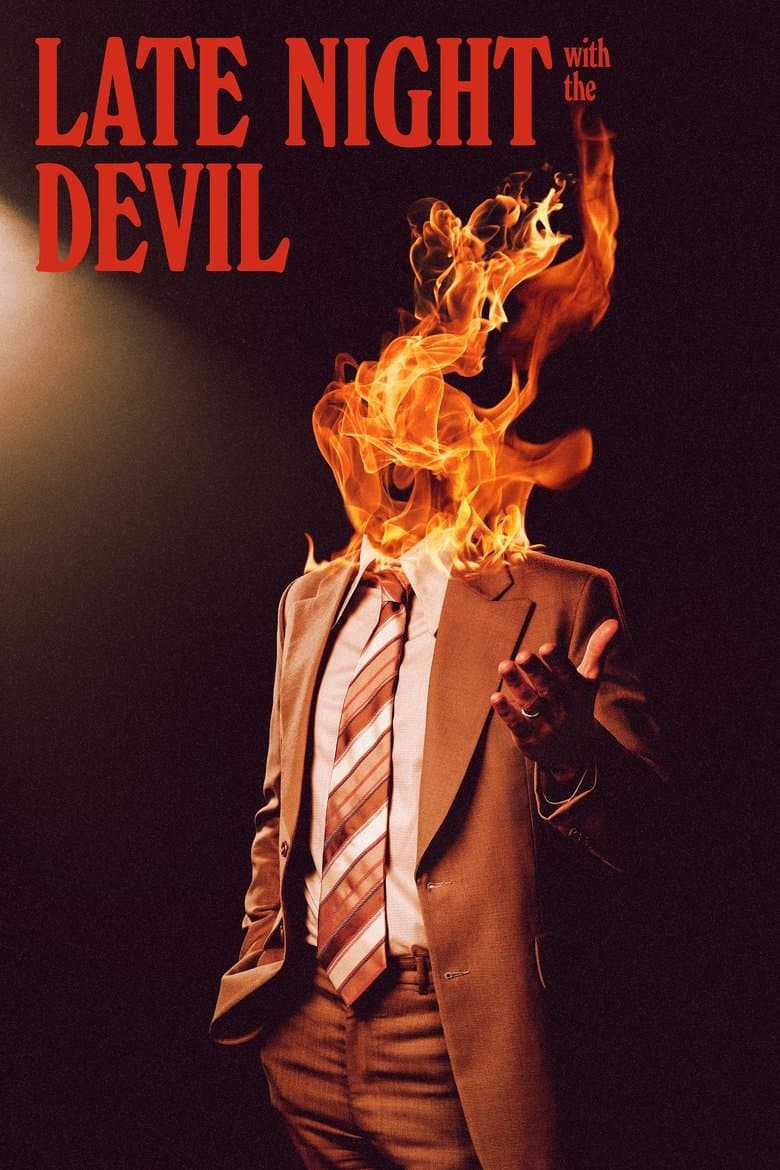
Jack Delroy hosts Night Owls, a struggling late-night show in New York in 1977. He hopes a Halloween broadcast about ghosts and Satan will beat Johnny Carson and save his job. Jack invites a psychic, a loud skeptic, a woman who studies strange events, and a teenage cult survivor. The live show turns into a bloody fight with a demon while Jack’s grief and secret deal come to light.
The film gives June Ross-Mitchell a serious expert role because she has studied Lilly’s case. Lilly is central to the horror as a child survivor who becomes the demon’s host, while Jack drives the story through his hunger for fame. The main ideas are greed, grief, guilt, and the danger of using pain as television entertainment. The Satanic cult, the wealthy men’s club, and the pact with the Devil serve the supernatural plot and its warning about ambition.
Community feedback
Was our 1% Woke rating accurate?
Breakdown
These are the editorial factors and ratings behind our score for Late Night with the Devil.
Woke representation / casting
Not present in this title.
0%
Woke political dialogue
Not present. No activist, identity-based, or modern political dialogue appears. Brief historical references to 1970s events like Watergate provide era atmosphere only.
0%
Identity-driven story themes
Not present. The story follows a host’s Faustian ambition, grief, and supernatural possession in classic horror structure. No plotlines or messaging centered on race, gender, sexuality, or identity politics.
0%
Western institutional / cultural critique
Not present. References to elite circles like Bohemian Grove and 1970s events serve horror backstory and period flavor. No reframing into modern activist critiques of institutions, capitalism, patriarchy, or Western culture.
0%
Woke character or canon changes
Not relevant. This is an original story with no established characters, source material, or historical figures altered for ideological reasons.
0%
Anti-woke backlash and complaints
Not present. Isolated online comments from some viewers describe it as straightforward traditional horror without contemporary messaging. No widespread or organized complaints accused the film of advancing woke or identity-driven content. Main discussion stayed on technical production choices.
0%
Creator track record context
Cameron and Colin Cairnes have mainly made horror films and dark comedies. Derek Dauchy and Steven Schneider have mainly worked on mainstream horror and family films. Their recorded creator scores are low, from 2 to 6, and no activist or identity-focused pattern is documented.
4%
Production
Movie · 2022
Inspired by the true story of a family who believed they were possessed by spirits. This film follows a woman who must protect her child from a curse.
Movie · 2022
A year after the Miles County massacre, Art the Clown is resurrected by a sinister entity. Art returns home, where he must hunt down and destroy teenage Sienna and her younger…
Movie · 2022
Trapped on her family’s isolated farm, Pearl must tend to her ailing father under the bitter and overbearing watch of her devout mother.
Movie · 2025
Paranormal investigators Ed and Lorraine Warren take on one last terrifying case involving mysterious entities they must confront.
Movie · 2023
Eight year old Peter is plagued by a mysterious, constant tapping from inside his bedroom wall—one that his parents insist is all in his imagination.
Movie · 2026
After breaking the mysterious "One Wish Willow" to win his crush's heart, a hopeless romantic finds himself getting exactly what he asked for but soon discovers that some desires…
Movie · 2023
Still reeling from the tragic death of their mother, a teenage girl and her younger sister find themselves plagued by a sadistic presence in their house and struggle to get their…
Movie · 2025
Following the death of their father, a brother and sister are sent to live with a foster mother, only to learn that she is hiding a terrifying secret.
