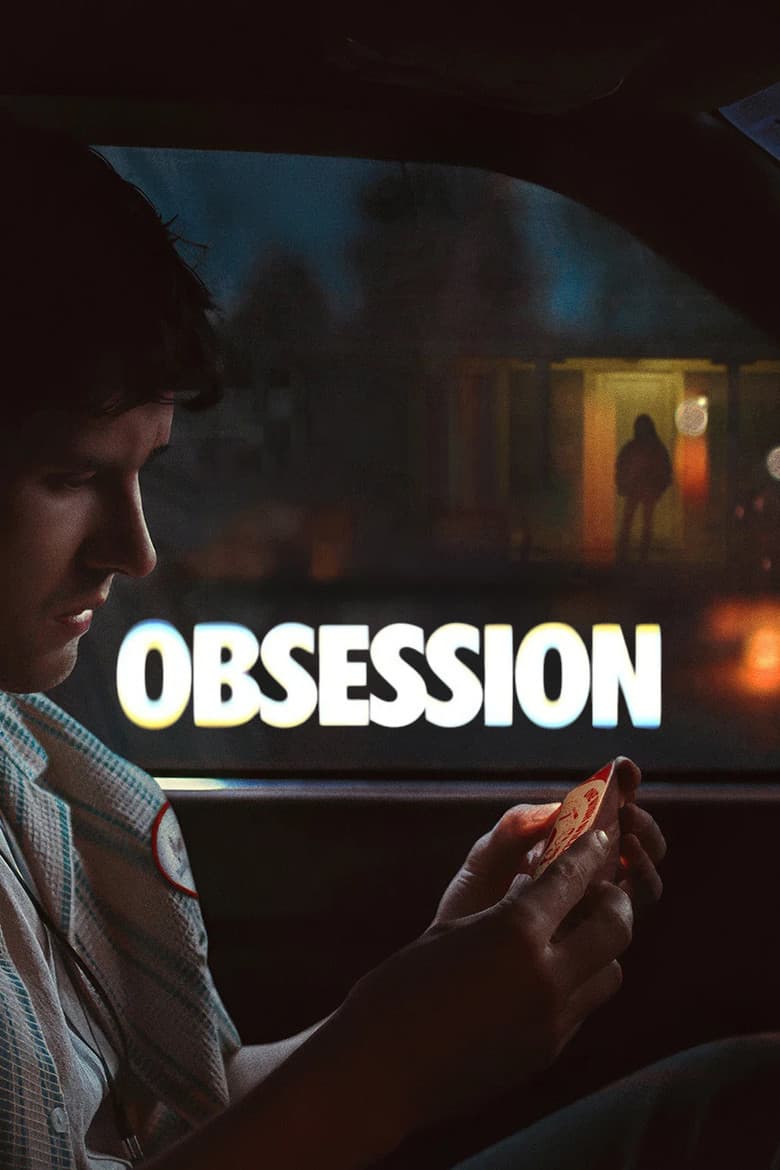
Obsession is a 2026 supernatural horror film written, directed, and edited by Curry Barker. A timid young man breaks a novelty “One Wish Willow” to make his longtime crush love him more than anything, only for the granted wish to unleash grotesque violence, possession, and cosmic punishment as reality twists against his selfish desire. The story centers on male entitlement and the horror of stripping a woman’s agency in a relationship, framed as a modern morality tale with gory practical effects and psychological dread drawn from online “nice guy” resentment.
Community feedback
Was our 15% Woke rating accurate?
Breakdown
These are the editorial factors and ratings behind our score for Obsession.
Woke representation / casting
Lead casting pairs a white male protagonist with a Mexican-American actress as his childhood crush and coworker in a story-logical setup; no marketing emphasis on identity, quotas, or diversity signaling.
0%
Woke political dialogue
Almost none; relationship tensions and consent violations emerge through horrific consequences and character actions rather than lectures or activist lines.
3%
Identity-driven story themes
Central premise explores male entitlement, “nice guy” resentment, and the terror of removing a woman’s free will, reflecting 2020s internet gender dynamics; delivered as visceral horror rather than preachy representation or systemic critique.
20%
Western institutional / cultural critique
Mild commentary on toxic modern male behavior and online-fueled relationship expectations; avoids broad attacks on Western institutions, patriarchy as a system, or traditional norms.
18%
Woke character or canon changes
Not relevant. Original story with no legacy characters, source material, or historical figures altered for ideological reasons.
0%
Anti-woke backlash and complaints
No documented right-leaning or anti-woke complaints treating the film as pushing DEI, identity politics, or left-wing propaganda; reception remains positive and genre-focused.
0%
Creator track record context
Curry Barker and the producing team show no pattern of activist, identity-driven, or social-justice work; backgrounds are comedy-to-horror and commercial genre production centered on scares and psychology.
2%
Production
Movie · 2025
Paranormal investigators Ed and Lorraine Warren take on one last terrifying case involving mysterious entities they must confront.
Movie · 2024
A boy and his stepmother fear for their safety after an eerie creature resembling the boy's recently deceased father visits them.
Movie · 2020
Six friends hire a medium to hold a séance via Zoom during lockdown — but they get far more than they bargained for as things quickly go wrong.
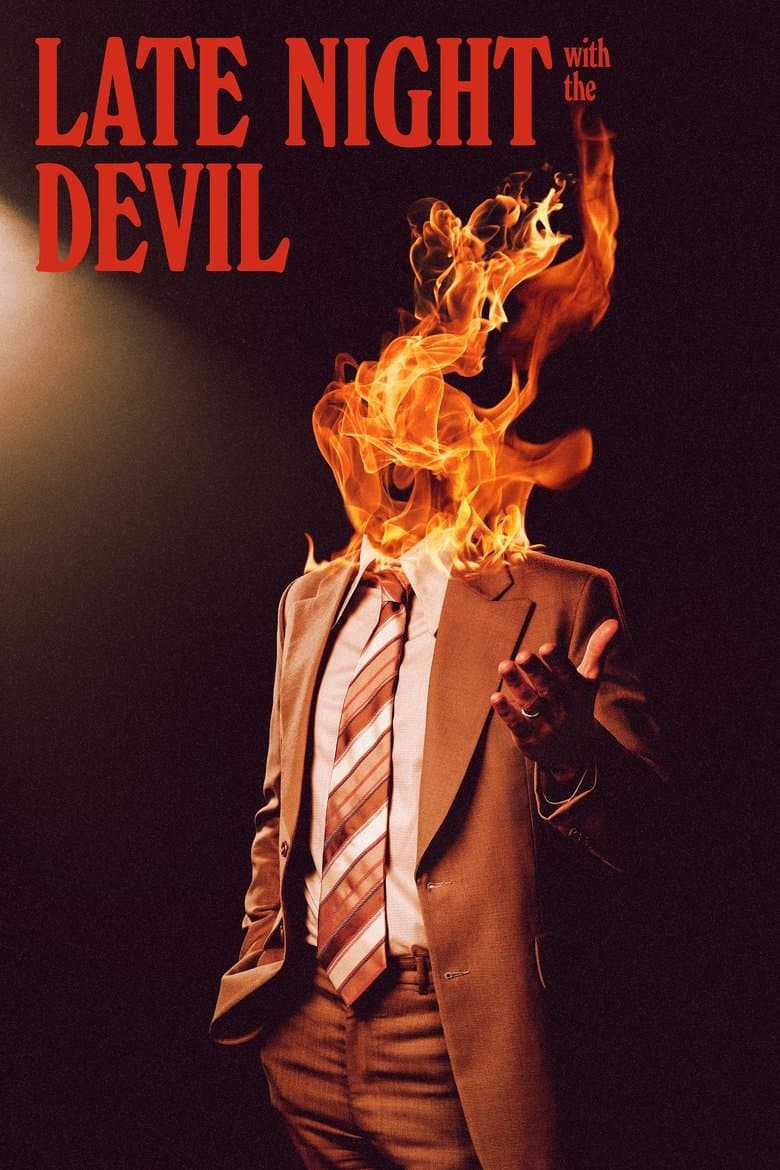
Movie · 2024
A live broadcast of a late-night talk show in 1977 goes horribly wrong, unleashing evil into the nation's living rooms.

Movie · 2022
Trapped on her family’s isolated farm, Pearl must tend to her ailing father under the bitter and overbearing watch of her devout mother.
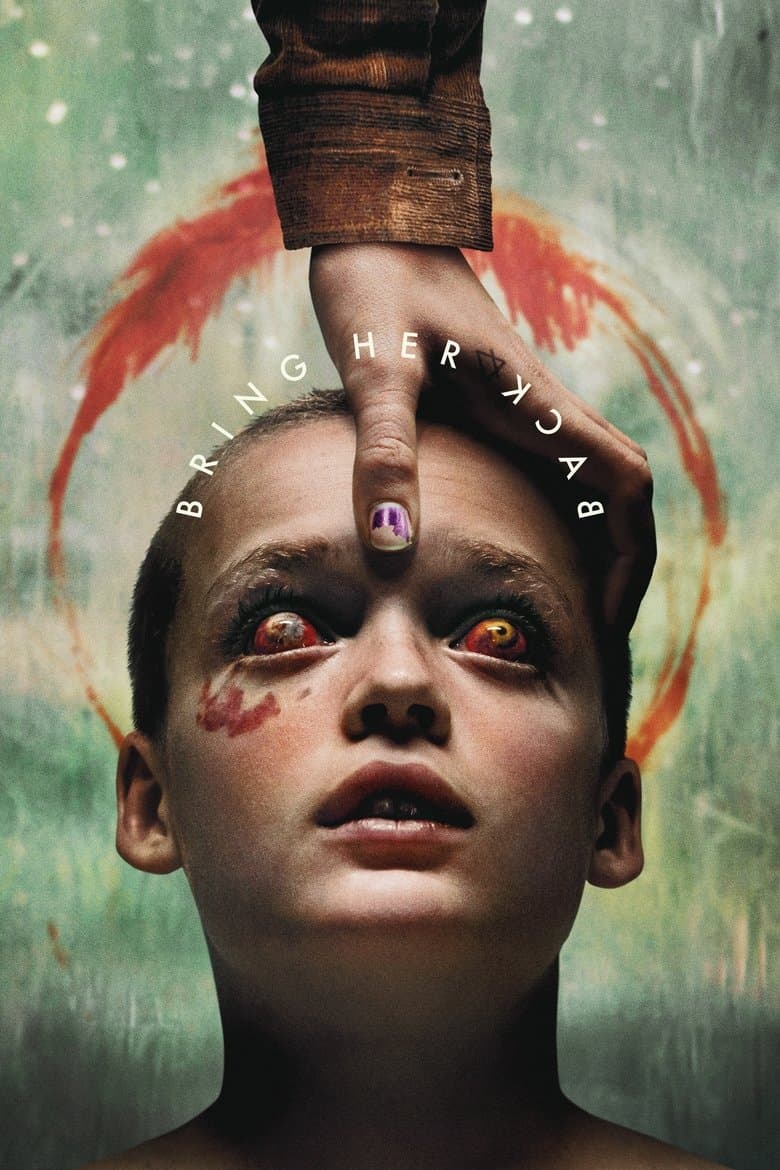
Movie · 2025
Following the death of their father, a brother and sister are sent to live with a foster mother, only to learn that she is hiding a terrifying secret.
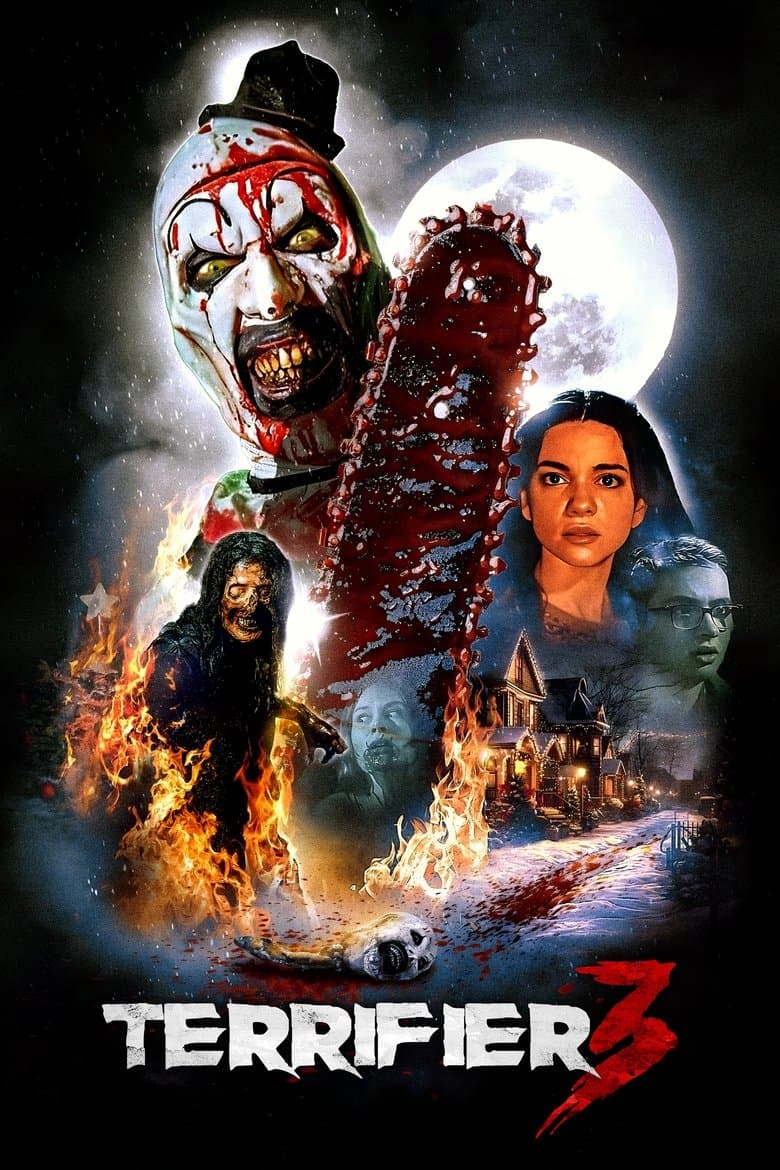
Movie · 2024
Five years after surviving Art the Clown's Halloween massacre, Sienna and Jonathan are still struggling to rebuild their shattered lives.
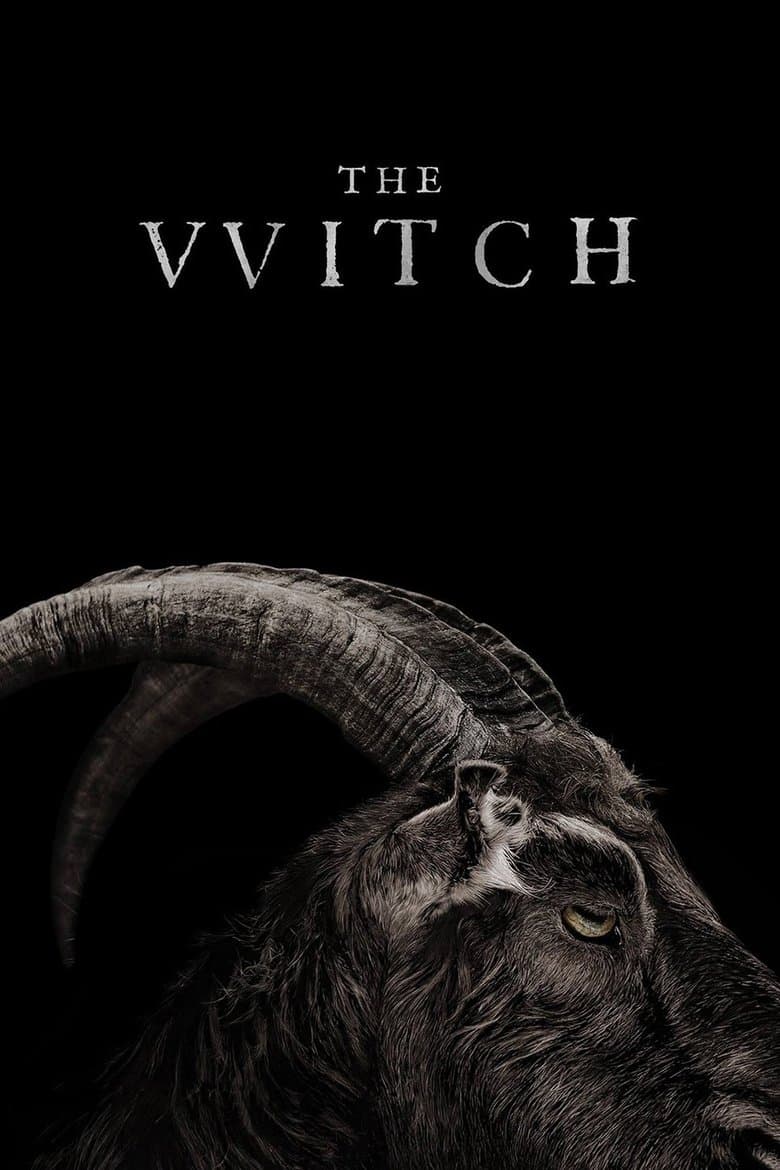
Movie · 2016
In 1630, a farmer relocates his family to a remote plot of land on the edge of a forest where strange, unsettling things happen.
