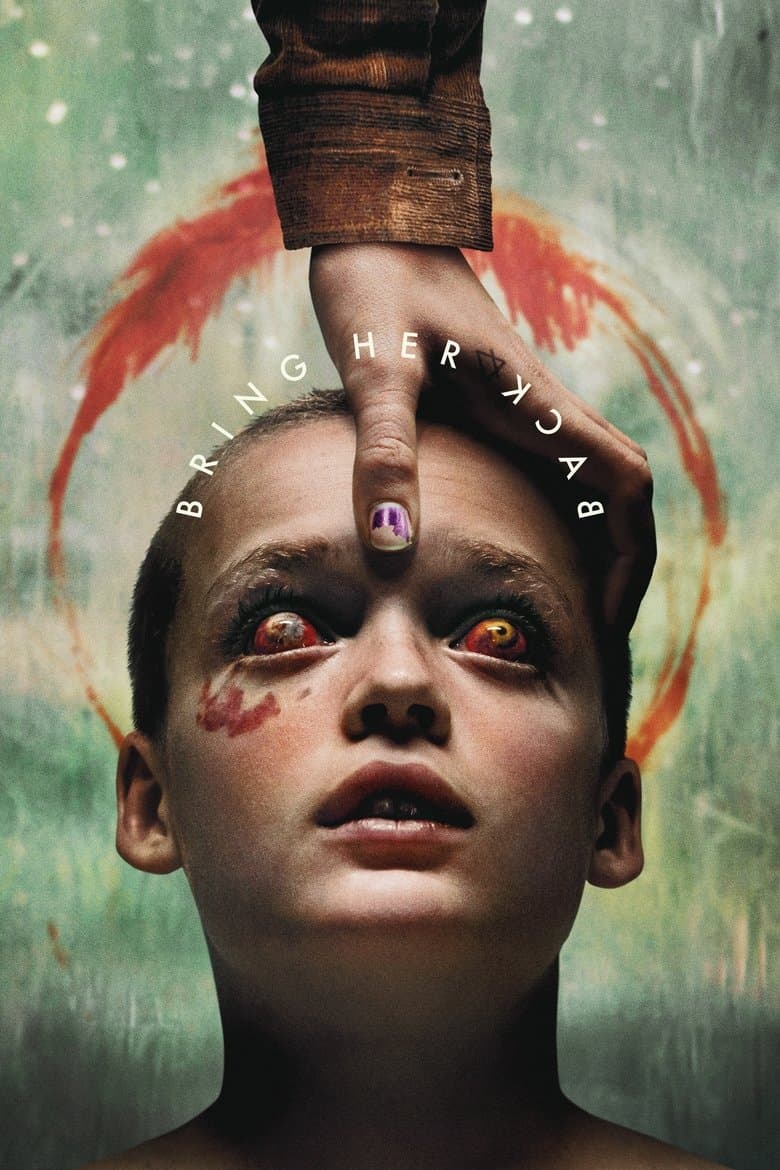
After their father dies, step-siblings Andy and Piper are placed with a foster mother named Laura. Piper has serious vision loss, and Laura favors her because she resembles Laura’s late daughter Cathy, who was also blind. A mute foster boy in the house is really a kidnapped child trapped in a demon-feeding rite. Laura plans to drown Piper in the rain and use an occult possession ritual so Cathy can return through Piper’s body. The story turns on grief, sibling protection, parental abuse and favoritism, and a brutal plan to resurrect the dead.
Audience-facing woke content is light. Piper is an Asian Australian lead with plot-critical vision impairment, and the directors cast a vision-impaired actress after outreach to those communities. There are no confirmed queer characters, relationships, or identity politics speeches. Foster care is the setting for one monstrous caregiver and occult horror, not a broad attack on Western institutions. Critics and plot coverage stress trauma, gore, and performance, not DEI messaging, though progressive coverage still praised the disability and Asian casting as representation.
Community feedback
Was our 13% Woke rating accurate?
Breakdown
These are the editorial factors and ratings behind our score for Bring Her Back.
Woke representation / casting
Lead Piper is an Asian Australian girl with vision impairment, cast with a real vision-impaired actress after the directors reached out to those communities. Progressive coverage treats this as a representation win. Her impairment is required by the plot because Laura’s dead daughter was also blind. That makes the casting identity-aware but still light, not a full quota ensemble or race-swapped legacy hero.
20%
Woke political dialogue
Not present. Dialogue and marketing focus on grief, family trauma, foster placement, and occult horror with no reported activist slogans, DEI talk, or identity-politics speechifying.
0%
Identity-driven story themes
The main story is grief-driven possession horror and sibling loyalty. A mild strand about a disabled child’s independence shows up in creator comments and emotional framing. The film is not built as a disability-rights or identity-politics argument.
5%
Western institutional / cultural critique
Not present. Foster care is the setting for one monstrous caregiver and occult plot, not an activist indictment of Western institutions, capitalism, patriarchy, whiteness, or Christianity.
0%
Woke character or canon changes
Not relevant. because this is an original screenplay, not an identity rewrite of established IP or historical figures.
0%
Anti-woke backlash and complaints
Not present. No meaningful anti-woke or anti-DEI controversy found. Existing criticism targets gore, logic, and unpleasant violence rather than identity politics.
0%
Creator track record context
The Philippou brothers and co-writer Hinzman are known for visceral horror and family grief, not activist projects. Producers sit only mildly higher as general Australian industry voices without a strong DEI activism focus. Overall creative track record is weakly political and not identity-driven.
12%
Production
Movie · 2022
Trapped on her family’s isolated farm, Pearl must tend to her ailing father under the bitter and overbearing watch of her devout mother.
Movie · 2022
Inspired by the true story of a family who believed they were possessed by spirits. This film follows a woman who must protect her child from a curse.
Movie · 2022
A year after the Miles County massacre, Art the Clown is resurrected by a sinister entity. Art returns home, where he must hunt down and destroy teenage Sienna and her younger…
Movie · 2023
Still reeling from the tragic death of their mother, a teenage girl and her younger sister find themselves plagued by a sadistic presence in their house and struggle to get their…
Movie · 2020
Six friends hire a medium to hold a séance via Zoom during lockdown — but they get far more than they bargained for as things quickly go wrong.
Movie · 2016
Lorraine and Ed Warren travel to north London to help a single mother raising four children alone in a house plagued by malicious spirits.
Movie · 2024
A boy and his stepmother fear for their safety after an eerie creature resembling the boy's recently deceased father visits them.
Movie · 2024
A live broadcast of a late-night talk show in 1977 goes horribly wrong, unleashing evil into the nation's living rooms.
