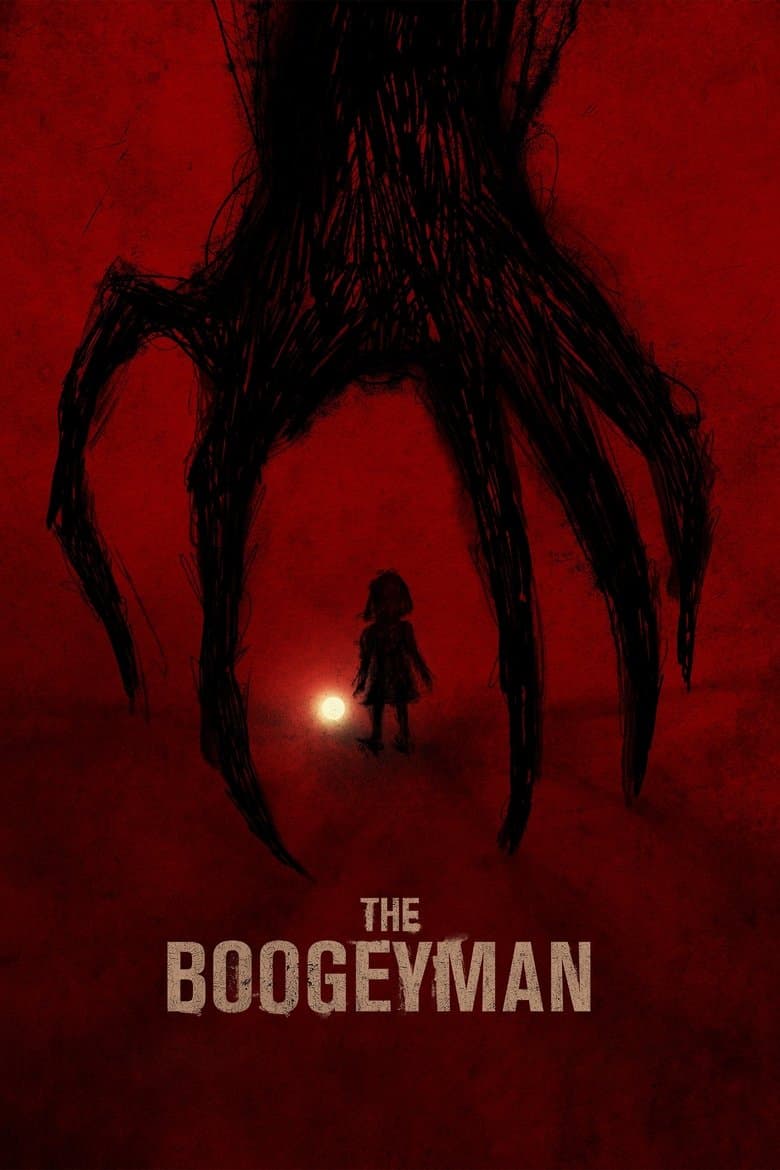
Sadie Harper is a high school girl who tries to protect her little sister, Sawyer, after their mother dies in a car crash. Their father, Will, works as a therapist, but his own grief makes him distant and unable to hear what the girls are telling him. Most of the story takes place in the family home after a troubled man visits Will and leaves a dangerous creature behind. The creature hides in darkness, copies voices, and feeds on fear and sadness. The movie mixes family pain with sudden attacks, dark rooms, and a tense supernatural threat.
The movie places two sisters at the center, and Sadie takes the lead when the adults fail to act. The family learns that grief can grow worse when people hide their pain and refuse to speak honestly. Sadie and Sawyer become stronger by trusting each other, facing the creature, and helping their father return to the family. The ending presents shared pain, honest talk, and family support as the way to bring fear into the light.
Community feedback
Was our 3% Woke rating accurate?
Breakdown
These are the editorial factors and ratings behind our score for The Boogeyman.
Woke representation / casting
Not present. Sadie and Sawyer are female leads, but the film does not present their gender as a diversity or political statement. The cast fits a modern American family story, and the sisters have normal horror roles rather than identity-based roles.
0%
Woke political dialogue
Not present. The characters do not discuss elections, activism, race politics, sex politics, or social movements. The dialogue stays on grief, fear, family, and the monster.
0%
Identity-driven story themes
Not present. The story follows grief, fear, and family trust. The sisters’ bond does not carry a message about race, sexuality, or group identity.
0%
Western institutional / cultural critique
Not present. The father is distant because he is grieving, not because the film attacks men, families, religion, or Western culture. The therapist’s role supports the family plot and does not become a modern institutional critique.
0%
Woke character or canon changes
Not relevant. The movie expands Stephen King’s short story into a family story and changes the focus to two sisters. These are ordinary adaptation choices, not identity-driven changes to an established character or canon.
0%
Anti-woke backlash and complaints
Not present. The supplied X evidence found no anti-woke posts or specific complaints about this movie. Web coverage and audience discussion focus on scares, grief, performances, and the adaptation.
0%
Creator track record context
Stephen King has a mild liberal political record and has often criticized Donald Trump. His horror work is not built around modern identity politics, DEI, or queer activism. Scott Beck, Bryan Woods, Mark Heyman, Rob Savage, and the listed producers have no strong activist pattern in the cached context. Interviews about this movie focus on grief, communication, and classic horror. This gives the title only a mild creator track record signal.
14%
Production
Movie · 2020
Six friends hire a medium to hold a séance via Zoom during lockdown — but they get far more than they bargained for as things quickly go wrong.
Movie · 2016
Rebecca must unlock the terror behind her little brother's experiences that once tested her sanity, bringing her face to face with a supernatural spirit attached to their mother.
Movie · 2018
A family is forced to live in silence while hiding from creatures that hunt by sound.
Movie · 2024
A live broadcast of a late-night talk show in 1977 goes horribly wrong, unleashing evil into the nation's living rooms.
Movie · 2022
A year after the Miles County massacre, Art the Clown is resurrected by a sinister entity. Art returns home, where he must hunt down and destroy teenage Sienna and her younger…
Movie · 2023
Eight year old Peter is plagued by a mysterious, constant tapping from inside his bedroom wall—one that his parents insist is all in his imagination.
Movie · 2016
In 1630, a farmer relocates his family to a remote plot of land on the edge of a forest where strange, unsettling things happen.
Movie · 2022
Inspired by the true story of a family who believed they were possessed by spirits. This film follows a woman who must protect her child from a curse.
