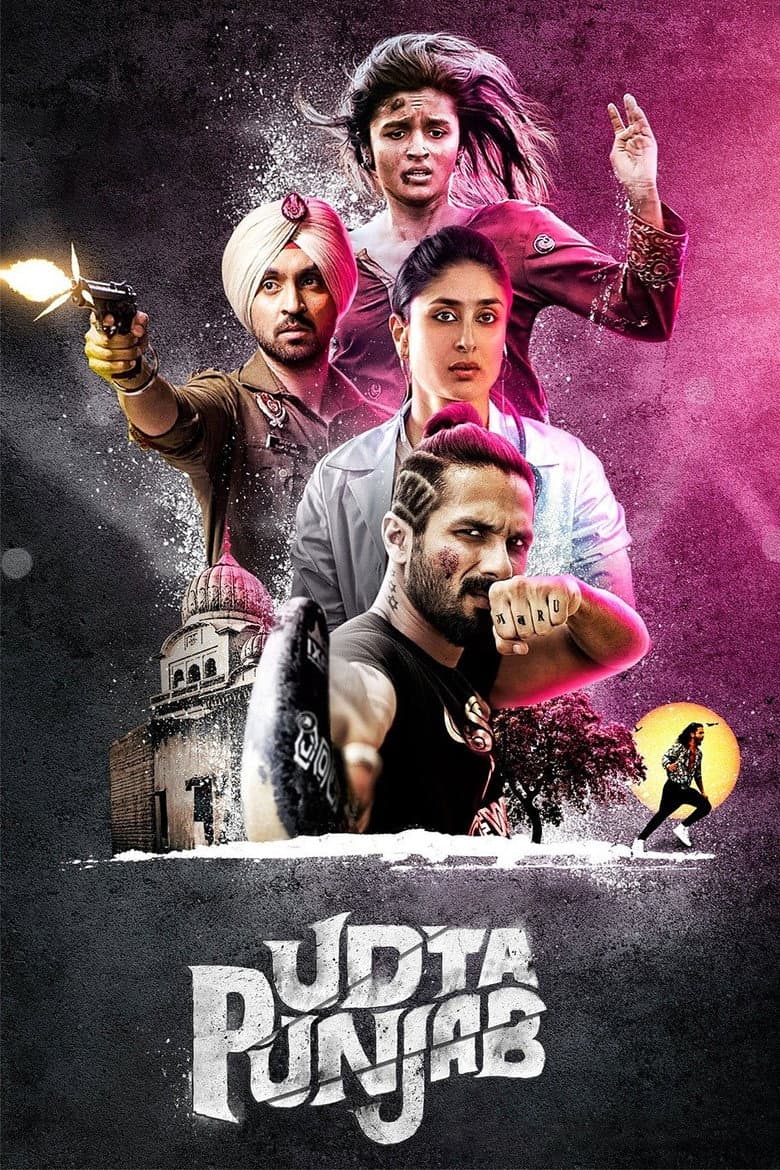
Udta Punjab is a dark crime drama set across the fields, towns, police stations, and clinics of Punjab. The story follows Tommy Singh, a drug-using rock star, Sartaj Singh, a crooked policeman, Dr. Preet Sahni, a doctor, and Bauria, a poor migrant worker who once played hockey. Their paths meet after a drug shipment harms young people and Sartaj’s brother. The film mixes harsh violence, black humor, loud music, and a small note of hope. The film gives a poor migrant woman a major role and makes her abuse part of the drug story. A woman doctor helps lead the fight against dealers and police corruption. The story repeatedly shows poor people, addicts, and families being hurt while powerful people profit from the trade. These social and political themes are central, but the film focuses on addiction, class, and local corruption rather than race, sexuality, or modern Western identity politics.
Community feedback
Was our 52% Woke rating accurate?
Breakdown
These are the editorial factors and ratings behind our score for Udta Punjab.
Woke representation / casting
Alia Bhatt plays Bauria, a Bihari migrant worker, in one of the four main stories. Her regional and class identity is visible through her language, clothes, and treatment by others. The plot explains why she is in Punjab, so the choice feels tied to the story rather than a broad diversity lineup.
18%
Woke political dialogue
The film repeatedly names an election, drug-linked politicians, police payoffs, and the failure of the state. Characters call for the problem to be faced instead of hidden. This gives the film a clear political message across several scenes, but the lines focus on drugs and corruption rather than DEI or identity politics.
38%
Identity-driven story themes
The main story treats addiction as a social problem that harms poor people, families, and young users. Bauria’s migrant status and abuse shape a major plot line. Dr. Preet’s work gives a woman an important role in helping victims and exposing the drug network. The film asks viewers to care about people pushed aside, but it does not build the story around race, sexuality, or a broad gender campaign.
44%
Western institutional / cultural critique
Not present. The film criticizes Punjab’s drug dealers, police, and politicians. It does not target Western cultural institutions or present current Western gender, Christian, or conservative norms as the problem.
0%
Woke character or canon changes
Not relevant. The film uses original fictional characters rather than established characters or real historical figures. No identity-based change to older source material appears.
0%
Anti-woke backlash and complaints
A Punjab-based petitioner called the film a political agenda that made the state look like a drug hub. SAD leaders and CBFC chief Pahlaj Nihalani said AAP links helped make the state government look bad, but the claim was denied. The dispute received major news coverage and reached court. The supplied X pass found only a handful of later right-leaning posts calling it leftist or election propaganda, with no large identity-politics boycott.
28%
Creator track record context
The director often makes stories about social divides, crime, state power, and people at the edge of society. The writer repeatedly explores inequality, police failure, addiction, and regional identity. Several producers have backed women-centered or socially charged films and have defended creative freedom. This gives the film strong socially engaged context, but the team is not known mainly for queer or DEI campaigning.
60%
Production

Movie · 2026
After his estranged son gets embroiled in a Nazi plot, self-exiled gangster Tommy Shelby must return to Birmingham to save his family — and his nation.

Movie · 2019
Pennsylvania, 1956. Frank Sheeran, a war veteran of Irish origin who works as a truck driver, accidentally meets mobster Russell Bufalino.
Movie · 2025
Amid the glittering casinos of Macau, a gambler running from his past—and his debts—becomes fascinated by an enigmatic woman at the baccarat table.
Movie · 2019
In 1934, Frank Hamer and Manny Gault, two former Texas Rangers, are commissioned to put an end to the wave of vicious crimes perpetrated by Bonnie Parker and Clyde Barrow, a…
Movie · 2021
A cold and mysterious new security guard for a Los Angeles cash truck company surprises his co-workers when he unleashes precision skills during a heist.
Movie · 2017
A traumatized veteran, unafraid of violence, tracks down missing girls for a living. When a job spins out of control, his nightmares begin to overtake him, and a conspiracy is…
Movie · 2024
After a chance encounter, headstrong Kathy is drawn to Benny, member of Midwestern motorcycle club the Vandals.

Movie · 2021
Deputy Sheriff Joe "Deke" Deacon joins forces with Sgt. Jim Baxter to search for a serial killer who's terrorizing Los Angeles.
