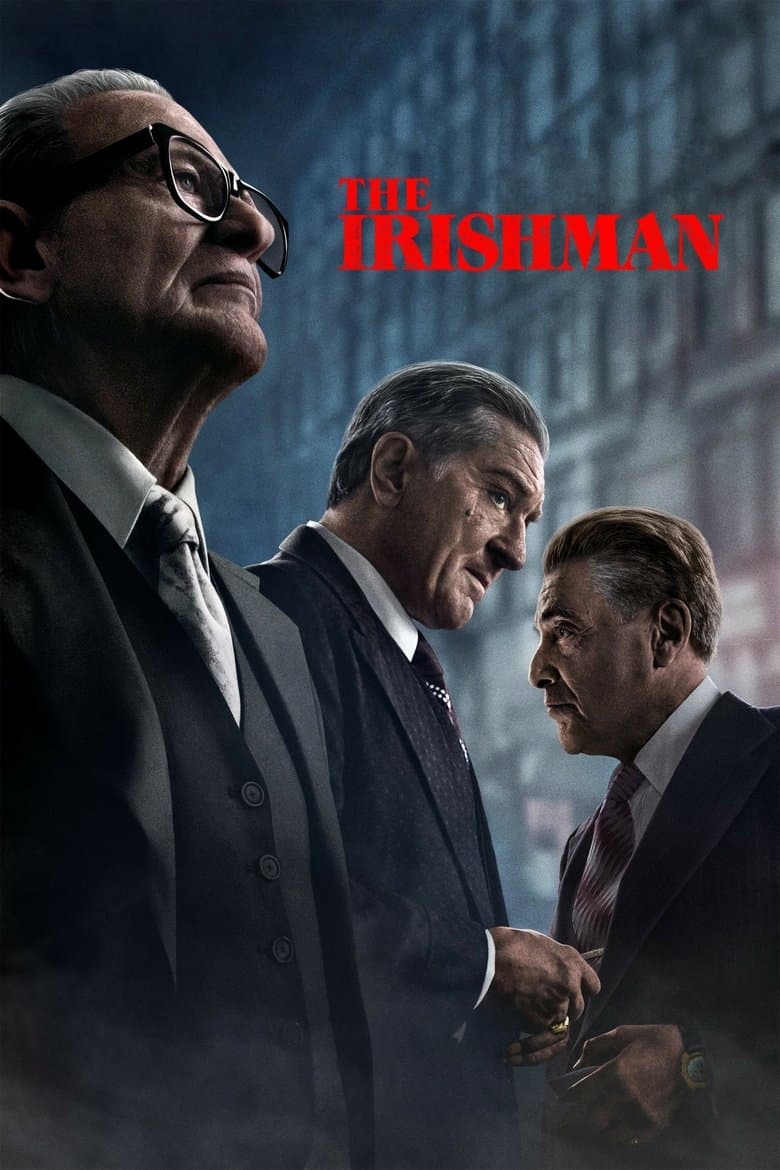
Frank Sheeran is an Irish-American truck driver and war veteran in mid-1900s Pennsylvania. He meets mob boss Russell Bufalino and becomes a trusted helper and hitman. The story follows Frank as he works for the mafia and grows close to union leader Jimmy Hoffa over many years. The tone is slow, serious, and heavy. It is about crime, loyalty, friendship, and regret as Frank looks back from old age.
This movie is a long crime drama about power, loyalty, and getting old after a life of violence. Viewers mainly see gangsters, unions, political pressure from the past, and Frank’s empty later years. The cast fits the time and setting of Italian and Irish crime groups. Public talk was mostly about the movie’s length, the de-aging effects, acting, and whether Frank’s story about Hoffa is true. Other talk focused on how little the women speak, which is left-side criticism about roles for women, not complaints that the film is “woke.” Normal viewers would not walk away thinking this is an identity-politics or social-justice movie.
Community feedback
Was our 3% Woke rating accurate?
Breakdown
These are the editorial factors and ratings behind our score for The Irishman.
Woke representation / casting
Casting matches the mid-century Irish and Italian crime and union world. Leads and main power roles are period-fitting white men. Women and minor roles are not framed as diversity showcase parts. No clear quota-style identity casting in major roles.
0%
Woke political dialogue
Talk covers unions, mafia money, Kennedy-era pressure on Hoffa, prison, and old political fights. That is period crime and labor history, not modern activist lines about race, gender, or identity.
0%
Identity-driven story themes
Core themes are loyalty, betrayal, violence as a job, aging, guilt, and broken family ties. The story is not built around race, gender, queer identity, or modern social-justice arcs.
0%
Western institutional / cultural critique
Shows corrupt unions, mafia power, and the empty cost of a criminal life. That is classic crime-drama moral weight, not a present-day lecture on patriarchy, whiteness, colonial guilt, or activist attacks on Western faith and family norms.
0%
Woke character or canon changes
Not relevant. Changes and disputes are about whether Sheeran’s confessions are true and normal film compression, not race, gender, or DEI rewrites of real people.
0%
Anti-woke backlash and complaints
No meaningful right-leaning or anti-woke wave claimed this film pushes woke, DEI, or identity politics. The loudest social criticism went the other way (women barely speak) and is excluded here.
0%
Creator track record context
Cached scores for Scorsese, the writers, and most producers are low. De Niro’s public politics and Rosenthal’s somewhat higher score raise the group a little, but the team’s overall pattern is not activist or identity-first for this kind of film.
14%
Production
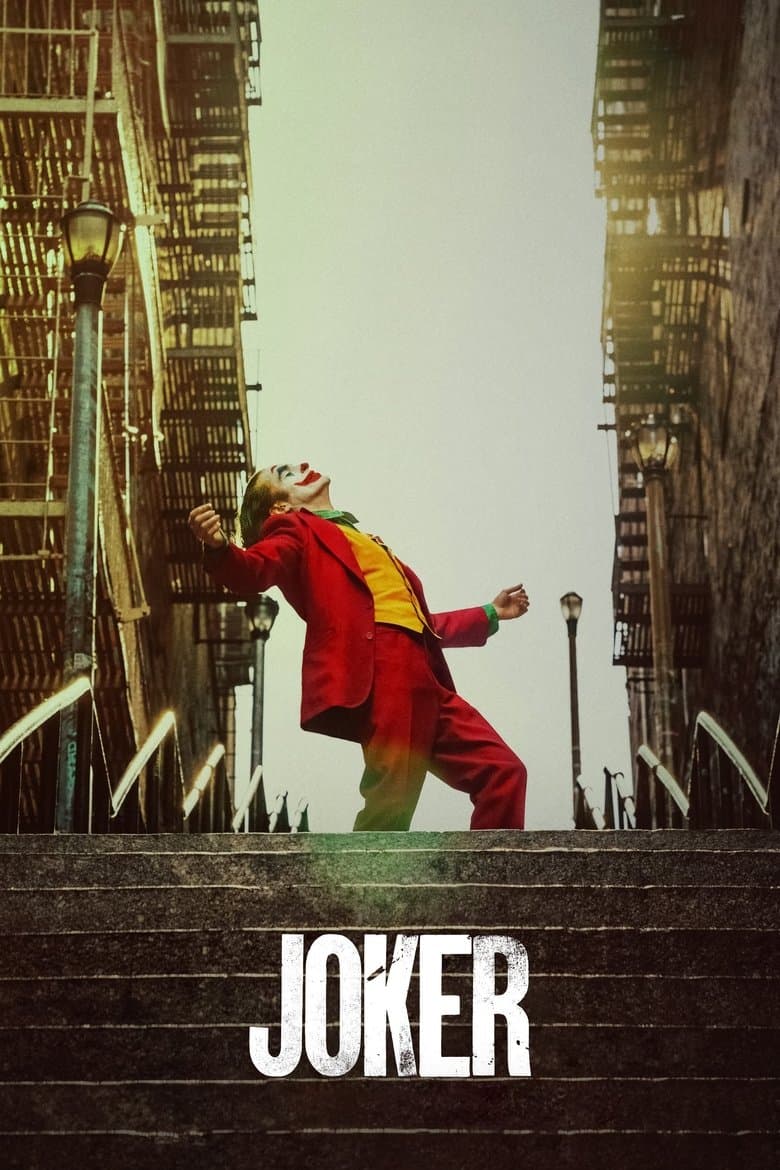
Movie · 2019
During the 1980s, a failed stand-up comedian is driven insane and turns to a life of crime and chaos in Gotham City while becoming an infamous psychopathic crime figure.
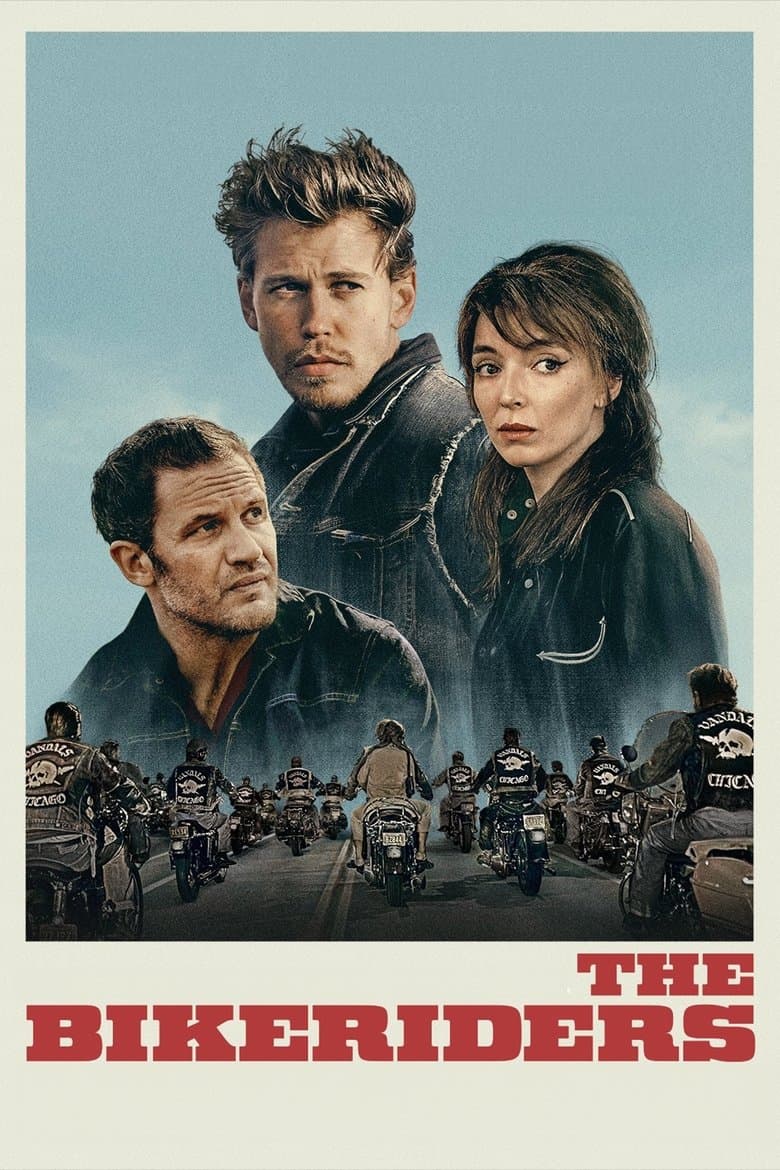
Movie · 2024
After a chance encounter, headstrong Kathy is drawn to Benny, member of Midwestern motorcycle club the Vandals.
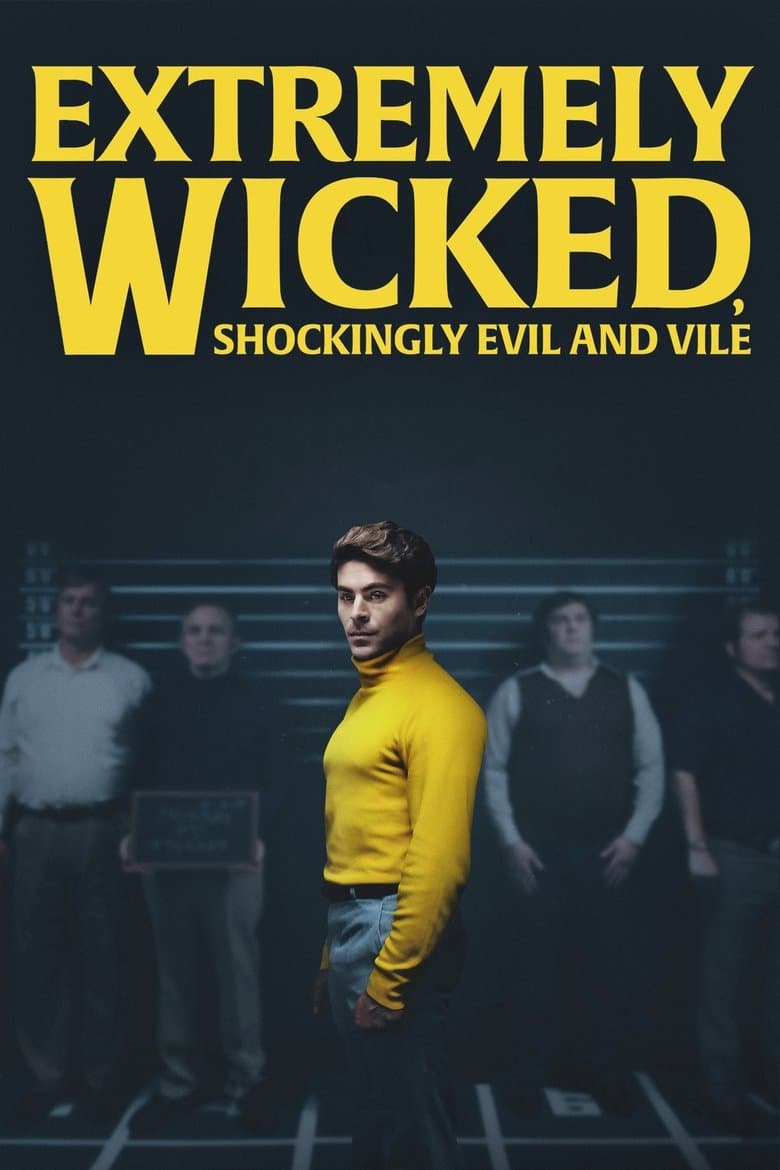
Movie · 2019
A chronicle of the crimes of Ted Bundy, from the perspective of his longtime girlfriend, Elizabeth Kloepfer, who refused to believe the truth about him for years.
Movie · 2024
While awaiting the next fuel truck at a middle-of-nowhere Arizona rest stop, a traveling young knife salesman is thrust into a high-stakes hostage situation by the arrival of two…
Movie · 2026
After his estranged son gets embroiled in a Nazi plot, self-exiled gangster Tommy Shelby must return to Birmingham to save his family — and his nation.
Movie · 2017
A newly-released prison gangster is forced by the leaders of his gang to orchestrate a major crime with a brutal rival gang on the streets of Southern California.
Movie · 2021
When the aging Meyer Lansky is investigated one last time by the Feds who suspect he has stashed away millions of dollars over half a century, the retired gangster spins a…
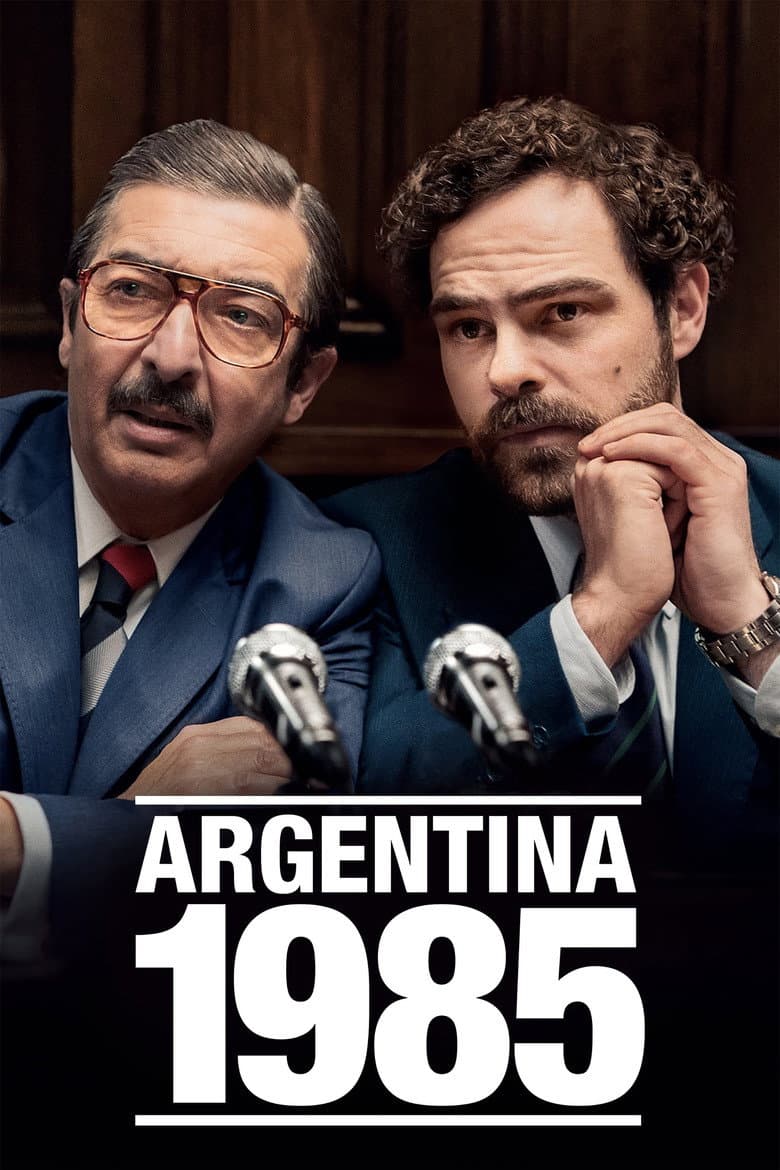
Movie · 2022
In the 1980s, a team of lawyers takes on the heads of Argentina's bloody military dictatorship in a battle against odds and a race against time.
