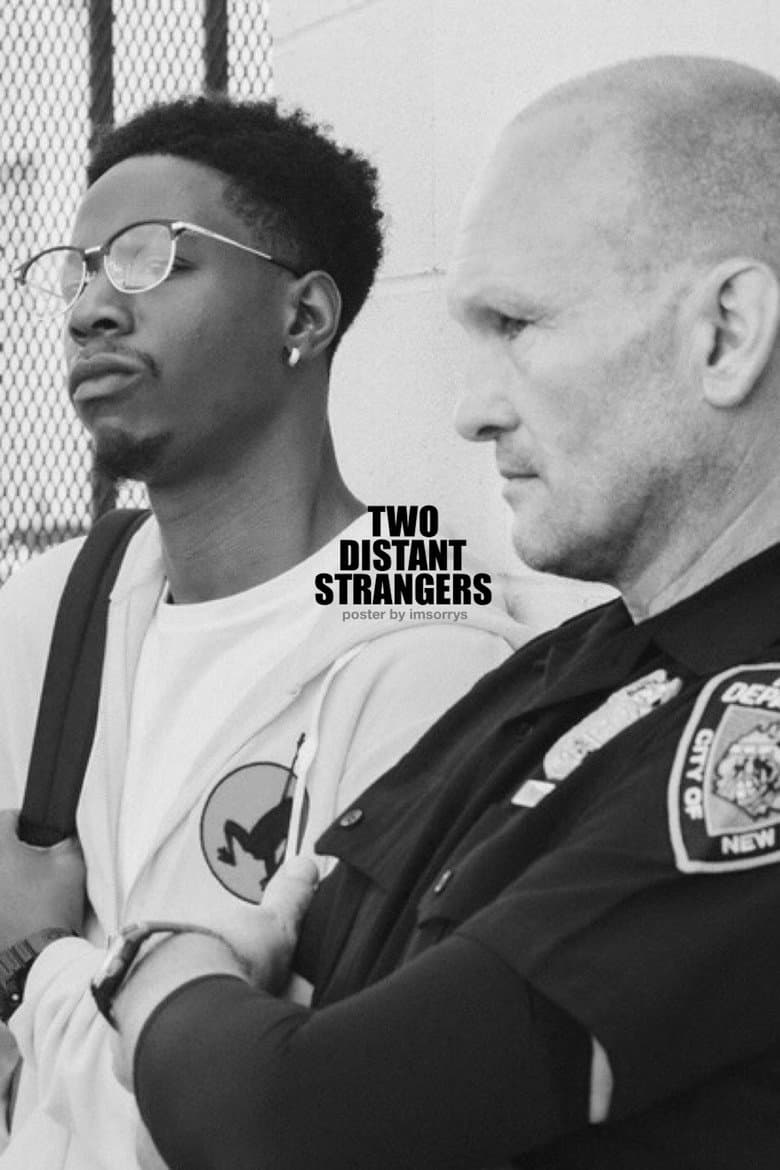
Carter James is a young black graphic artist in New York City. After spending the night with Perri, he tries to get home to his dog before work. A white police officer stops him, and Carter dies during the encounter. Carter wakes in Perri’s bed and repeats the same morning, so the short film shifts between light romance, dark humor, and frightening violence.
The film makes police violence against black Americans its central subject. Carter changes his words and actions, but the officer keeps finding ways to kill him, which turns the time loop into a picture of repeated fear and grief. Carter later argues that police over-police Black neighborhoods and that white people receive unfair advantages, while the closing names and song connect his death to real victims. One brief question about a non-gender-conforming partner adds an inclusive identity line, but the film does not build a queer story around it.
Community feedback
Was our 89% Woke rating accurate?
Breakdown
These are the editorial factors and ratings behind our score for Two Distant Strangers.
Woke representation / casting
Not present. Carter is black and Merk is white because the film’s central conflict is about black-white police violence. The supporting cast fits a modern New York setting, and the film does not build a quota-like group or change a known character.
0%
Woke political dialogue
Carter repeatedly names race during the film. He says police over-police Black neighborhoods, lock black people away for behavior white men joke about, and that the system rewards white people for being white. Merk answers that people are responsible for their own choices and crime. Carter also uses the phrase “racist déjà vu” and asks about a non-gender-conforming partner.
50%
Identity-driven story themes
Race and police violence drive every loop in the story. Carter dies even when he changes small actions, so the film presents his fear as a repeating part of black life in America. The final list of names connects his fictional death to real black people killed by police. The film ends with Carter trying again, which supports a message about living through and resisting a racist system.
92%
Western institutional / cultural critique
The film treats the police as part of a system that keeps harming Carter, not as one bad mistake. Carter says officers over-police Black neighborhoods and over-punish black people. The officer’s friendly talk does not change the outcome, so personal friendship is shown as unable to fix the larger problem. The ending asks for police reform and ties the story to real killings.
76%
Woke character or canon changes
Not relevant. The movie has original characters and is not based on a named character, franchise, or real historical figure. Its time-loop setup does not change established canon.
0%
Anti-woke backlash and complaints
IMDb reviewers called the film political propaganda and objected that it teaches that every cop is ready to kill black people. Letterboxd and Reddit reviewers called it woke trauma porn, BLM propaganda, or a political grab. Small X accounts made similar claims about George Floyd and leftist propaganda. The complaints appeared across several sites, but they mostly came from small or anonymous accounts and no large boycott or review-bombing effort was found.
38%
Creator track record context
Travon Free has a strong record of work about Black experience, police violence, social justice, and LGBTQ identity. Jesse Williams has a public record of racial-justice activism, while Van Lathan and Nicholas Maye often support black-centered and race-focused projects. Tina Exarhos and Terrence J add further representation and community signals. Martin Desmond Roe and several other producers have more mixed or commercial records, so the group is strong but not fully uniform.
78%
Production
Movie · 2024
On the brink of the Second World War, a young Norwegian man's drive to resist the Nazis sets a new course for his future – and the future of his country.
Movie · 2016
WWII American Army Medic Desmond T. Doss, who served during the Battle of Okinawa, refuses to kill people and becomes the first Conscientious Objector in American history to…
Movie · 2019
Richard Jewell thinks quick, works fast, and saves hundreds, perhaps thousands, of lives after a domestic terrorist plants several pipe bombs and they explode during a concert…
Movie · 2020
A man refuses all assistance from his daughter as he ages and, as he tries to make sense of his changing circumstances, he begins to doubt his loved ones, his own mind and even…
Movie · 2025
A logger leads a life of quiet grace as he experiences love and loss during an era of monumental change in early 20th-century America.
Movie · 2023
The true story of the inseparable Von Erich brothers, who made history in the intensely competitive world of professional wrestling in the early 1980s.
Movie · 2025
Diagnosed with Tourette Syndrome at 15, John Davidson navigates his way against the odds through troubled teenage years and into adulthood, finding inspiration in the kindness of…
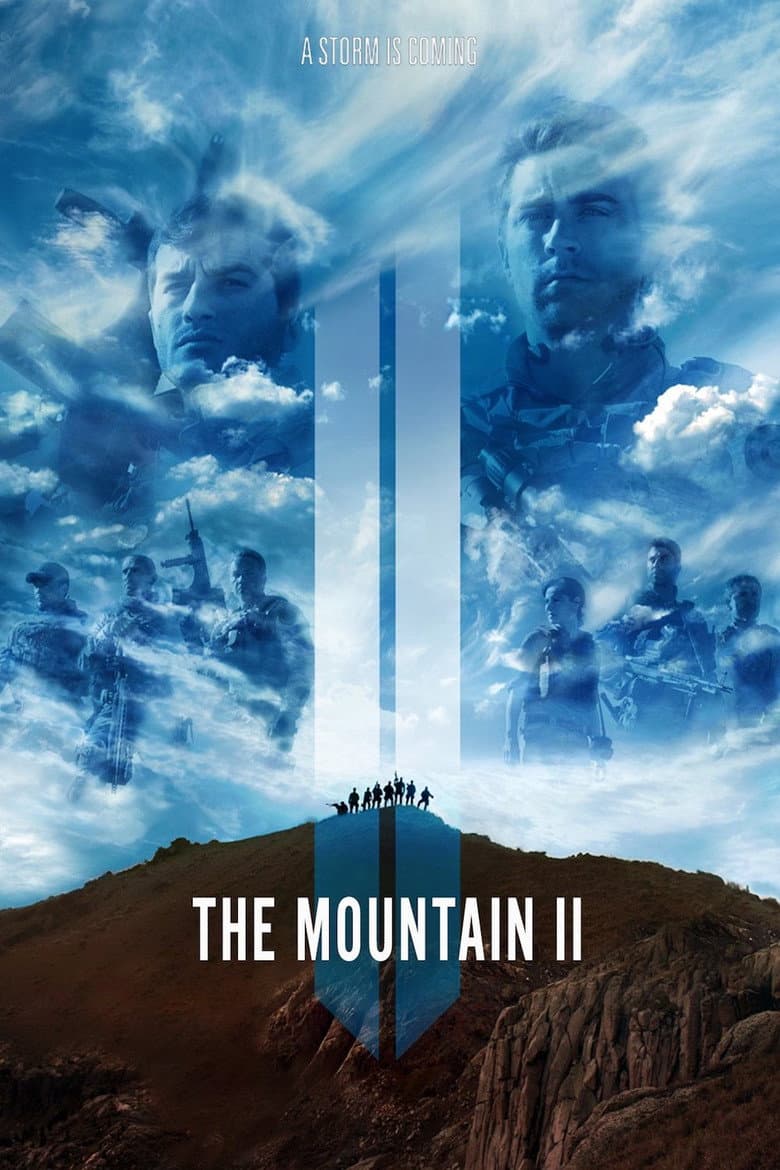
Movie · 2016
In a desolate war zone where screams of the innocent echo, on the very line between disaster and valor, 7 Maroon Berets will dance with death.
