
Raquel Mendoza lives with her mother in Barcelona beside the rich Hidalgo family. She has watched Ares Hidalgo from her window for years, but he has barely noticed her. A Wi-Fi fight brings them together and turns her crush into a hot, messy romance. The story mixes parties, sex, jokes, family pressure, and a serious clash between a poor girl’s hopes and a rich heir’s duties.
The clearest woke elements are a bisexual best friend, repeated talk about female choice and self-respect, and criticism of Ares’s macho control. Daniela has a small but visible romance with Apolo, while Raquel tells Ares that his behavior has hurt her and refuses to accept a quick apology. The film also shows Ares’s father giving him a sexist rule that allows him to sleep with women but orders him to forget Raquel. These ideas matter to the romance, but the film treats them as personal drama rather than a broad political message.
Community feedback
Was our 45% Woke rating accurate?
Breakdown
These are the editorial factors and ratings behind our score for Through My Window.
Woke representation / casting
Daniela is a visible supporting friend and is portrayed as bisexual. She has a short romance with Apolo and speaks openly about sex and relationships. The main cast otherwise fits a modern Spanish teen romance, with no clear one-of-each casting pattern. The film’s promotion centers on the couple’s romance, not diversity.
24%
Woke political dialogue
Ares’s father tells him he may sleep with as many women as he likes but must forget Raquel. Yoshi calls Ares out for using girls and leaving them. Raquel says she will not let Ares hurt her and demands more than a quick apology. These lines challenge male sexual privilege, but they do not become a wider political speech.
24%
Identity-driven story themes
Raquel’s story centers on a girl taking control of her desire and learning to speak for herself. She tells Ares that she will not accept his hurtful behavior and makes him earn another chance. Daniela adds a visible bisexual and sexually open friend to the main teen group. The film still ends as a private romance about class, trust, and growing up, so these themes are important but not dominant.
38%
Western institutional / cultural critique
The Hidalgo family treats Ares as a future company leader and tells him to sleep with women while forgetting Raquel. Ares’s macho behavior and control are shown as harmful, and Yoshi calls him out. The film keeps this conflict inside a rich-family romance instead of attacking capitalism, Christianity, or Western institutions.
30%
Woke character or canon changes
The film moves Raquel’s story from the novel’s North Carolina setting to Barcelona. The book gives her a Mexican immigrant mother, while the film removes that background and uses a Spanish setting and cast. This changes the story’s visible cultural identity, but it serves localizing the adaptation rather than a stated identity campaign.
15%
Anti-woke backlash and complaints
Not present. The supplied X pass found no anti-woke reaction. Other public criticism targeted pacing, toxic romance, sexual content, and book changes rather than DEI or identity politics.
0%
Creator track record context
Eduard Sola has a strong record of stories about gender, class, migration, and social inclusion. Ariana Godoy often discusses Latin visibility, female romance writing, and youth sexuality. Marçal Forés has explored sexual desire and outsider feelings but has no clear activist public profile. The producers are mainly commercial, so the creator signal is mixed and moderate.
47%
Production

Movie · 2016
Maggie's plan to have a baby on her own with a sperm donor is derailed when she falls in love with John, an older married professor, destroying his volatile marriage to the…

Movie · 2016
A young woman struggles to move on with her life after the death of her husband, an acclaimed folk singer, when a brash New York writer forces her to confront her loss and the…
Movie · 2023
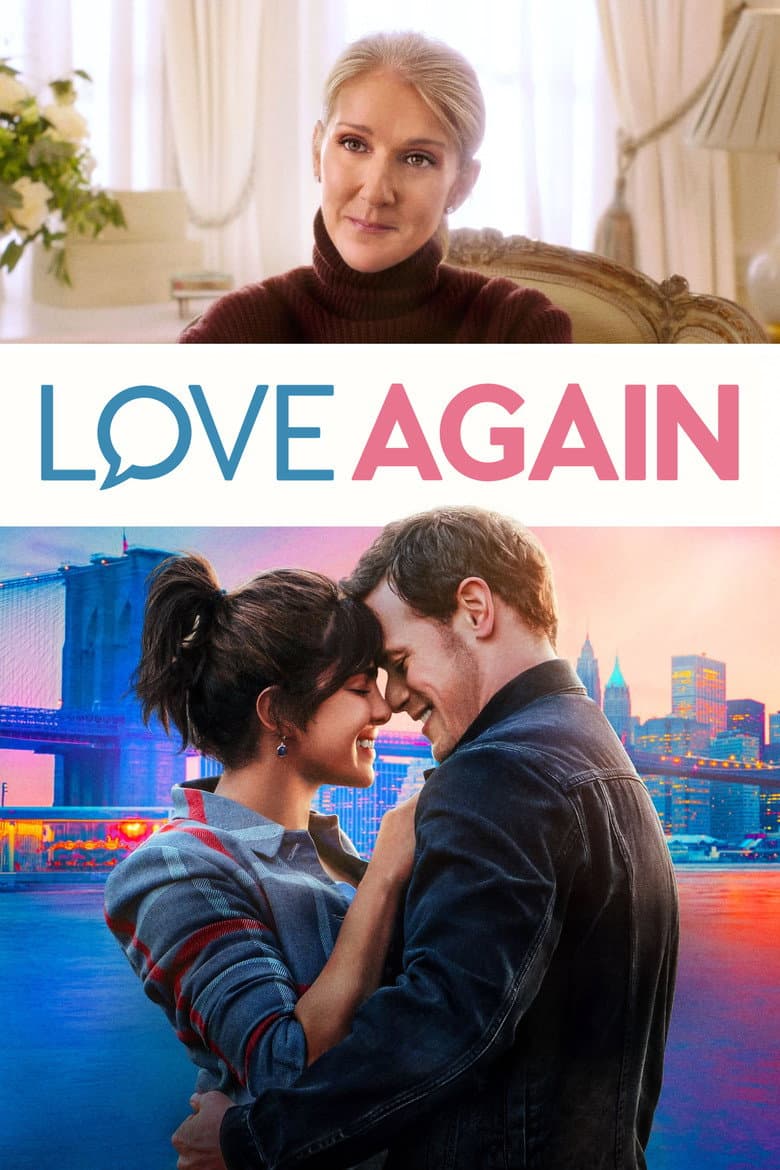
Mira Ray, dealing with the loss of her fiancé, John, sends a series of romantic texts to his old cell phone number… not realizing the number was reassigned to Rob Burns' new work…

Movie · 2023
A novelist's longstanding marriage is suddenly upended when she overhears her husband giving his honest reaction to her latest book.

Movie · 2023
Michelle and Allen, who have reached the point in their relationship where they are considering next steps, decide to invite their parents to finally meet and to offer some…

Movie · 2017
After the early death of his wife, a mourning father moves with his teenage son across the country for a private school teaching job.

Movie · 2025
When her mother sends her on a quest to complete a teenage bucket list, a young woman uncovers family secrets, finds romance — and rediscovers herself.

Movie · 2016
The story of a young man who arrives in Hollywood during the 1930s hoping to work in the film industry, falls in love, and finds himself swept up in the vibrant café society that…
