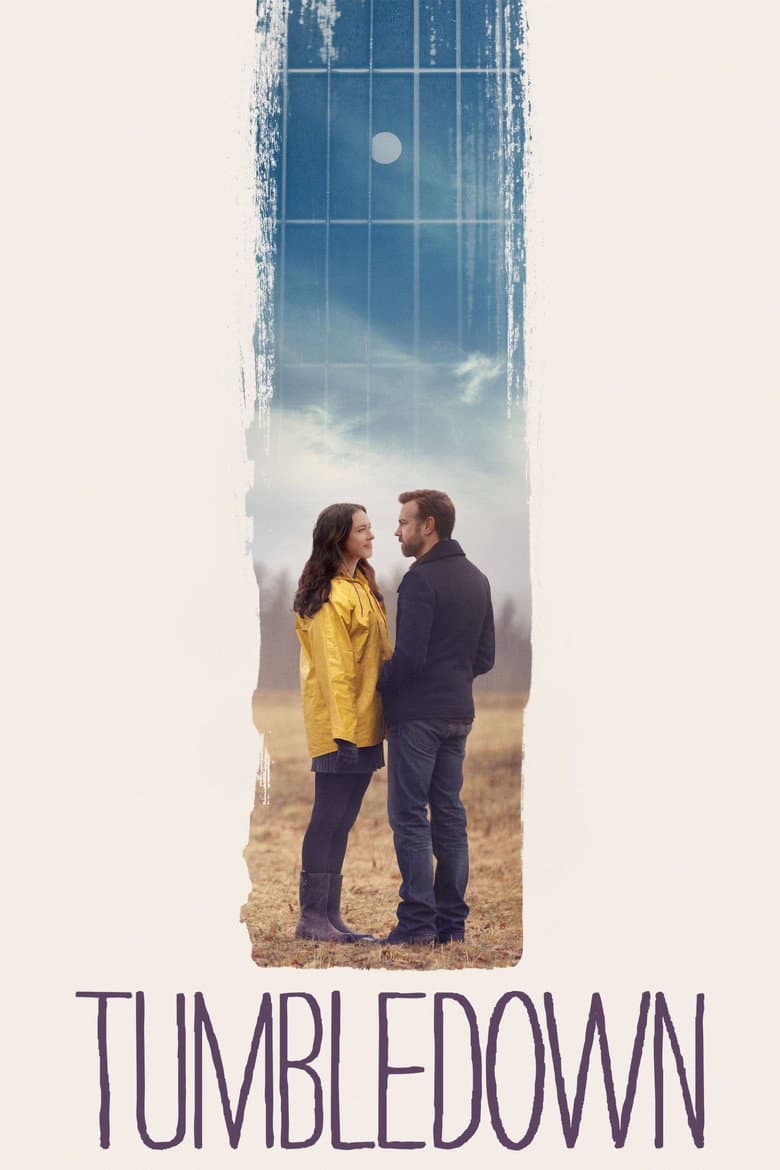
Hannah Miles lives alone in rural Maine after her husband Hunter, a loved folk singer, dies in a mountain fall. She is trying to write his life story while fans and writers turn him into a perfect, tragic star. Andrew McDonnell, a sharp but pushy New York professor, comes to study Hunter and asks Hannah to work with him. Their arguments, shared work, and growing attraction create a sad, funny, and sometimes tense romance.
Andrew gives one clear speech against the way society turns creative work into a product. The film also questions the fame machine that turns a dead singer into a saint. These ideas support its story about grief, memory, and the danger of using another person's life for a neat story. Hannah and Andrew slowly learn that moving forward means facing the truth about Hunter and allowing room for a new life.
Community feedback
Was our 25% Woke rating accurate?
Breakdown
These are the editorial factors and ratings behind our score for Tumbledown.
Woke representation / casting
The film centers on Hannah, a strong and educated woman, and one producer interview describes it as a female-driven story. The cast itself is mostly ordinary for a modern Maine romance and does not show a clear identity-signaling pattern. Hannah’s gender shapes the point of view, but the film does not make gender politics the story.
10%
Woke political dialogue
Andrew says he wants to challenge the way society turns creative work into products. He says fame and money can bury real art. The speech is brief and stays tied to Hunter’s music, so it does not become a main political debate.
22%
Identity-driven story themes
Not present. The main story is about grief, romance, memory, and celebrity myths. It does not build its conflict around race, sexuality, gender identity, or DEI ideas.
0%
Western institutional / cultural critique
The film questions the fame machine that turns a dead singer into a perfect legend. Andrew attacks the way society treats art as a product, and Hannah resists writers who use Hunter’s death for their own careers. These ideas recur through the biography plot and arguments about Hunter’s image. The criticism stays about celebrity culture and money, not identity politics, religion, or modern Western institutions.
30%
Woke character or canon changes
Not relevant. Tumbledown is an original story about fictional people. It does not change established characters, source material, or real historical figures.
0%
Anti-woke backlash and complaints
Not present. No anti-woke complaints, boycott talk, or review-bombing were found in the supplied X pass or the broader search. Online comments mostly discuss the romance, acting, music, and setting.
0%
Creator track record context
Sean Mewshaw and Desiree Van Til have cached scores of 0 and no clear identity-focused public record. Most producers also have low stored scores, while Aaron L. Gilbert has diversity work and Kristin Hahn has supported women-centered filmmaking. This gives mild creator track record context, but it does not drive the movie’s story.
15%
Production
Movie · 2016
A week in the life of Paterson, a poet bus driver, and his wife Laura, a very creative artist, who live in Paterson, New Jersey, hometown of many famous poets and artists.
Movie · 2020
Lonely college freshman Alex has closed himself off from his peers, who all appear to have this whole "college thing" figured out.
Movie · 2023
The dramatic comedy is based on the true story of writer and pinball wizard Roger Sharpe, chronicling his journey to overturn New York City’s 35-year ban on pinball.
Movie · 2016
The story of a young man who arrives in Hollywood during the 1930s hoping to work in the film industry, falls in love, and finds himself swept up in the vibrant café society that…
Movie · 2019
Charlie suffers from a serious disease that causes acute narcolepsy whenever he is happy. Although he develops a variety of techniques to deny himself pleasure and deal with his…
Movie · 2022
Divorced couple Georgia and David find themselves on a shared mission: they team up and travel to Bali to stop their daughter Lily from making the same mistake they once made 25…
Movie · 2023
Highly intelligent computer major Zoey Miller is uninterested in romantic love, but her life is turned upside down when Zack, the school's soccer star, gets amnesia and mistakes…
Movie · 2024
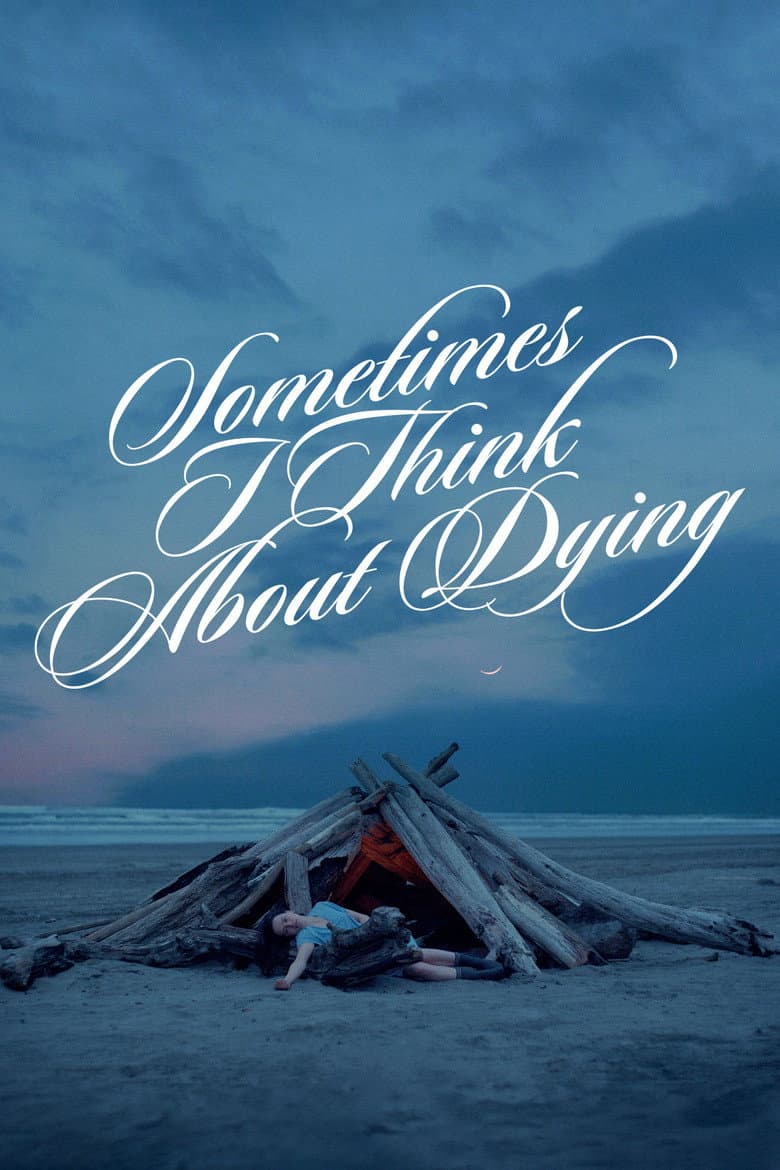
Fran likes to think about dying. It brings sensation to her quiet life. When she makes the new guy at work laugh, it leads to more: a date, a slice of pie, a conversation, a…
