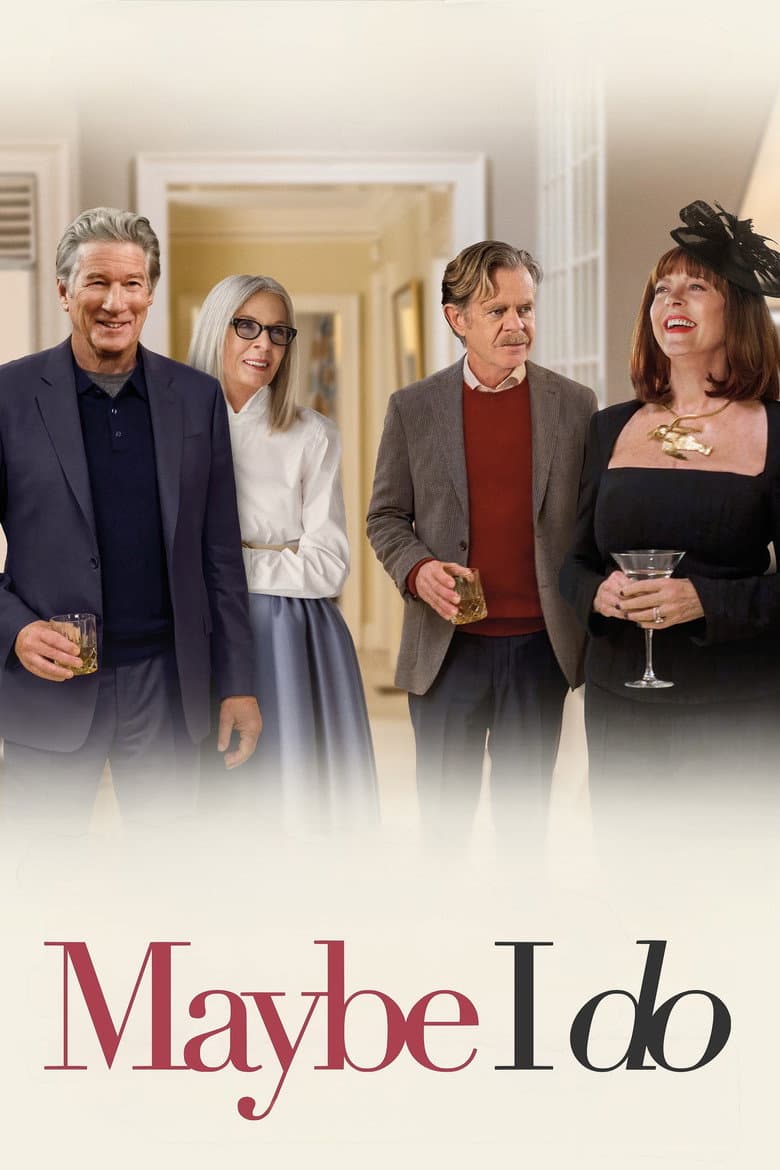
Michelle wants to marry Allen after they have been together for a long time. Allen loves her, but he fears marriage because his parents have made their own marriage unhappy. The couple brings their parents together in New York, and the dinner turns into a painful clash when old affairs and secret feelings come out. The film uses homes, a movie theater, a hotel, and a wedding, so it feels more like a quiet stage play than a fast comedy.
The visible message centers on marriage, honesty, daily care, and the fear that children will copy their parents’ failures. Michelle speaks firmly about commitment, but the film does not present her as a political or identity-driven leader. The older couples face cheating, regret, forgiveness, and a split, while the young couple chooses marriage. All six main characters are white, straight, and have no stated disabilities. The film focuses on marriage and family, but it does not turn those topics into modern activist messaging.
Community feedback
Was our 3% Woke rating accurate?
Breakdown
These are the editorial factors and ratings behind our score for Maybe I Do.
Woke representation / casting
Not present. The six main characters are white and straight, with no stated disabilities. The film does not frame its casting as a diversity or identity statement.
0%
Woke political dialogue
Not present. The characters discuss marriage, cheating, aging, and family habits. The film does not include modern activist or partisan speeches.
0%
Identity-driven story themes
Not present. The story follows heterosexual couples dealing with marriage, cheating, and trust. The film does not build its plot around race, gender identity, queer issues, or a current identity cause.
0%
Western institutional / cultural critique
Not present. The film questions whether marriage can last, but it treats that as a personal family problem. The story does not attack men, family life, religion, or Western institutions through modern activist ideas.
0%
Woke character or canon changes
Not relevant. The film is based on Jacobs’s own 1978 play, and its changes are a modern film rewrite. It does not change a known character, canon, or historical figure for identity reasons.
0%
Anti-woke backlash and complaints
Not present. The supplied X pass found no anti-woke reaction or specific complaints. Web coverage and audience posts focused on weak comedy and relationship problems, not woke or DEI messaging.
0%
Creator track record context
Michael Jacobs has a low-level history of youth stories that sometimes cover social topics. Vincent Newman has supported work by diverse artists, and Jonathan Montepare has produced films about queer lives, race, and justice. The wider group does not show a strong activist brand, and interviews frame this film around love and marriage.
17%
Production
Movie · 2023
Mira Ray, dealing with the loss of her fiancé, John, sends a series of romantic texts to his old cell phone number… not realizing the number was reassigned to Rob Burns' new work…
Movie · 2016
From Jane Austen’s novella, the beautiful and cunning Lady Susan Vernon visits the estate of her in-laws to wait out colorful rumors of her dalliances and to find husbands for…
Movie · 2022
Divorced couple Georgia and David find themselves on a shared mission: they team up and travel to Bali to stop their daughter Lily from making the same mistake they once made 25…
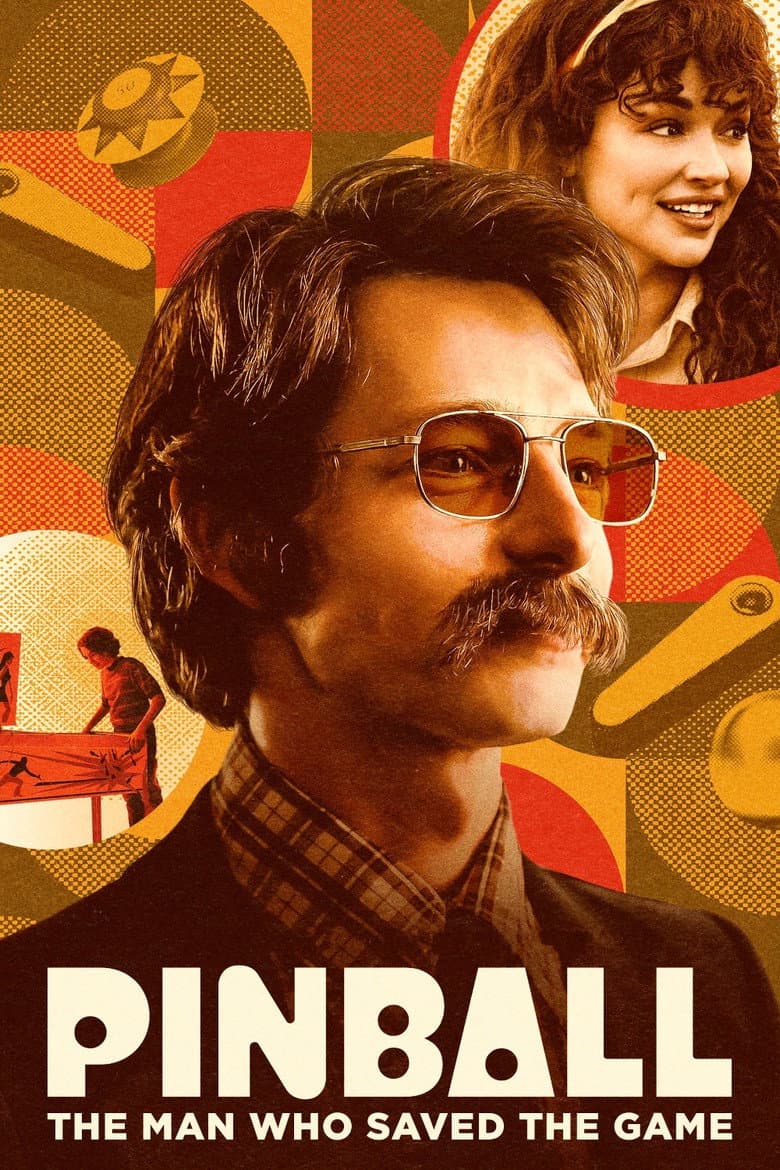
Movie · 2023
The dramatic comedy is based on the true story of writer and pinball wizard Roger Sharpe, chronicling his journey to overturn New York City’s 35-year ban on pinball.
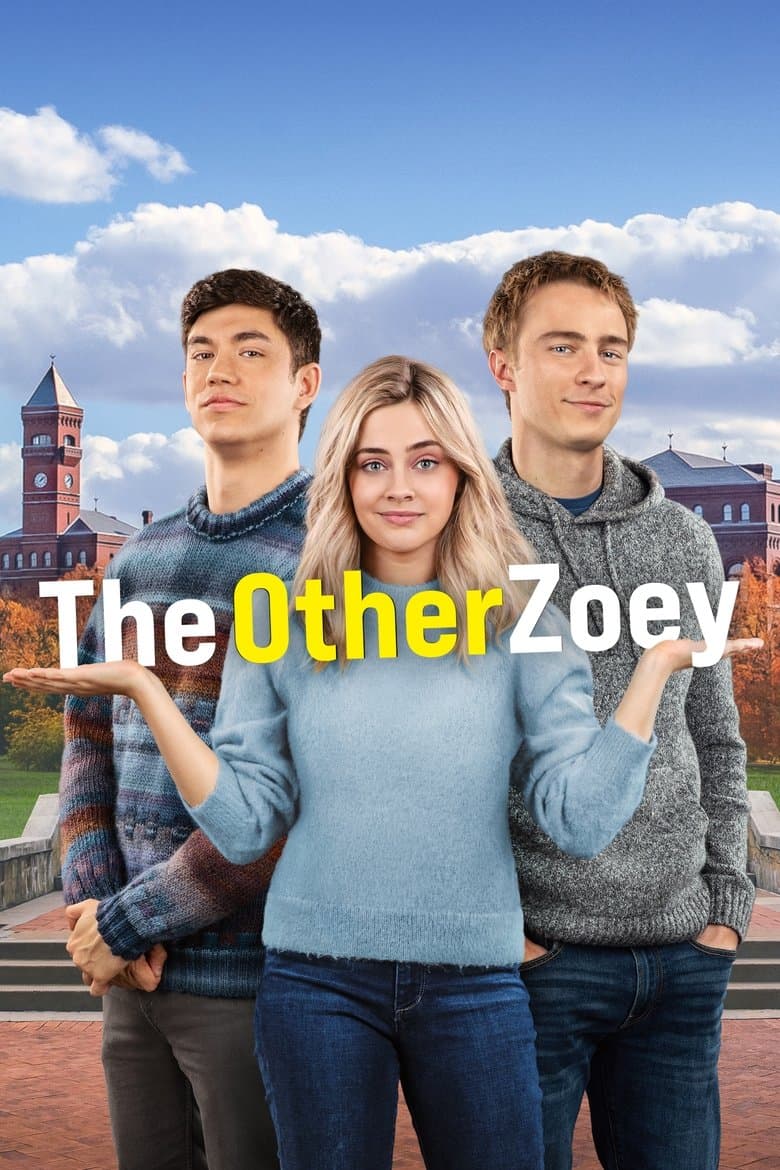
Movie · 2023
Highly intelligent computer major Zoey Miller is uninterested in romantic love, but her life is turned upside down when Zack, the school's soccer star, gets amnesia and mistakes…
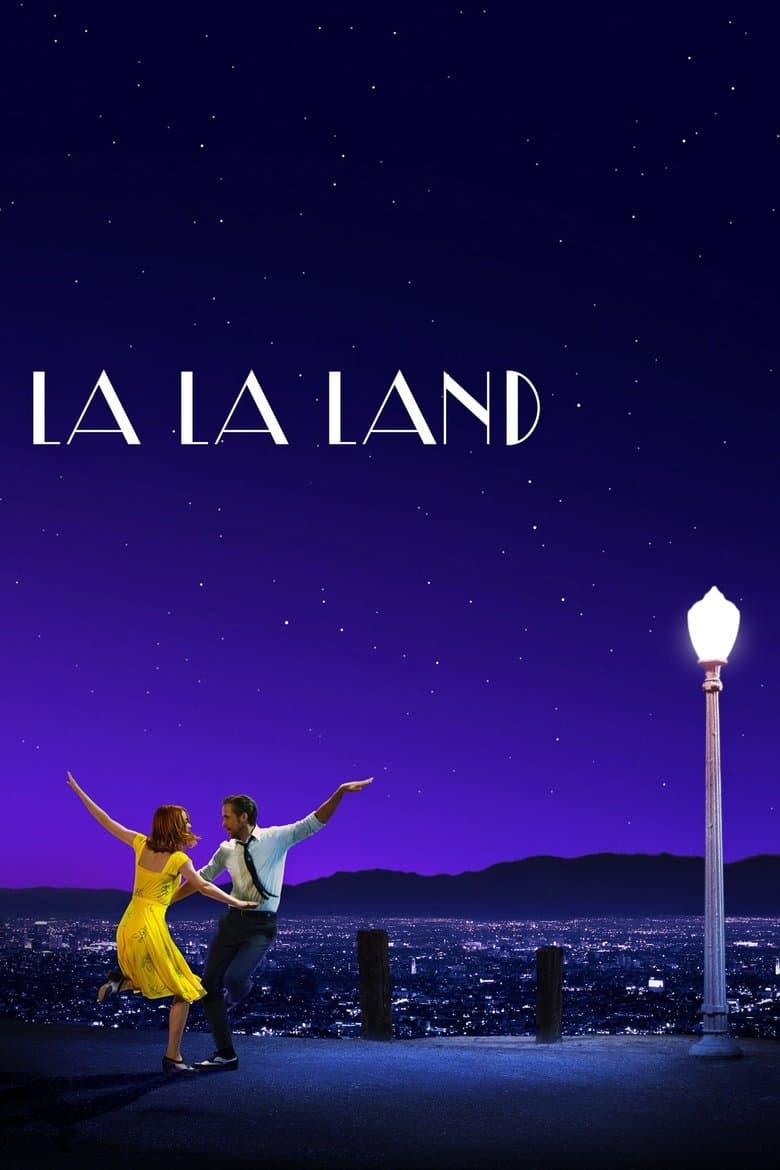
Movie · 2016
Mia, an aspiring actress, serves lattes to movie stars in between auditions and Sebastian, a jazz musician, scrapes by playing cocktail party gigs in dingy bars, but as success…
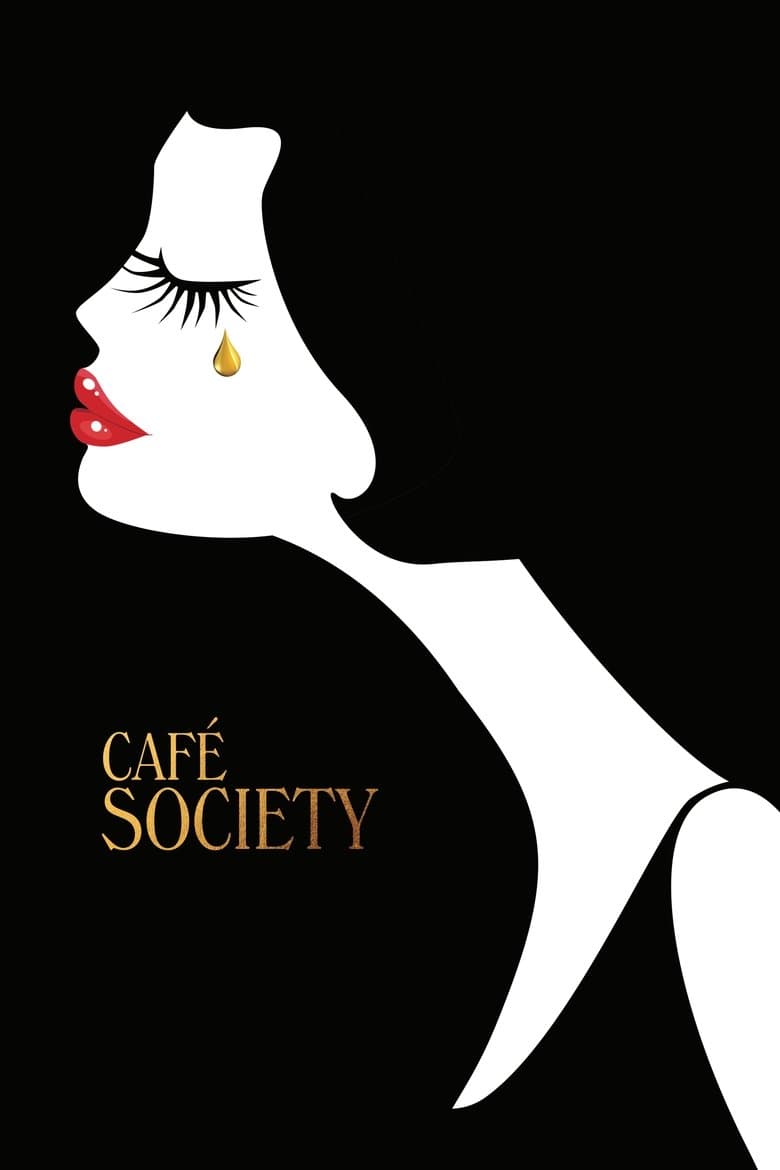
Movie · 2016
The story of a young man who arrives in Hollywood during the 1930s hoping to work in the film industry, falls in love, and finds himself swept up in the vibrant café society that…

Movie · 2020
A teenager lives out the hilarious and often tragic consequences of being lethally attractive, until he meets a girl with a congenital defect.
