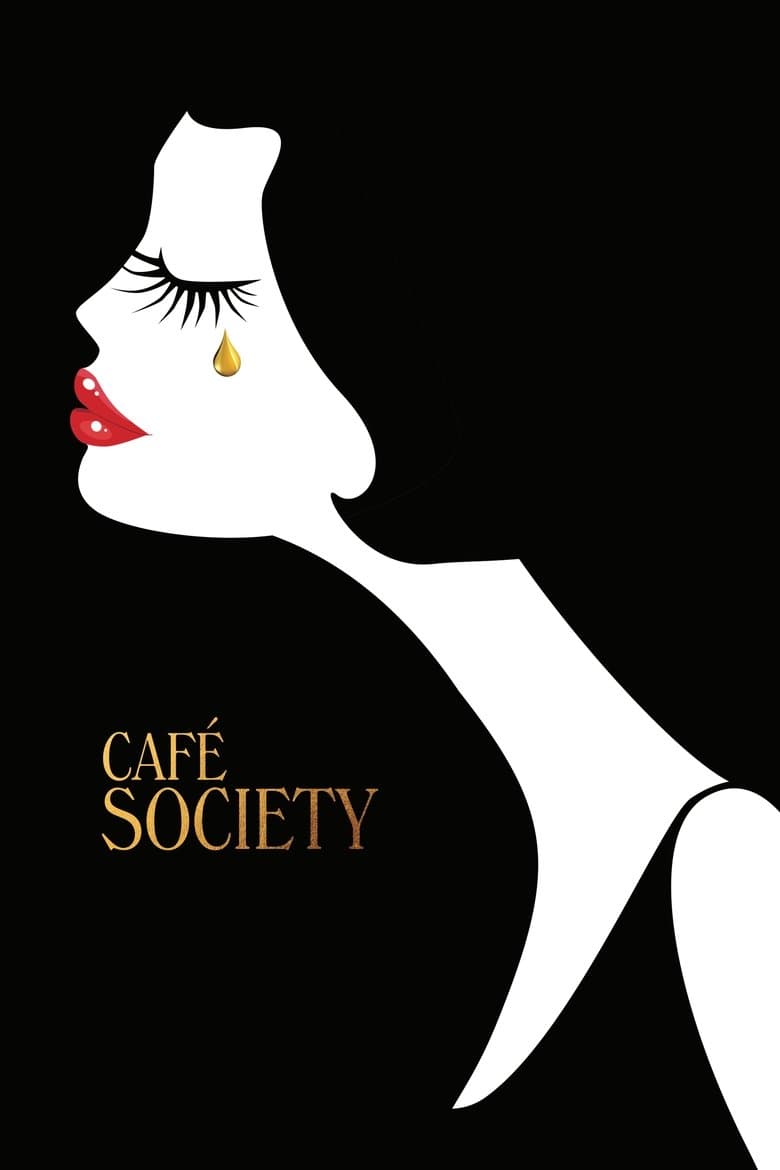
Café Society follows Bobby Dorfman, a young Jewish man from the Bronx who moves to 1930s Hollywood. He works for his powerful agent uncle Phil and falls in love with Phil's secretary Vonnie. He does not know she is already Phil's mistress. Heartbreak sends Bobby back to New York. There he runs a high-end nightclub with his gangster brother Ben, marries Veronica, and lives with bittersweet regret about the love he lost.
The film focuses on chance, lost love, Hollywood shallowness versus New York grit, Jewish family comedy, and climbing into café-society glamour. Jewishness appears as family color through Passover, parental complaining, and family shock at a conversion, not as modern identity politics. There is no LGBTQ storyline and no race or gender swap of characters, because this is an original script. Hollywood looks shallow and glamorous in the familiar New York versus Los Angeles contrast, not as a lecture on present-day culture wars. The story is classic romantic nostalgia, not modern identity activism.
Community feedback
Was our 0% Woke rating accurate?
Breakdown
These are the editorial factors and ratings behind our score for Café Society.
Woke representation / casting
Not present. The 1930s Hollywood and New York café-society cast matches period demographics and the story world. There is no quota-style prominent identity casting. There is no first-of-its-kind identity marketing and no engineered diversity ensemble.
0%
Woke political dialogue
Not present. Dialogue is period romance, agent-town name-dropping, Jewish family comedy, and mild ethnic banter. Pushy-Jew jokes meet self-deprecation. There are no modern activist scripts on race, gender ideology, systemic oppression, or DEI talking points.
0%
Identity-driven story themes
Not present. The core arc is unrequited and parallel love, status, regret, and fate. Jewishness is ethnic family color, not contemporary identity-politics messaging. There is no queer, feminist-empowerment, or representation-first plot engine.
0%
Western institutional / cultural critique
Not present. Hollywood is shallow and glamorous in Allen's long-running New York versus Los Angeles mode. It is not a vehicle for toxic-masculinity lectures, anti-patriarchy messaging, anti-Christian agitprop, or present-day culture-war framing. Adultery and status choices play as romantic melodrama, not activist institutional critique.
0%
Woke character or canon changes
Not relevant. This is an original screenplay with no identity-driven rewrite of established fictional or historical figures.
0%
Anti-woke backlash and complaints
Not present. There is no credible wave of complaints that Café Society itself is woke, DEI-driven, or identity propaganda. Public controversy clustered on Allen's personal reputation. Progressive complaints about dated gender politics or limited diversity are not anti-woke evidence and are excluded here.
0%
Creator track record context
Not present. Cached key creatives including Allen as writer and the listed producers, casting, and assistant directors are scored with no DEI or identity-first filmmaking agenda. Allen's public profile is secular classical-liberal comedy and romance and later cancel-culture pushback. It is not activist identity work that aligns this title with woke content.
0%
Production
Movie · 2016
Mia, an aspiring actress, serves lattes to movie stars in between auditions and Sebastian, a jazz musician, scrapes by playing cocktail party gigs in dingy bars, but as success…
Movie · 2016
A boy growing up in Dublin during the 1980s escapes his strained family life by starting a band to impress the mysterious girl he likes.
Movie · 2023
Mira Ray, dealing with the loss of her fiancé, John, sends a series of romantic texts to his old cell phone number… not realizing the number was reassigned to Rob Burns' new work…
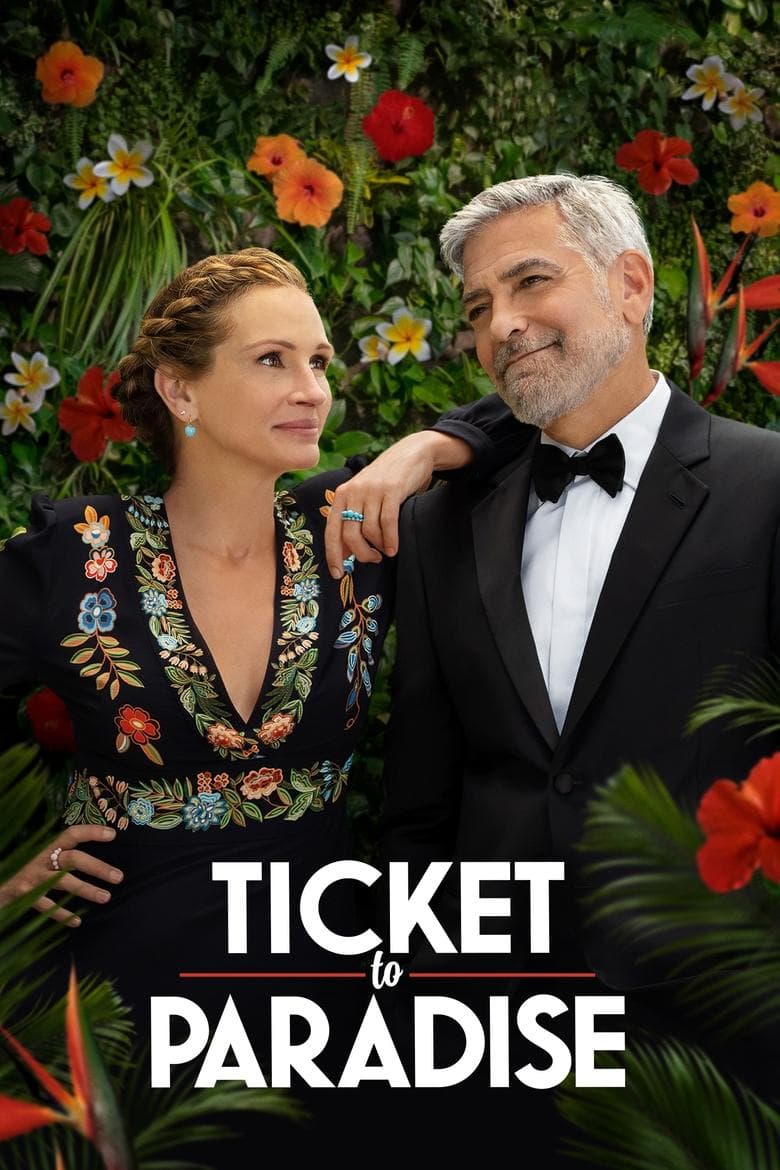
Movie · 2022
Divorced couple Georgia and David find themselves on a shared mission: they team up and travel to Bali to stop their daughter Lily from making the same mistake they once made 25…
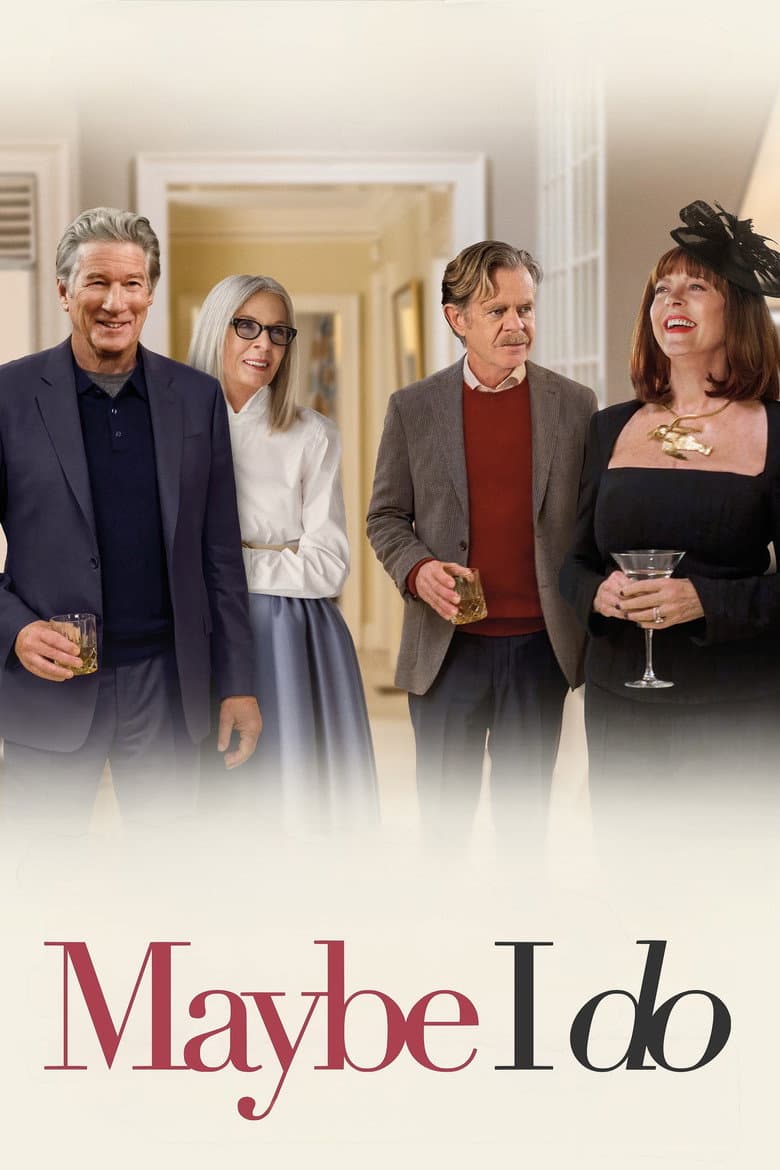
Movie · 2023
Michelle and Allen, who have reached the point in their relationship where they are considering next steps, decide to invite their parents to finally meet and to offer some…
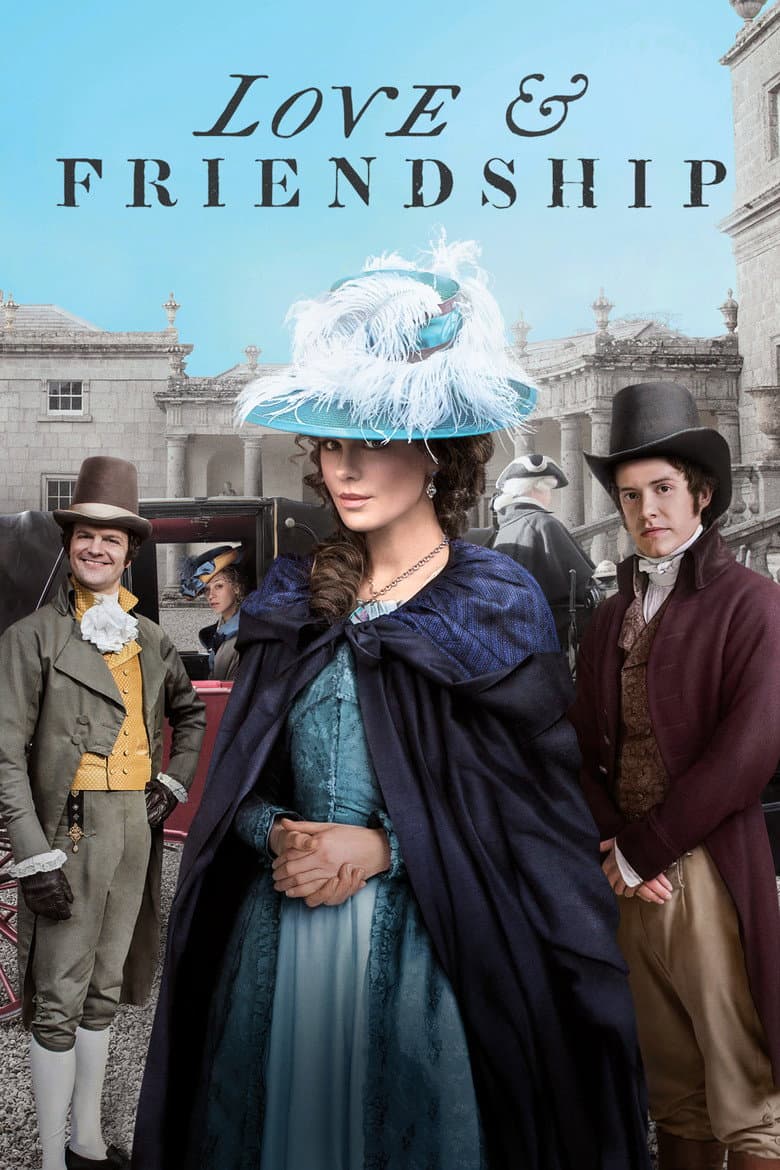
Movie · 2016
From Jane Austen’s novella, the beautiful and cunning Lady Susan Vernon visits the estate of her in-laws to wait out colorful rumors of her dalliances and to find husbands for…

Movie · 2020
A teenager lives out the hilarious and often tragic consequences of being lethally attractive, until he meets a girl with a congenital defect.
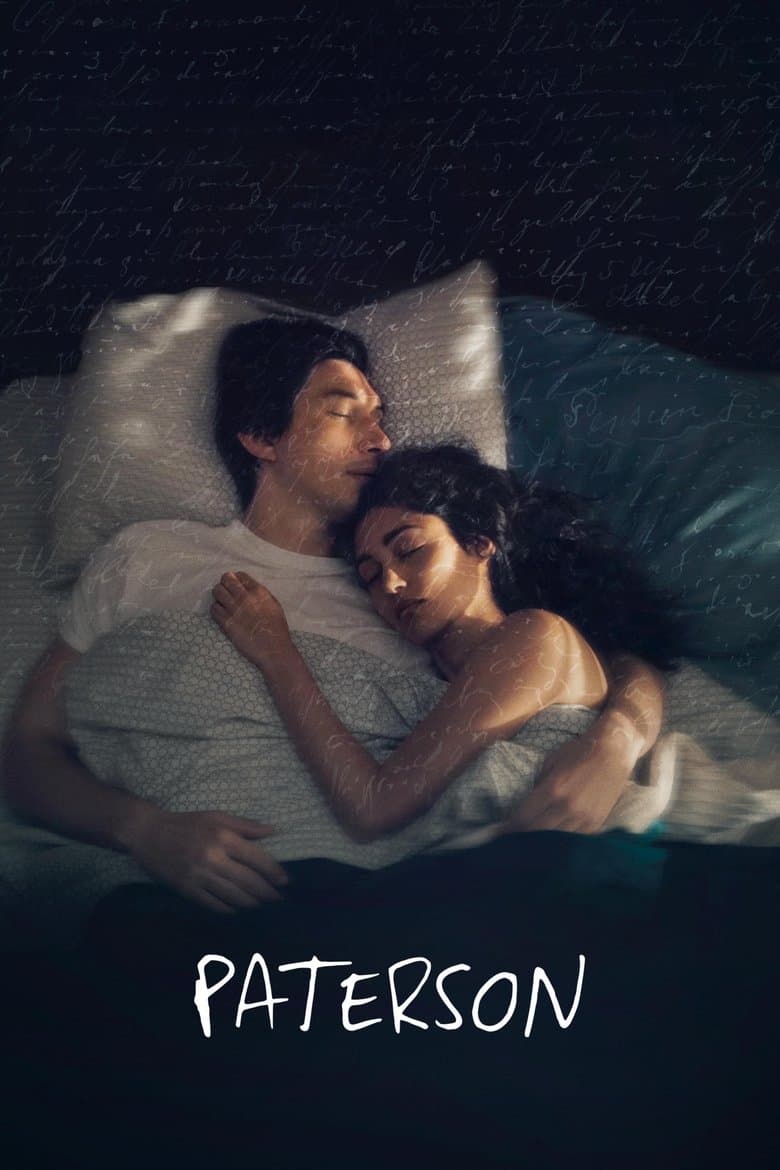
Movie · 2016
A week in the life of Paterson, a poet bus driver, and his wife Laura, a very creative artist, who live in Paterson, New Jersey, hometown of many famous poets and artists.
