
Maggie's Plan follows Maggie Hardin, a New School administrator who plans a baby with sperm donor Guy. She falls for married anthropologist John Harding, whose brilliant Danish wife Georgette is a tenured Columbia professor. John leaves Georgette, and Maggie marries him and has a daughter. Years later Maggie is out of love and worn down by John's unfinished novel and the domestic load. With friends Tony and Felicia she schemes to reunite John and Georgette in a screwball comedy of remarriage with academic satire.
The visible social angle is modern female agency, not race or queer politics. Core beats include solo motherhood by donor, female matchmaking control, and women outgrowing a needy husband. Reviewers treat it as a female-centered or soft post-feminist rom-com rather than identity agitprop. Casting keeps white leads, with an interracial supporting couple that fits contemporary New York rather than a diversity campaign. There are no confirmed queer characters or themes, and academic jargon works as comic satire of pretentious intellectuals, not sustained activist speech.
Community feedback
Was our 26% Woke rating accurate?
Breakdown
These are the editorial factors and ratings behind our score for Maggie's Plan.
Woke representation / casting
The film is set in modern New York academia with white leads. Maya Rudolph plays a friend in an interracial couple that feels ordinary for the setting, not like a quota lead pattern. There is a mild bump for female professional emphasis in Maggie as planner and Georgette as a brilliant tenured professor next to needy John. Press and cast also frame the project as female-gaze and women-led rather than racial engineering of roles.
14%
Woke political dialogue
Comic academic jargon such as commodity fetishism and ficto-critical anthropology mocks pretentious intellectuals. It is not sustained activist, DEI, or identity-politics speechifying.
5%
Identity-driven story themes
The core engine is women’s modern romantic and parental agency. That includes solo motherhood via donor, female matchmaking control, outgrowing a needy husband, and woman-to-woman scheming. It is noticeable soft post-feminist gender comedy. It is not race-focused, queer-centric, or systemic whiteness and patriarchy agitprop.
32%
Western institutional / cultural critique
There is light academia satire and a playful upending of tidy marriage and romance norms. John is somewhat hapless next to high-powered women. The film does not reframe into present-day activist attacks on capitalism, Christianity, or the West as systems.
18%
Woke character or canon changes
Not relevant. Original Rinaldi story and Miller adaptation, not an identity or DEI rewrite of franchise characters or historical figures.
0%
Anti-woke backlash and complaints
Not present. No documented anti-woke or anti-DEI backlash treating the film as propaganda. Reception was mainstream-critical praise for a small rom-com.
0%
Creator track record context
Cached scores are mild, with Miller at 26 for women-centered indies and mild female-filmmaker comments, Rinaldi at 13, Kerry at 22 for Democratic politics, and most other producers and crew around 5 to 11. Overall mild, with no strong identity-activist pattern driving this title’s content.
16%
Production

Movie · 2016
A sex therapist goes through puberty after the successful removal of a benign tumor resting against his pituitary gland.

Movie · 2019
Charlie suffers from a serious disease that causes acute narcolepsy whenever he is happy. Although he develops a variety of techniques to deny himself pleasure and deal with his…

Movie · 2016
A boy growing up in Dublin during the 1980s escapes his strained family life by starting a band to impress the mysterious girl he likes.

Movie · 2023
The dramatic comedy is based on the true story of writer and pinball wizard Roger Sharpe, chronicling his journey to overturn New York City’s 35-year ban on pinball.
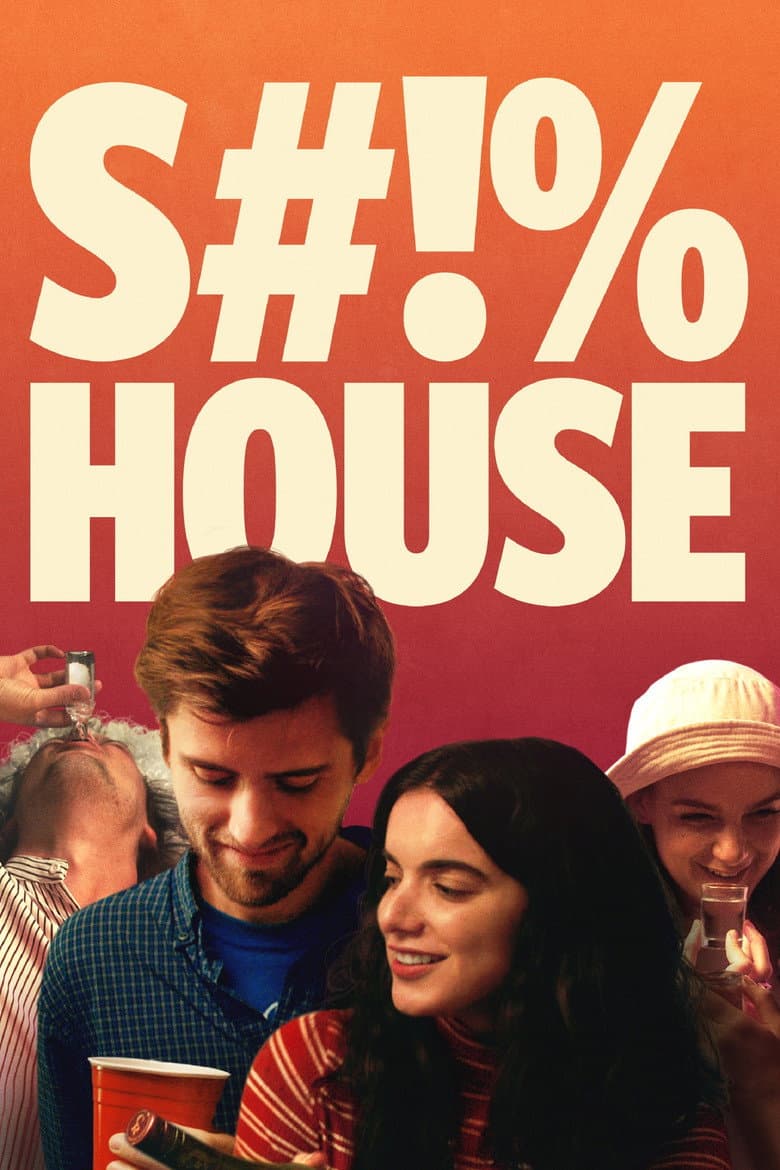
Movie · 2020
Lonely college freshman Alex has closed himself off from his peers, who all appear to have this whole "college thing" figured out.

Movie · 2020
A teenager lives out the hilarious and often tragic consequences of being lethally attractive, until he meets a girl with a congenital defect.

Movie · 2016
A week in the life of Paterson, a poet bus driver, and his wife Laura, a very creative artist, who live in Paterson, New Jersey, hometown of many famous poets and artists.
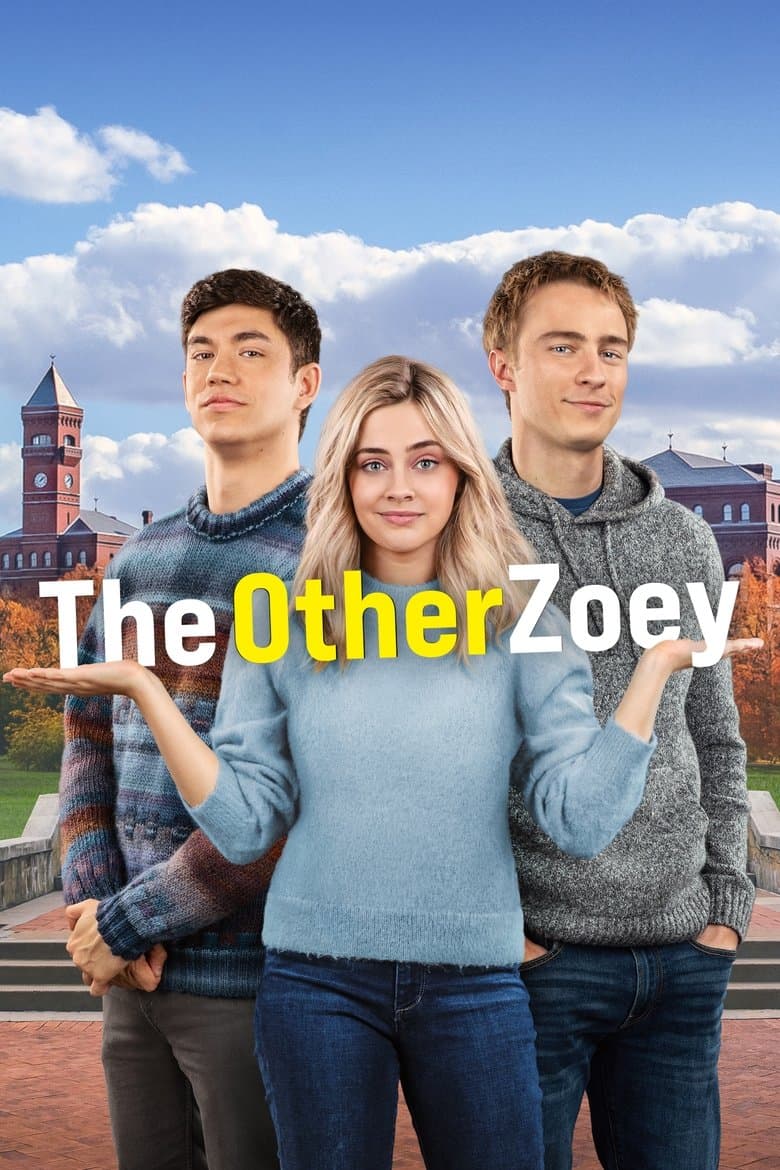
Movie · 2023
Highly intelligent computer major Zoey Miller is uninterested in romantic love, but her life is turned upside down when Zack, the school's soccer star, gets amnesia and mistakes…
