
Mira Ray is a New York children’s book illustrator who is still grieving the death of her fiancé, John. Two years after the accident, she moves back from her parents’ home and sends loving texts to John’s old phone to keep talking to him. The number now belongs to Rob Burns, a lonely music journalist whose fiancée left him before their wedding. Rob reads the private messages, falls for Mira, and asks singer Céline Dion to help him meet her. The film uses soft jokes, sad memories, romance, and many Dion songs.
Love Again centers on grief, honesty, and the idea that a person can love someone new without erasing an earlier love. Mira slowly returns to ordinary life through her sister Suzy, her work, dates, food, basketball, and her growing bond with Rob. Rob’s choice to hide the wrong number creates the main moral problem, because their relationship begins with a secret. Dion plays a comic version of herself who questions Rob, gives him love advice, and pushes him to speak honestly. The story ends by treating healing as a new chapter rather than a demand to forget the dead.
Community feedback
Was our 3% Woke rating accurate?
Breakdown
These are the editorial factors and ratings behind our score for Love Again.
Woke representation / casting
Not present. The lead couple includes a South Asian woman and a white man in modern New York, but the film does not frame their identities as a social message. Supporting roles are varied but do not form an identity-driven group.
0%
Woke political dialogue
Not present. The dialogue deals with love, grief, dating, work, and honesty. It does not promote political or activist ideas.
0%
Identity-driven story themes
Not present. Mira and Rob’s problems come from loss, loneliness, and lying about the phone number. The film does not make race, sex, gender, or group identity a story issue.
0%
Western institutional / cultural critique
Not present. The film shows a newspaper job and family life without attacking men, women, religion, capitalism, or Western social institutions.
0%
Woke character or canon changes
Not relevant. This is a modern romance remake, and it does not change an established character, canon, or historical figure to deliver an identity message.
0%
Anti-woke backlash and complaints
Not present. The supplied X pass found no anti-woke reaction or specific complaint. Web reviews discuss quality, pacing, and Céline Dion, not woke or DEI messaging.
0%
Creator track record context
Karoline Herfurth has a feminist public record and helped make the German source film. Céline Dion has supported LGBTQ youth, and producer Vivien Kenny has a queer short in her history. Jim Strouse and Sofie Cramer have no clear activist record in the supplied context. These facts add mild background context, but the movie itself is a standard romance.
15%
Production

Movie · 2016
Mia, an aspiring actress, serves lattes to movie stars in between auditions and Sebastian, a jazz musician, scrapes by playing cocktail party gigs in dingy bars, but as success…

Movie · 2016
The story of a young man who arrives in Hollywood during the 1930s hoping to work in the film industry, falls in love, and finds himself swept up in the vibrant café society that…

Movie · 2016
From Jane Austen’s novella, the beautiful and cunning Lady Susan Vernon visits the estate of her in-laws to wait out colorful rumors of her dalliances and to find husbands for…

Movie · 2021
Troubled teen Will Hawkins has a run-in with the law that puts him at an important crossroad: go to juvenile detention or attend a Christian summer camp.
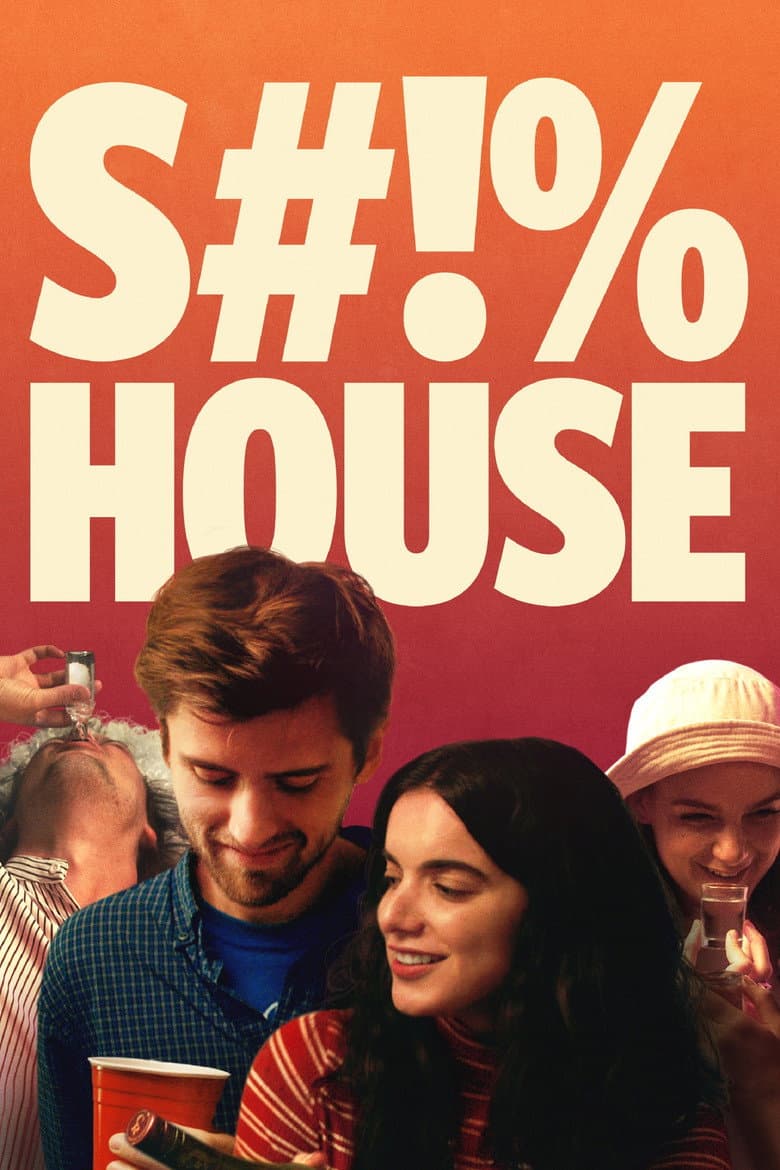
Movie · 2020
Lonely college freshman Alex has closed himself off from his peers, who all appear to have this whole "college thing" figured out.

Movie · 2023
Two romantic burnouts, Jane and Will, are immediately drawn to each other at a mutual friend’s wedding. After a disastrous hookup in the coatroom, the two spend the next 24 hours…

Movie · 2023
College freshman Abby tries to distance herself from her dark past while resisting her attraction to bad boy Travis.

Movie · 2017
After the early death of his wife, a mourning father moves with his teenage son across the country for a private school teaching job.
