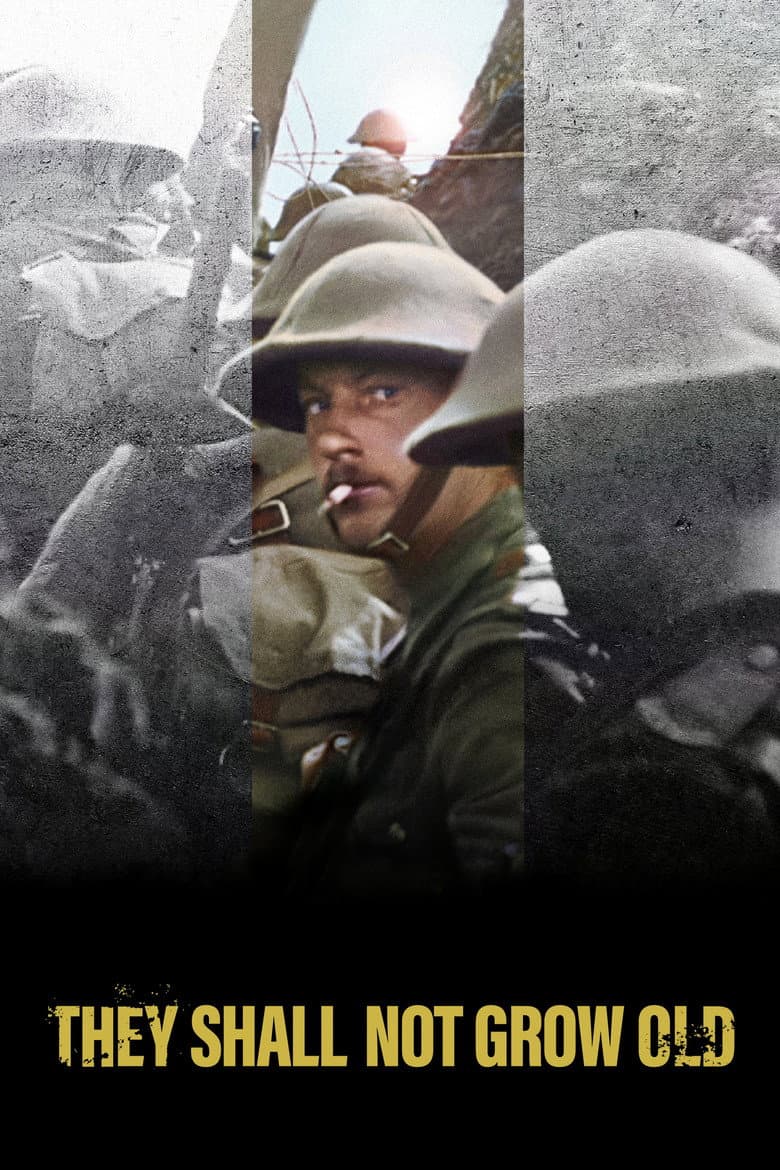
They Shall Not Grow Old follows young British soldiers from recruitment and training in 1914 through life in the trenches, battle, the Armistice, and their return home. The documentary uses restored film from the Imperial War Museum and old interviews with men who served in the First World War. The soldiers describe excitement, friendship, hunger, fear, mud, wounds, death, and the hard silence that they meet after coming home. The mood changes from lively and humorous to grim, shocking, and sad as the war moves closer.
The main message is that ordinary soldiers were real people, not distant figures from a history book. The film shows their daily work, crude jokes, fear of German fire, and sympathy for some captured Germans. Its strongest themes are memory, brotherhood, suffering, and the gap between wartime experience and life at home. The film ends as a sad warning about war and as a tribute to a generation that could not explain what it had seen.
Community feedback
Was our 2% Woke rating accurate?
Breakdown
These are the editorial factors and ratings behind our score for They Shall Not Grow Old.
Woke representation / casting
Not present. The film uses real archive footage instead of a modern cast chosen for identity reasons. The footage includes British troops and brief views of other wartime units, with no diversity message.
0%
Woke political dialogue
Not present. The veteran voices discuss enlistment, food, fear, sex, battle, and returning home. They do not deliver modern identity, DEI, or activist lines.
0%
Identity-driven story themes
Not present. The film centers memory, combat, friendship, suffering, and the human cost of war. It does not build its story around race, gender, sexuality, or present-day identity politics.
0%
Western institutional / cultural critique
Not present. The film shows military leaders sending men into danger and civilians failing to understand veterans. Those are parts of the First World War story, not a modern attack on family, faith, gender roles, or Western institutions.
0%
Woke character or canon changes
Not relevant. The documentary restores and rearranges archive material, but it does not change the race, sex, sexuality, or identity of a known character or historical person.
0%
Anti-woke backlash and complaints
Not present. The X research pass found no anti-woke reaction, and wider coverage found no meaningful claim that the film pushes DEI or identity politics. Public arguments focused on restoration, historical scope, and missing context.
0%
Creator track record context
Peter Jackson has a cached score of 14/100 and no strong record of identity-politics activism. Tessa Ross has a cached score of 16/100 and has backed some queer and race or gender history dramas as normal arts work, while Clare Olssen has a cached score of 5/100 and no high-confidence activist record. This gives the film mild creator-context weight.
12%
Production
Movie · 2019
An Iraqi journalist joins an army of uneasy allies and unforgettable characters in the epic battle to liberate the city of Mosul from the Islamic State.
Movie · 2018
As his life comes to its end, famous Hollywood director Orson Welles puts it all on the line at the chance for renewed success with the film The Other Side of the Wind.

Movie · 2022
Follows the man who survived an assassination attempt by poisoning with a lethal nerve agent in August 2020. During his months-long recovery, he makes shocking discoveries about…
Movie · 2016
After being denied access to the Church of Scientology's headquarters, documentarian Louis Theroux teams up with ex-Scientology official Marty Rathbun to stage re-enactments of…
Movie · 2016
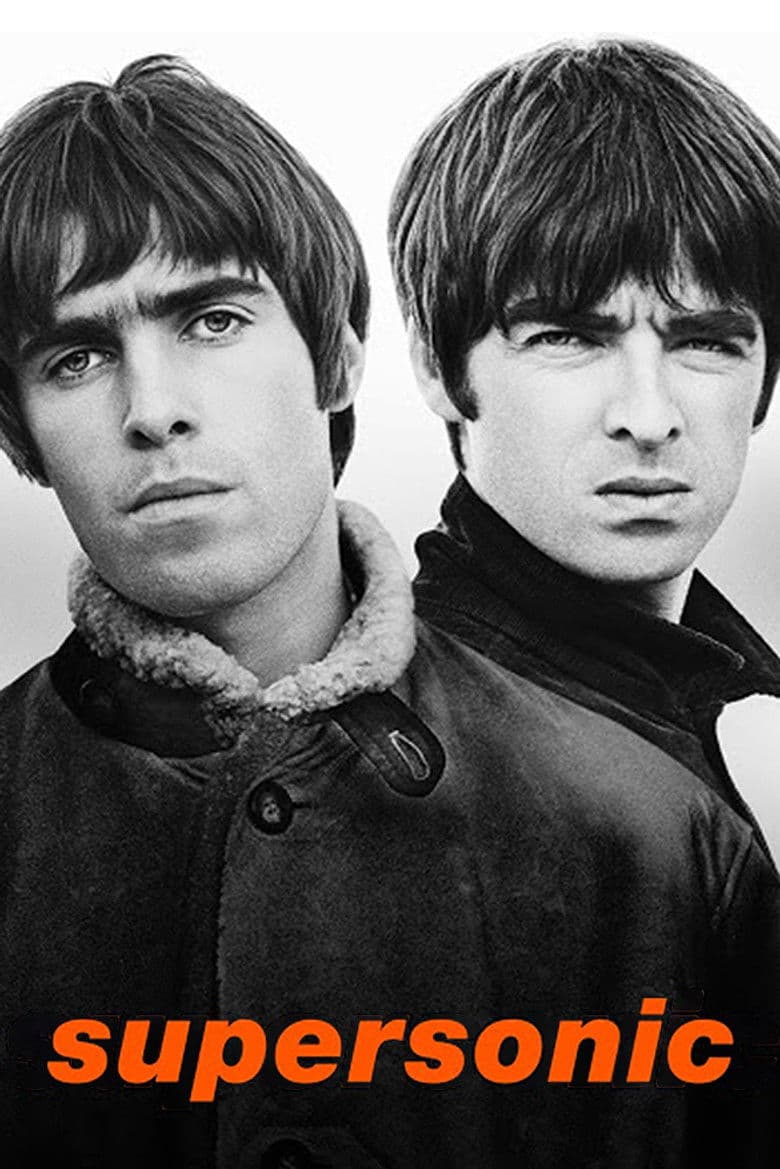
Supersonic charts the meteoric rise of Oasis from the council estates of Manchester to some of the biggest concerts of all time in just three short years.

Movie · 2017
Documentary about the arena-packing Swedish DJ, chronicling his explosive rise to fame and surprising decision to retire from live performances in 2016.
Movie · 2016
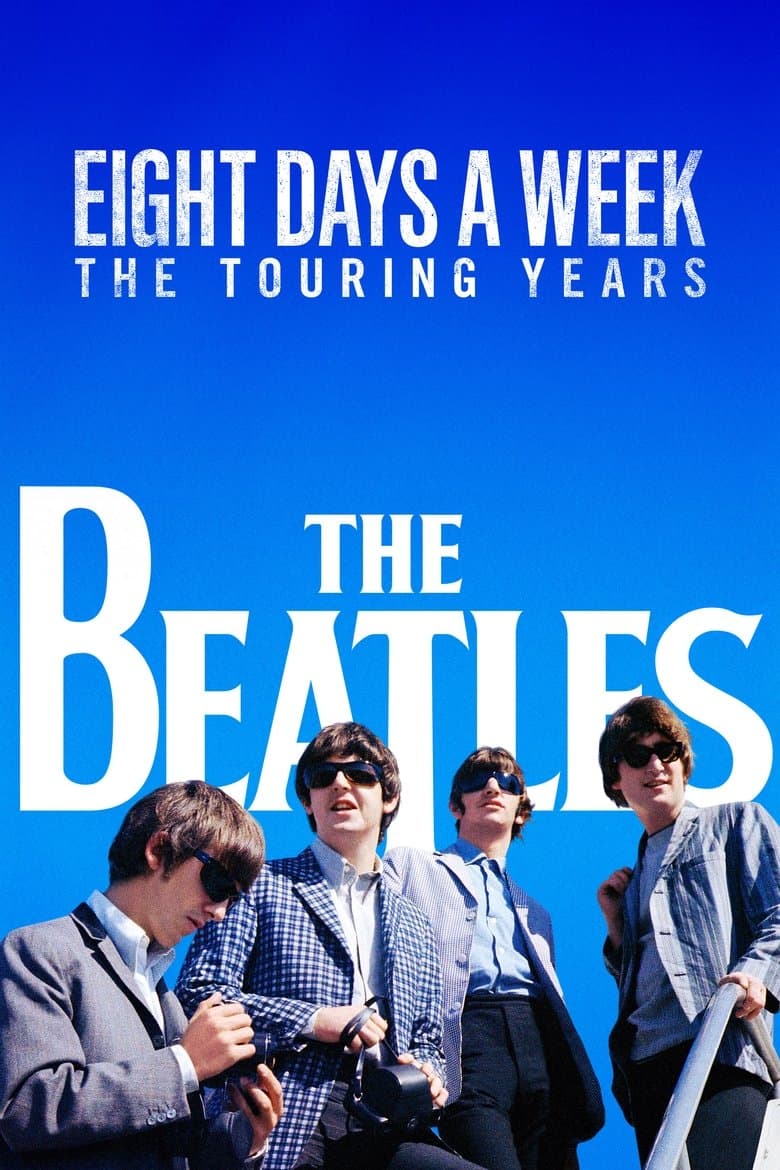
The Beatles stormed through Europe's music scene in 1963, and, in 1964, they conquered America. Their groundbreaking world tours changed global youth culture forever and…
Movie · 2016
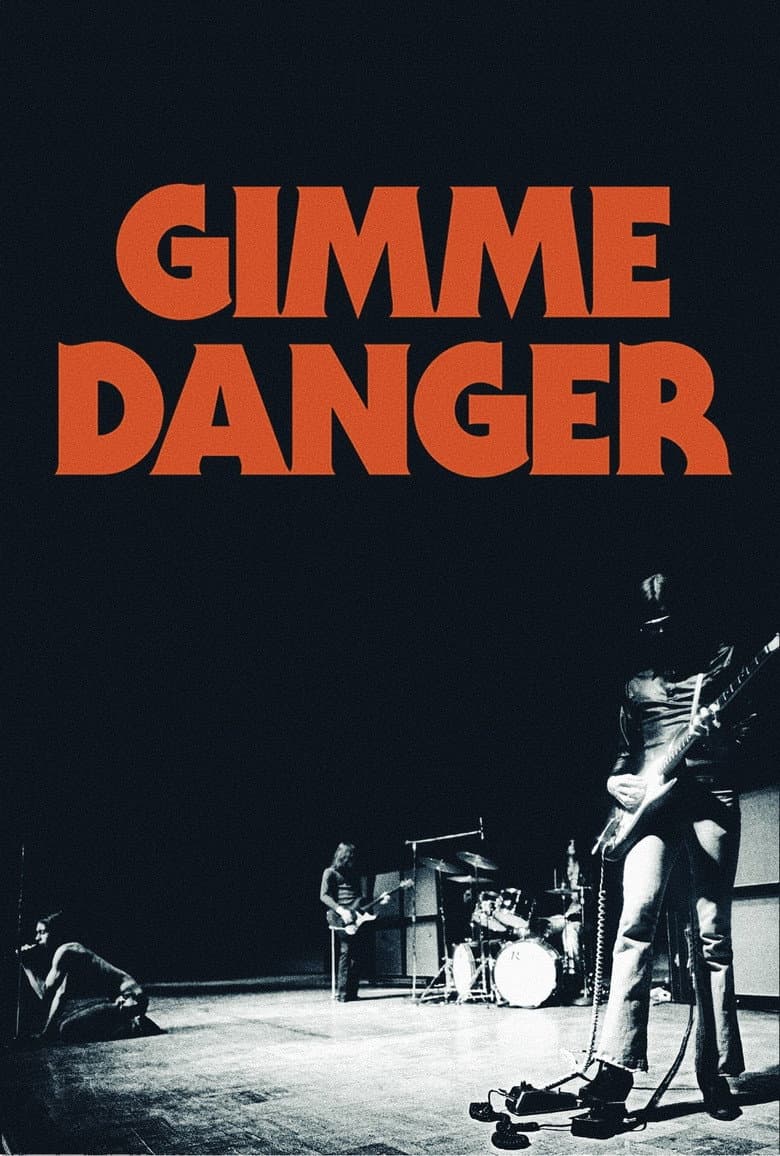
No other band in rock'n'roll history has rivaled The Stooges' combination of heavy primal throb, spiked psychedelia, blues-a-billy grind, complete with succinct angst-ridden…
