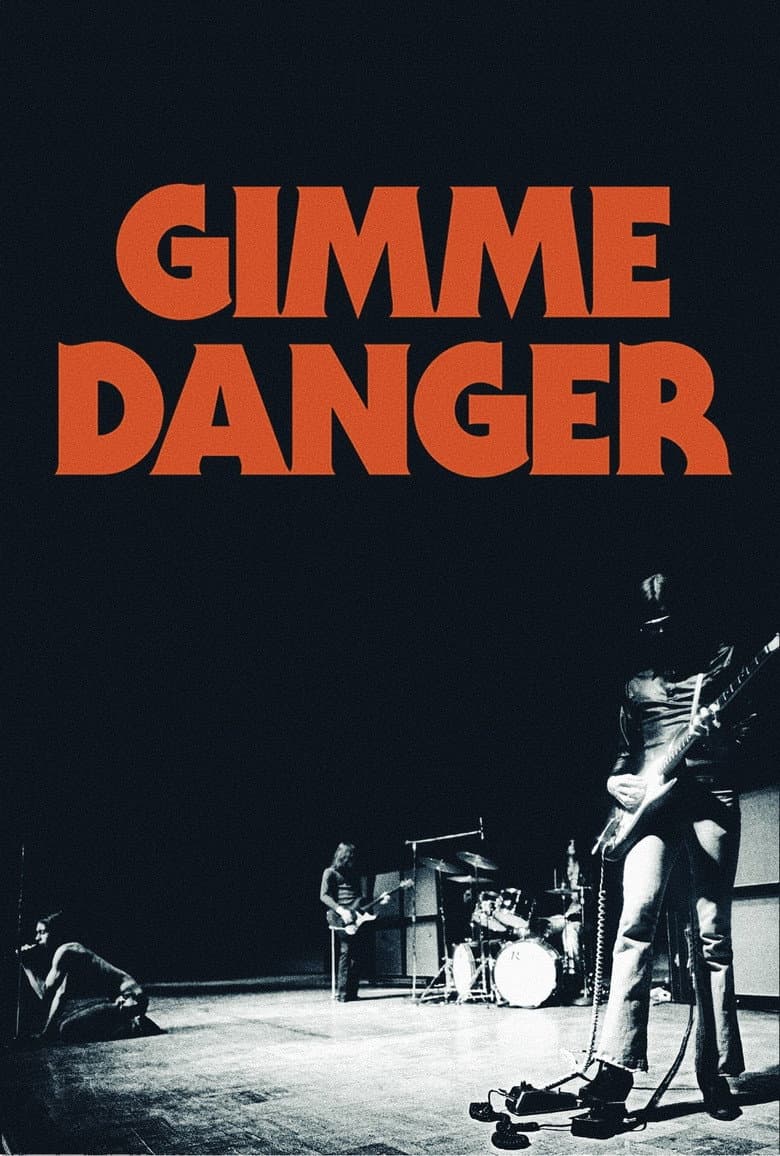
James Osterberg, better known as Iggy Pop, tells the story of his band, The Stooges. The film follows the group from its start in Ann Arbor and Detroit in the late 1960s through three rough albums, failed shows, drug use, collapse, and later return. Old concert footage, photos, interviews, and simple animations show how the band built a loud sound that helped lead to punk. The tone is wild, funny, sad, and strongly loyal to its subject.
The film contains a few short political and identity-related remarks. Iggy talks about learning from Black blues musicians and says he realized that he was not Black. He also says the band lived as “real communists” because they shared a home, food, and money, while saying they were not political. The film shows the band avoiding a 1968 protest concert and calling the White Panther Party ridiculous, but these moments stay in the background while the main story follows music, friendship, drugs, failure, loss, and the band’s lasting influence.
Community feedback
Was our 13% Woke rating accurate?
Breakdown
These are the editorial factors and ratings behind our score for Gimme Danger.
Woke representation / casting
Not present. The film follows the real Stooges, a mostly white male band from Michigan, and uses the actual people and archive material connected to its history. No diversity-first casting pattern is shown.
0%
Woke political dialogue
Iggy talks briefly about learning from Black blues musicians and says he realized he was not Black. Iggy also calls the band “real communists” because the members shared a home, food, and money. The film presents these remarks as 1960s history and shows the band turning away from a protest concert, so the political message stays weak.
14%
Identity-driven story themes
Not present. The film centers on the band’s music, wild performances, drugs, friendship, failure, and later reunion. It does not make race, gender, sexuality, or modern identity politics the main story.
0%
Western institutional / cultural critique
The film shows the band rejecting mainstream music, frat-boy culture, record contracts, and the music business. The film also shows a communal home and mentions the Detroit riots and a 1968 protest event. These moments add a mild anti-establishment tone, but they do not become a modern attack on Western institutions, family, Christianity, or traditional gender roles.
12%
Woke character or canon changes
Not relevant. The film documents real band members and does not recast or rewrite their race, gender, sexuality, or roles.
0%
Anti-woke backlash and complaints
Not present. No anti-woke backlash was found in the reviewed news, audience, Reddit, YouTube, or social media results. Public criticism focused on the film’s shallow fan style and missing history, not on DEI or identity politics.
0%
Creator track record context
Jim Jarmusch is known for counterculture films and has spoken about climate change and corporate greed. His public comments do not strongly center race, gender, or identity politics. Carter Logan has no recorded activist or social justice history. This gives the title only a mild creator track record context.
15%
Production
Movie · 2016
After being denied access to the Church of Scientology's headquarters, documentarian Louis Theroux teams up with ex-Scientology official Marty Rathbun to stage re-enactments of…
Movie · 2019
An Iraqi journalist joins an army of uneasy allies and unforgettable characters in the epic battle to liberate the city of Mosul from the Islamic State.
Movie · 2025
Those who knew iconic funnyman John Candy best share his story, in their own words, through never-before-seen archival footage, imagery, and interviews.

Movie · 2023
As the Russian invasion begins, a team of Ukrainian journalists trapped in the besieged city of Mariupol struggle to continue their work documenting the war's atrocities.
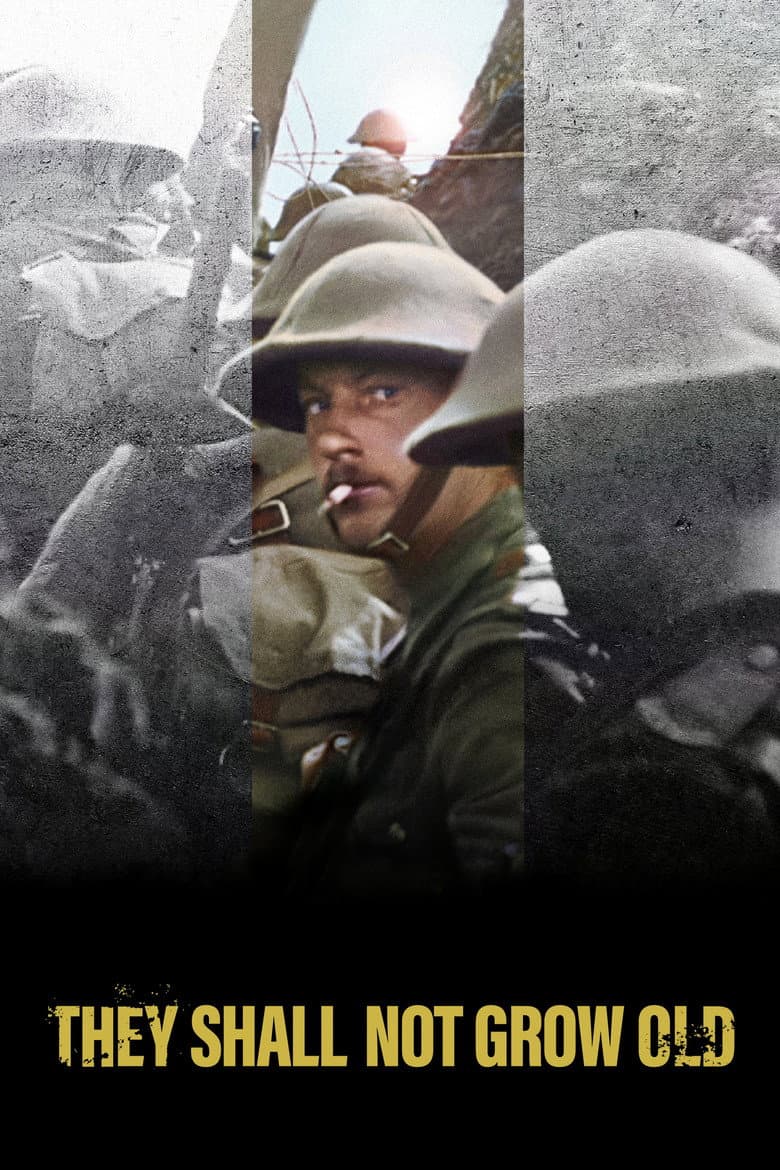
Movie · 2018
A documentary about World War I with never-before-seen footage to commemorate the centennial of Armistice Day, and the end of the war.

Movie · 2022
In candid conversations with actor Jonah Hill, leading psychiatrist Phil Stutz explores his early life experiences and unique, visual model of therapy.

Movie · 2017
An intimate journey through the formative years of David Lynch's life. From his idyllic upbringing in small town America to the dark streets of Philadelphia, we follow Lynch as he…
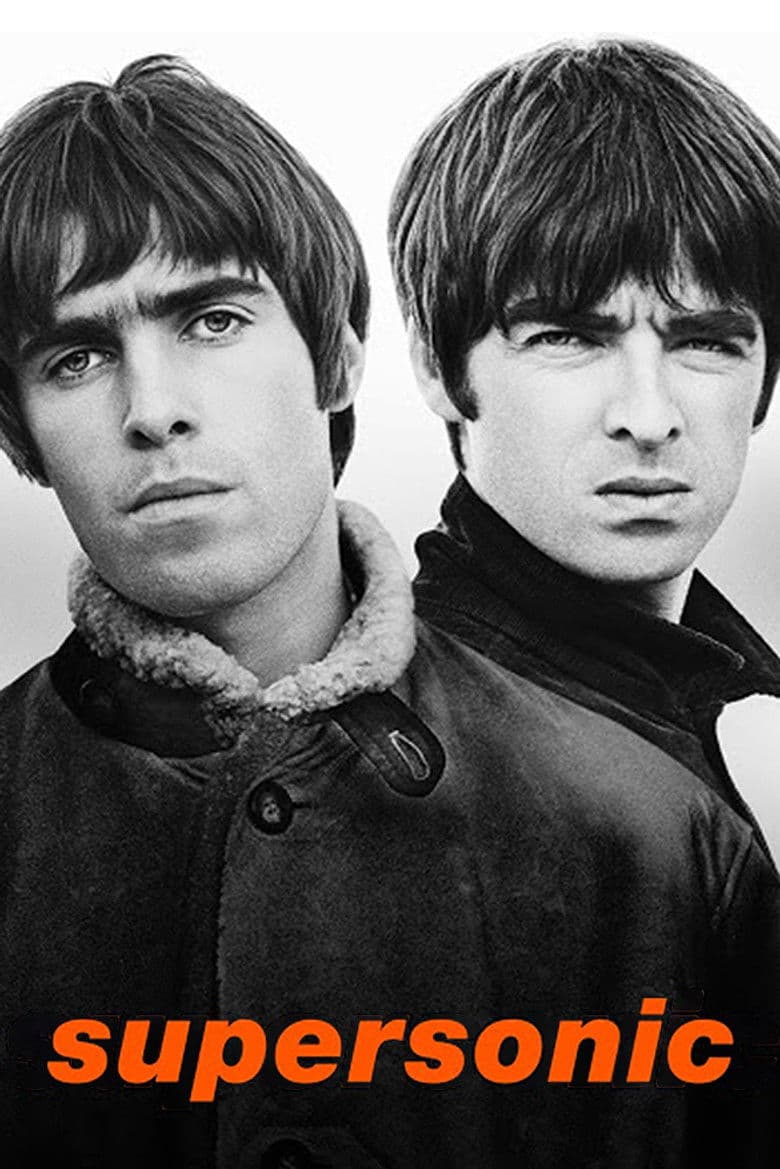
Movie · 2016
Supersonic charts the meteoric rise of Oasis from the council estates of Manchester to some of the biggest concerts of all time in just three short years.
