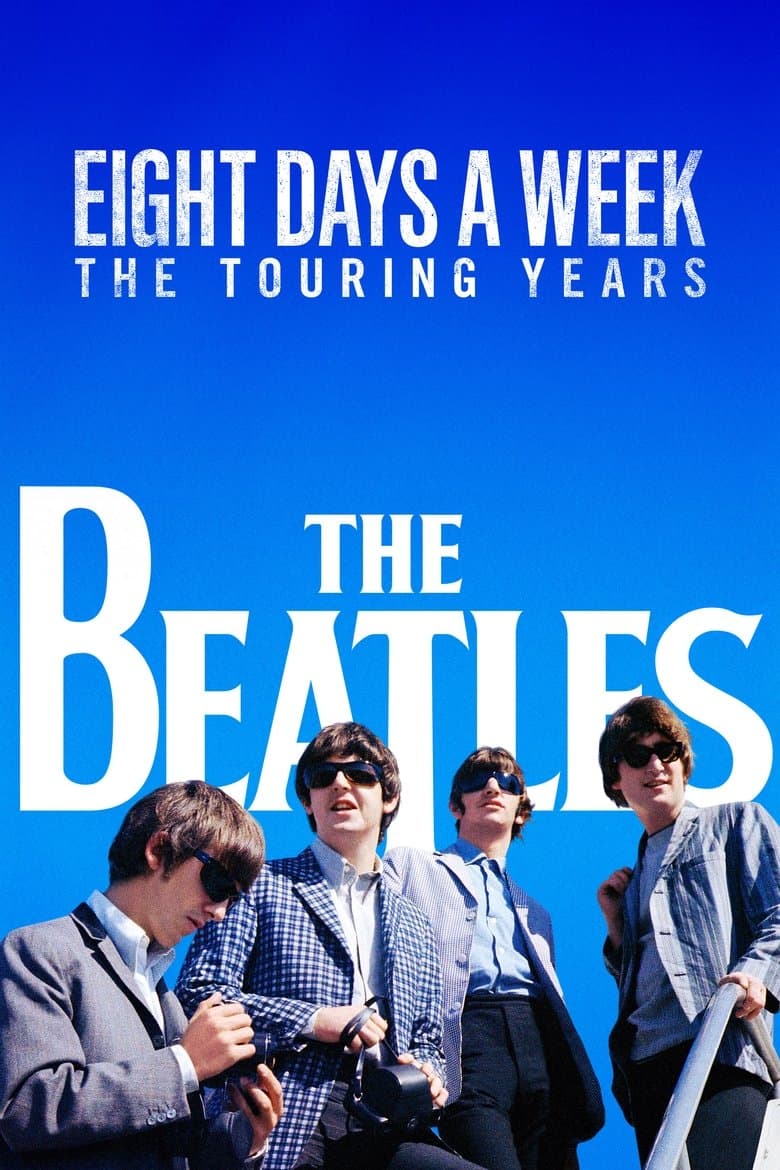
Movie review
September 15, 2016 · 106 min · NR · Documentary
The documentary follows John Lennon, Paul McCartney, George Harrison, and Ringo Starr during the years when The Beatles grew from a Liverpool club band into a worldwide force. Their main problem is the pressure of endless travel, screaming crowds, weak stage sound, hostile reporters, and fame they cannot escape. Concerts in Britain, Europe, America, Japan, Australia, and other places show the band changing while it keeps writing and recording new music. The tone is joyful and funny at first, then tired and sad as the four men decide that live shows have become a circus and stop touring in 1966.
The film also shows the Beatles refusing to play before a segregated crowd in Florida and covers the backlash to John Lennon's comment about the band and Jesus. These moments are part of the tour history, not the main subject. Most of the film stays with the band's friendship, musical teamwork, fast creative growth, and struggle to keep control of its work.
Community feedback
Was our 10% Woke rating accurate?
Breakdown
These are the editorial factors and ratings behind our score for The Beatles: Eight Days a Week - The Touring Years.
Woke representation / casting
Not present. The film uses real recorded images of the four original white British Beatles and real interviews with musicians and fans. It includes Whoopi Goldberg and other well-known fans, but it does not present a diversity-led cast or say that identity representation is a goal.
0%
Woke political dialogue
The film shows that the Beatles refused to play before segregated audiences on their U.S. tours. It also covers the public anger over John Lennon's comment comparing the band's popularity with Jesus. These are brief events from the 1960s, and the film does not add a modern activist speech or political campaign.
12%
Identity-driven story themes
Not present. The film follows the Beatles' friendship, music, fame, and growing need to leave live shows. Its short discussion of segregation and religion sits inside the tour history rather than becoming an identity-driven story theme.
0%
Western institutional / cultural critique
Not present. The film shows pressure from reporters, crowds, older critics, and concert managers, but it does not turn those conflicts into a modern attack on Western institutions or family and social norms. The civil rights and religion episodes are shown as period events.
0%
Woke character or canon changes
Not relevant. The film uses old recordings and interviews about real Beatles members and real events. It does not recast, rewrite, or change their identities or history for an ideological message.
0%
Anti-woke backlash and complaints
The supplied X research found one small account saying the film had already gone woke because Beatles material had been cut while discussing supposedly sanitized footage. The post had about nine likes and 1,300 views. The claim may refer to other Beatles footage, and no large boycott, review-bombing effort, or right-leaning campaign was found. Mainstream coverage treated the film as a music documentary.
8%
Creator track record context
Ron Howard has a cached score of 21 and a mainstream film history with no strong identity-politics pattern. Mark Monroe has a cached score of 10 and a documentary background, with Before the Flood as a mild climate-related signal. P.G. Morgan and the other listed producers and editors have low cached scores and no known activist pattern. This gives the film mild creator track record context, not a strong warning.
10%
Production
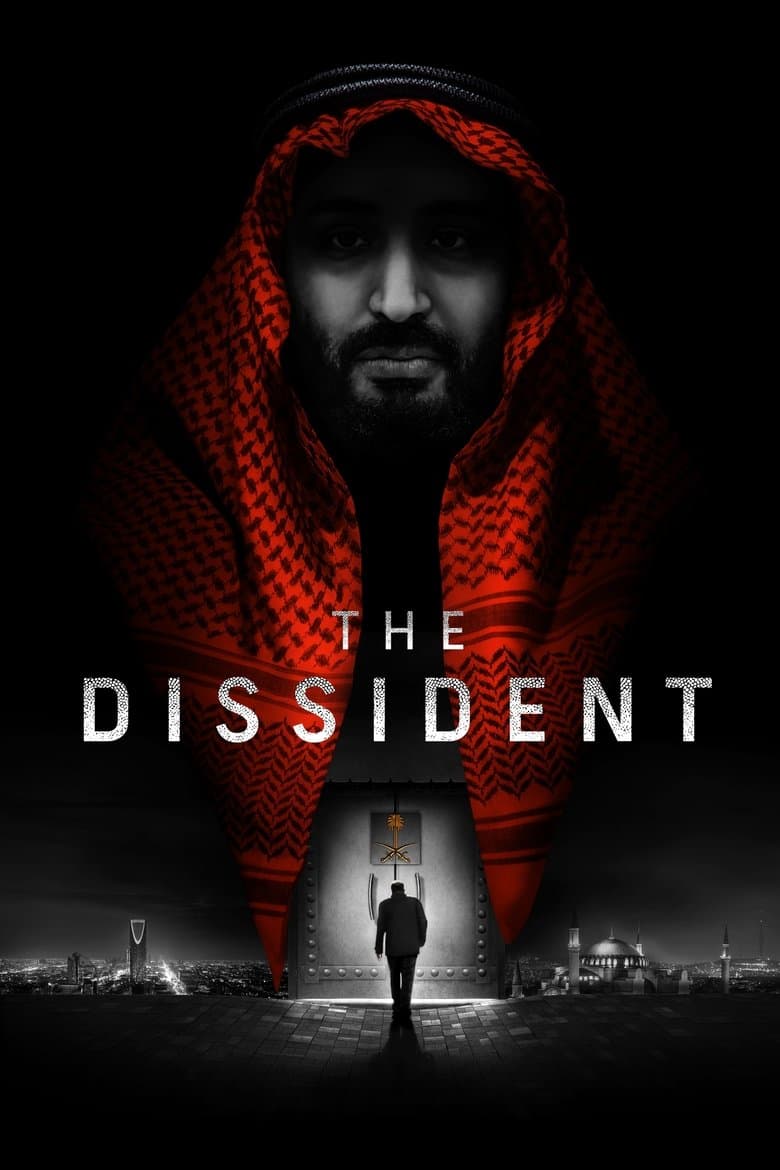
Movie · 2020
When Washington Post journalist Jamal Khashoggi disappears after entering Saudi Arabia’s consulate in Istanbul, his fiancée and dissidents around the world are left to piece…
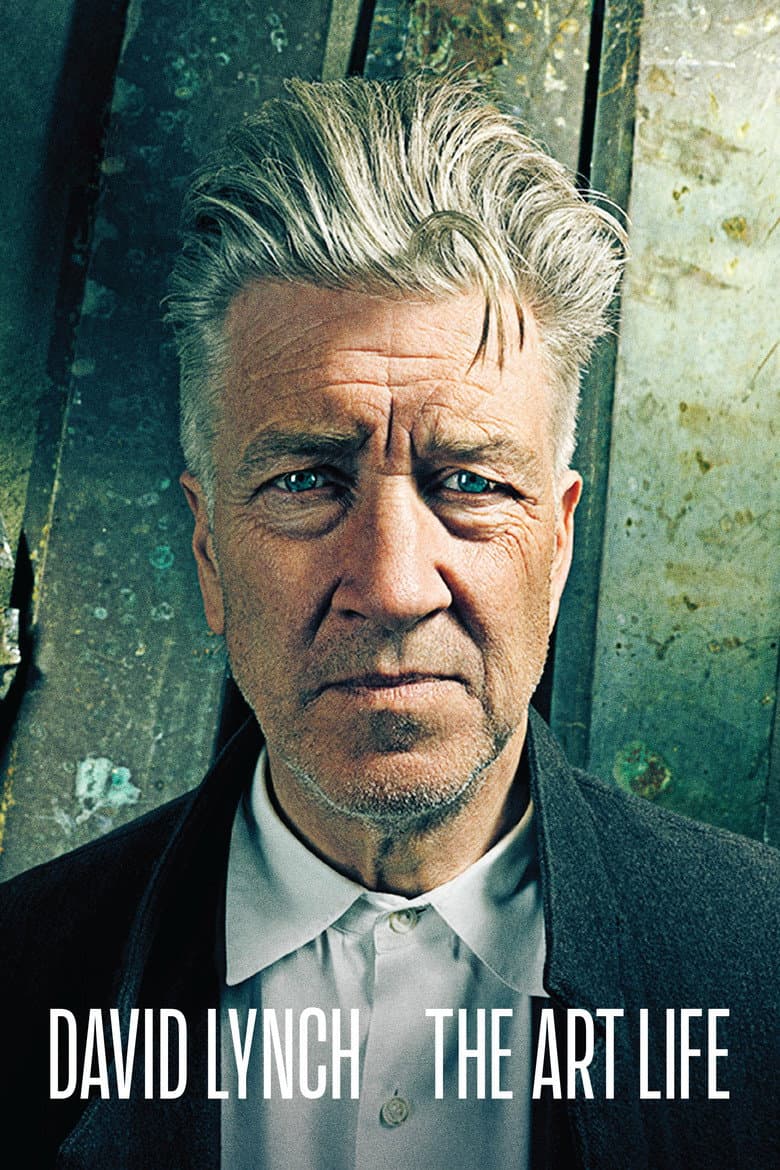
Movie · 2017
An intimate journey through the formative years of David Lynch's life. From his idyllic upbringing in small town America to the dark streets of Philadelphia, we follow Lynch as he…

Movie · 2018
New York, 1980. Three complete strangers accidentally discover that they're identical triplets, separated at birth.
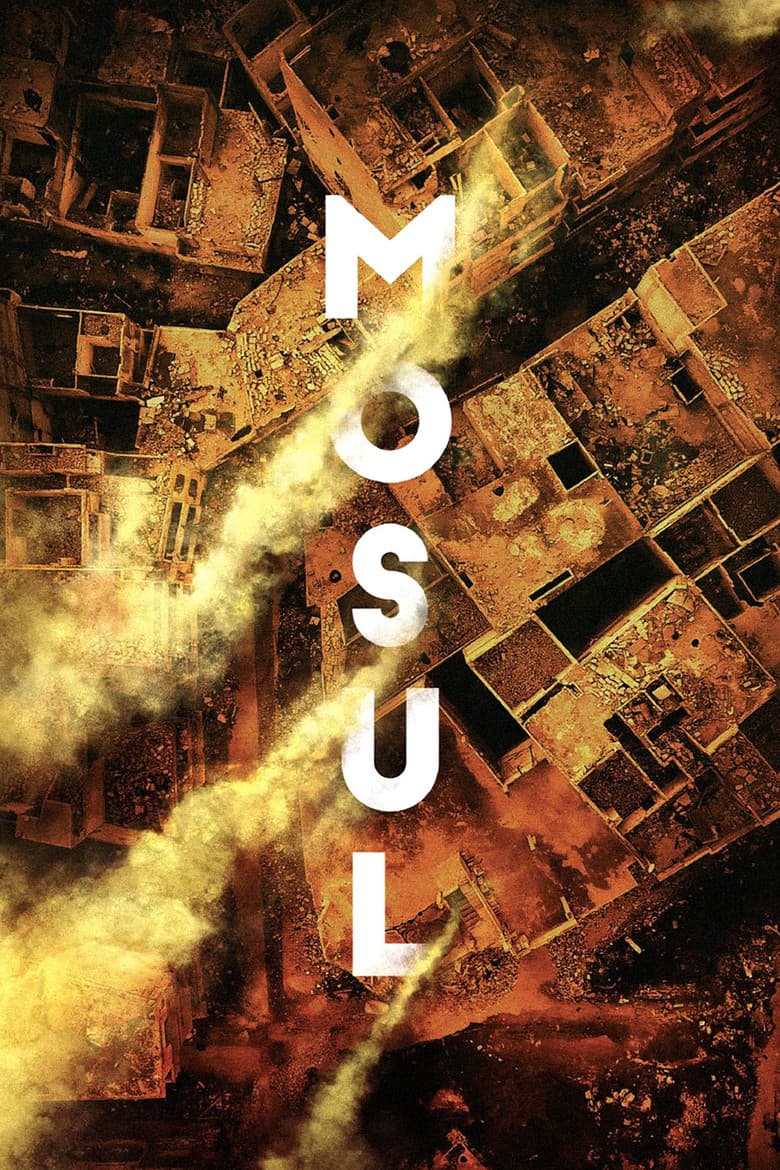
Movie · 2019
An Iraqi journalist joins an army of uneasy allies and unforgettable characters in the epic battle to liberate the city of Mosul from the Islamic State.
Movie · 2022
Matt Walsh's controversial doc challenges radical gender ideology through provocative interviews and humor.
Movie · 2016
After being denied access to the Church of Scientology's headquarters, documentarian Louis Theroux teams up with ex-Scientology official Marty Rathbun to stage re-enactments of…
Movie · 2018
A documentary about World War I with never-before-seen footage to commemorate the centennial of Armistice Day, and the end of the war.
Movie · 2016
Werner Herzog's exploration of the Internet and the connected world.
