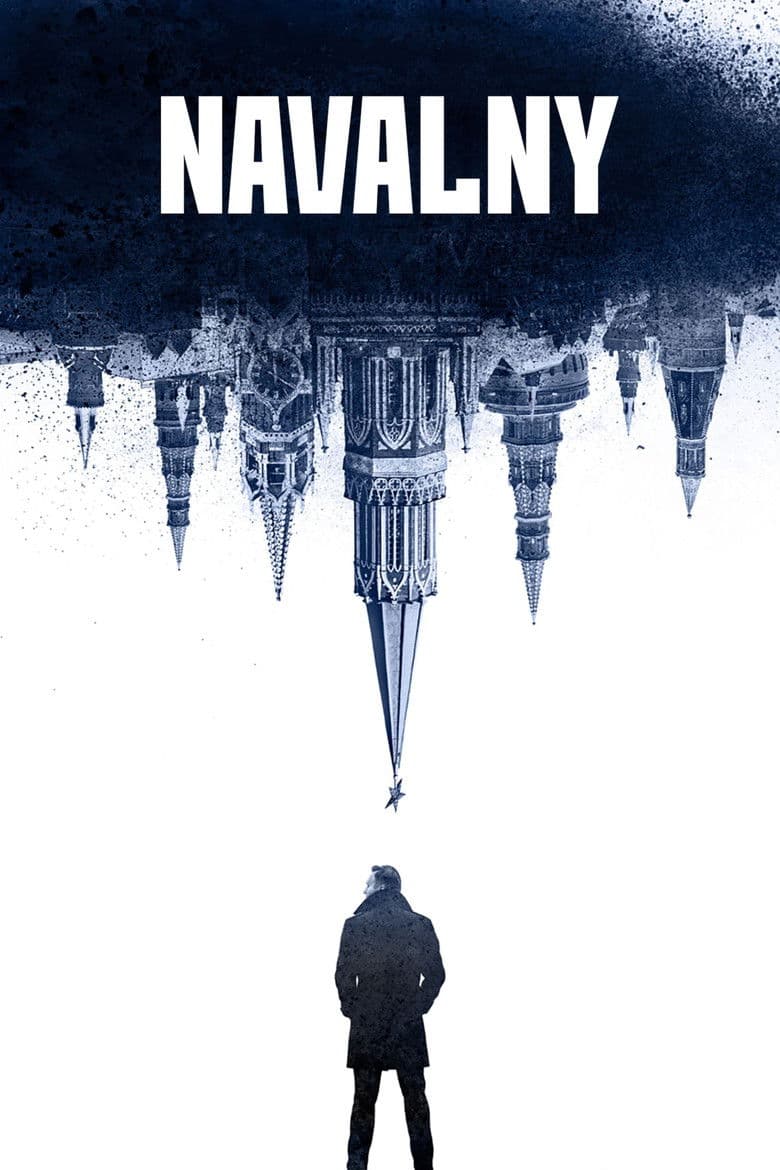
Navalny follows Russian opposition leader Alexei Navalny after he survives a Novichok poisoning in 2020. He recovers in Germany while his team and Bellingcat investigators trace the attack to Russian security officers. Navalny then returns to Russia even though he expects arrest, and the film follows the arrest and the danger around it. The movie uses tense music, jokes, family scenes, and a phone call with one suspected attacker to tell the story like a spy thriller.
The film presents free speech, open elections, and resistance to Vladimir Putin as reasons to keep fighting. Navalny's work against corruption and his choice to return home shape nearly every scene. The documentary also shows his wife Yulia and their children as a close family that supports his risk. It treats the struggle as a fight over truth, courage, and state power in Russia.
Community feedback
Was our 3% Woke rating accurate?
Breakdown
These are the editorial factors and ratings behind our score for Navalny.
Woke representation / casting
Not present. The documentary uses real footage and interviews with people connected to the case. It does not create a cast or frame a prominent role as a diversity statement.
0%
Woke political dialogue
Not present. The political talk concerns Russian corruption, the poisoning, free speech, elections, and Putin's rule. The film does not use identity-politics or DEI dialogue.
0%
Identity-driven story themes
Not present. The story follows an anti-corruption investigation and Navalny's return to Russia. Its main conflict concerns state power, political prison, and personal risk rather than race, gender, or LGBTQ identity.
0%
Western institutional / cultural critique
Not present. The film attacks Russian state power, corruption, and security services. It does not present Western family life, religion, patriarchy, or social norms as the problem.
0%
Woke character or canon changes
Not relevant. The documentary follows a real person and real events. It does not change an established character or historical event to add an identity message.
0%
Anti-woke backlash and complaints
Not present. A few audience comments call the film Western propaganda or say it praises Navalny too much. Those complaints target political balance and his past nationalism, not woke, DEI, or identity-politics content. The separate X check found no anti-woke reaction.
0%
Creator track record context
The director has spoken about pluralism, diversity, and freedom of thought as democratic values. Several producers have made issue documentaries about climate, civil rights, and reproductive choice. Those credits give the project a mild progressive media context. The film itself stays focused on Russian corruption, political prison, and resistance to Putin.
14%
Production

Movie · 2019
An Iraqi journalist joins an army of uneasy allies and unforgettable characters in the epic battle to liberate the city of Mosul from the Islamic State.
Movie · 2022
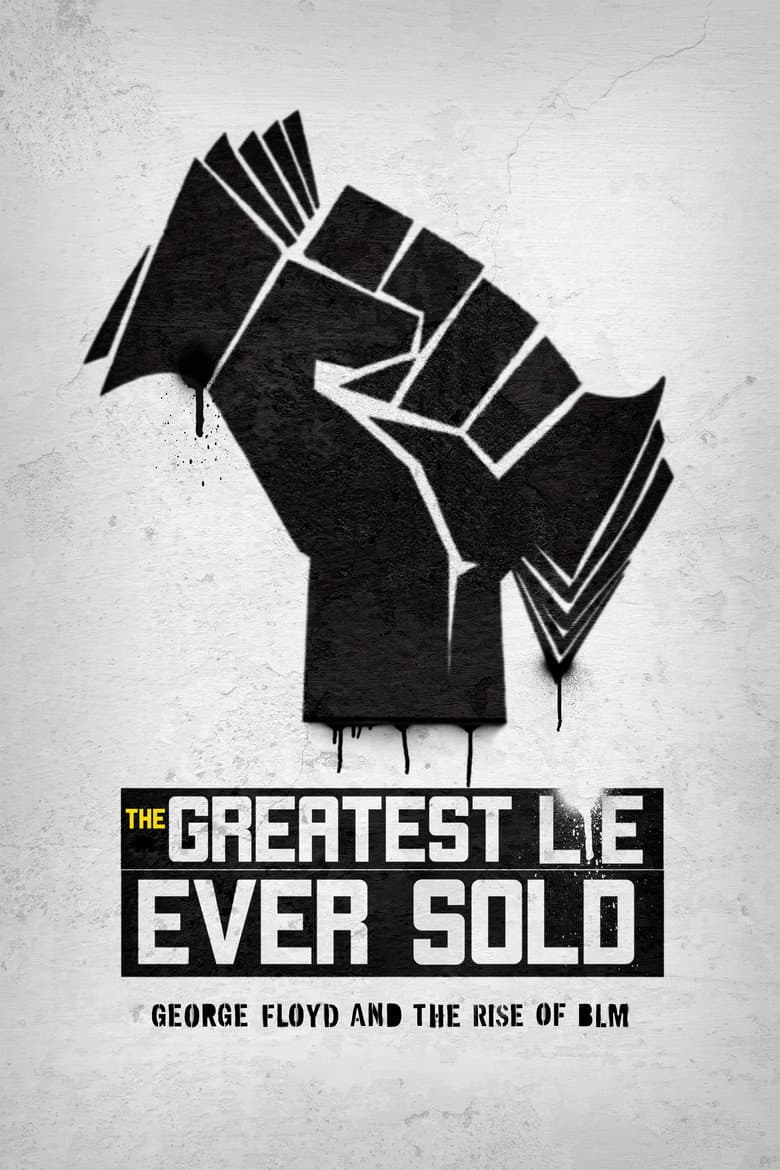
In the aftermath of George Floyd’s death, the media concocted a narrative that justified a summer of worldwide riots and helped contribute to the rise of Black Lives Matter who…
Movie · 2025
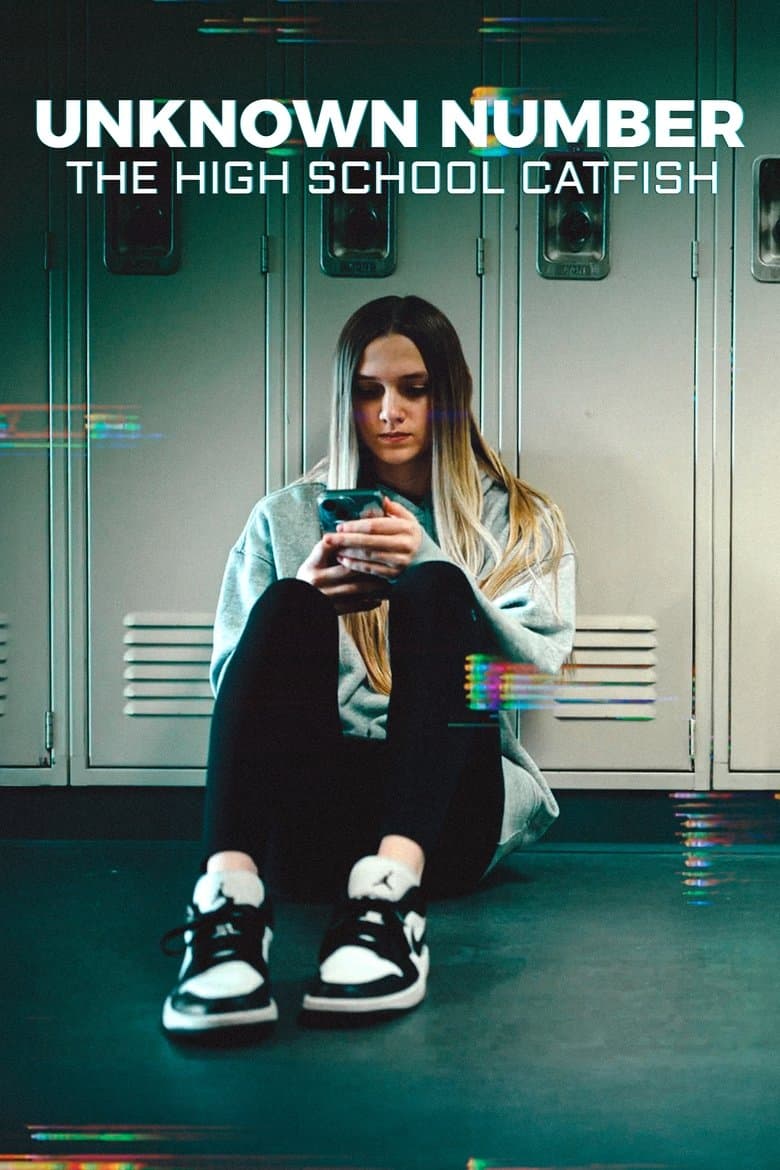
Vulgar, taunting texts blow up the phones of a teen and her boyfriend. Who's sending them — and why? This twisty documentary reveals the shocking answer.
Movie · 2022
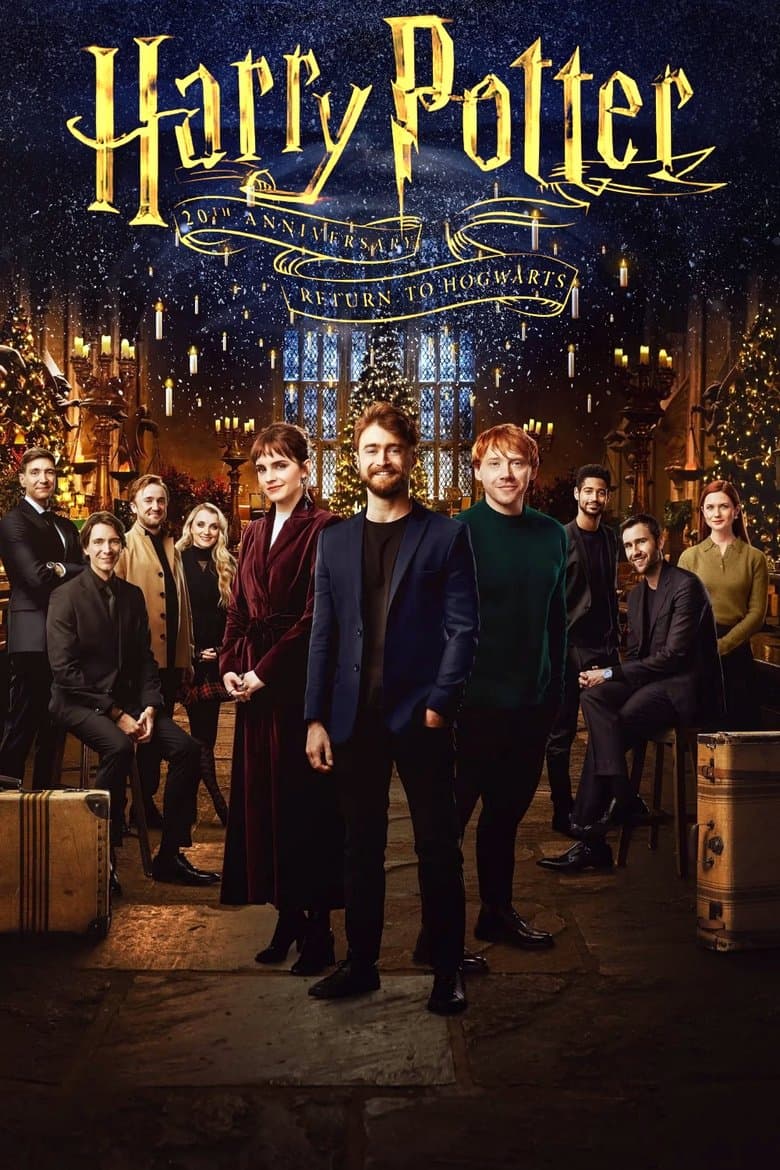
An enchanting making-of story told through all-new in-depth interviews and cast conversations, inviting fans on a magical first-person journey through one of the most beloved film…
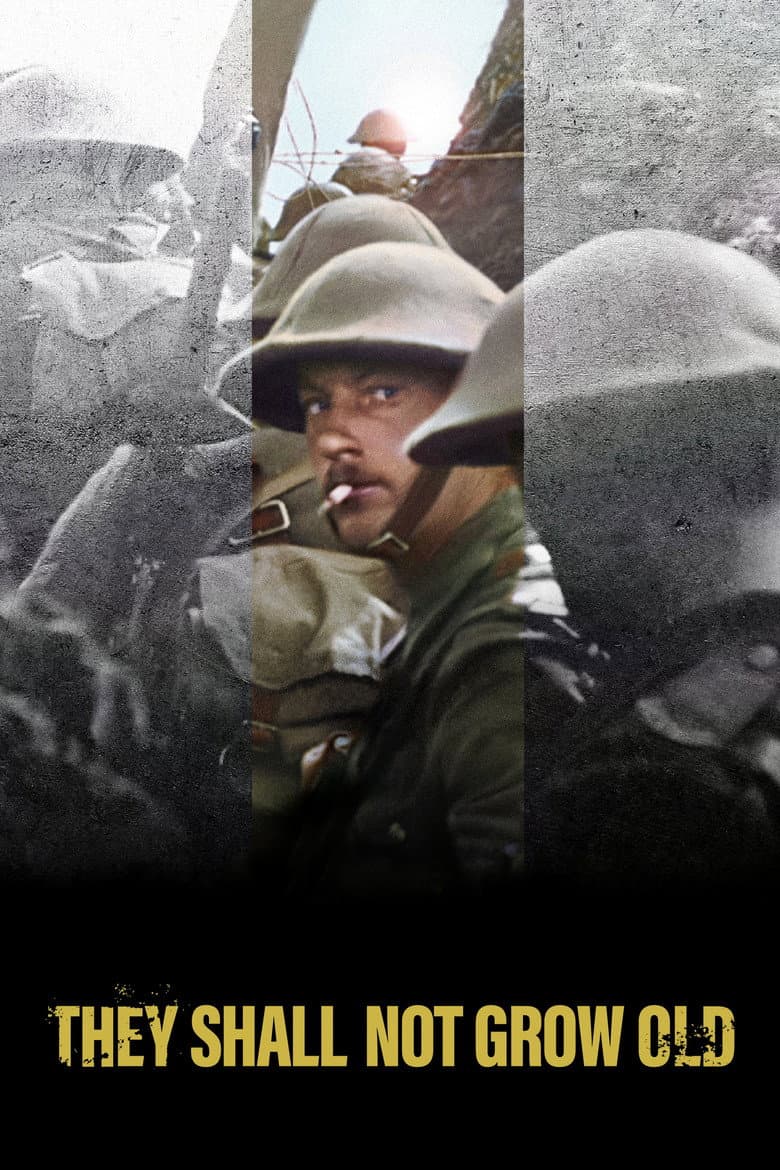
Movie · 2018
A documentary about World War I with never-before-seen footage to commemorate the centennial of Armistice Day, and the end of the war.
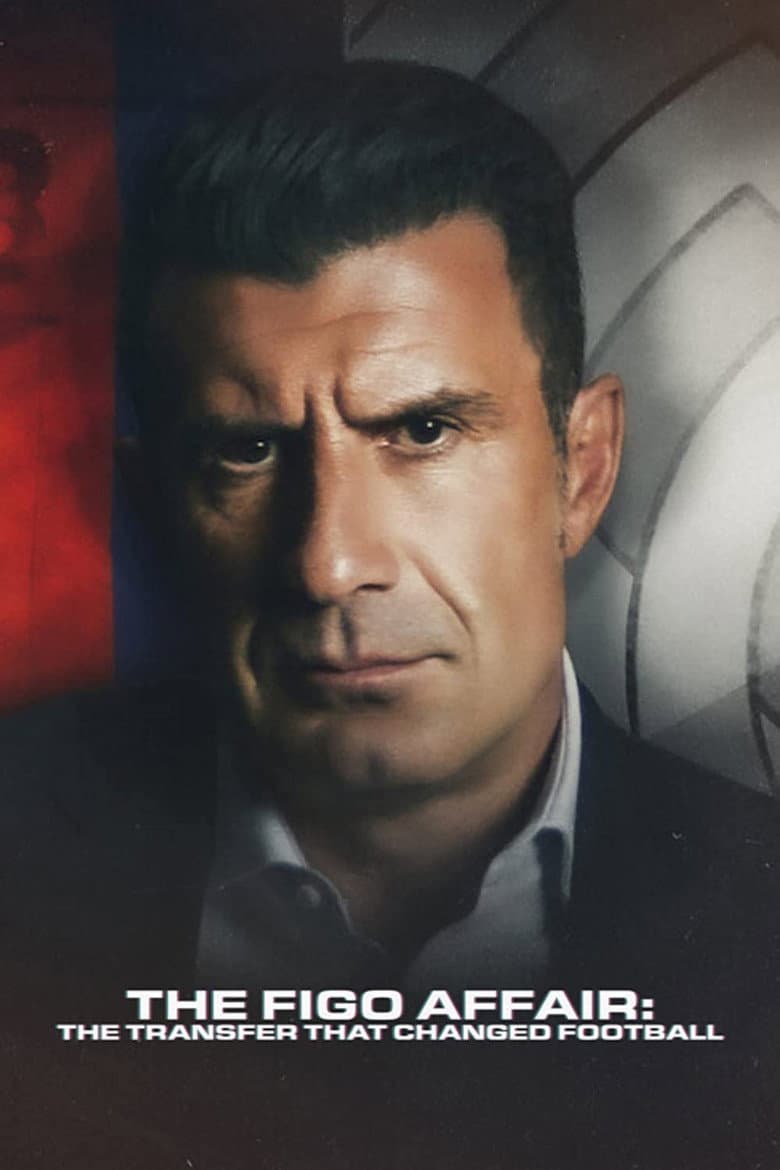
Movie · 2022
This documentary spotlights one of the most contentious deals in football history and the extraordinary player at the center of the storm: Luís Figo.

Movie · 2022
After years in the limelight, Selena Gomez achieves unimaginable stardom. But just as she reaches a new peak, an unexpected turn pulls her into darkness.
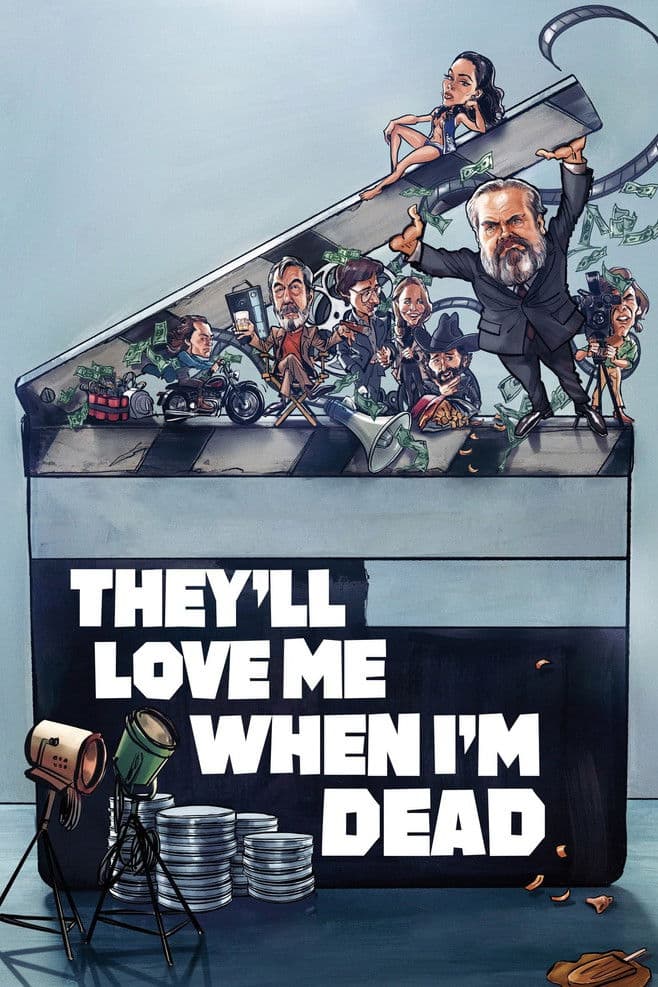
Movie · 2018
As his life comes to its end, famous Hollywood director Orson Welles puts it all on the line at the chance for renewed success with the film The Other Side of the Wind.
