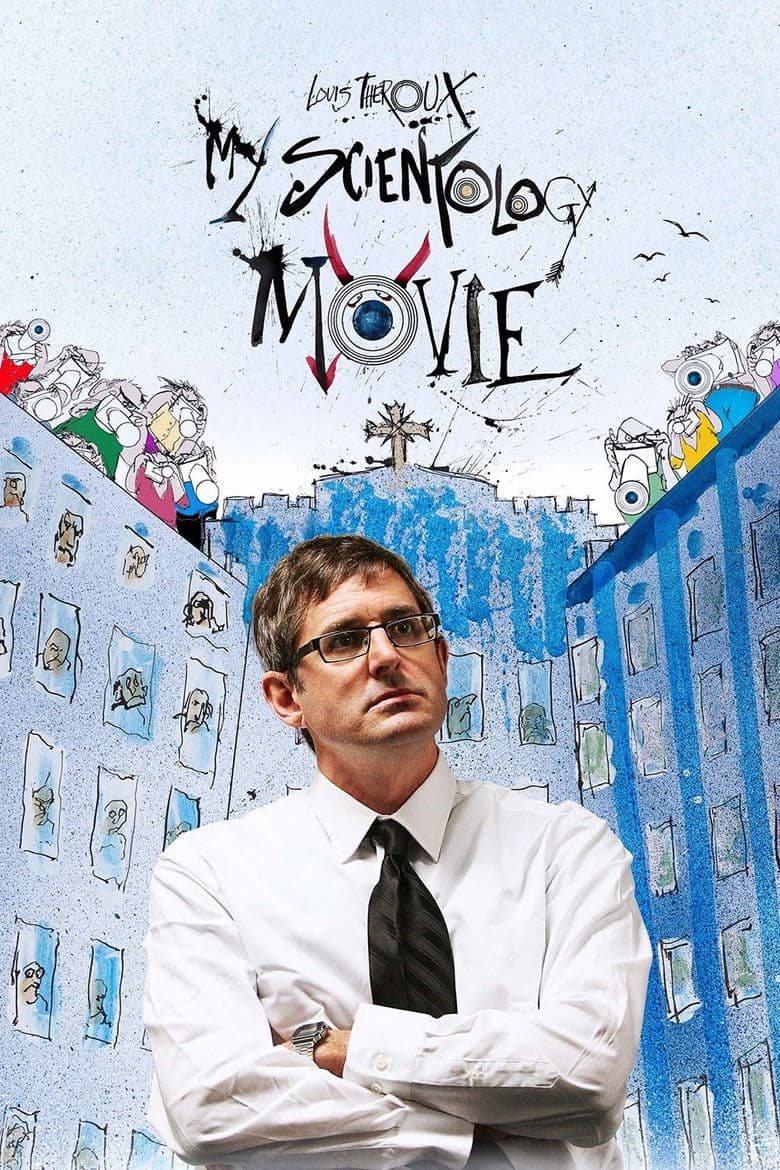
Louis Theroux leads this documentary as he tries to understand the Church of Scientology from outside its guarded bases. When the church refuses to let him in, he works with former senior official Marty Rathbun and other ex-members. They interview former members and stage scenes about alleged beatings, punishments, training, and life inside a secretive group. The church answers by filming the crew, sending people to confront them, and using legal threats, which gives the film a tense but often funny tone.
The film stays with one named religious group and its leaders. The actors play real people such as David Miscavige and Tom Cruise, so the casting follows the people being shown. The story uses Rathbun’s memories to examine control, fear, loyalty, and the public image of the church. Theroux also questions his own methods and Rathbun’s past role, so the film is about the making of the investigation as much as the claims being investigated.
Community feedback
Was our 3% Woke rating accurate?
Breakdown
These are the editorial factors and ratings behind our score for My Scientology Movie.
Woke representation / casting
Not present. The film casts actors to resemble real people such as David Miscavige and Tom Cruise in re-enactments. The choices serve likeness and reported events, not identity signaling.
0%
Woke political dialogue
Not present. The dialogue covers Scientology beliefs, training, alleged abuse, surveillance, and the filming process. It does not promote identity politics or a modern left-wing cause.
0%
Identity-driven story themes
Not present. The story examines control, fear, loyalty, and alleged abuse inside Scientology. It does not build its main story around race, gender, sexuality, or another identity group.
0%
Western institutional / cultural critique
Not present. The film criticizes the Church of Scientology and its leaders as a specific organization. It does not turn that criticism into a broad attack on Western culture, Christianity, family life, or capitalism.
0%
Woke character or canon changes
Not relevant. The documentary uses real interviews and re-enactments of reported events. It does not change established fictional characters or real history for identity or political reasons.
0%
Anti-woke backlash and complaints
Not present. Public disputes focus on Scientology’s response and the filmmakers’ methods. No credible anti-woke complaint about DEI, identity politics, or woke messaging was found.
0%
Creator track record context
Louis Theroux’s wider work includes documentaries about toxic online communities and other fringe groups, which gives a mild social-issue signal. His style is usually curious and observational rather than activist or identity-driven. John Dower and Simon Chinn are known for documentary work without a noted political or identity-activist history. This context is a small background signal and does not drive the film.
15%
Production
Movie · 2019
An Iraqi journalist joins an army of uneasy allies and unforgettable characters in the epic battle to liberate the city of Mosul from the Islamic State.
Movie · 2022
In candid conversations with actor Jonah Hill, leading psychiatrist Phil Stutz explores his early life experiences and unique, visual model of therapy.

Movie · 2025
Those who knew iconic funnyman John Candy best share his story, in their own words, through never-before-seen archival footage, imagery, and interviews.

Movie · 2023
A short kid from a Canadian army base becomes the international pop culture darling of the 1980s—only to find the course of his life altered by a stunning diagnosis.
Movie · 2022
Follows the man who survived an assassination attempt by poisoning with a lethal nerve agent in August 2020. During his months-long recovery, he makes shocking discoveries about…
Movie · 2023
As the Russian invasion begins, a team of Ukrainian journalists trapped in the besieged city of Mariupol struggle to continue their work documenting the war's atrocities.
Movie · 2018
A documentary about World War I with never-before-seen footage to commemorate the centennial of Armistice Day, and the end of the war.
Movie · 2023
A courageous pastor uses his underground network to rescue and aid North Korean families as they risk their lives to embrace freedom.
