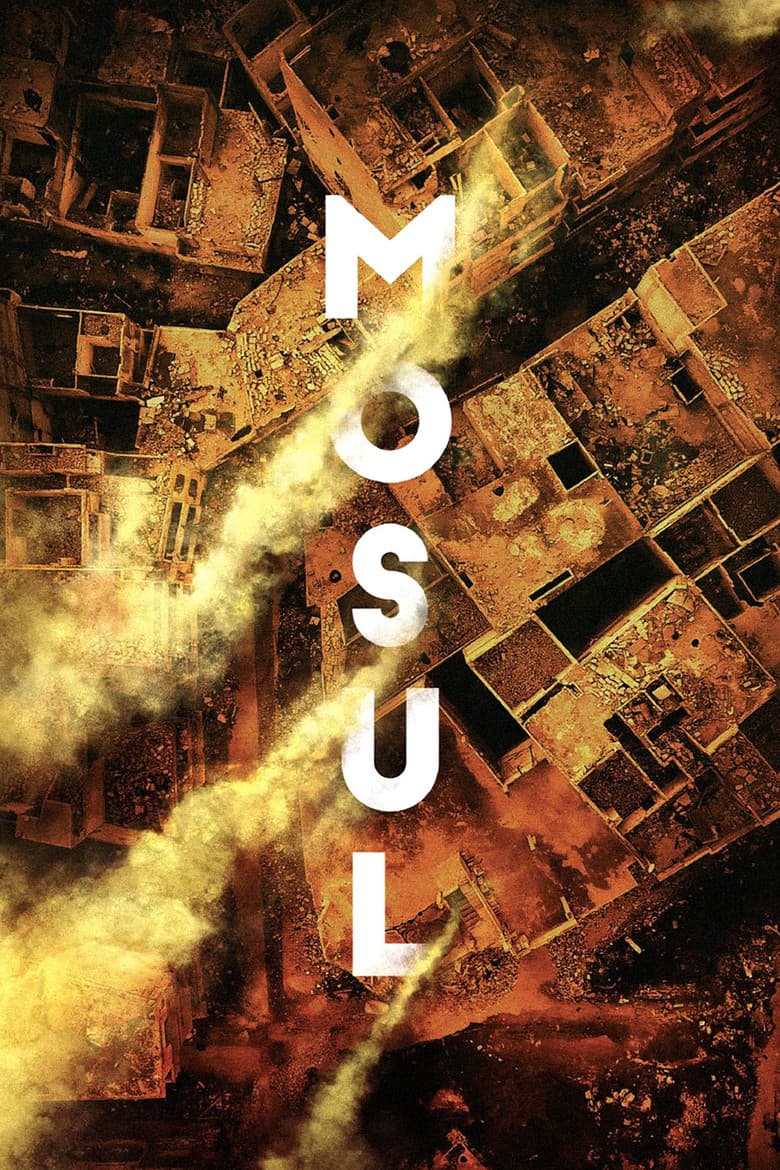
Mosul follows Ali Maula, an Iraqi journalist who travels with fighters during the battle from 2016 to 2017 to take Mosul back from ISIS. He moves among Sunni and Shiite militias, Kurdish and Christian fighters, civilians, refugees, and captured ISIS members. The camera stays close to gunfire, ruined streets, smoke, wounded people, and hard interviews. Maula wants to understand how ISIS gained power, but each answer leads to more doubt about revenge, conflict between religious groups, and what peace might look like.
The film gives clear attention to religion, ethnic groups, and the one female commander, Um Hanadi, because those identities shape the war and the uneasy alliance. It shows the groups working together for a short time while also showing fear between Sunnis, Shiites, Kurds, Christians, and Yazidis. The film briefly mentions ISIS killing homosexuals, but it does not follow an LGBTQ story or make modern identity politics its main subject. Its main message is about ISIS, local power struggles, civilian suffering, and the danger of revenge, so the woke elements are limited and tied to the real conflict.
Community feedback
Was our 0% Woke rating accurate?
Breakdown
These are the editorial factors and ratings behind our score for Mosul.
Woke representation / casting
Not present. The film uses real Iraqi journalists, fighters, civilians, and prisoners rather than invented cast choices. Their Sunni, Shiite, Kurdish, Christian, and other identities fit the war and the place, so the film does not present them as a diversity display.
0%
Woke political dialogue
Not present. The dialogue covers ISIS rule, sectarian conflict, revenge, religion, and outside powers. It does not use modern activist, DEI, or gender-role messaging.
0%
Identity-driven story themes
Not present. The film repeatedly names religious and ethnic groups because they are the real factions in the battle. Its call for local groups to resist ISIS and limit revenge is a war and national-unity theme, not a modern identity campaign.
0%
Western institutional / cultural critique
Not present. The film mentions the 2003 American invasion, Iraqi political failure, Iranian influence, and outside powers. Those points describe the war’s history and power struggles, but the film does not build a modern activist attack on Western culture, capitalism, family, Christianity, or gender roles.
0%
Woke character or canon changes
Not relevant. This is a documentary about real people and real events, not an adaptation that changes an established character, canon, or historical identity.
0%
Anti-woke backlash and complaints
Not present. The X research pass found no anti-woke reaction. Web and Reddit discussion focused on war accuracy, propaganda, local politics, and film quality, not claims that the documentary pushes DEI or identity politics.
0%
Creator track record context
Existing creator records give Dan Gabriel and Mike Tucker scores of 0/100 and Matt Schrader a score of 6/100. Their public work centers on counterterrorism, war reporting, journalism, and film history. This record gives the title only a very weak woke-context signal.
2%
Production
Movie · 2021
For over 40 years Val Kilmer, one of Hollywood’s most mercurial and/or misunderstood actors has been documenting his own life and craft through film and video.
Movie · 2018
A documentary about World War I with never-before-seen footage to commemorate the centennial of Armistice Day, and the end of the war.
Movie · 2016
After being denied access to the Church of Scientology's headquarters, documentarian Louis Theroux teams up with ex-Scientology official Marty Rathbun to stage re-enactments of…
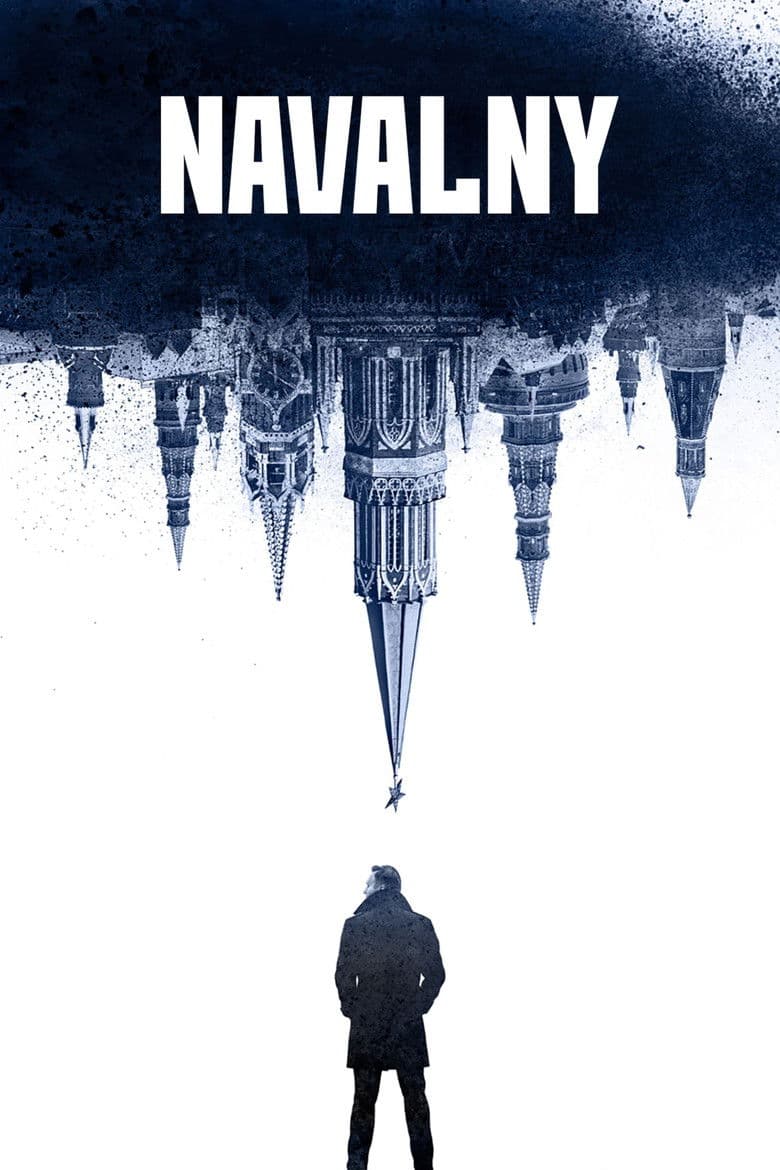
Movie · 2022
Follows the man who survived an assassination attempt by poisoning with a lethal nerve agent in August 2020. During his months-long recovery, he makes shocking discoveries about…

Movie · 2018
New York, 1980. Three complete strangers accidentally discover that they're identical triplets, separated at birth.
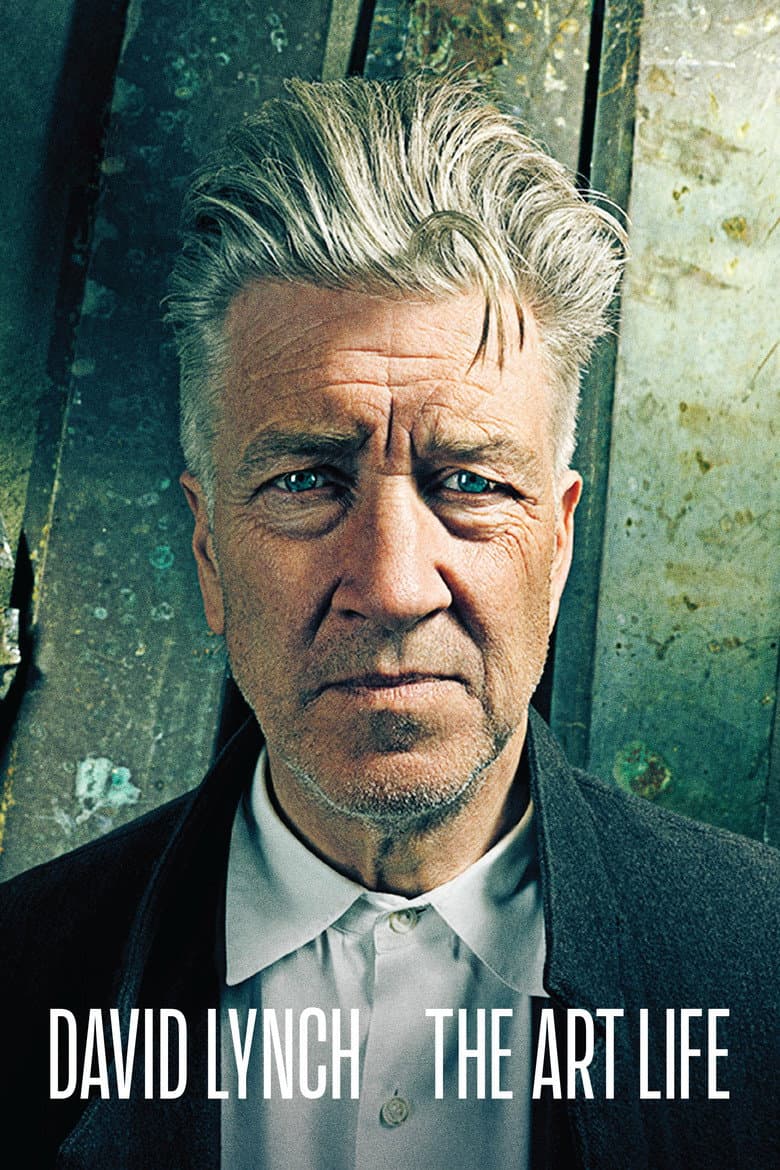
Movie · 2017
An intimate journey through the formative years of David Lynch's life. From his idyllic upbringing in small town America to the dark streets of Philadelphia, we follow Lynch as he…
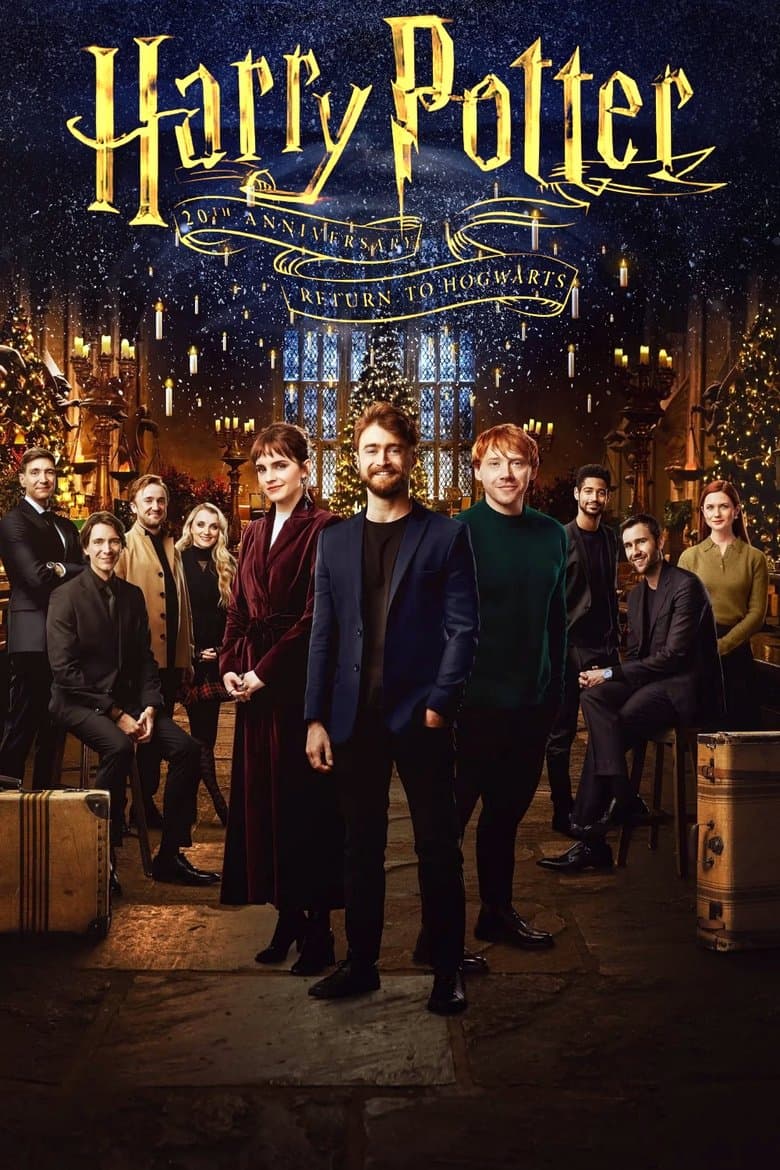
Movie · 2022
An enchanting making-of story told through all-new in-depth interviews and cast conversations, inviting fans on a magical first-person journey through one of the most beloved film…
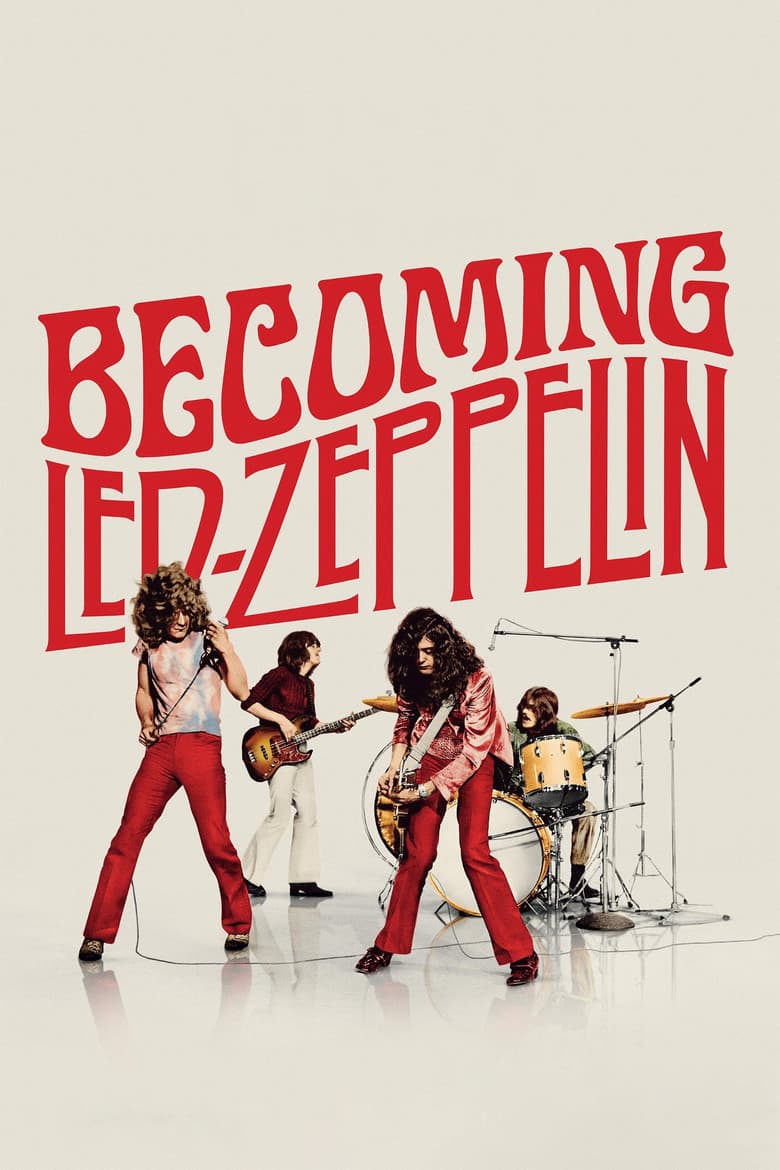
Movie · 2025
The individual journeys of the four members of the band, as they move through the music scene of the 1960s, playing small clubs throughout Britain and performing some of the…
