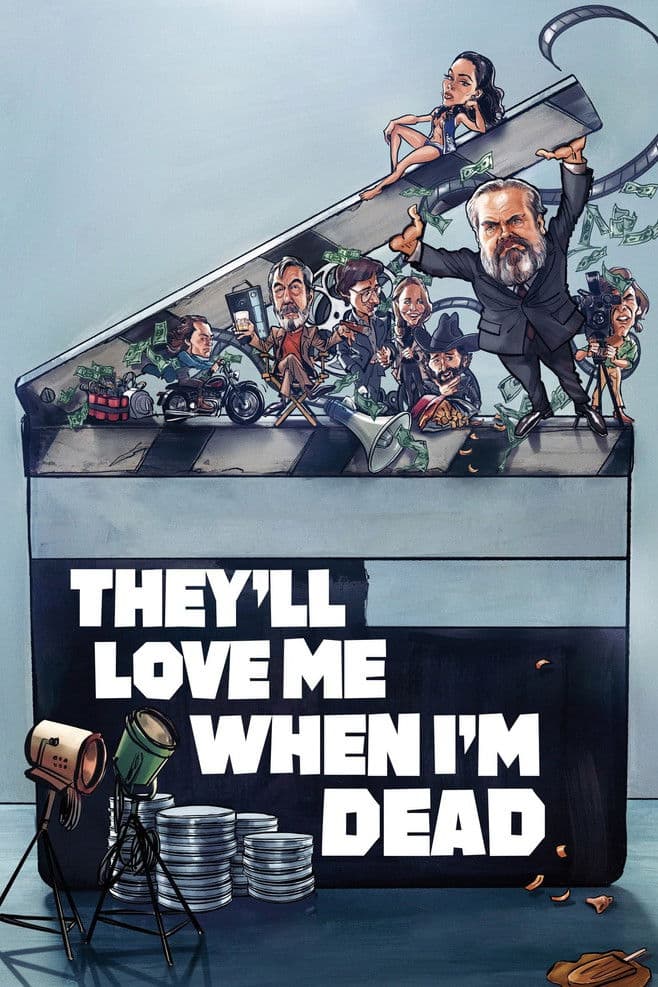
They'll Love Me When I'm Dead follows Orson Welles during the last fifteen years of his life. He tries to finish The Other Side of the Wind, a personal film meant to bring him back to Hollywood. Money problems, missing footage, changing plans, and Welles's forceful style keep blocking the project. The story moves between 1970s Hollywood, old film sets, and the places where Welles worked in Europe. The tone is playful and funny at first, but it becomes sad as Welles grows older and the film remains unfinished during his life.
The documentary gives one clear section to sex, desire, and the idea that Welles's film is aimed against macho men. It discusses Oja Kodar as Welles's lover and creative partner, and it includes talk about hidden attraction between male characters in the film within the film. These points give the movie some LGBTQ and gender-related content, but they are part of an art discussion rather than a modern activist message. Most of the story stays focused on artistic ambition, friendship, betrayal, money, and the struggle to control a film.
Community feedback
Was our 16% Woke rating accurate?
Breakdown
These are the editorial factors and ratings behind our score for They'll Love Me When I'm Dead.
Woke representation / casting
Not present. The documentary uses real people involved with Welles and his film, along with archive footage. It does not build a fictional cast around identity representation.
0%
Woke political dialogue
Not present. The film contains talk about sex and masculinity, but it does not present modern identity politics, DEI demands, or activist slogans as its message.
0%
Identity-driven story themes
The documentary gives a noticeable section to sexual desire, the “macho” ideal, and the idea that the fictional director wants his male lead. It also describes Oja Kodar's erotic role and her place as Welles's lover and co-writer. The film treats these subjects as part of Welles's art and private life. It does not turn them into a broad present-day identity campaign.
24%
Western institutional / cultural critique
Not present. The documentary shows Hollywood rejecting Welles and investors blocking his work. It treats these as career and money problems, not as a modern activist attack on capitalism, patriarchy, or Western institutions.
0%
Woke character or canon changes
Not relevant. The film documents a real production and uses historical footage. It does not change anyone's race, sex, or identity.
0%
Anti-woke backlash and complaints
Not present. The supplied X research found no anti-woke reaction. Reviewed news, Reddit, and audience material focuses on Welles, the unfinished film, and its craft rather than woke or DEI claims.
0%
Creator track record context
The provided creator context gives Morgan Neville a score of 31/100, while most other listed creators have low scores. Caryn Capotosto has a score of 65/100 because her work often centers on black and queer identity. This gives the team some identity-focused background, but the current documentary does not use that pattern in its main story.
22%
Production

Movie · 2022
The inspirational rise of SpaceX as well as Elon Musk's two-decade effort to resurrect America’s space travel ambitions.
Movie · 2022
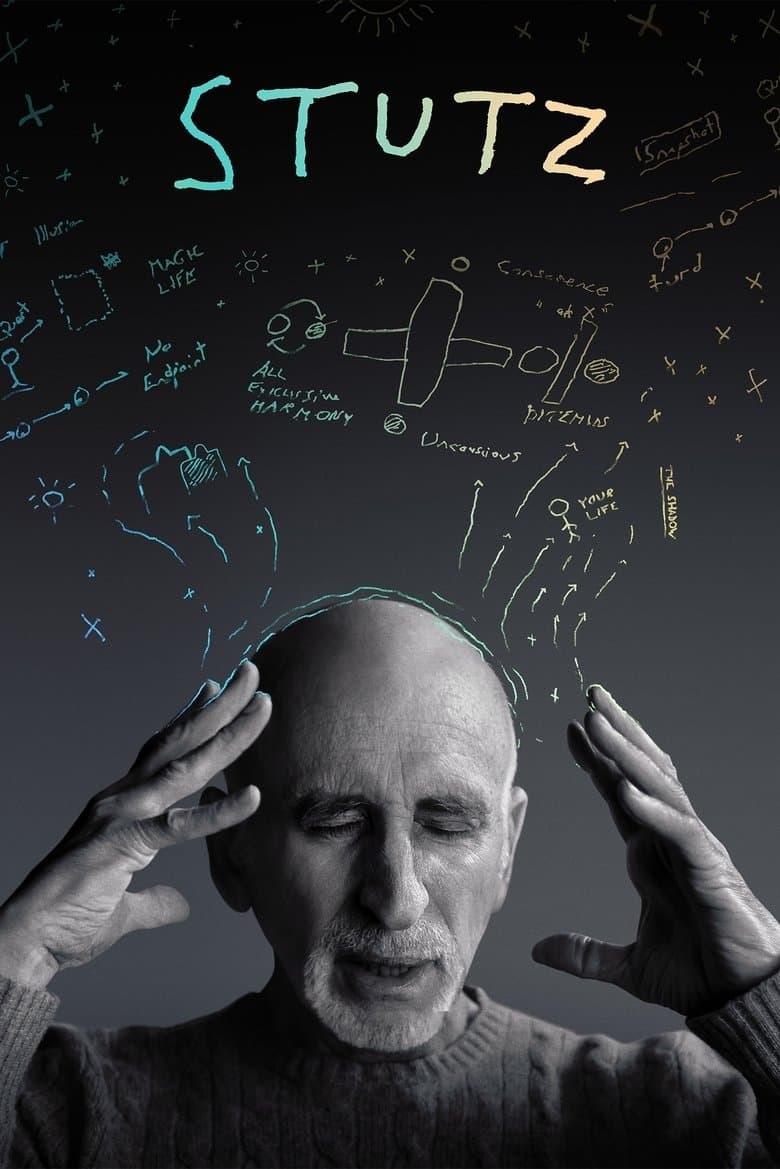
In candid conversations with actor Jonah Hill, leading psychiatrist Phil Stutz explores his early life experiences and unique, visual model of therapy.

Movie · 2025
Vulgar, taunting texts blow up the phones of a teen and her boyfriend. Who's sending them — and why? This twisty documentary reveals the shocking answer.

Movie · 2023
A short kid from a Canadian army base becomes the international pop culture darling of the 1980s—only to find the course of his life altered by a stunning diagnosis.

Movie · 2017
While investigating the furtive world of illegal doping in sports, director Bryan Fogel connects with renegade Russian scientist Dr.
Movie · 2022
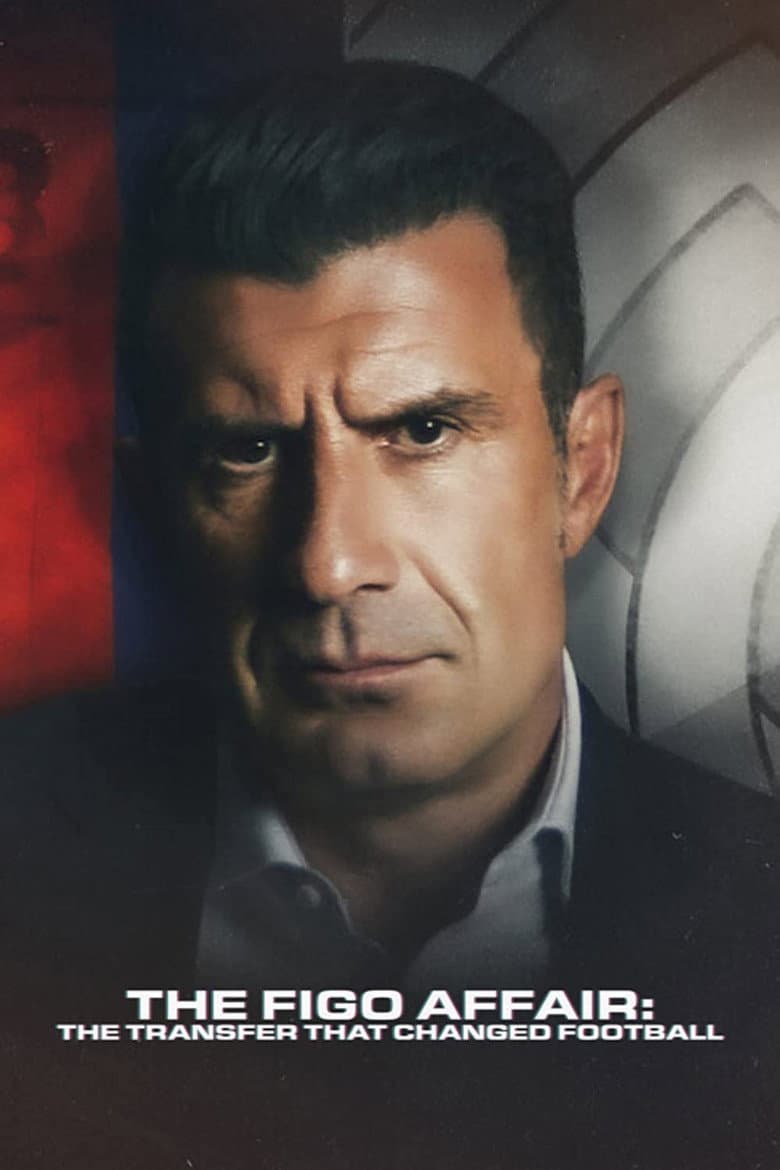
This documentary spotlights one of the most contentious deals in football history and the extraordinary player at the center of the storm: Luís Figo.

Movie · 2022
After years in the limelight, Selena Gomez achieves unimaginable stardom. But just as she reaches a new peak, an unexpected turn pulls her into darkness.
Movie · 2023
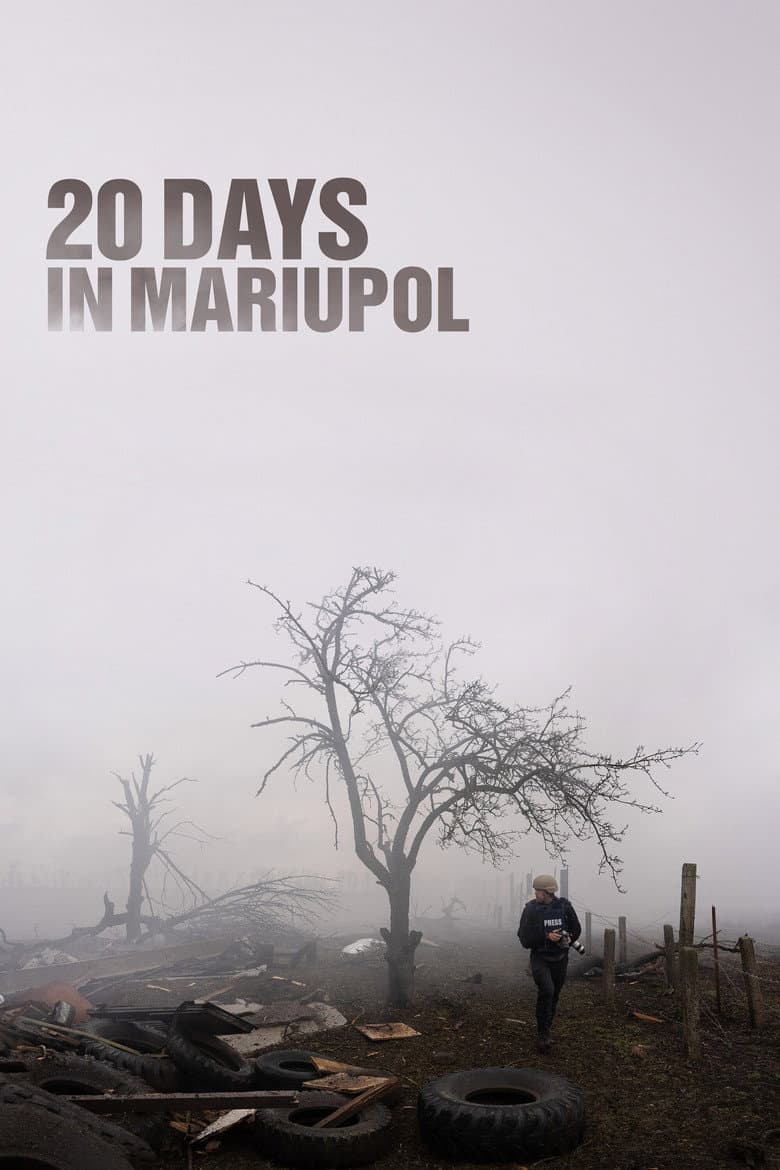
As the Russian invasion begins, a team of Ukrainian journalists trapped in the besieged city of Mariupol struggle to continue their work documenting the war's atrocities.
