
Avicii: True Stories follows Swedish DJ and producer Tim Bergling as he moves from a small bedroom studio in Stockholm to huge stages around the world. Director Levan Tsikurishvili films Bergling over several years with private videos, tour footage, studio work, and interviews. Bergling loves making music but struggles with the crowds, travel, pressure, and public life that come with the name Avicii. The tone changes from excited and bright to tense, sad, and deeply troubling as his health breaks down.
The film shows Bergling dealing with anxiety, alcohol use, a painful illness called pancreatitis, and the demands of a very heavy tour schedule. His manager and team keep planning shows while Bergling says that he is exhausted and wants to stop, which creates the main conflict. Bergling finally leaves live touring in 2016 and hopes to build a calmer life around making music in the studio. The ending feels hopeful on screen, but Bergling’s death later gives those final scenes a painful and tragic meaning.
Community feedback
Was our 0% Woke rating accurate?
Breakdown
These are the editorial factors and ratings behind our score for Avicii: True Stories.
Woke representation / casting
Not present. The film uses Bergling, his friends, managers, doctors, and real music partners as themselves. The mix reflects his music career rather than a diversity campaign.
0%
Woke political dialogue
Not present. Bergling talks about music, touring, anxiety, illness, and fame. The dialogue does not push modern identity, gender-role, DEI, or activist ideas.
0%
Identity-driven story themes
Not present. The story centers on a young musician’s health, work, and choice to leave touring. It does not build its message around race, sex, sexuality, or identity politics.
0%
Western institutional / cultural critique
Not present. The film shows pressure from management, promoters, and the music business. It treats this as a personal work and health crisis, not as a modern attack on Western culture, family, religion, or capitalism.
0%
Woke character or canon changes
Not relevant. The documentary uses real footage and interviews with Tim Bergling and people from his career. It does not rewrite a known character or historical event.
0%
Anti-woke backlash and complaints
Not present. No anti-woke complaints were found in the supplied X pass or in reported public reaction. Public criticism centered on the manager, editing, filming ethics, and Bergling’s health.
0%
Creator track record context
Not present. The supplied creator record describes Levan Tsikurishvili as a filmmaker focused on artists, mental health, and the music business. It shows no known DEI activism or identity-focused public work tied to this title.
0%
Production

Movie · 2018
A documentary about World War I with never-before-seen footage to commemorate the centennial of Armistice Day, and the end of the war.

Movie · 2020
With this inventive portrait, director Kirsten Johnson seeks a way to keep her 86-year-old father alive forever.
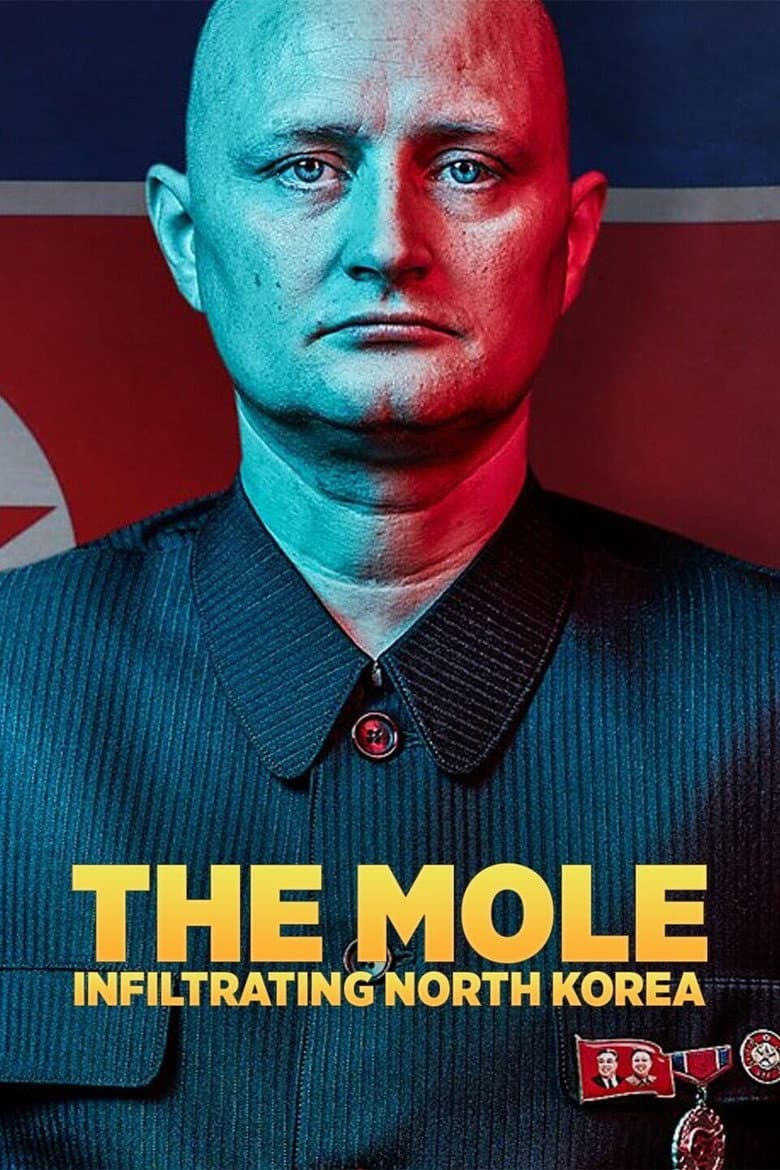
Movie · 2020
A real-life undercover thriller about two ordinary men who embark on an outrageously dangerous ten-year mission to penetrate the world's most secretive and brutal dictatorship…

Movie · 2022
The inspirational rise of SpaceX as well as Elon Musk's two-decade effort to resurrect America’s space travel ambitions.

Movie · 2017
While investigating the furtive world of illegal doping in sports, director Bryan Fogel connects with renegade Russian scientist Dr.
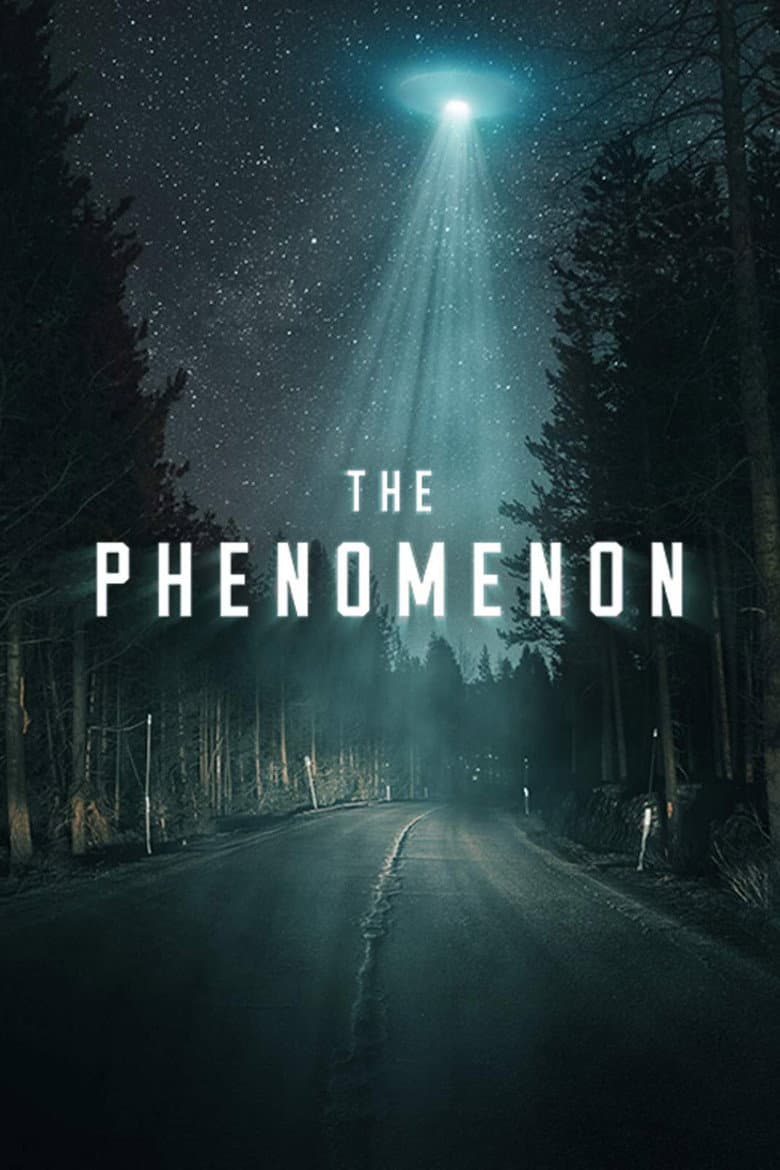
Movie · 2020
This documentary examines unidentified aerial phenomenon. With testimony from high-ranking government officials and NASA Astronauts, Senator Harry Reid says it "makes the…

Movie · 2022
Follows the man who survived an assassination attempt by poisoning with a lethal nerve agent in August 2020. During his months-long recovery, he makes shocking discoveries about…

Movie · 2022
An enchanting making-of story told through all-new in-depth interviews and cast conversations, inviting fans on a magical first-person journey through one of the most beloved film…
