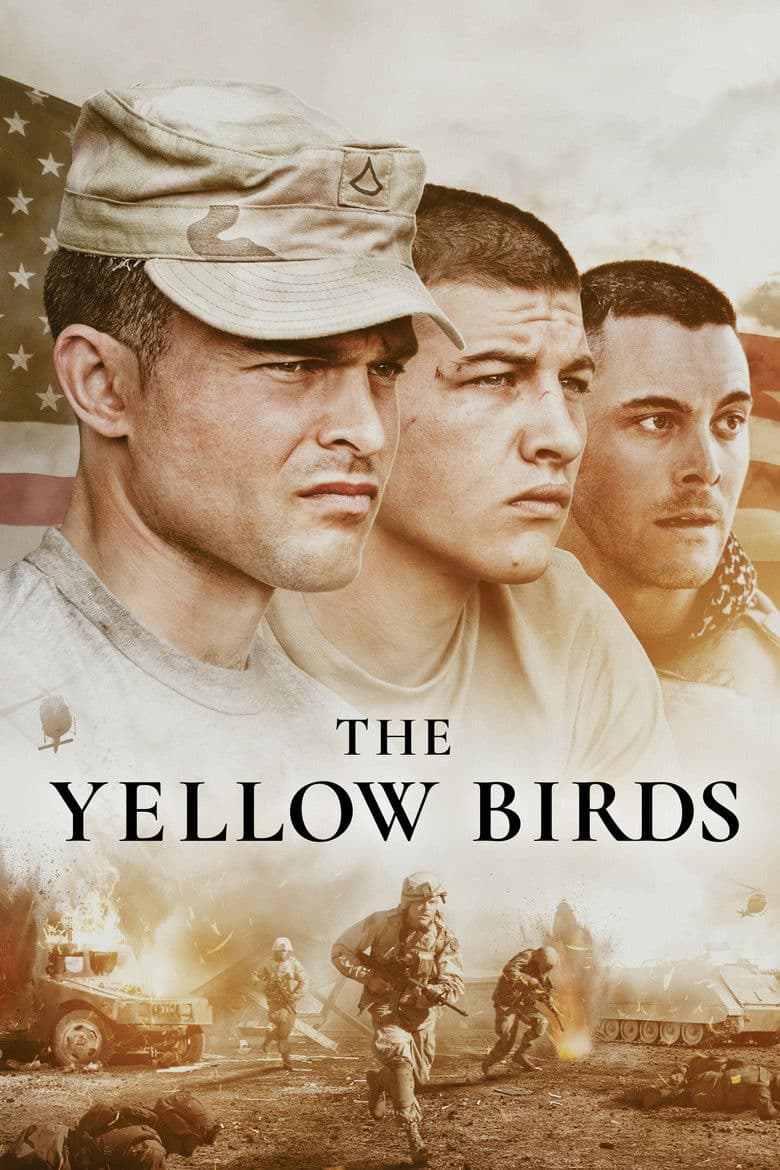
Brandon Bartle is a young American soldier sent to Iraq with his friend Daniel “Murph” Murphy. Bartle promises Murph’s mother that he will bring her son home, even as Sergeant Sterling leads the boys through brutal fighting. After Murph disappears, Bartle returns to Virginia carrying guilt, fear, and a secret about what happened. The film moves between the desert war and the home front, and its tone is grim, sad, and dreamlike.
The story focuses on the harm war causes to young men and to the mothers who wait for them. Bartle and Murph are not shown as shining heroes, because they panic, make mistakes, and struggle to understand the orders around them. The film questions the purpose of sending young Americans into a foreign war and shows how the damage continues after a soldier comes home. Its main ideas are friendship, grief, guilt, and the loss of innocence.
Community feedback
Was our 13% Woke rating accurate?
Breakdown
These are the editorial factors and ratings behind our score for The Yellow Birds.
Woke representation / casting
Not present. The main cast follows a normal war-film setup with young American soldiers, a sergeant, mothers, and a female medic. The movie does not frame any casting choice as a diversity or identity statement.
0%
Woke political dialogue
Not present. The soldiers question war and its cost, but the movie does not use modern identity, DEI, gender, or activist lines.
0%
Identity-driven story themes
Not present. The story centers on friendship, grief, guilt, PTSD, and the damage of combat. It does not build its plot around race, gender, sexuality, or representation.
0%
Western institutional / cultural critique
The movie questions why the United States sends young men into foreign wars. It rejects patriotic war stories that ask viewers to cheer for heroic combat. It shows soldiers who panic, lose control, and return home badly damaged. This is a mild anti-war and anti-military message, not a modern identity-politics attack on family, faith, capitalism, or gender roles.
20%
Woke character or canon changes
Not relevant. The film adapts Kevin Powers’s novel. Reported changes involve length, timeline, and focus, not identity changes.
0%
Anti-woke backlash and complaints
Not present. The supplied X pass found no anti-woke reaction. Other audience posts mostly discuss acting, sadness, slow pacing, and confusing editing, not woke or DEI messaging.
0%
Creator track record context
Moors has criticized America’s appetite for violence and heroic war stories. Kevin Powers’s work questions war and its human cost. Jennifer Aniston has backed reproductive rights and equal rights, but the film does not use those causes as identity messaging. The other cached creator scores are low and show no strong DEI or culture-war pattern.
14%
Production
Movie · 2016
WWII American Army Medic Desmond T. Doss, who served during the Battle of Okinawa, refuses to kill people and becomes the first Conscientious Objector in American history to…
Movie · 2024
On the brink of the Second World War, a young Norwegian man's drive to resist the Nazis sets a new course for his future – and the future of his country.
Movie · 2019
Richard Jewell thinks quick, works fast, and saves hundreds, perhaps thousands, of lives after a domestic terrorist plants several pipe bombs and they explode during a concert…
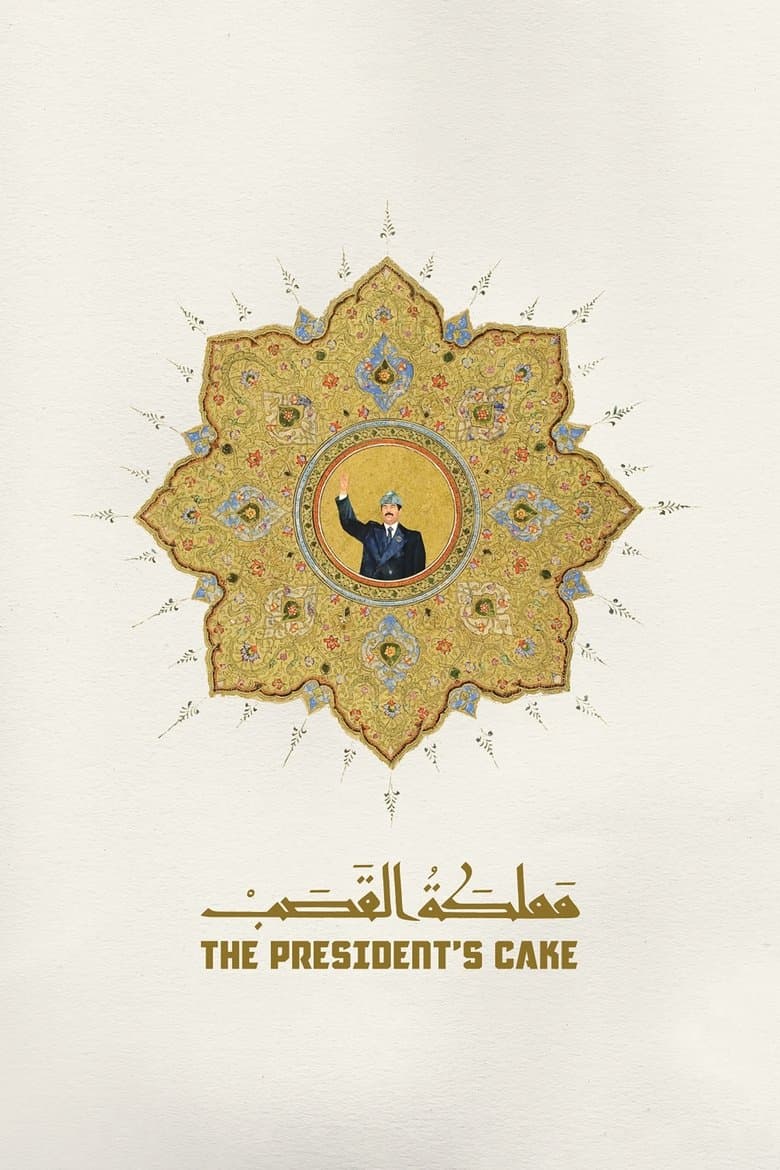
Movie · 2026
While people across 1990s Iraq struggle to survive the war and food shortages, Saddam Hussein requires each school in the country to prepare a cake to celebrate his birthday.
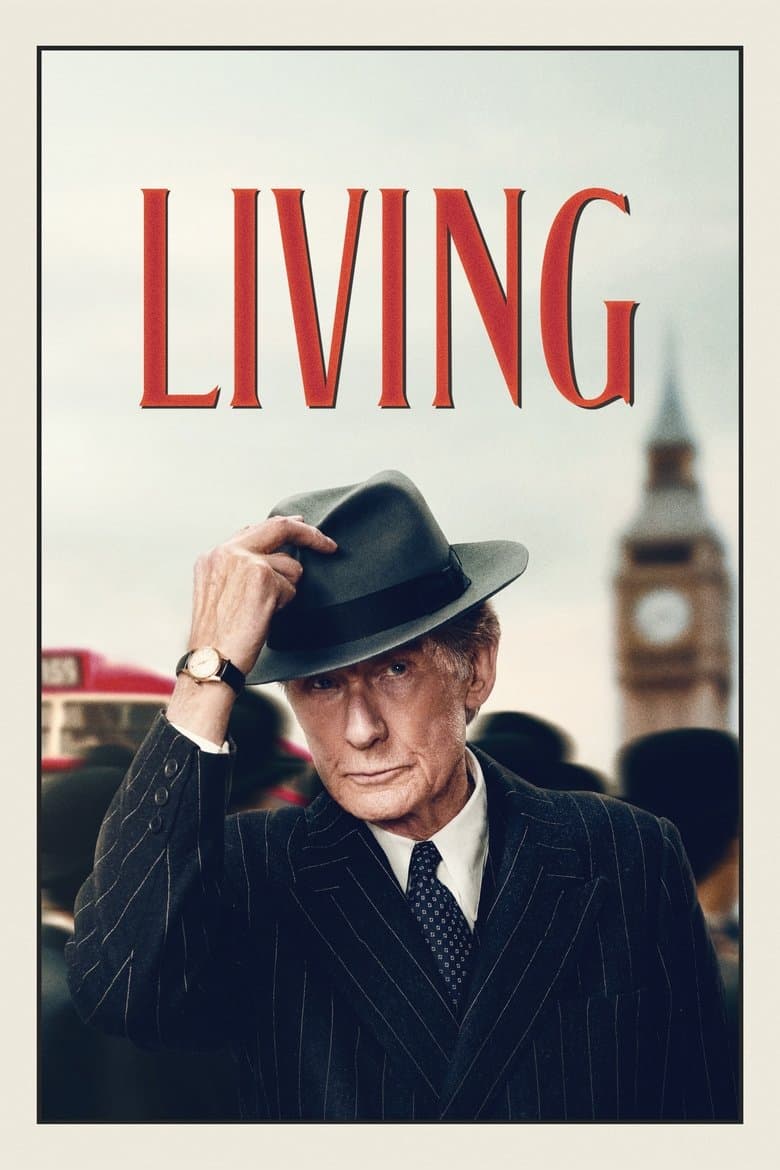
Movie · 2022
London, 1953. Mr. Williams, a veteran civil servant, is an important cog within the city's bureaucracy as it struggles to rebuild in the aftermath of World War II.
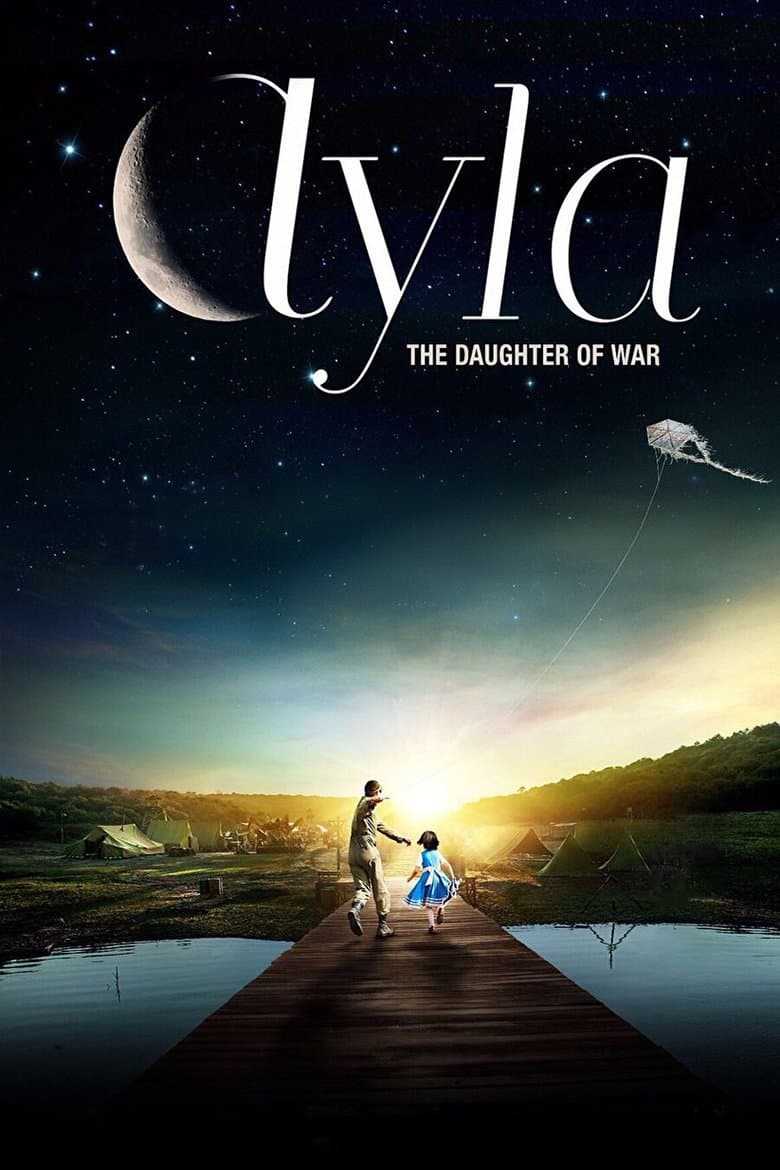
Movie · 2017
In 1950, amidst the ravages of the Korean War, Sergeant Süleyman stumbles upon a a half-frozen little girl, with no parents and no help in sight and he risks his own life to save…
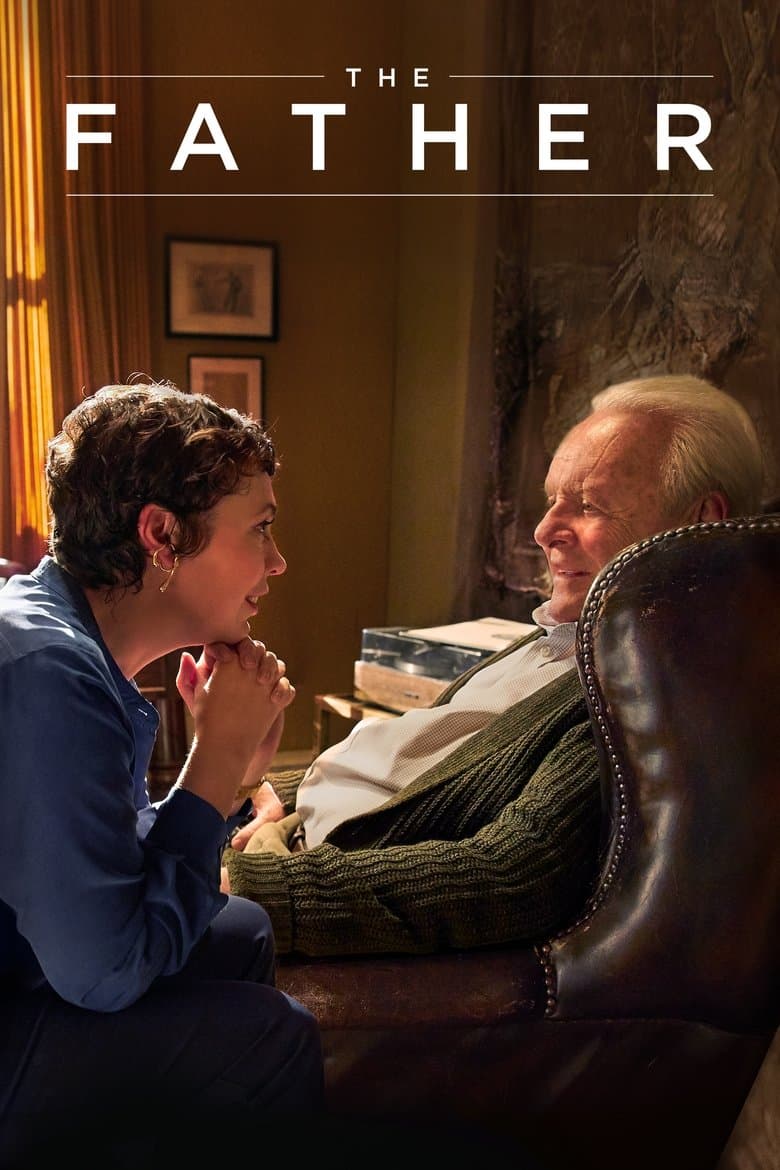
Movie · 2020
A man refuses all assistance from his daughter as he ages and, as he tries to make sense of his changing circumstances, he begins to doubt his loved ones, his own mind and even…
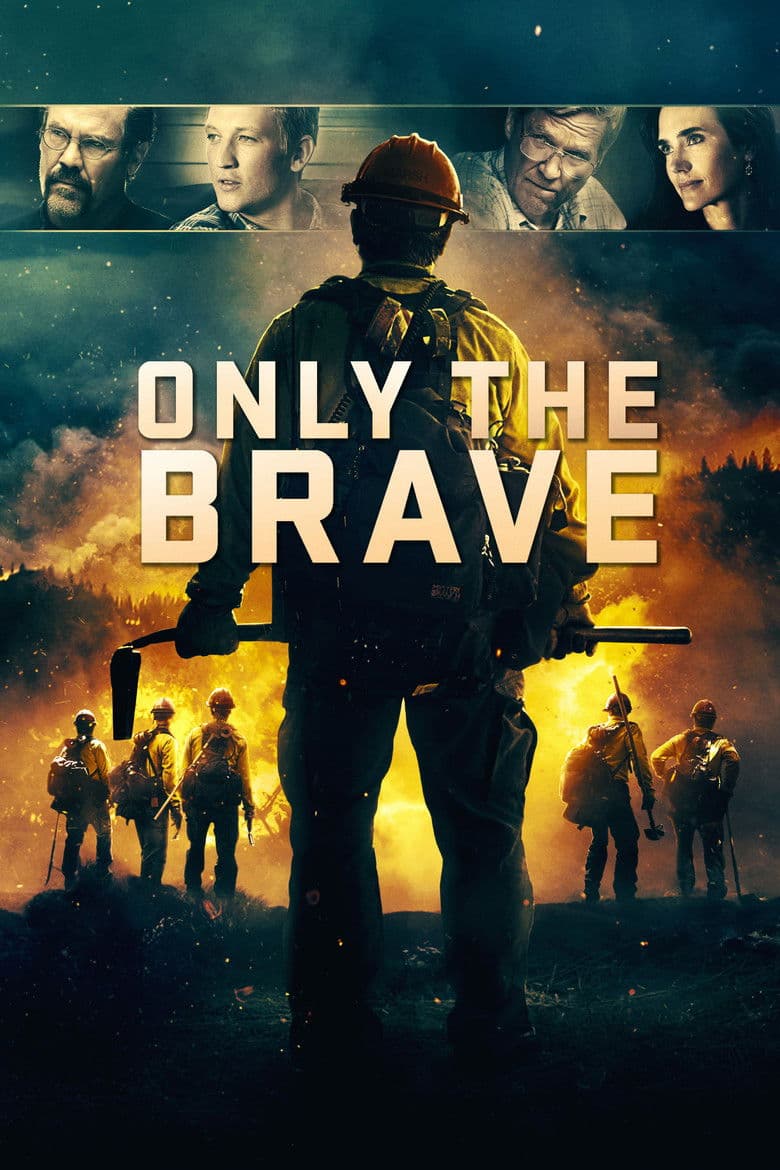
Movie · 2017
Members of the Granite Mountain Hotshots battle deadly wildfires to save an Arizona town.
