
Rudolf Nureyev is a poor boy from Soviet Russia who grows into a gifted but proud ballet dancer. The film moves between his childhood in Ufa, his training in Leningrad, and a 1961 tour in Paris. Soviet officials watch him because he breaks rules and enjoys Western art and friends. The tense drama builds toward his choice to seek safety and freedom at Le Bourget airport.
Nureyev has sexual relationships with a woman and with Teja, a man, and the film shows male nudity and men together in bed. The film also shows same-sex couples in a Paris club and presents Nureyev as a man who does not fit the usual rules for male ballet dancers. These moments make his sexuality a clear part of the film, but they remain smaller than his dance training and escape from Soviet control. The story does not use modern diversity slogans or activist speeches.
Community feedback
Was our 26% Woke rating accurate?
Breakdown
These are the editorial factors and ratings behind our score for The White Crow.
Woke representation / casting
Not present. The film uses a Ukrainian ballet dancer for Nureyev and mostly Russian and French performers for the main roles. The film does not sell its casting as a diversity or identity campaign.
0%
Woke political dialogue
Not present. The film has Cold War talk about KGB control, Western freedom, and defection. Those lines fit the historical plot and do not push modern identity or activist ideas.
0%
Identity-driven story themes
Nureyev has sexual relationships with a woman and with Teja, a man. The film shows men together in bed, same-sex couples in public, and male nudity. The story treats this as part of Nureyev’s life without turning it into a modern rights speech. His dance training and escape from the Soviet Union remain the main story.
40%
Western institutional / cultural critique
Not present. The film shows Soviet surveillance and pressure as part of the Cold War story. It does not turn that conflict into a modern attack on Western institutions, Christianity, family life, or capitalism.
0%
Woke character or canon changes
Not relevant. The film makes no race, gender, sexuality, or hero-role swap from the known life story. Its changes mainly involve which years and events to show.
0%
Anti-woke backlash and complaints
Russian cinemas released a cut that removed Nureyev’s bed scene with Teja and some male nudity. The edit was linked in reporting to Russia’s law against what it calls gay propaganda. This was a local censorship issue, not a broad Western anti-woke campaign. The X research found no anti-woke complaints, boycott, or review-bombing.
10%
Creator track record context
Ralph Fiennes has a limited record of humanitarian and anti-racist work, while his stored profile also notes his defense of J.K. Rowling. David Hare often writes about politics, class, and power, but not mainly about DEI or identity campaigns. Anja Dihrberg has supported more diversity in casting, while most other stored crew profiles show mild or no activist links. The creator context is mild and does not strongly match a modern woke film agenda.
22%
Production
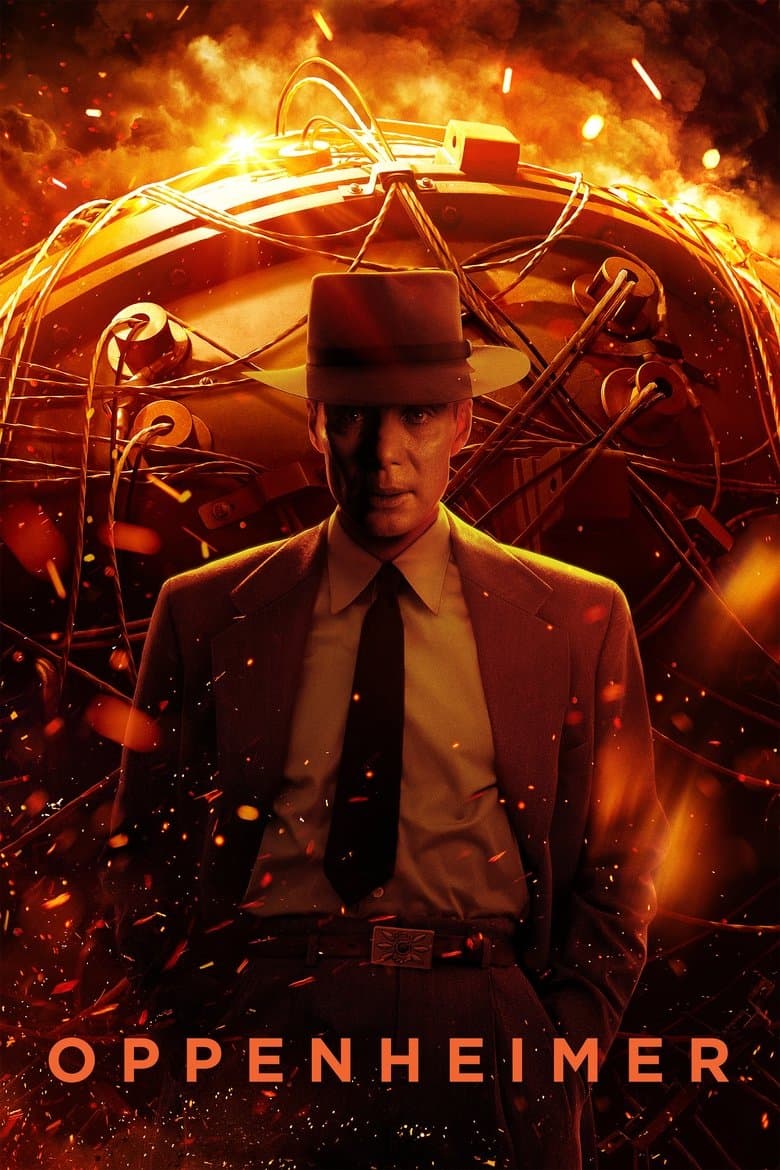
Movie · 2023
The story of J. Robert Oppenheimer's role in the development of the atomic bomb during World War II.
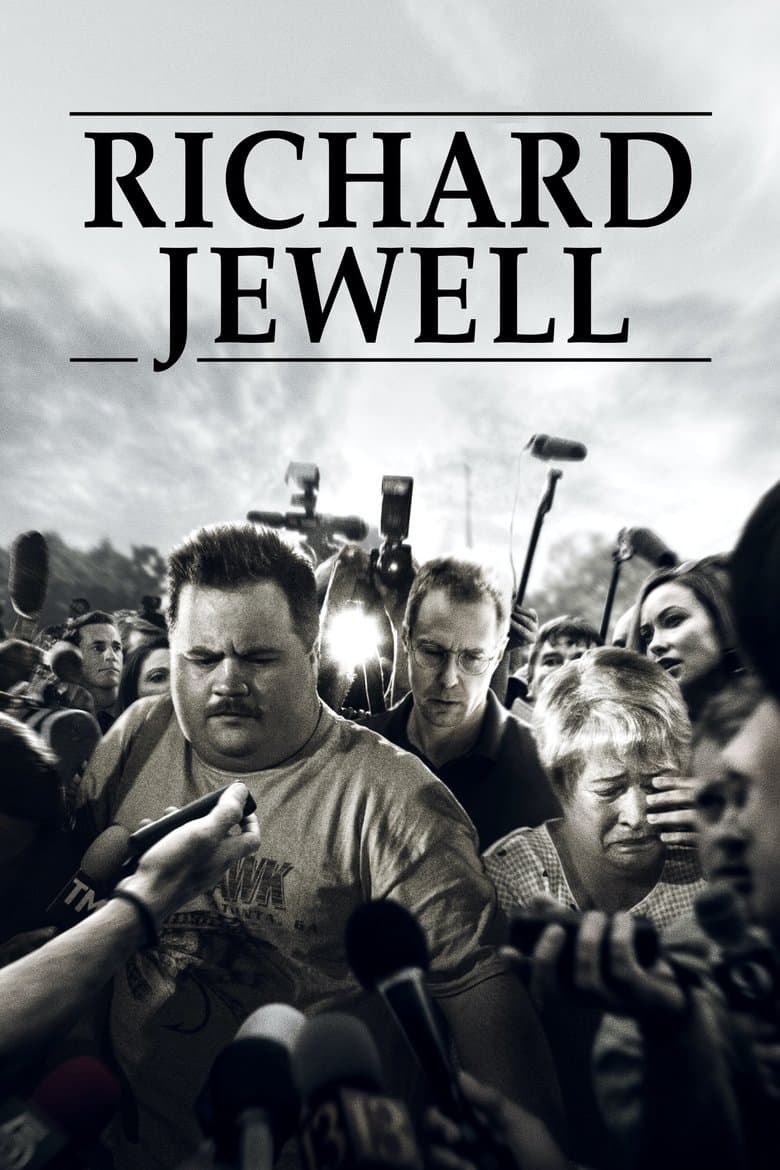
Movie · 2019
Richard Jewell thinks quick, works fast, and saves hundreds, perhaps thousands, of lives after a domestic terrorist plants several pipe bombs and they explode during a concert…
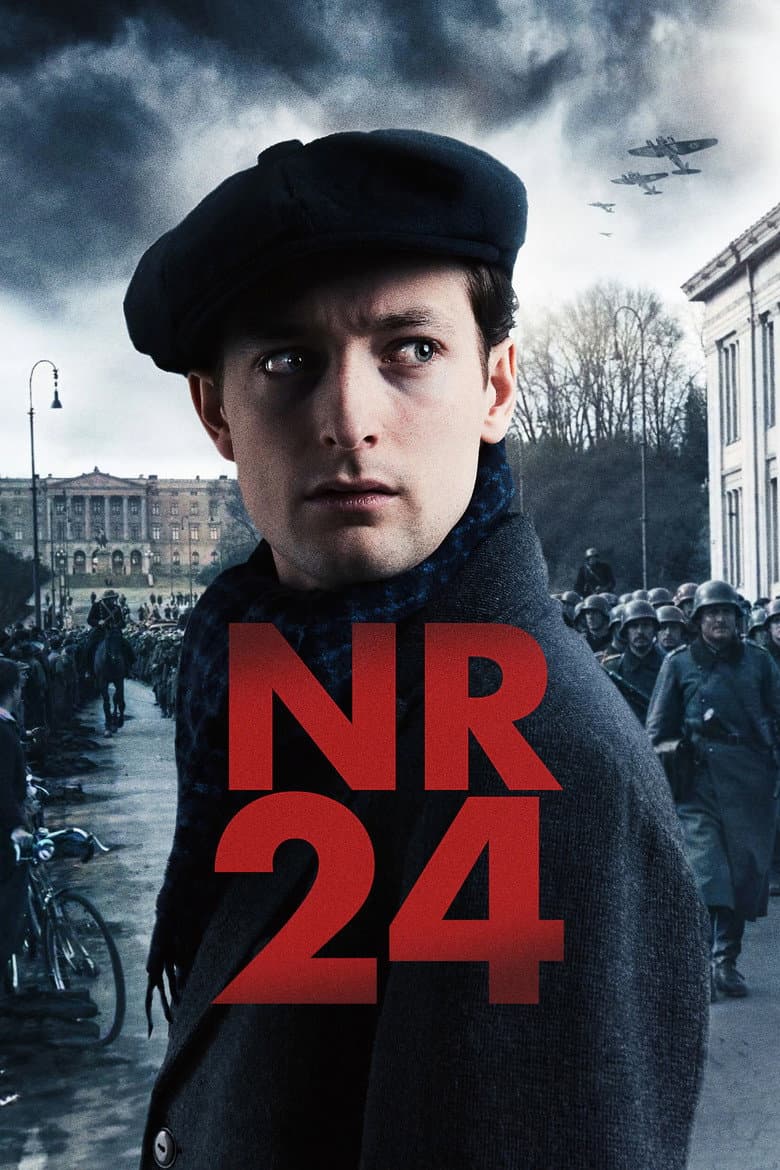
Movie · 2024
On the brink of the Second World War, a young Norwegian man's drive to resist the Nazis sets a new course for his future – and the future of his country.
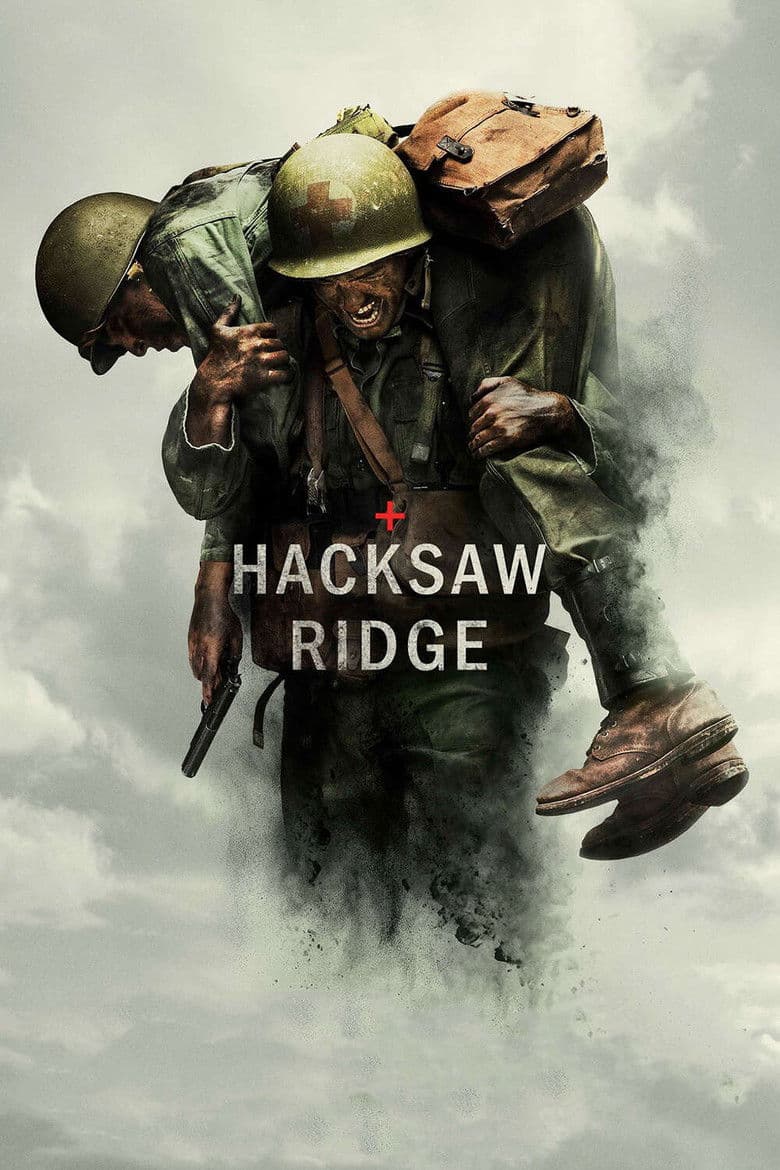
Movie · 2016
WWII American Army Medic Desmond T. Doss, who served during the Battle of Okinawa, refuses to kill people and becomes the first Conscientious Objector in American history to…
Movie · 2022
A quiet, neglected girl is sent away from her dysfunctional family to live with relatives for the summer. She blossoms in their care, but in this house where there are meant to be…
Movie · 2020
A man refuses all assistance from his daughter as he ages and, as he tries to make sense of his changing circumstances, he begins to doubt his loved ones, his own mind and even…
Movie · 2017
In 1950, amidst the ravages of the Korean War, Sergeant Süleyman stumbles upon a a half-frozen little girl, with no parents and no help in sight and he risks his own life to save…
Movie · 2023
American ballet dancer Joy Womack is accepted into Moscow's infamously tough Bolshoi Ballet Academy, with the dream of becoming a great ballerina.
