
Yusra and Sara Mardini are two young sisters living near Damascus as war tears Syria apart. They are strong swimmers with big sports dreams. When home becomes too dangerous, they take a long, risky path through Turkey and the sea toward Europe. The film follows their hard trip as refugees and Yusra’s push to race at the 2016 Rio Olympics. The tone is serious, emotional, and hopeful, like a true-life sports drama mixed with a survival story.
Viewers will clearly notice a refugee-rights and “show Arab women as heroes” message. The story puts two modern, free-spirited Arab sisters at the center and asks the audience to feel with them, not just feel sorry for them. On the road through Europe, the film shows cold treatment, mean looks, hard borders, and rude talk about refugees and the Refugee Olympic Team. Marketing and the director’s own words frame the movie as fixing stereotypes of Arab women and refugees. That social message sits on top of a real Olympic and family story, so many people will clock the activism as well as the swimming.
Community feedback
Was our 63% Woke rating accurate?
Breakdown
These are the editorial factors and ratings behind our score for The Swimmers.
Woke representation / casting
Lead roles go to Arab women playing real Arab sisters, which fits the true story. The production also put real refugees in the cast and sold the film as better representation for Arab women and refugees. That is a clear identity focus, but not a race or gender swap of known white characters. Diversity mostly matches the story world, so the score stays moderate, not extreme.
34%
Woke political dialogue
Characters and scenes talk about closed doors for Syrians, hard travel, and being treated as less than human once in Europe. There are cold looks, stigma, and put-downs aimed at refugees and the Refugee Olympic Team. It is not nonstop lecture talk, but the political lines are easy to hear.
44%
Identity-driven story themes
The core arc is war, sisterhood, swimming, and Olympic hope, plus a strong push to humanize refugees and celebrate “modern, liberal” Arab young women as heroes. Female drive and refugee identity are front-and-center themes a normal viewer would notice. It is not a queer story and not pure race theory, but the social identity message is clear.
55%
Western institutional / cultural critique
The Europe leg shows unfriendly citizens, tough borders, paperwork walls, and disrespect for refugees. That paints Western (especially European) systems and crowds as cold or unfair to Middle Eastern migrants. It is not a big attack on churches, families, or “toxic men,” but the critique of how the West treats these refugees is plain on screen.
50%
Woke character or canon changes
Not relevant. This is a true-story biopic of real people. There is no established fiction canon rewritten for race, gender, or identity politics.
0%
Anti-woke backlash and complaints
A few online voices call it refugee propaganda. There was no large, sustained anti-woke news wave. Most public criticism was left-side (not political enough, “orientalist,” casting/pay issues) and does not count here.
8%
Creator track record context
Lead director El Hosaini (70) and co-writer Thorne (62) bring clear activist and inclusion track records; casting lead Baig (53) adds inclusive-casting reputation. Many producers score low. Overall key creative context sits in the mid range.
55%
Production
Movie · 2025
A logger leads a life of quiet grace as he experiences love and loss during an era of monumental change in early 20th-century America.
Movie · 2016
On 15 January 2009, the world witnessed the 'Miracle on the Hudson' when Captain 'Sully' Sullenberger glided his disabled plane onto the Hudson River, saving the lives of all 155…
Movie · 2025
Diagnosed with Tourette Syndrome at 15, John Davidson navigates his way against the odds through troubled teenage years and into adulthood, finding inspiration in the kindness of…
Movie · 2022
Based on a true tragedy, the emotionally triggering film sheds light on the plight of Kashmiri Pandits (Hindus), a religious minority in the 1990s Kashmir valley, who were…
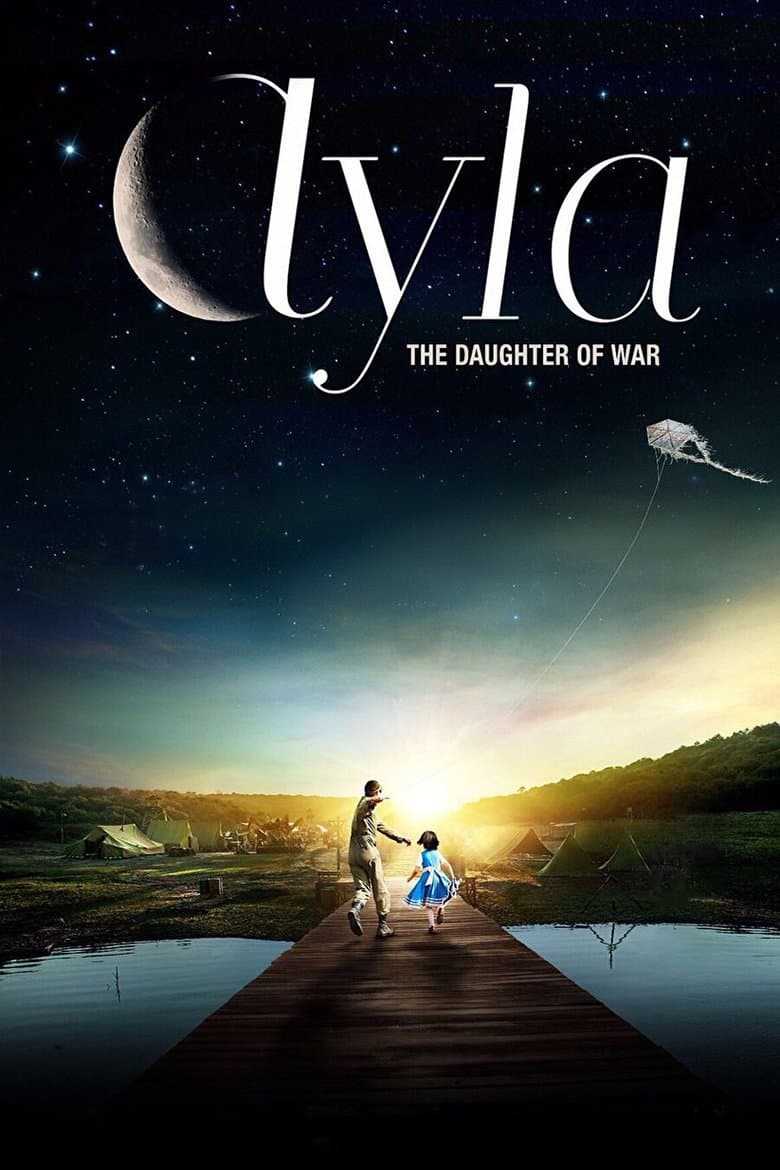
Movie · 2017
In 1950, amidst the ravages of the Korean War, Sergeant Süleyman stumbles upon a a half-frozen little girl, with no parents and no help in sight and he risks his own life to save…
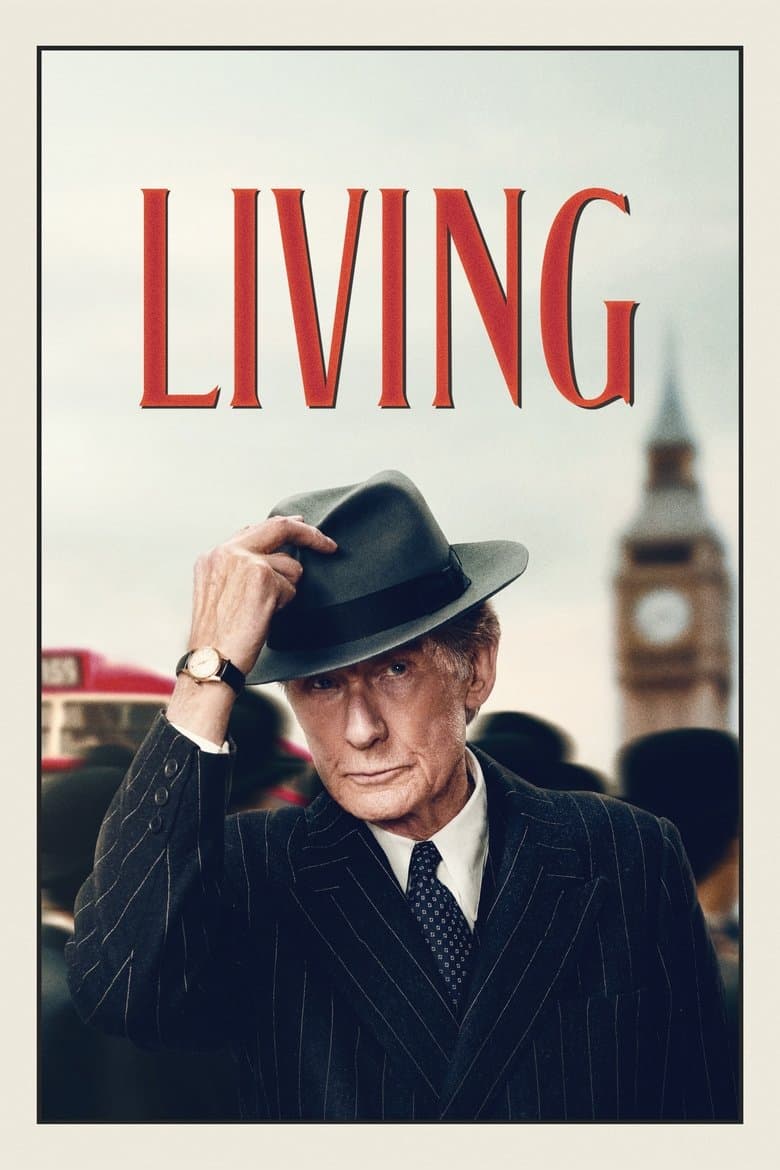
Movie · 2022
London, 1953. Mr. Williams, a veteran civil servant, is an important cog within the city's bureaucracy as it struggles to rebuild in the aftermath of World War II.
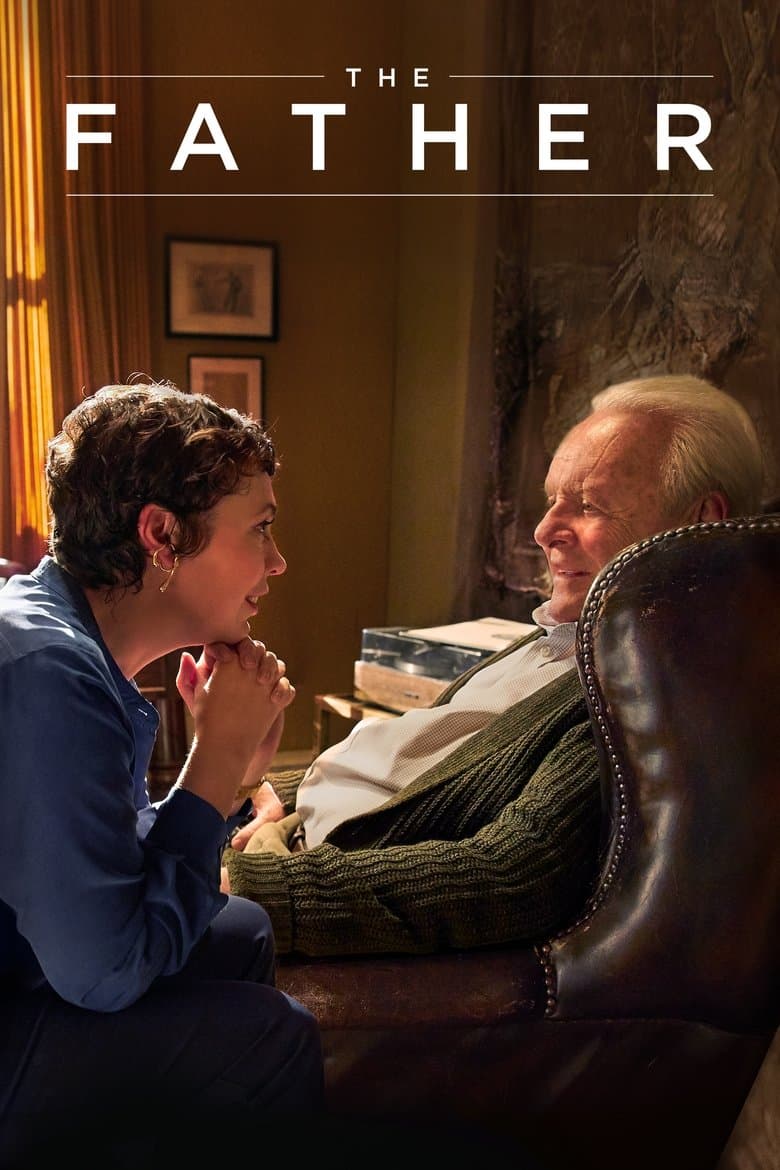
Movie · 2020
A man refuses all assistance from his daughter as he ages and, as he tries to make sense of his changing circumstances, he begins to doubt his loved ones, his own mind and even…

Movie · 2024
On the brink of the Second World War, a young Norwegian man's drive to resist the Nazis sets a new course for his future – and the future of his country.
