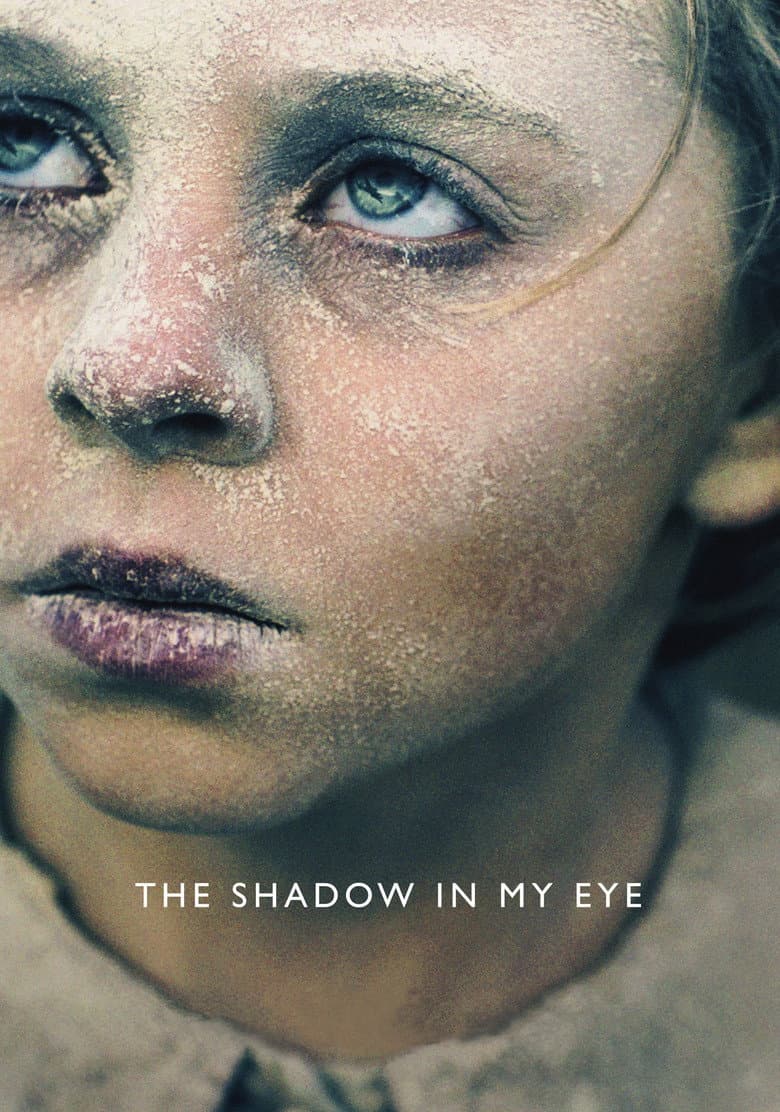
The film takes place in Copenhagen in March 1945, near the end of the German occupation. Henry stops speaking after seeing a British plane kill civilians, so his family sends him to the city. He attends the French Catholic school with his cousin Rigmor and her friend Eva. Young nun Teresa doubts God, while Frederik, a Danish police officer working with the Germans, fears the war is ending. British pilots attack the Gestapo headquarters, but smoke from a crashed plane leads later crews to bomb the school in a tense and painful disaster.
Teresa tests her faith through self-punishment and a forbidden kiss with Frederik. Frederik slowly turns against his work and tries to help during the rescue. Henry regains his voice by helping identify the wounded children. The film shows how good intentions can still cause terrible harm, and it leaves the characters facing fear, guilt, grief, and chance.
Community feedback
Was our 14% Woke rating accurate?
Breakdown
These are the editorial factors and ratings behind our score for The Shadow in My Eye.
Woke representation / casting
Not present. The main cast fits a Danish Catholic school, German occupation, and British RAF story. The girls, nun, and male officer have story-based roles rather than identity-first roles.
0%
Woke political dialogue
A doctor tells Henry to “be a man” and calls him a weakling and a sissy when trauma stops him from speaking. The scene presents old male toughness as cruel and useless. The rest of the dialogue deals with war, faith, guilt, and resistance. This is a brief thread, not a recurring political message.
12%
Identity-driven story themes
Not present. The story follows children, a nun, a collaborator, pilots, and resistance prisoners through a wartime tragedy. Its main themes are trauma, faith, guilt, redemption, and the cost of war.
0%
Western institutional / cultural critique
The film shows Teresa questioning God after Nazi crimes against Jews. Teresa punishes herself and tests the idea that God is watching when she says God may be distracted. A doctor shames Henry with words such as “wimp” and “sissy.” The story keeps these conflicts inside its 1945 faith and war plot, so the critique is limited and not a modern activist message.
16%
Woke character or canon changes
Not relevant. The film uses fictional personal stories around a real bombing. A dispute over pilot Peter Kleboe concerns historical accuracy, not an identity change.
0%
Anti-woke backlash and complaints
One Reddit commenter called the doctor’s treatment of Henry “toxic masculinity” and said the film treated Christianity as evil. One Danish user review accused the film of mocking Christianity and making the nuns look foolish. These comments had no clear wider pickup. The supplied X check found no anti-woke complaints.
8%
Creator track record context
Ole Bornedal’s cached score is 5/100, and his work is mainly genre and historical drama. The stored producer and casting scores are low and show no clear activist pattern. Cecilie Buhl’s stored context includes feminist writing themes, but no clear link puts them into this movie. Madeleine Fant’s higher stored score comes from technical film work rather than activism.
8%
Production
Movie · 2024
On the brink of the Second World War, a young Norwegian man's drive to resist the Nazis sets a new course for his future – and the future of his country.
Movie · 2019
Richard Jewell thinks quick, works fast, and saves hundreds, perhaps thousands, of lives after a domestic terrorist plants several pipe bombs and they explode during a concert…
Movie · 2016
WWII American Army Medic Desmond T. Doss, who served during the Battle of Okinawa, refuses to kill people and becomes the first Conscientious Objector in American history to…
Movie · 2026
While people across 1990s Iraq struggle to survive the war and food shortages, Saddam Hussein requires each school in the country to prepare a cake to celebrate his birthday.
Movie · 2022
London, 1953. Mr. Williams, a veteran civil servant, is an important cog within the city's bureaucracy as it struggles to rebuild in the aftermath of World War II.
Movie · 2016
On 15 January 2009, the world witnessed the 'Miracle on the Hudson' when Captain 'Sully' Sullenberger glided his disabled plane onto the Hudson River, saving the lives of all 155…
Movie · 2016
After his older brother passes away, Lee Chandler is forced to return home to care for his 16-year-old nephew.
Movie · 2022
A quiet, neglected girl is sent away from her dysfunctional family to live with relatives for the summer. She blossoms in their care, but in this house where there are meant to be…
