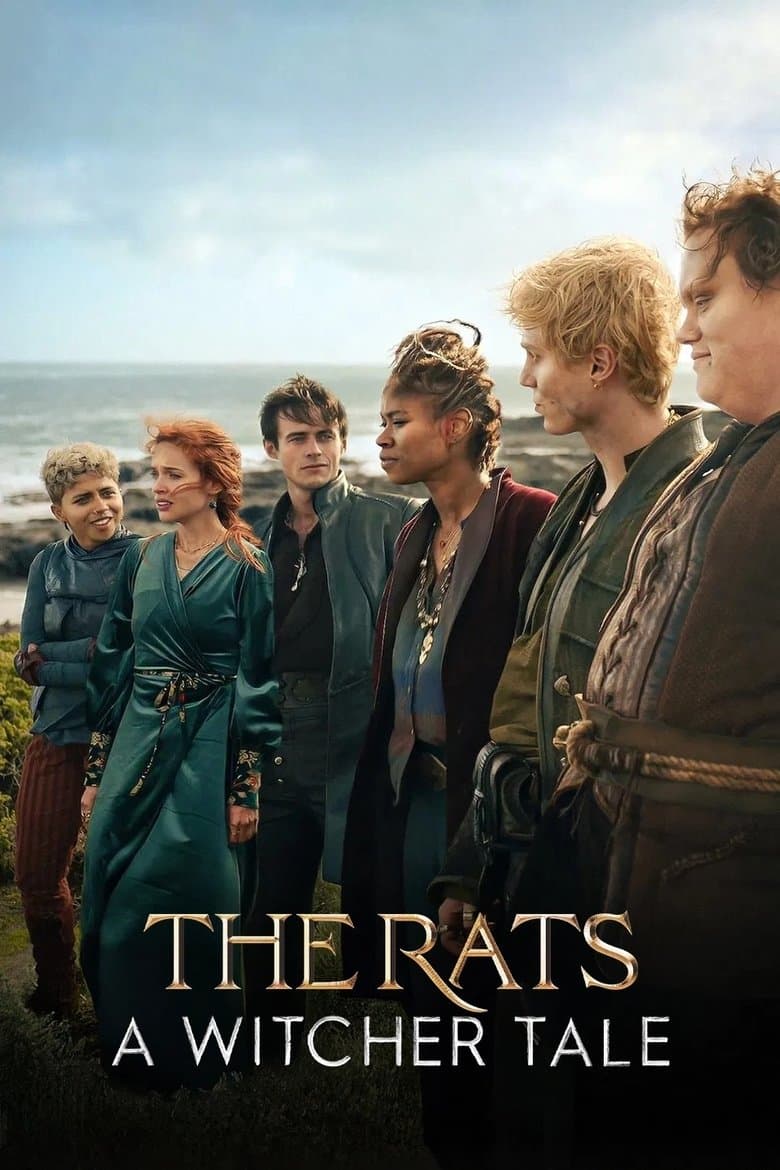
The story follows Mistle, a young fighter who once lived as a noble but now steals with a gang called the Rats. The group travels through a war-torn land and plans a dangerous robbery at a fighting arena run by cruel men. They recruit Brehen, a tired and alcoholic Witcher, because a transformed monster guards the money. The movie mixes bloody fantasy action with grief, fear, loyalty, and the search for a family.
The clearest woke element is Mistle’s past romance with her female handmaiden, Juniper. That relationship drives Mistle’s pain, her choices during the robbery, and the movie’s most important monster reveal. The story also places three young women inside the six-person outlaw group and gives Mistle the main emotional role and several major fight moments. The movie presents the gang as a chosen family of wounded outsiders, but it does not build its story around speeches about modern politics, race, or social systems.
Community feedback
Was our 67% Woke rating accurate?
Breakdown
These are the editorial factors and ratings behind our score for The Rats: A Witcher Tale.
Woke representation / casting
The film gives three women major places in the six-person gang and makes Mistle its main fighter and emotional lead. The film also uses actors from different racial backgrounds in prominent roles. The story does not call the casting a diversity campaign or make the group a direct statement about race. The gender pattern is noticeable, but it is not the main point of the movie.
20%
Woke political dialogue
Not present. The film does not use modern activist speeches about identity, DEI, race, or current political groups. The characters discuss war, greed, abuse, and survival inside the fantasy world.
0%
Identity-driven story themes
Mistle’s past romance with her female handmaiden, Juniper, drives the main emotional story. The film follows Mistle’s grief after Juniper is taken and turned into a monster. Mistle’s final choice to kill Juniper to save the gang gives the same-sex relationship a major role in the plot. The film also treats the Rats as a chosen family that helps wounded young outsiders survive.
78%
Western institutional / cultural critique
Not present. The film shows an emperor, mercenary, arena owner, and rich people abusing power. The story treats those figures as fantasy villains in a war story. It does not connect their crimes to modern attacks on capitalism, Western institutions, Christianity, or traditional family life.
0%
Woke character or canon changes
The film gives book character Mistle a new highborn background and a named female lover, Juniper. The source story already connects Mistle with Ciri but does not give this Juniper backstory. The new relationship drives Mistle’s memories, the monster reveal, and her final choice. This makes the adaptation’s main identity-focused change clear and important.
60%
Anti-woke backlash and complaints
Small X accounts called the Rats a bland “DEI lot” and predicted that the spin-off would be awful. Tiny accounts shared a video that called the film anti-white DEI woke content. A larger right-leaning writer joked about audiences cheering when a DEI character dies, but that comment focused on the gang’s deaths rather than a film campaign. A few Rotten Tomatoes users called the film woke, feminist, or too focused on female characters. The reaction has no evidence of a boycott or sustained review-bomb drive.
18%
Creator track record context
Lauren Schmidt Hissrich has a stored woke score of 57/100 and a public record of supporting diverse casting and inclusive fantasy stories. Andrzej Sapkowski has a stored score of 8/100 and writes about prejudice and strong women without a known activist profile. Haily Hall and Mairzee Almas have lower stored scores with little public political record. The producers have low to moderate stored scores and no documented activist pattern.
38%
Production
Movie · 2019
Decades after serving in WWII and assassinating Adolf Hitler, a legendary American war veteran must now hunt down the fabled Bigfoot.
Movie · 2017
Manji, a highly skilled samurai, becomes cursed with immortality after a legendary battle. Haunted by the brutal murder of his sister, Manji knows that only fighting evil will…
Movie · 2025
In this extraordinary story of an ordinary man, Charles 'Chuck' Krantz experiences the wonder of love, the heartbreak of loss, and the multitudes contained in all of us.
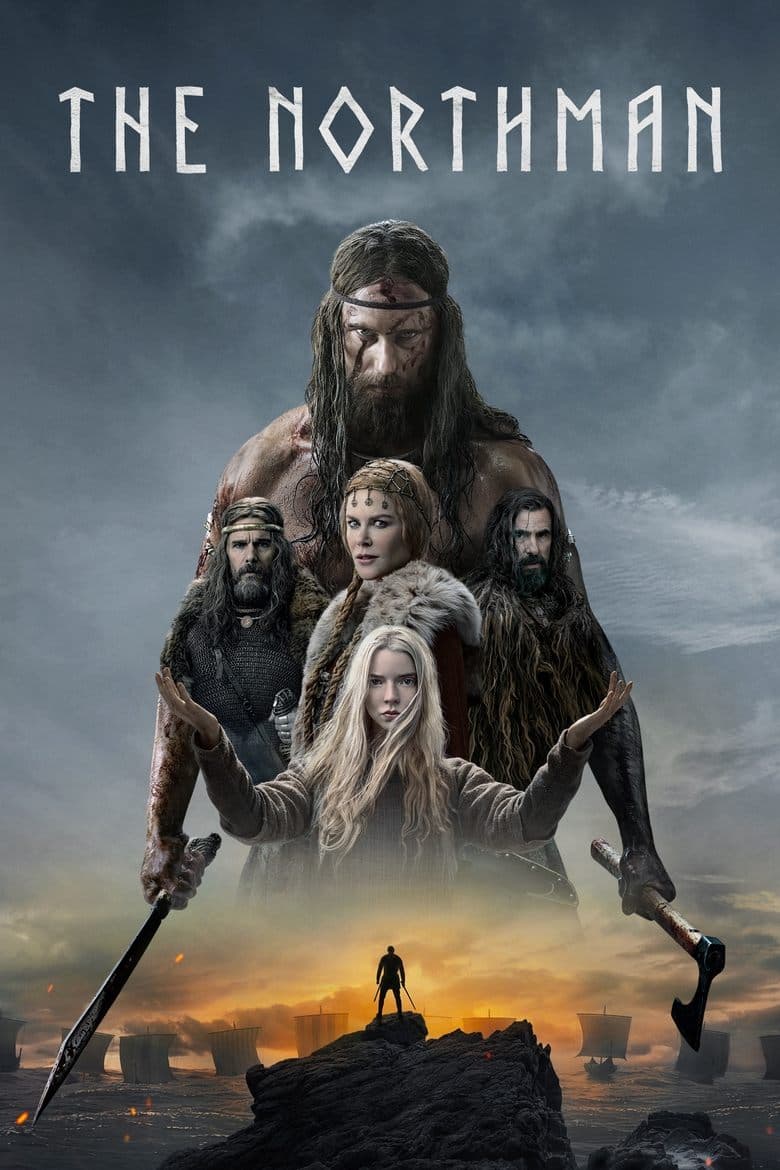
Movie · 2022
Prince Amleth is on the verge of becoming a man when his father is brutally murdered by his uncle, who kidnaps the boy's mother.
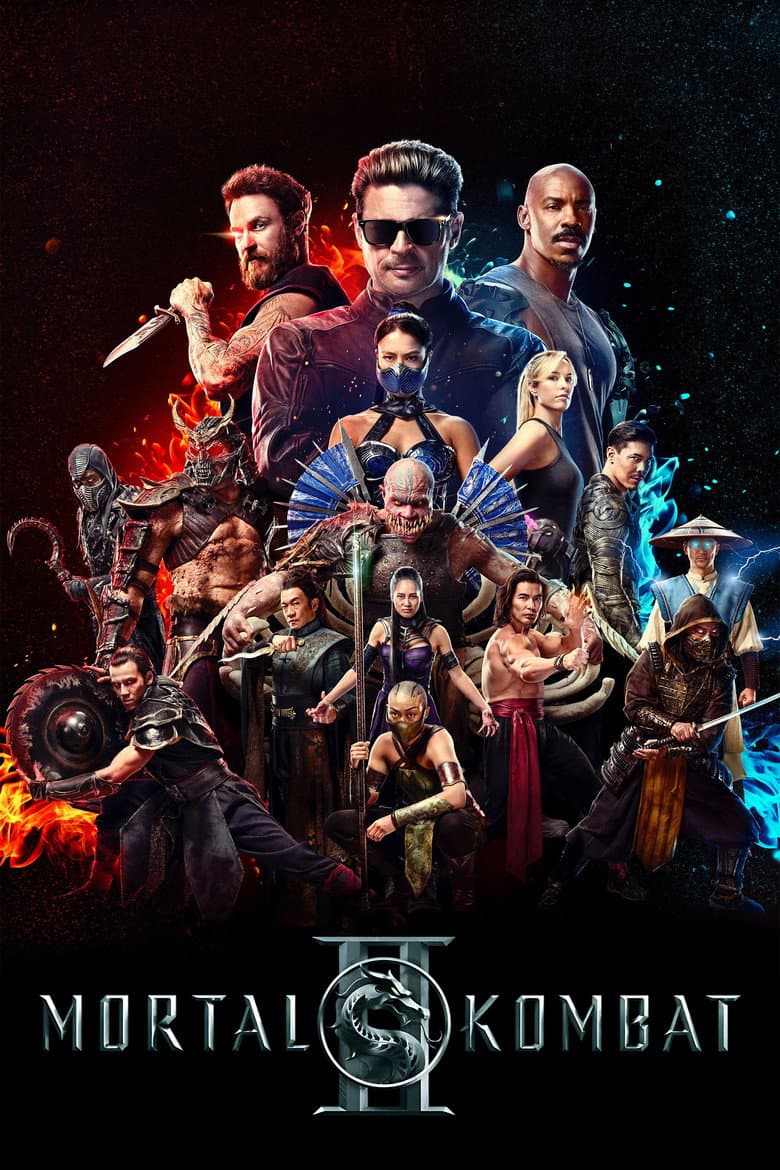
Movie · 2026
The fan favorite champions—now joined by Johnny Cage himself—are pitted against one another in the ultimate, no-holds barred, gory battle to defeat the dark rule of Shao Kahn that…
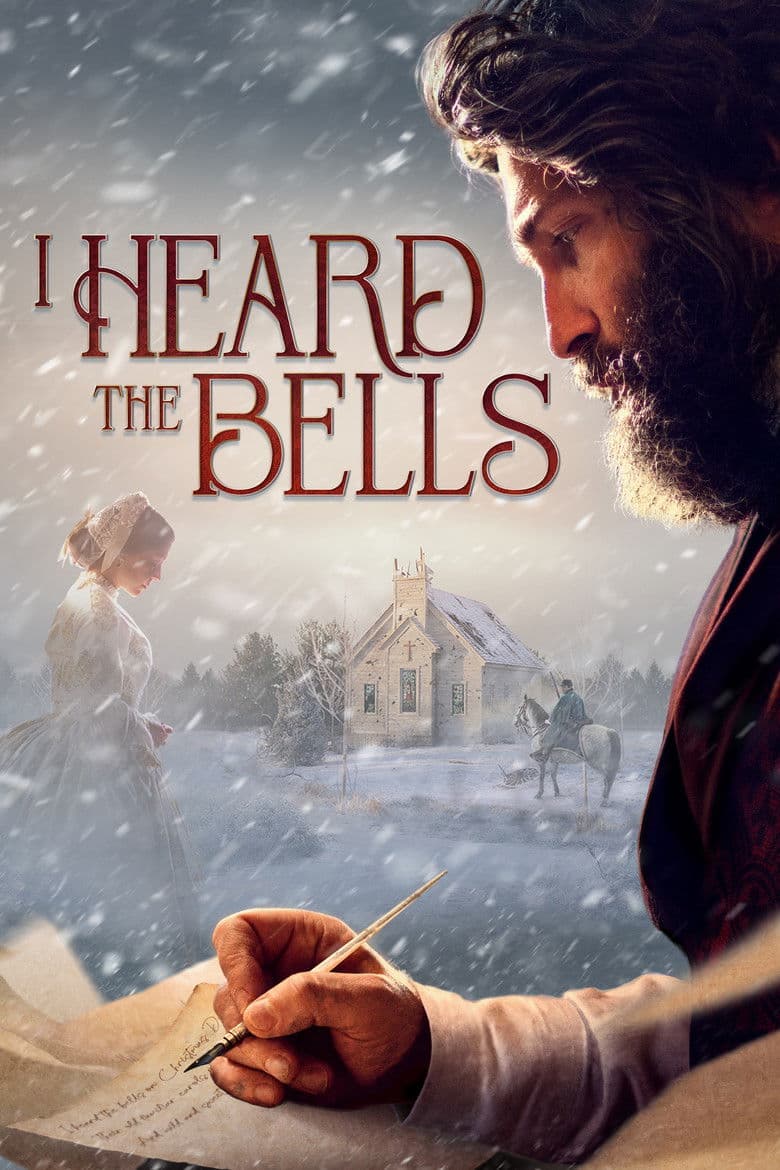
Movie · 2022
Known as America’s Poet, Henry Wadsworth Longfellow leads an idyllic life – until the day his world is shattered by tragedy.
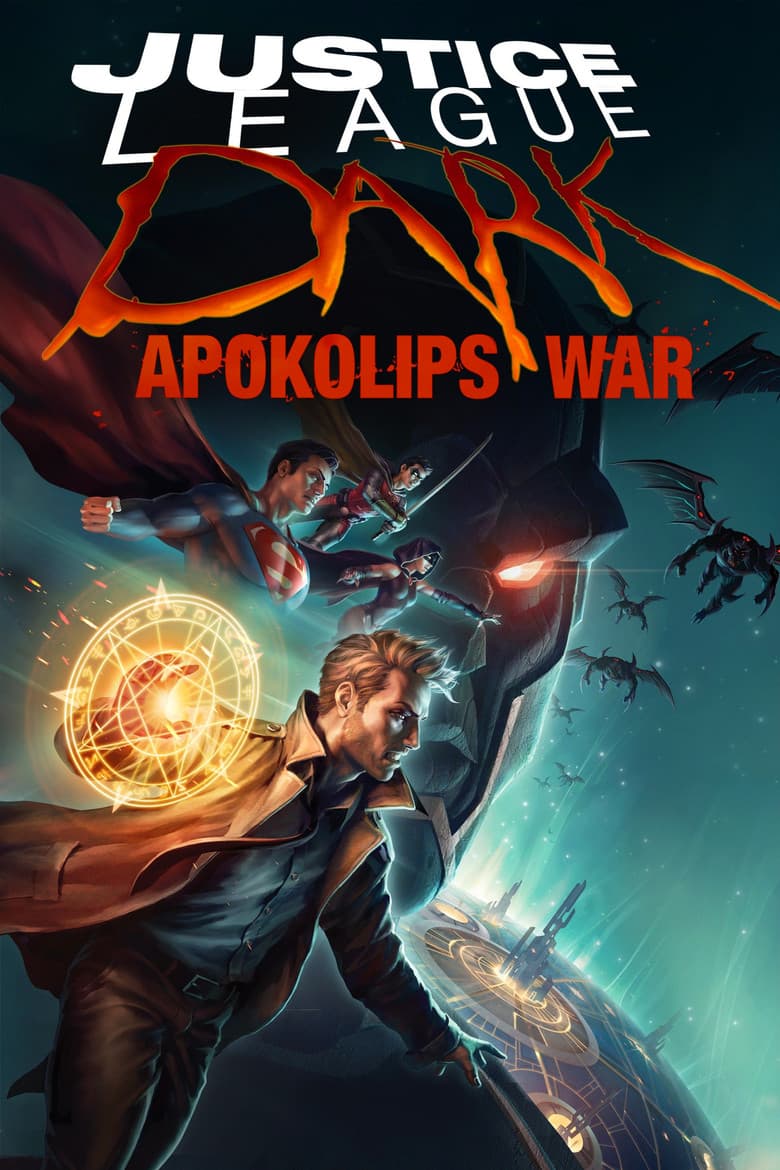
Movie · 2020
Earth is decimated after intergalactic tyrant Darkseid has devastated the Justice League in a poorly executed war by the DC Super Heroes.
Movie · 2017
When Mahendra, the son of Bāhubali, learns about his heritage, he begins to look for answers. His story is juxtaposed with past events that unfolded in the Mahishmati Kingdom.
