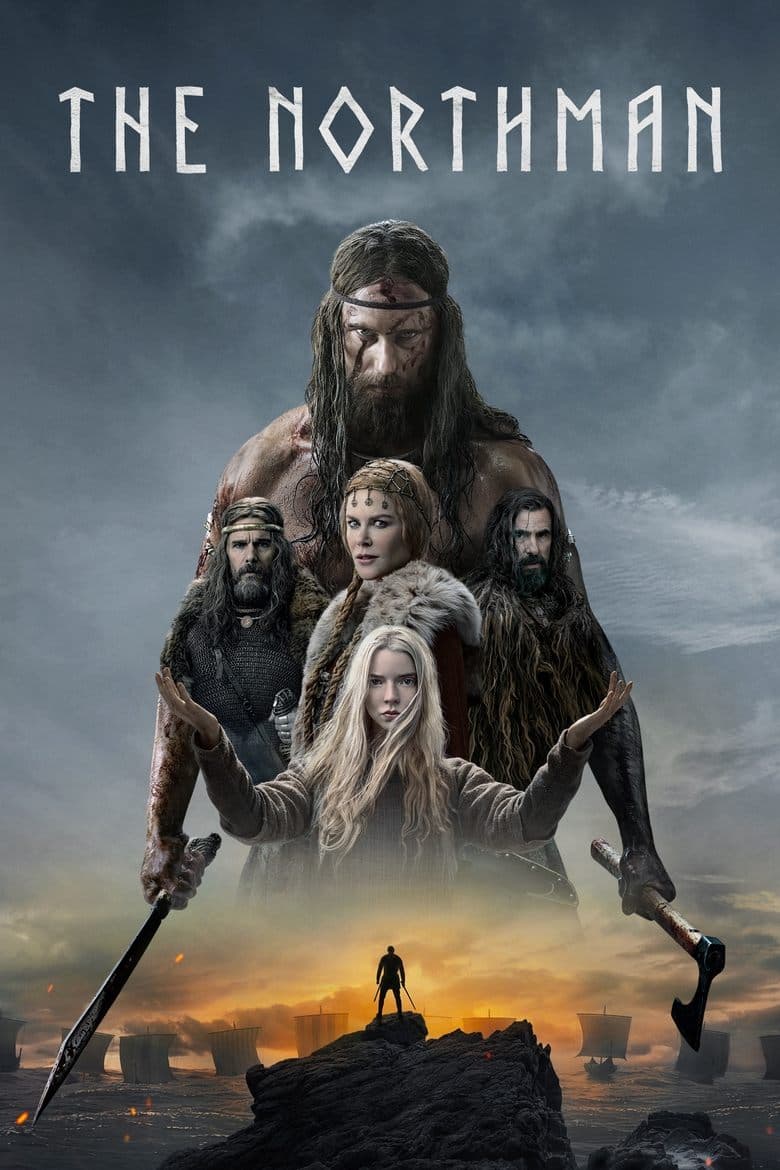
Prince Amleth is a young Viking whose uncle kills his father and takes his mother. Years later, Amleth grows into a hard fighter and hunts his uncle for revenge. The story is set in a rough Viking world full of raids, fate, and old Norse beliefs. The tone is dark, bloody, and serious, more like a harsh legend than a fun adventure.
The film stays focused on revenge, family lies, and a man trapped by his own vow. Viewers mainly see a brutal historical story, not modern activist lectures. Olga, a smart enslaved woman, helps Amleth with clever plans, and Queen Gudrún turns out far more cold and self-serving than Amleth first believes. Some critics read the empty cost of warrior honor as a hit on “toxic masculinity,” but the movie mostly shows period Viking life, fate, and violence rather than present-day identity politics. Casting matches the northern European setting. Public talk from the right often treats the film as non-woke, while some left coverage worried that its all-white cast and macho look could please extremists.
Community feedback
Was our 17% Woke rating accurate?
Breakdown
These are the editorial factors and ratings behind our score for The Northman.
Woke representation / casting
Main cast fits a 9th–10th century Norse/Iceland setting (Skarsgård, Kidman, Bang, Hawke, Taylor-Joy as a Slavic captive). No race-swap of Viking leads or quota-style identity casting in big roles. Left complaints about an “all-white” cast are about accuracy, not anti-woke proof of agenda casting.
0%
Woke political dialogue
Talk centers on fate, revenge, honor, gods, and survival. Olga’s strength-vs-cunning line is partnership inside the story world. No modern DEI slogans, race lectures, or activist catchphrases.
0%
Identity-driven story themes
Core plot is revenge and broken family trust. Women (Gudrún, Olga) use cunning and will, which some critics treat as a gender theme. That stays inside a Viking saga frame. No race politics or LGBTQ storyline. Mild identity heat only if you lean into the critic “toxic masculinity” reading.
10%
Western institutional / cultural critique
The film shows warrior honor and endless payback as empty and deadly. Amleth’s male line of kings and the cost of his vow invite a harsh look at that culture. Eggers also spoke of reclaiming Vikings from right-wing myth. Still, this is mostly tragedy and history, not a modern sermon on capitalism, whiteness, or colonial guilt.
19%
Woke character or canon changes
Changes from the old Amleth tale (Iceland setting, Olga’s role, Gudrún’s full guilt) read as story craft, not DEI race or gender swaps of famous real figures. Not a meaningful woke canon rewrite.
5%
Anti-woke backlash and complaints
Anti-woke/right-leaning talk mostly says the film is not woke. Loud controversy was left-side fear of white-supremacist co-option and “too white/macho” takes, which do not count for this factor.
0%
Creator track record context
Lead creative Eggers is low-woke and history-first. Co-writer Sjón (32) and producer-star Skarsgård (44) add mild progressive context. Overall crew is not an identity-activism package for this title.
18%
Production
Movie · 2022
A new adventure begins for Luffy and his crew when mysterious pop superstar Uta unveils her identity — and launches a misguided plan for world peace.
Movie · 2021
Washed-up MMA fighter Cole Young, unaware of his heritage, and hunted by Emperor Shang Tsung's best warrior, Sub-Zero, seeks out and trains with Earth's greatest champions as he…
Movie · 2001
Young hobbit Frodo Baggins, after inheriting a mysterious ring from his uncle Bilbo, must leave his home in order to keep it from falling into the hands of its evil creator.
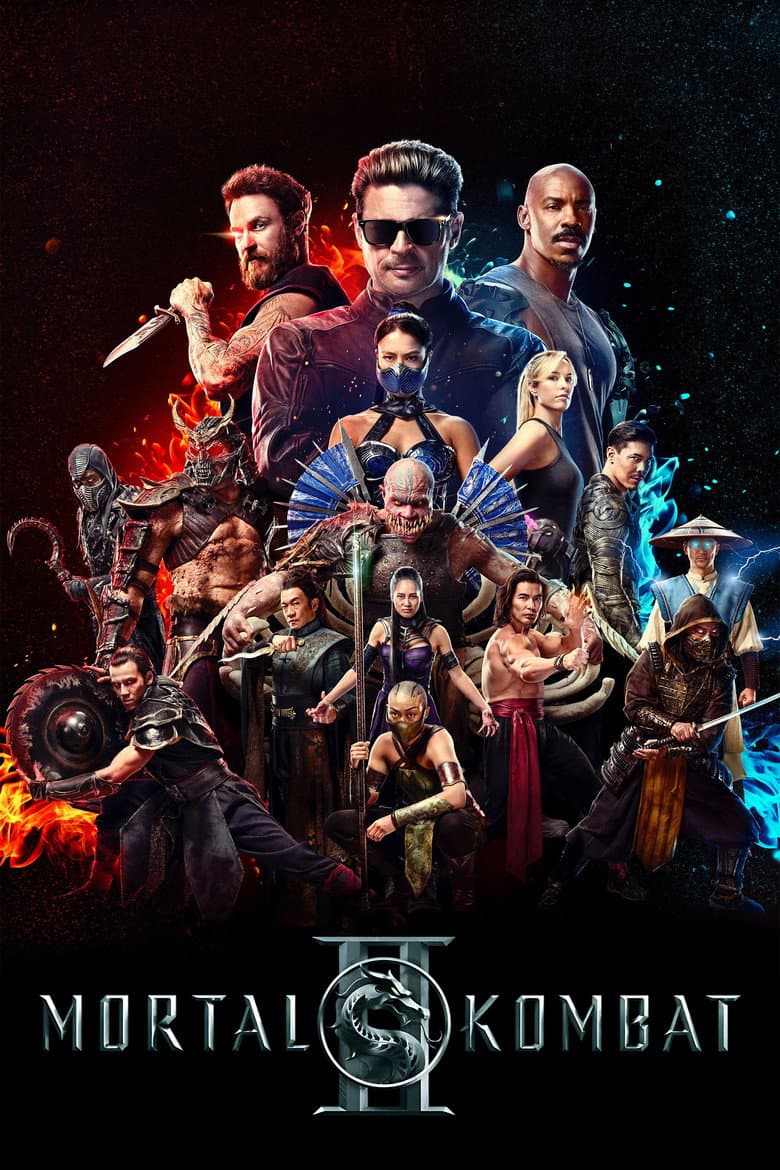
Movie · 2026
The fan favorite champions—now joined by Johnny Cage himself—are pitted against one another in the ultimate, no-holds barred, gory battle to defeat the dark rule of Shao Kahn that…
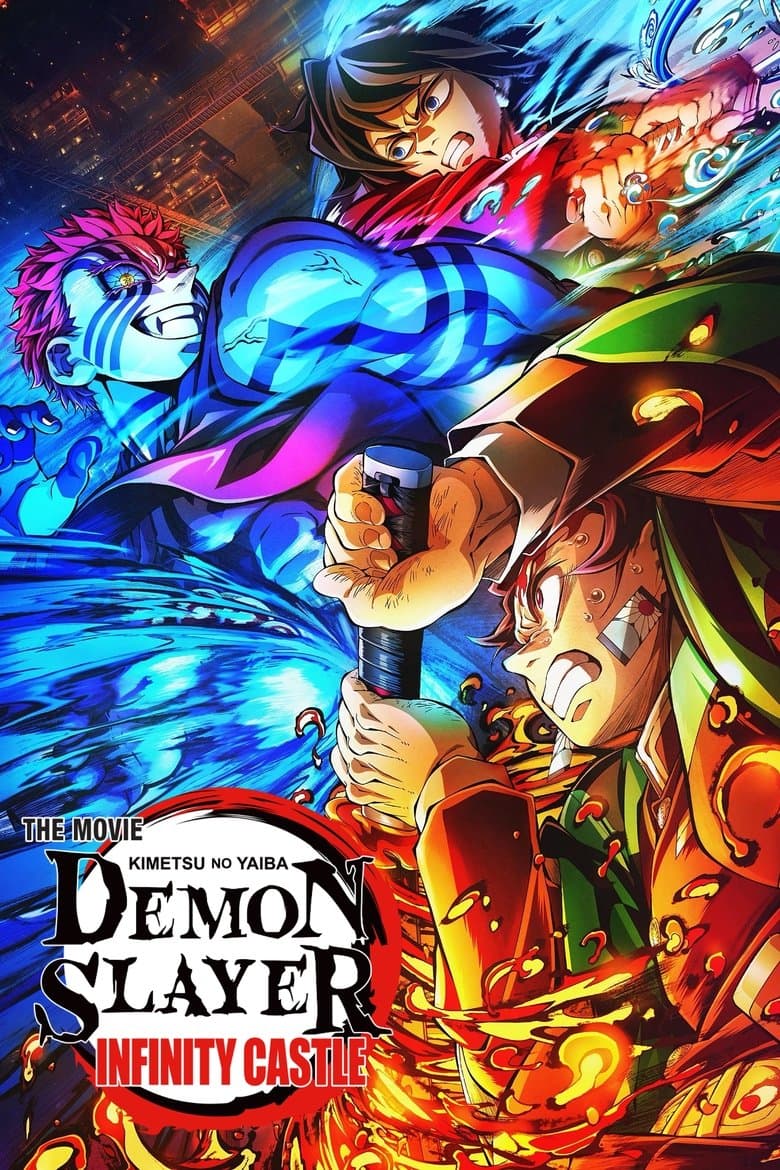
Movie · 2025
The Demon Slayer Corps are drawn into the Infinity Castle, where Tanjiro, Nezuko, and the Hashira face terrifying Upper Rank demons in a desperate fight as the final battle…
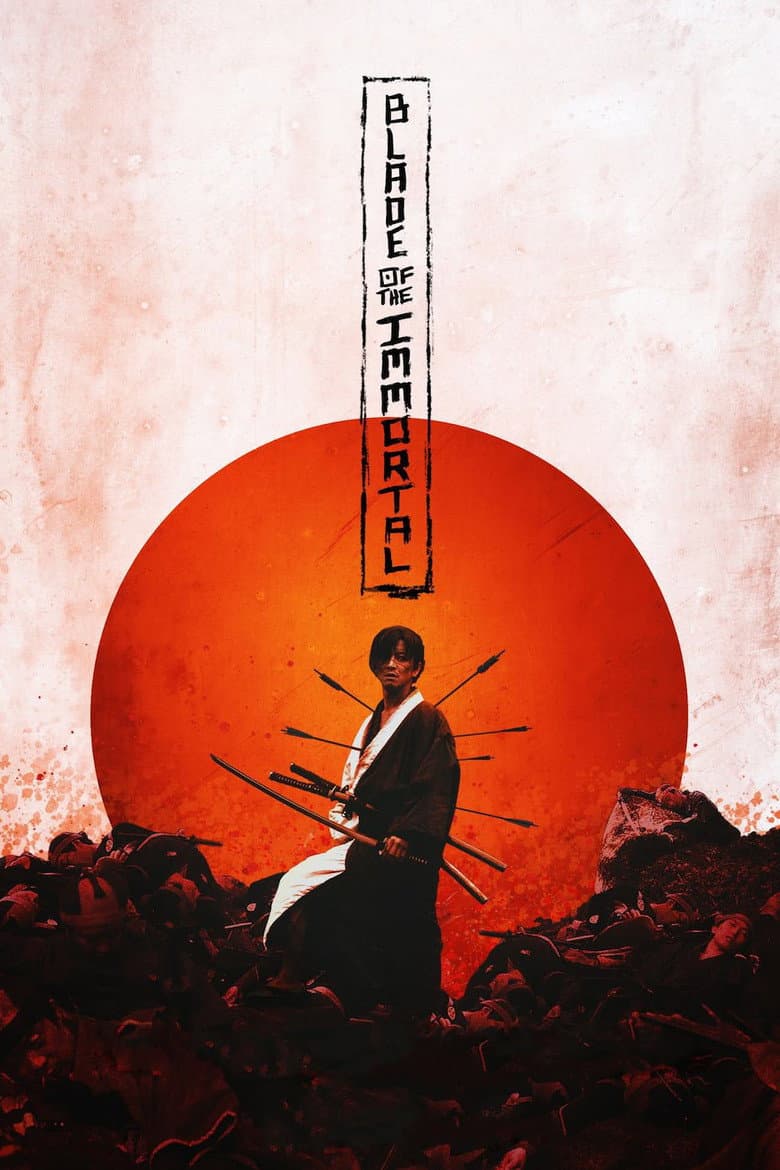
Movie · 2017
Manji, a highly skilled samurai, becomes cursed with immortality after a legendary battle. Haunted by the brutal murder of his sister, Manji knows that only fighting evil will…
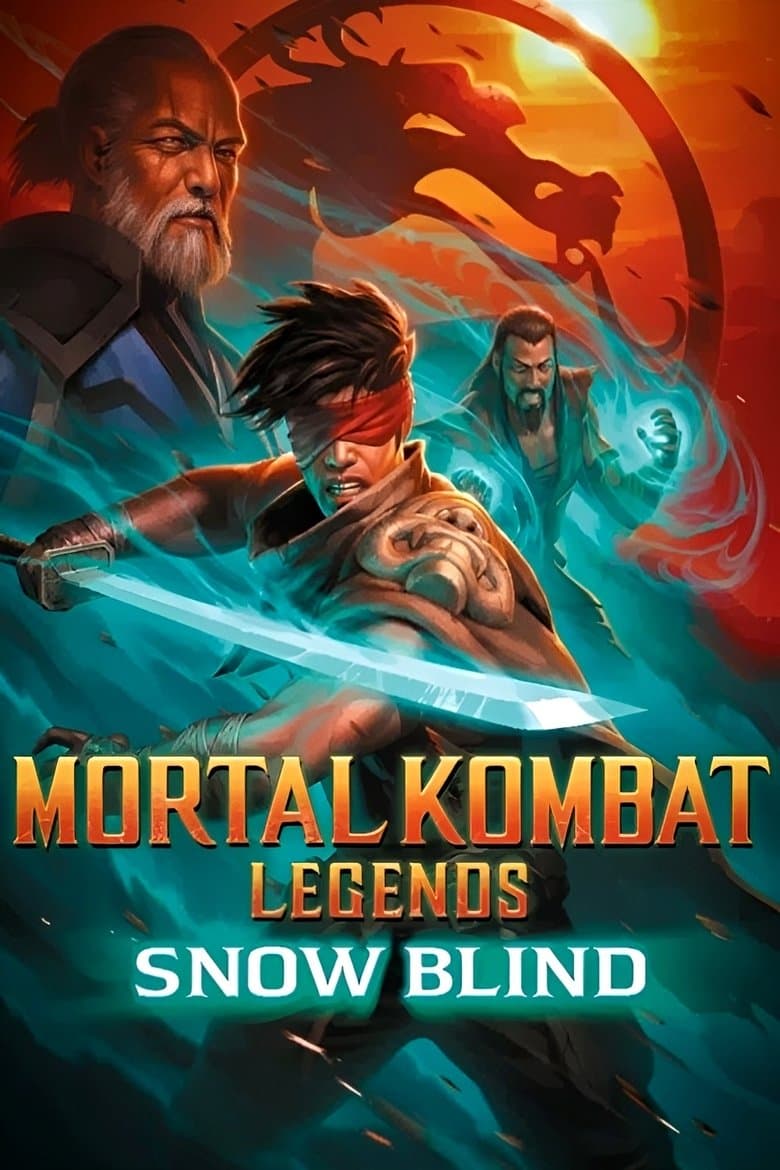
Movie · 2022
The vicious, power-mad Kano is determined to take over Earthrealm, one soul at a time. Assisted by a trio of cold Black Dragon mercenaries, he embarks on a brutal assault from…
Movie · 2017
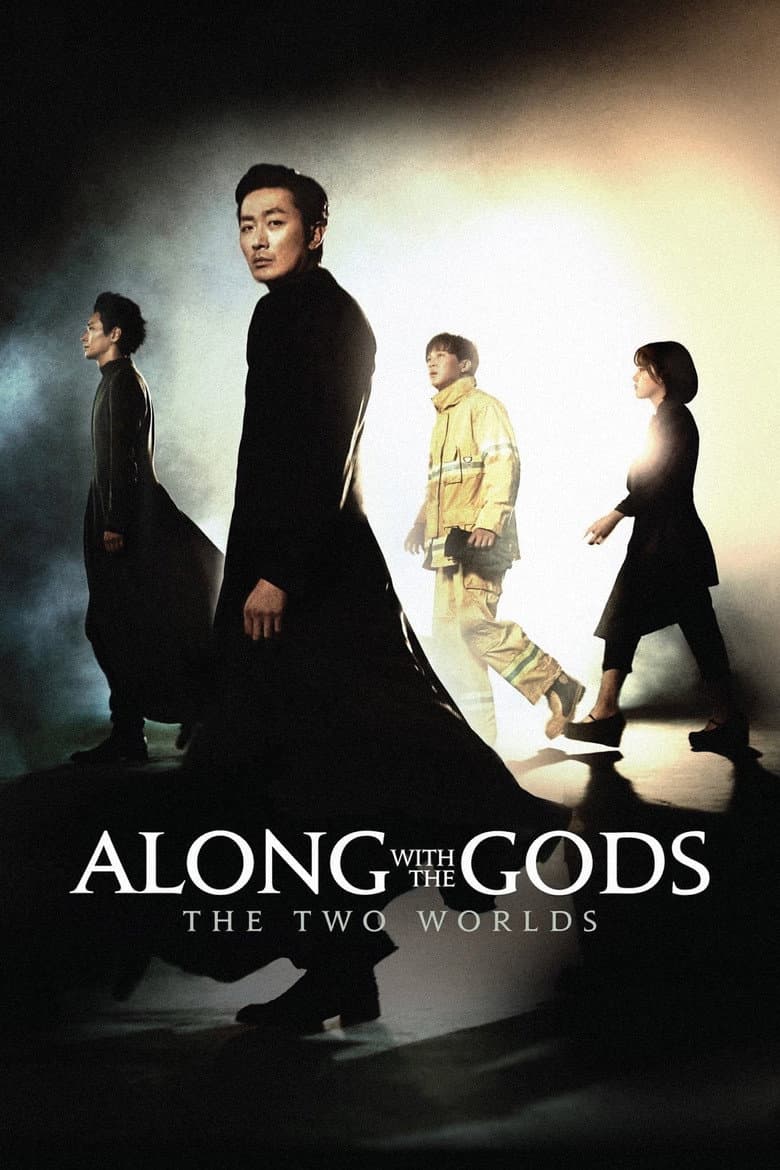
Having died unexpectedly, firefighter Ja-hong is taken to the afterlife by 3 afterlife guardians. Only when he passes 7 trials over 49 days and proves he was innocent in human…
