Movie review
February 8, 2019 · 96 min · R · Sci-Fi · Fantasy · Adventure · Drama
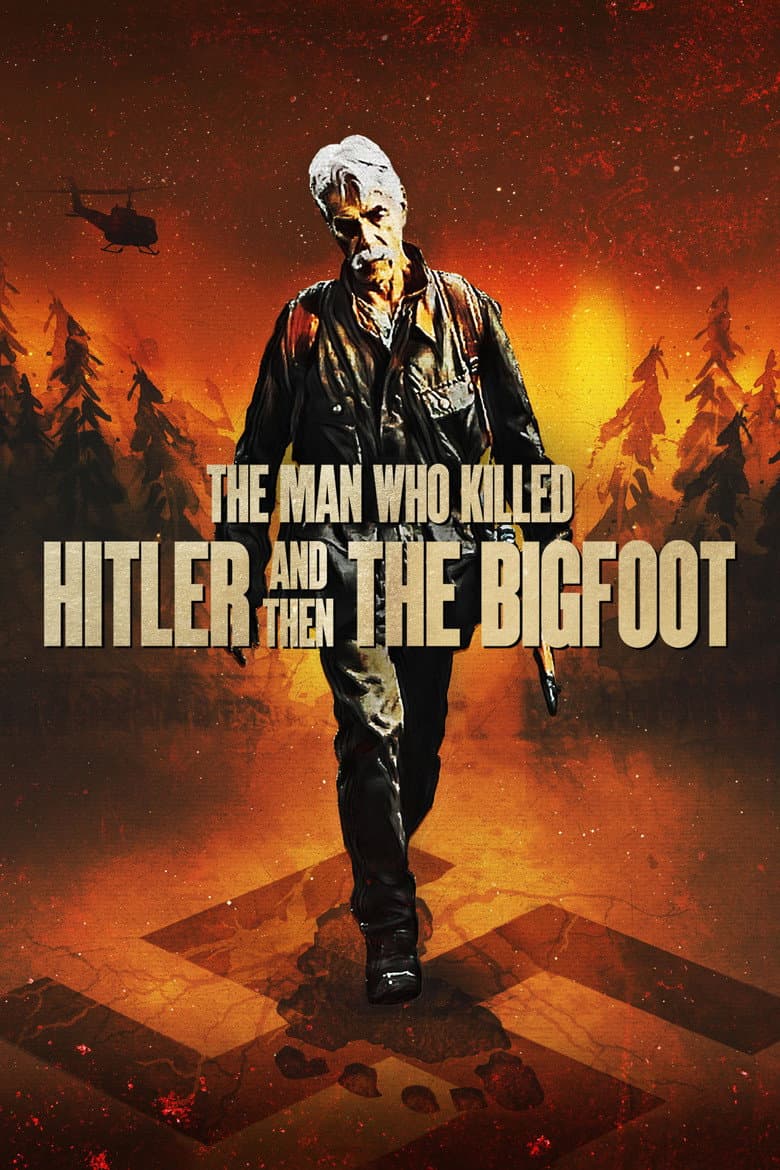
Calvin Barr is an aging American war veteran who lives quietly with his dog and barber brother in a small Massachusetts town. Flashbacks show his secret mission to kill Adolf Hitler during World War II. In 1987, American and Canadian officials ask him to hunt Bigfoot in the Canadian wilderness because the creature carries a deadly plague and Calvin is immune. The movie uses a strange adventure setup to tell a slow, sad story about duty, love, regret, and the cost of killing.
Calvin’s war mission is treated as a burden instead of a proud victory, and the movie says Hitler’s ideas kept hurting people after his death. His lost love Maxine and his brother Ed give the story its strongest personal ties. The Bigfoot hunt repeats the same moral problem because Calvin must decide whether to kill a creature that may not be evil. The story keeps returning to duty, personal sacrifice, and the way a quiet life can be damaged by violence.
Community feedback
Was our 4% Woke rating accurate?
Breakdown
These are the editorial factors and ratings behind our score for The Man Who Killed Hitler and Then the Bigfoot.
Woke representation / casting
Not present. The lead is a white American veteran, and the supporting cast includes a Canadian agent and a South Asian agent in ordinary government roles. The movie gives no identity or diversity message, and the casting is not a repeated representation pattern.
0%
Woke political dialogue
Not present. Calvin says Hitler’s ideas kept causing harm after Hitler died. The line belongs to the World War II story, and the dialogue does not push modern identity, DEI, or activist ideas.
0%
Identity-driven story themes
Not present. The story follows Calvin’s guilt, lost love, aging, duty, and fear of killing again. Its central conflict is a secret mission and a deadly plague, not an identity-driven or social-justice struggle.
0%
Western institutional / cultural critique
Not present. The film shows the military and government sending Calvin on secret missions, but this supports his personal story. It does not attack men, family life, Christianity, capitalism, or Western culture through a modern activist message.
0%
Woke character or canon changes
Not relevant. The movie invents a secret version of Hitler’s death and adds a fictional Bigfoot mission. These fantasy changes do not change a character’s race, gender, sexuality, or identity.
0%
Anti-woke backlash and complaints
Not present. The separate X research found no anti-woke complaints. Web and audience posts focus on pacing, tone, the title, and the Bigfoot effects instead of woke or DEI claims.
0%
Creator track record context
John Sayles has a history of films about labor, class, and race, and he produced this movie. Lucky McKee often centers women, gender roles, sexuality, and resistance in his work, and he also produced it. Krzykowski has a personal, human story style and no known DEI or identity-politics record. These backgrounds add mild context, but the movie itself does not carry those ideas in a major way.
18%
Production

Movie · 2025
When a raging flood traps a researcher and her young son, a call to a crucial mission puts their escape — and the future of humanity — on the line.
Movie · 2021
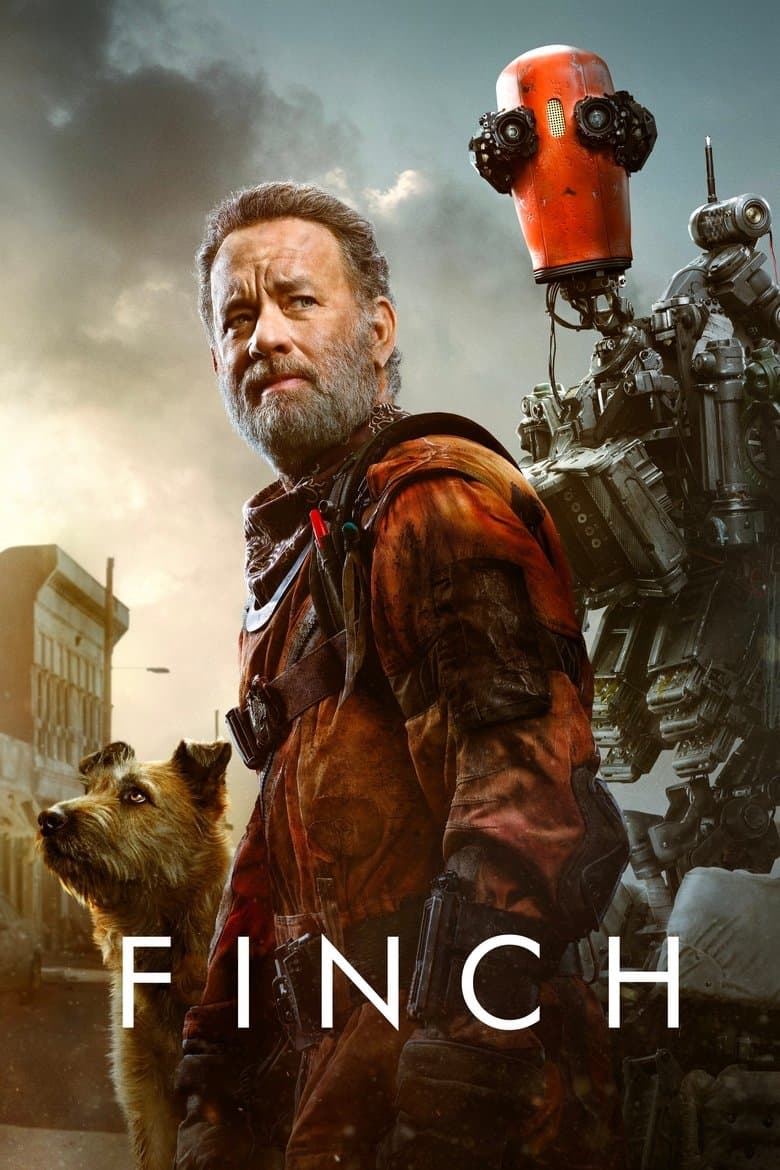
On a post-apocalyptic Earth, a robot, built to protect the life of his dying creator's beloved dog, learns about life, love, friendship, and what it means to be human.

Movie · 2016
A father and son go on the run after the dad learns his child possesses special powers.

Movie · 2017
Manji, a highly skilled samurai, becomes cursed with immortality after a legendary battle. Haunted by the brutal murder of his sister, Manji knows that only fighting evil will…

Movie · 2014
The adventures of a group of explorers who make use of a newly discovered wormhole to surpass the limitations on human space travel and conquer the vast distances involved in an…
Movie · 2022
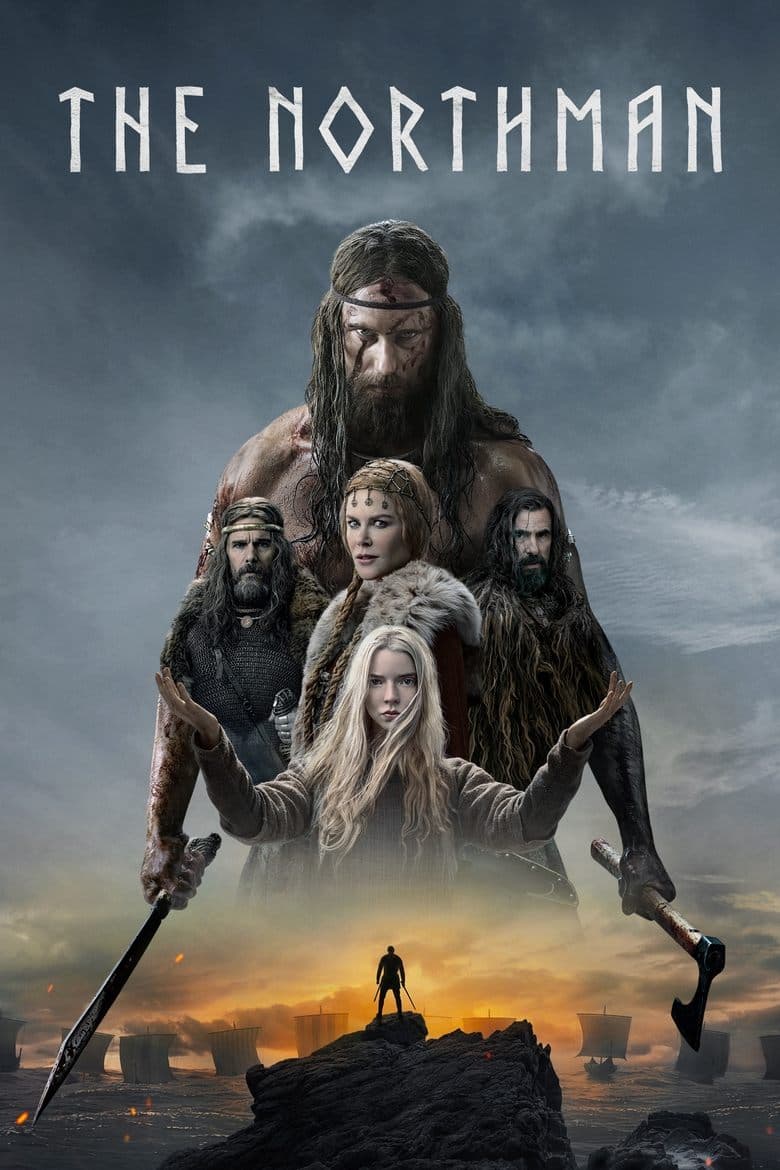
Prince Amleth is on the verge of becoming a man when his father is brutally murdered by his uncle, who kidnaps the boy's mother.

Movie · 2017
When Mahendra, the son of Bāhubali, learns about his heritage, he begins to look for answers. His story is juxtaposed with past events that unfolded in the Mahishmati Kingdom.
Movie · 2020
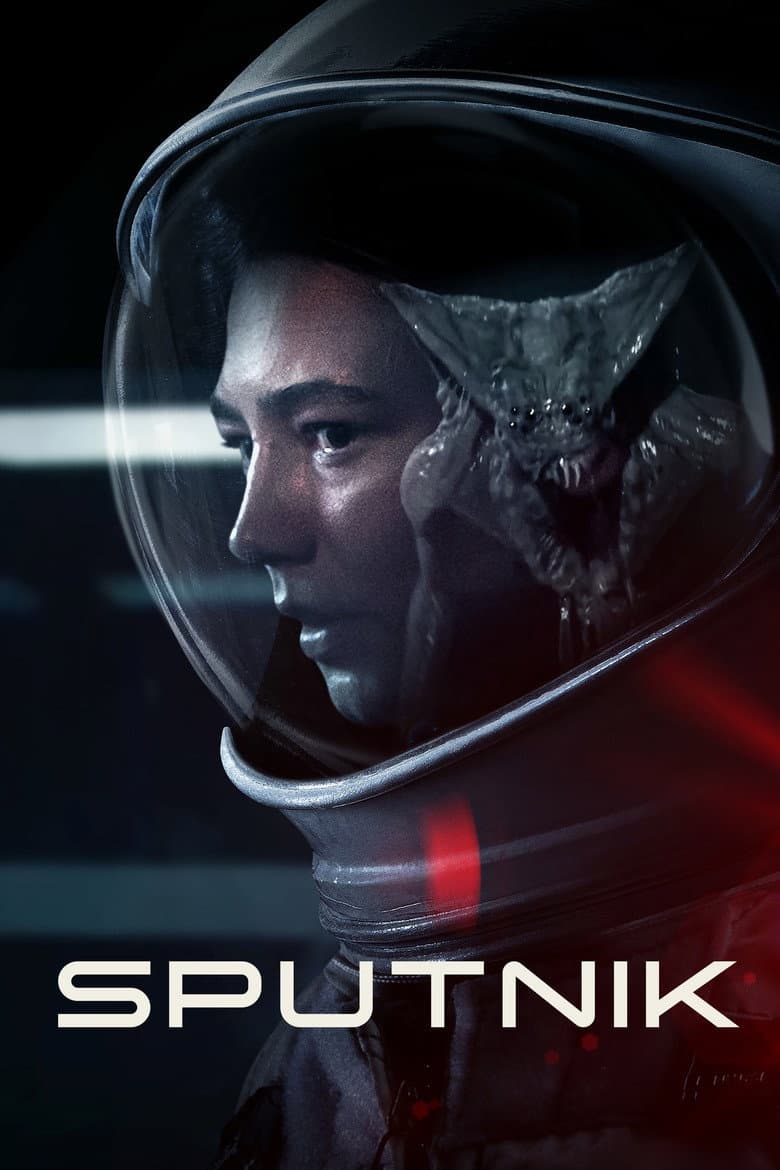
At the height of the Cold War, a Soviet spacecraft crash lands after a mission gone awry, leaving the commander as its only survivor.
