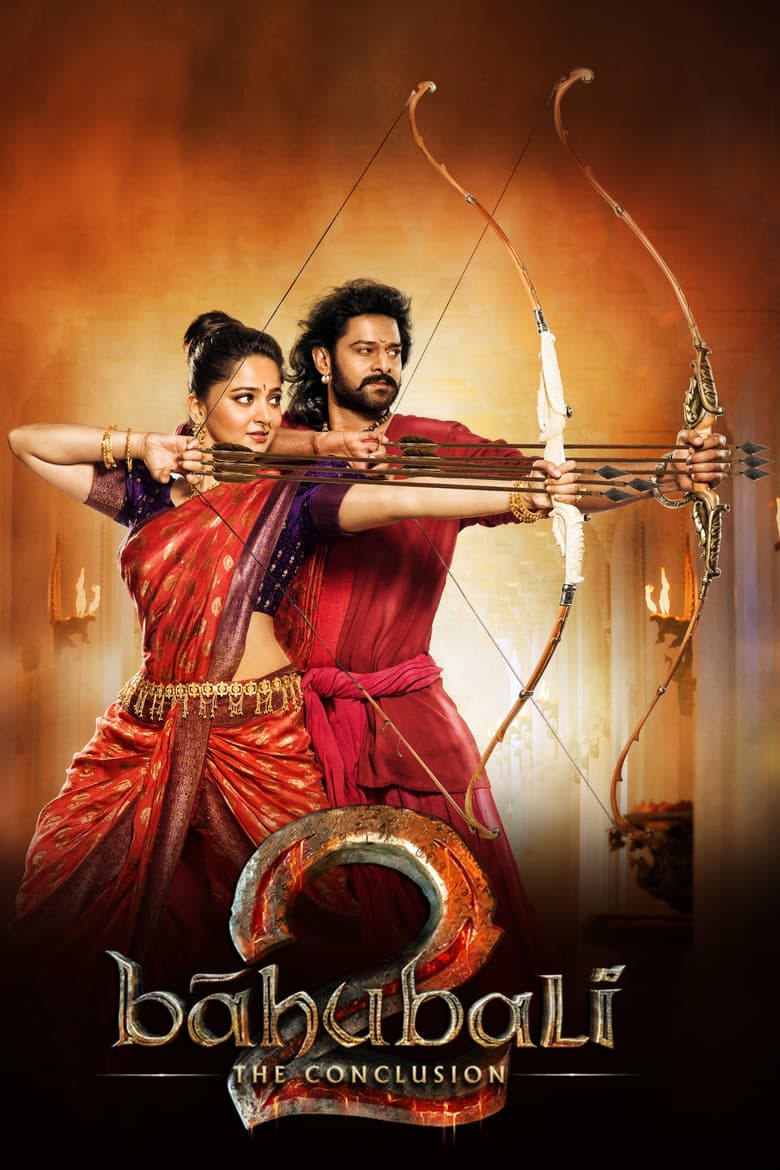
Movie review
April 27, 2017 · 167 min · NR · Telugu · Fantasy · Action · Adventure
Mahendra Baahubali learns that he is the son of Amarendra Baahubali, the rightful king of Mahishmati. Kattappa tells him how Amarendra became close to Devasena, a warrior princess, and how Bhallaladeva stole the throne through lies and murder. Mahendra then gathers the people and fights to free his mother and kingdom from his cruel uncle. The movie uses huge battles, romance, family drama, royal duty, and Hindu religious images in a loud and heroic style.
The film gives Devasena a strong voice, skill with a bow, and the will to reject a marriage offer from a man she does not know. She refuses to accept chains and stands against Bhallaladeva even after he imprisons her for 25 years. Sivagami is also a powerful queen who controls who should rule, but her pride and trust in the wrong people help cause the tragedy. These female roles create a mild message about women having power, yet the story still centers on male heirs, family loyalty, honor, revenge, and the return of a rightful king.
Community feedback
Was our 13% Woke rating accurate?
Breakdown
These are the editorial factors and ratings behind our score for Bāhubali 2: The Conclusion.
Woke representation / casting
Not present. The main cast is Indian and fits the film’s fictional Indian kingdom. The movie does not frame the cast as a diversity or identity statement.
0%
Woke political dialogue
Not present. The dialogue centers on loyalty, royal duty, family, honor, and revenge. The film does not use modern lines about DEI, current identity politics, or activist causes.
0%
Identity-driven story themes
Devasena rejects a marriage offer from a man she does not know and refuses to be treated as property. She is shown as a skilled archer, a fighter, and a woman who speaks openly to the rulers. Sivagami also holds the highest power in the kingdom for much of the story. These choices create a noticeable but limited message about women having power. Mahendra and Amarendra remain the main heroes, and the story centers on family duty, honor, revenge, and a rightful king.
24%
Western institutional / cultural critique
Not present. The film opposes Bhallaladeva’s cruel rule and palace abuse as part of its fantasy plot. It does not turn that conflict into a modern attack on Western institutions, capitalism, Christianity, or traditional family life.
0%
Woke character or canon changes
Not relevant. The movie continues its own fictional characters from the first film. It does not recast their race, gender, or sexuality or rewrite a real historical figure.
0%
Anti-woke backlash and complaints
Not present. No sustained anti-woke complaint was found in the news, audience discussions, or the supplied X research. The Karnataka protest concerned an actor’s old Cauvery remarks, while right-leaning posts praised the movie as not woke.
0%
Creator track record context
Rajamouli is mainly known for Indian epics, mythic stories, and large commercial action films. Vijayendra Prasad is mainly known for patriotic, family, historical, and mythic stories. Rahul Koda and the listed producers have no strong public record of DEI or identity activism. The team’s wider context adds only a very small woke signal.
6%
Production

Movie · 2022
A new adventure begins for Luffy and his crew when mysterious pop superstar Uta unveils her identity — and launches a misguided plan for world peace.
Movie · 2016
A common thief joins a mythical god on a quest through Egypt.
Movie · 2017
Four teenagers in detention discover an old video game console with a game they’ve never heard of. When they decide to play, they are immediately sucked into the jungle world of…
Movie · 2001
Young hobbit Frodo Baggins, after inheriting a mysterious ring from his uncle Bilbo, must leave his home in order to keep it from falling into the hands of its evil creator.
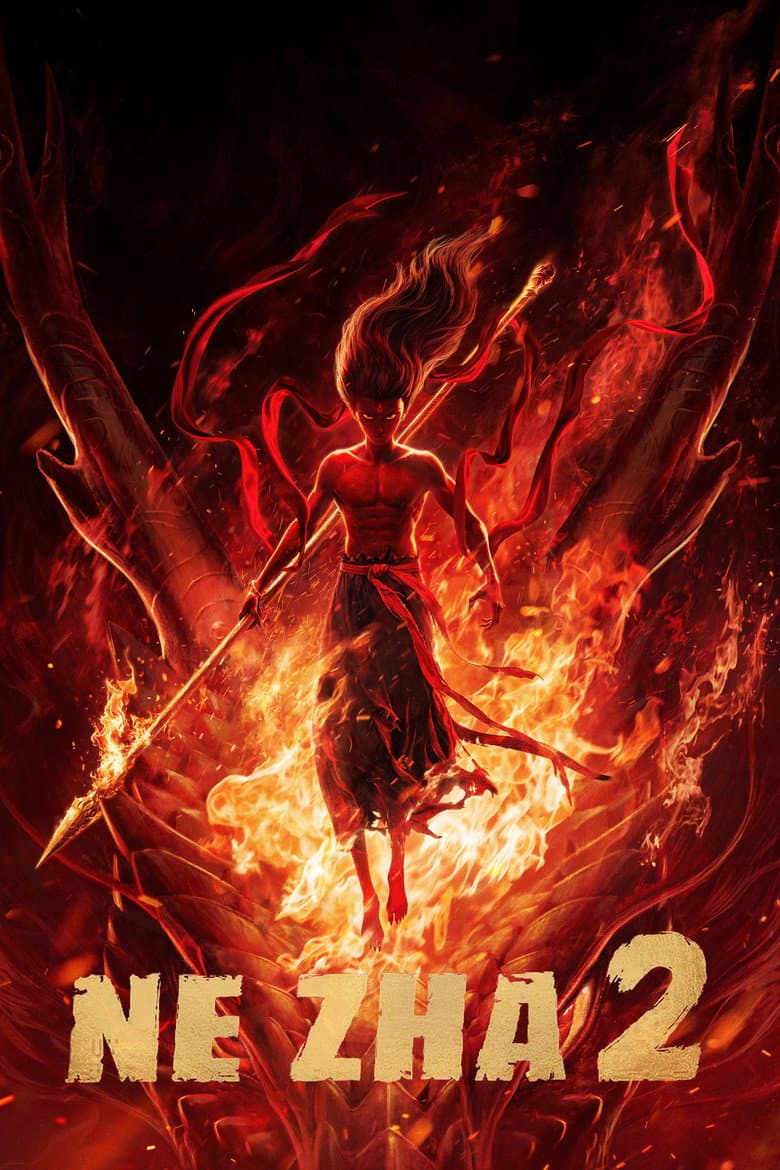
Movie · 2025
After a catastrophic event leaves their bodies destroyed, Ne Zha and Ao Bing are granted a fragile second chance at life.
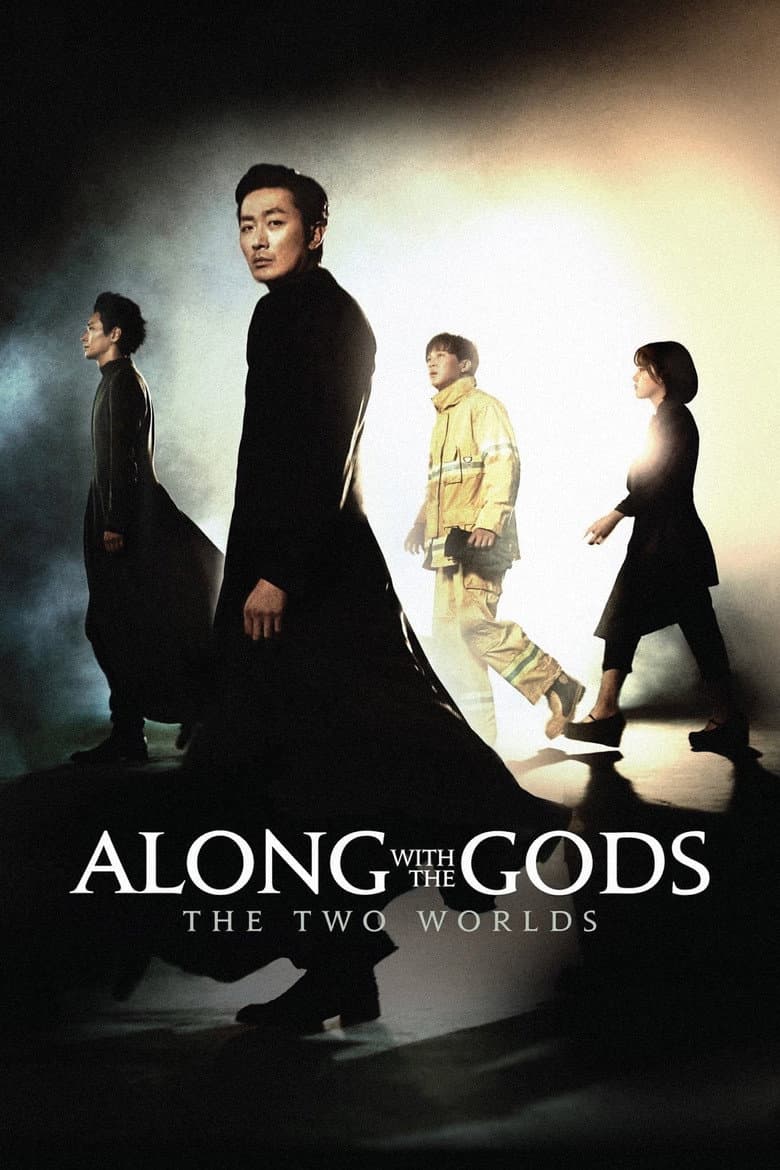
Movie · 2017
Having died unexpectedly, firefighter Ja-hong is taken to the afterlife by 3 afterlife guardians. Only when he passes 7 trials over 49 days and proves he was innocent in human…
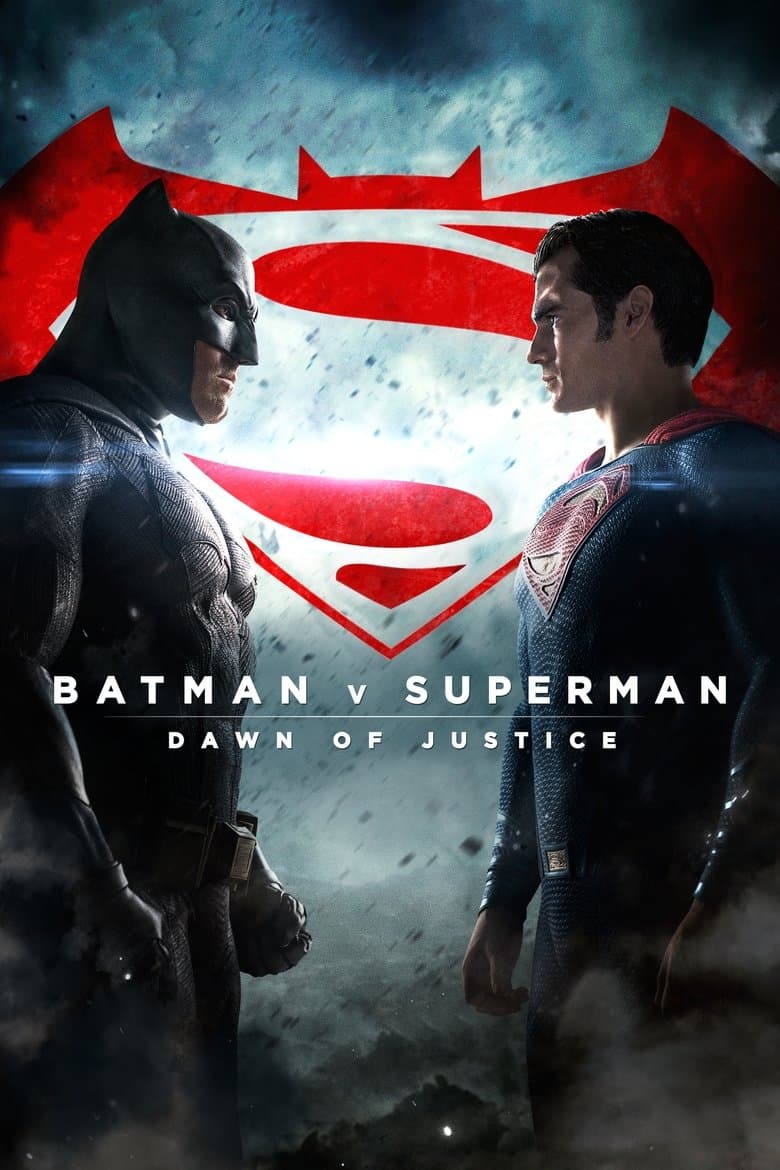
Movie · 2016
Fearing the actions of a god-like Super Hero left unchecked, Gotham City’s own formidable, forceful vigilante takes on Metropolis’s most revered, modern-day savior, while the…
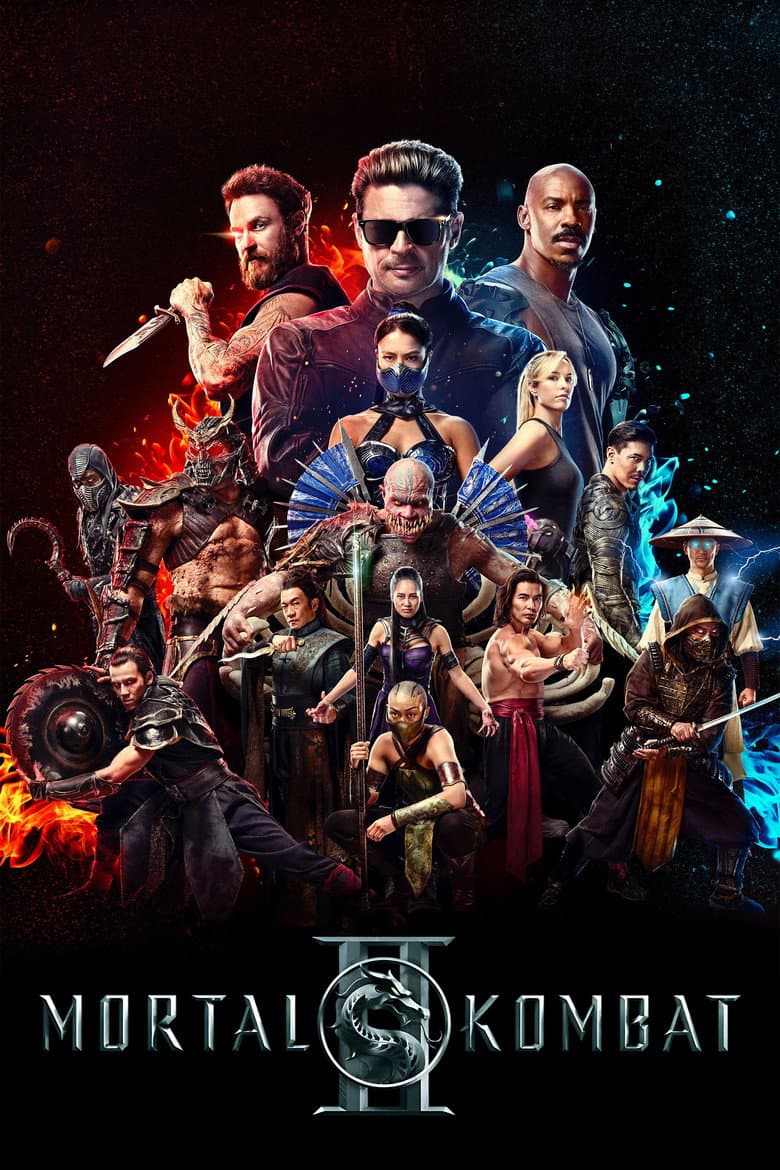
Movie · 2026
The fan favorite champions—now joined by Johnny Cage himself—are pitted against one another in the ultimate, no-holds barred, gory battle to defeat the dark rule of Shao Kahn that…
