Movie review
April 29, 2017 · 140 min · R · Japanese · Fantasy · Action · Adventure · Drama
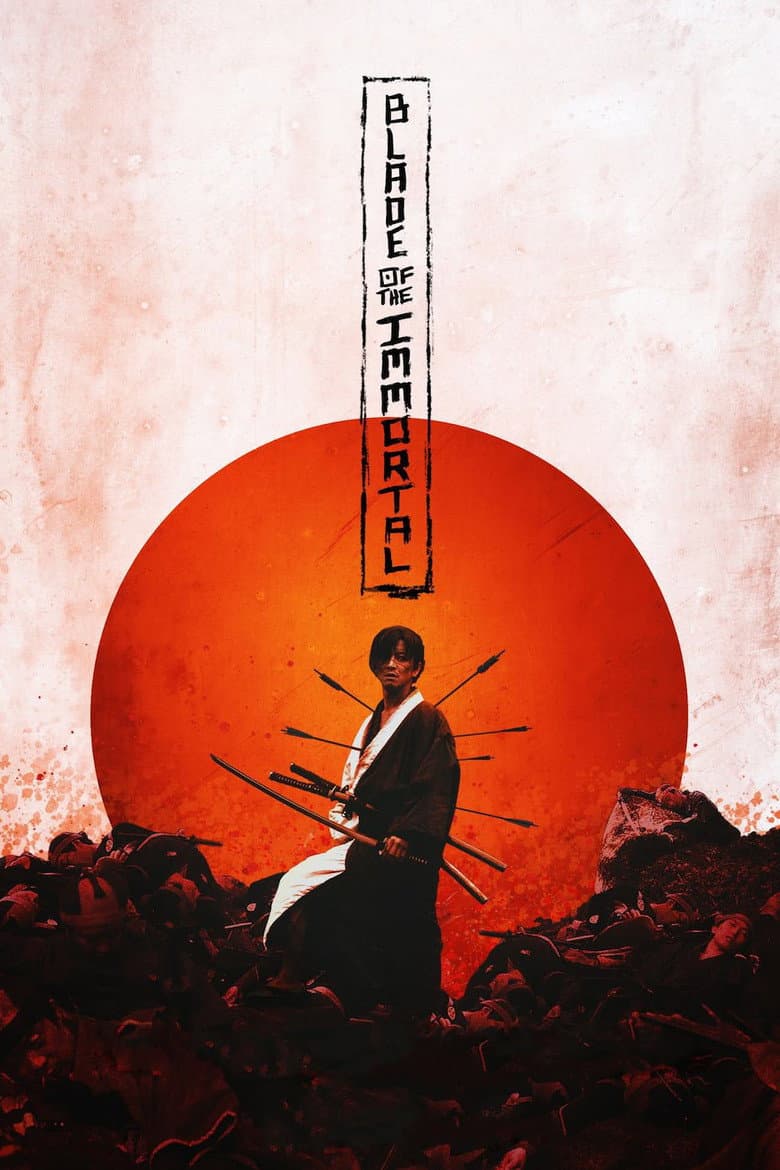
Manji is a feared samurai who cannot die after an old woman places magic bloodworms in his body. Fifty years later, he lives with guilt from killing many men and from failing to save his younger sister. Rin asks him to protect her while she hunts Anotsu, the swordsman who killed her parents and destroyed her family dojo. The journey moves through Edo period Japan and mixes grim revenge with strange humor, fantasy, and extreme sword violence.
Rin starts the story as a determined young woman who wants to fight for her family, but she is often outmatched and needs Manji’s help. Makie, a major enemy, is also a highly skilled female fighter who can challenge stronger men. These choices give women clear roles in the action, yet the film does not turn them into a modern political message about gender or identity. The main themes are revenge, guilt, the cost of killing, the pain of living forever, and the bond that grows between a rough protector and a grieving girl.
Community feedback
Was our 15% Woke rating accurate?
Breakdown
These are the editorial factors and ratings behind our score for Blade of the Immortal.
Woke representation / casting
Not present. The film uses Japanese actors for its Edo-period Japanese setting. The main casting choices fit the story world and are not framed as a diversity statement.
0%
Woke political dialogue
Not present. The spoken lines focus on sword schools, revenge, honor, guilt, and survival. The film does not use modern DEI, identity, or activist speeches.
0%
Identity-driven story themes
Rin starts the revenge mission after her parents are killed. Rin keeps choosing to face enemies even when she is outmatched. Makie is a prominent female fighter who challenges Manji in a major battle. These choices add some female agency, but the film does not present them as a modern gender or identity campaign. Manji remains the main fighter and protects Rin through most of the story.
18%
Western institutional / cultural critique
Not present. The film shows murder, sexual violence, and abuse inside an Edo-period revenge plot. It does not turn these events into a modern attack on Western culture, family life, Christianity, or gender norms.
0%
Woke character or canon changes
Not relevant. The film adapts Hiroaki Samura’s manga. The reported changes mainly shorten the long story and combine plot material, with no confirmed identity-based swap or rewrite.
0%
Anti-woke backlash and complaints
Not present. No sustained anti-woke or anti-DEI complaints were found in the searched coverage. The supplied X pass also found no anti-woke complaints.
0%
Creator track record context
Takashi Miike has a mixed record that includes themes of male power, marginalization, and gender violence. Miike is not known for a steady political or DEI campaign. Hiroaki Samura has written strong female characters and made limited gender-related comments. Tetsuya Oishi has no clear activist or identity-driven pattern. This context gives a mild signal, but it does not define this film.
28%
Production
Movie · 2025
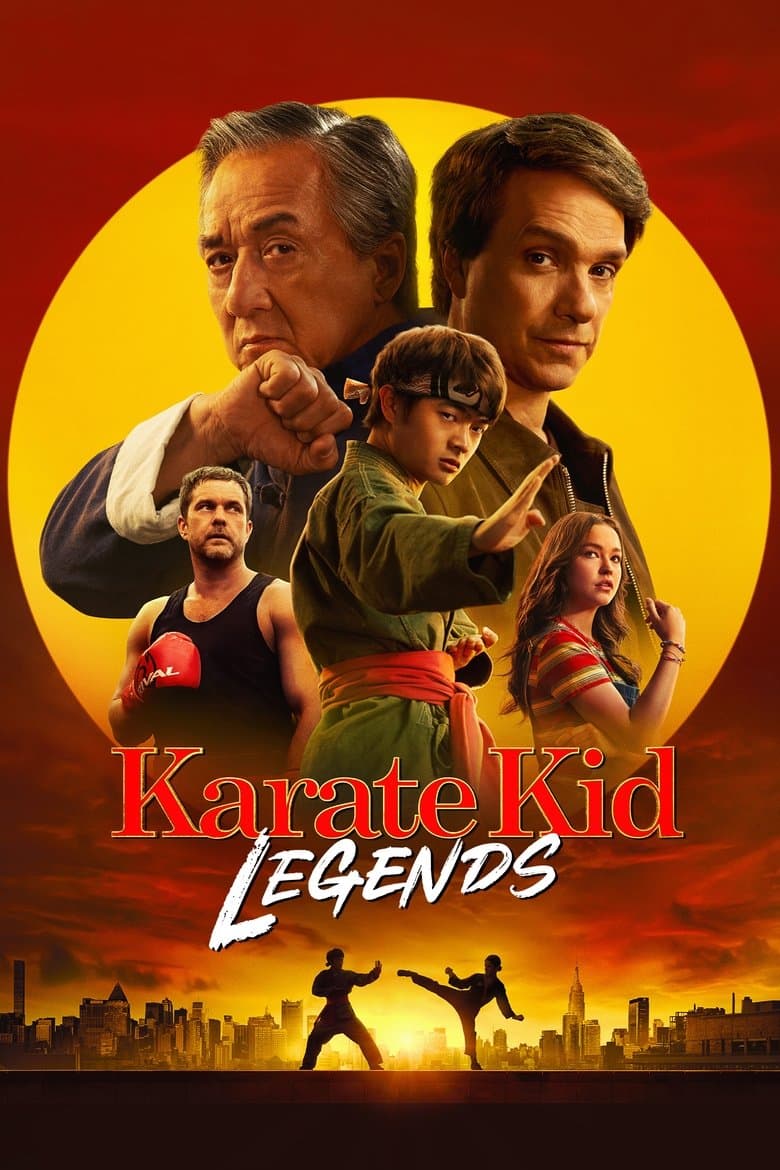
After a family tragedy, kung fu prodigy Li Fong is uprooted from his home in Beijing and forced to move to New York City with his mother.
Movie · 2018
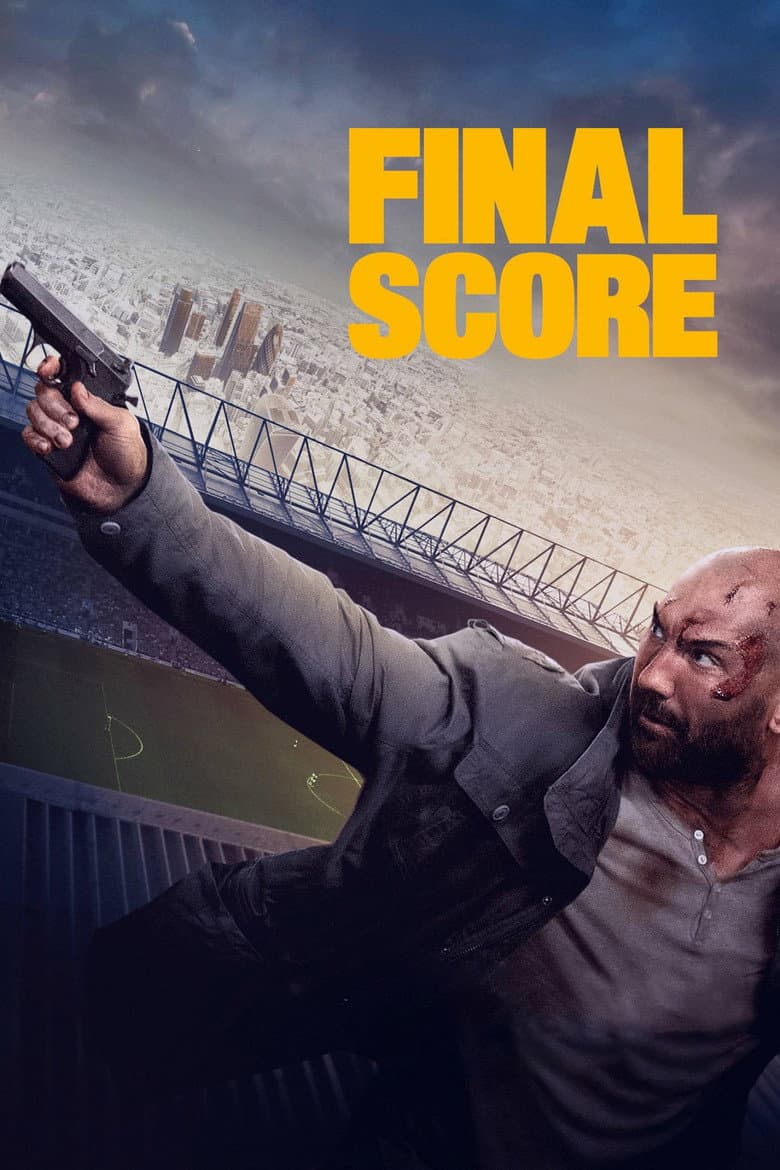
When a stadium is seized by a group of heavily armed criminals during a major sporting event, an ex-soldier must use all his military skills to save both the daughter of a fallen…

Movie · 2023
The ultimate wish-fulfillment tale of a teenage Gran Turismo player whose gaming skills won him a series of Nissan competitions to become an actual professional racecar driver.
Movie · 2016
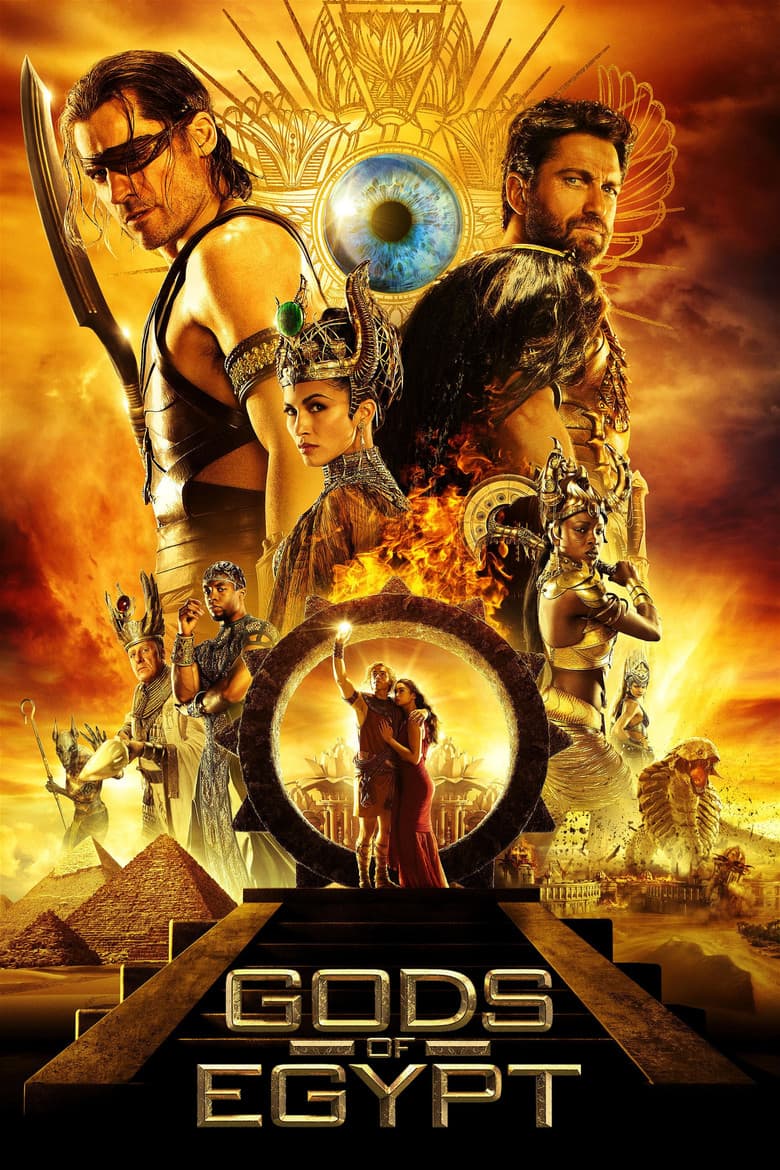
A common thief joins a mythical god on a quest through Egypt.
Movie · 2022
The vicious, power-mad Kano is determined to take over Earthrealm, one soul at a time. Assisted by a trio of cold Black Dragon mercenaries, he embarks on a brutal assault from…
Movie · 2018
After losing the love of his life to a cruel Philistine prince, a young Hebrew with Supernatural strength defends his people, sacrificing everything to avenge his love, his…

Movie · 2022
Known as America’s Poet, Henry Wadsworth Longfellow leads an idyllic life – until the day his world is shattered by tragedy.
Movie · 2022
A new adventure begins for Luffy and his crew when mysterious pop superstar Uta unveils her identity — and launches a misguided plan for world peace.
